University Releases Findings From Student Belonging, Inclusion, and Expression Survey
The results provide insight into how students felt about their connection to the Columbia community during the 2024-25 academic year.
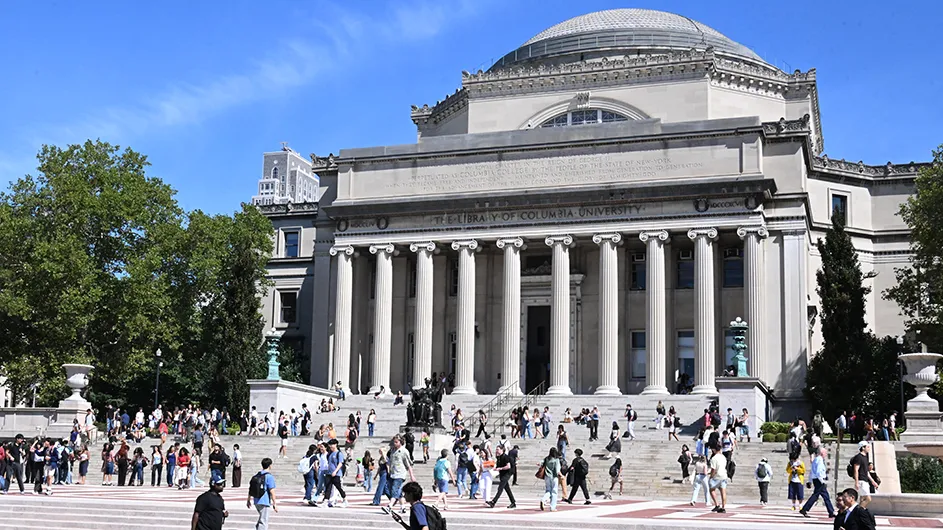
Columbia University has released findings from the 2025 Harmful Exclusion Alleviation Longitudinal Study (HEALS) survey, which measures students’ sense of belonging, inclusion, expression, and discrimination, as well as their comfort reporting hate-based incidents.
The survey was initially developed in spring 2024 by the National Opinion Research Center (NORC), in collaboration with Columbia University’s Antisemitism Task Force, to assess student experiences amid heightened tensions during the 2023-2024 academic year. The first HEALS survey established a baseline, particularly around student belonging, religious identity, and comfort expressing views on campus. Findings from the first survey are available in Report #3 from the Task Force on Antisemitism, released in 2025.
Columbia’s Office of Planning and Institutional Research (OPIR) assumed administration of the second HEALS survey in 2025 to measure change over time. OPIR retained the survey’s core items and methodology to preserve comparability, while consolidating the questionnaire so that students were more likely to complete it.
The 2025 survey invited all enrolled students to participate. There were 4,934 completed surveys, representing a 14 percent response rate. Respondents were broadly representative of Columbia’s student population by school, degree level, gender, and race/ethnicity.
The findings point to measurable improvement in some areas. Across the entire student body, the share of respondents who agreed that they felt a sense of belonging at Columbia rose from 50 percent in 2024, to 57 percent in 2025. Students also reported somewhat greater comfort expressing their views on several measures, including a decline in the share who said they had to alter their language to avoid controversy.
The 2025 survey also revealed that belonging is strongly shaped by students’ direct relationships and engagement on campus. Respondents most frequently identified friends, professors, and classmates as sources of belonging. Campus involvement in activities was also a significant predictor of belonging, with students involved in campus organizations more likely to report feeling connected to Columbia.
Jewish and Muslim students, who reported among the lowest levels of belonging and highest levels of concern in 2024, showed improvement on several measures in 2025. The share of Jewish students who agreed that they felt a sense of belonging rose 13 percentage points, while perceived discrimination tied to religion among Jewish students declined 13 percentage points. Muslim students also reported gains in belonging, rising nine percentage points, and a six-percentage-point decline in perceived religious discrimination.
At the same time, important disparities for Jewish and Muslim students persist. Both groups continued to report lower levels of religious acceptance than many other students, and Muslim students remained among the least comfortable reporting hate-based incidents. These findings point to progress from the 2024 baseline, but also to the need for continued attention to belonging, acceptance, and trust.
The results also point to other areas requiring attention. Overall agreement that students felt accepted for their race or ethnicity decreased from 71 percent in 2024, to 65 percent in 2025, with declines observed across multiple racial and ethnic groups. Perceived discrimination based on national origin and political beliefs or affiliation increased, while the level of comfort in reporting hate-based incidents declined by five percentage points.
“These findings underscore the importance of listening carefully, measuring regularly, and using evidence to guide our work,” said Provost Angela V. Olinto, who is also the Rutherfurd Professor of Astronomy and Professor of Physics. “While we are seeing encouraging movement in students’ sense of belonging, other results tell us where we need to do better. This data will help inform how our schools approach developing additional programming and resources for our students, as we work together to further strengthen trust, belonging, and inclusion across our student community.”
Together, the results suggest gradual improvement in some measures of student belonging and expression, alongside uneven experiences across student groups. They also underscore the importance of continued monitoring, targeted follow-up, and efforts that strengthen connection, inclusion, and trust across the University.
More recent measures of student experiences were collected through the Lived Experiences and Needs of Students (LENS) survey, which ran for the second time in spring 2026. Reporting from that survey is currently underway and will provide additional insight into students’ experiences and needs.
The full HEALS 2024-25 summary and related materials can be found by visiting the “2025 Harmful Exclusion Alleviation Longitudinal Study (HEALS) Survey Findings” on the OPIR website. Here are additional resources:
- Community Citizenship Initiative: This initiative helps students develop the skills and awareness to contribute to a respectful, inclusive, and accountable University community.
- Faith Communities: Connects students with religious and spiritual communities across campus, supported by the Office of Religious Life.
- Listening Tables: These efforts are designed to generate connection and understanding as well as a reservoir of feedback and new ideas in these most difficult areas.
- Office of Institutional Equity FAQ: This page answers common questions about the University’s anti-discrimination and discriminatory harassment policies, including how reports are reviewed and what support is available.
- Student Conduct Navigators: A peer-support initiative that brings together students from across Columbia to help fellow students understand and navigate the Dean’s Discipline process.
- Columbia Health: Supporting students on the Morningside and Manhattanville campuses, Columbia Health offers an extensive collection of programs, resources, and services to support student well-being.
- Student Health on Haven: Offers students at Columbia University Irving Medical Center a wide range of programs, resources, and services to support their well-being.