


COLUMBIA SCIENCE IN THE NEWS
NBC News
October 14, 2026
Time
October 15, 2026
RECENT STORIES

Columbia researchers will collaborate with New York City agencies to tackle a range of pressing challenges.

New findings suggest that expanded coverage can reduce immediate postpartum complications and long-term maternal health risks.

New findings underscore the profound impact of discrimination on student mental health during a critical stage of life.
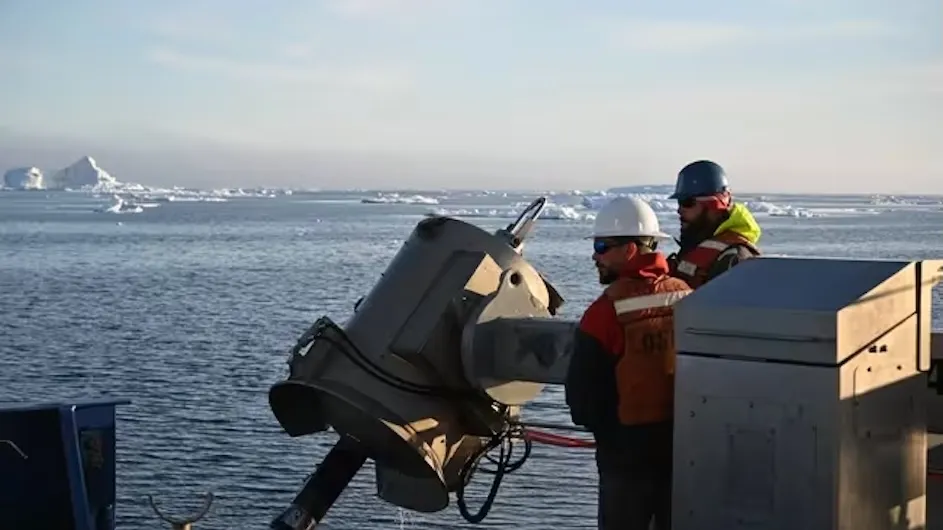
New research provides clues to the future of today’s massive ice sheets and the sea-level rise that could follow if they melt.
Columbia University’s Nevis Laboratories have been a hub of particle physics research since the 1950s.
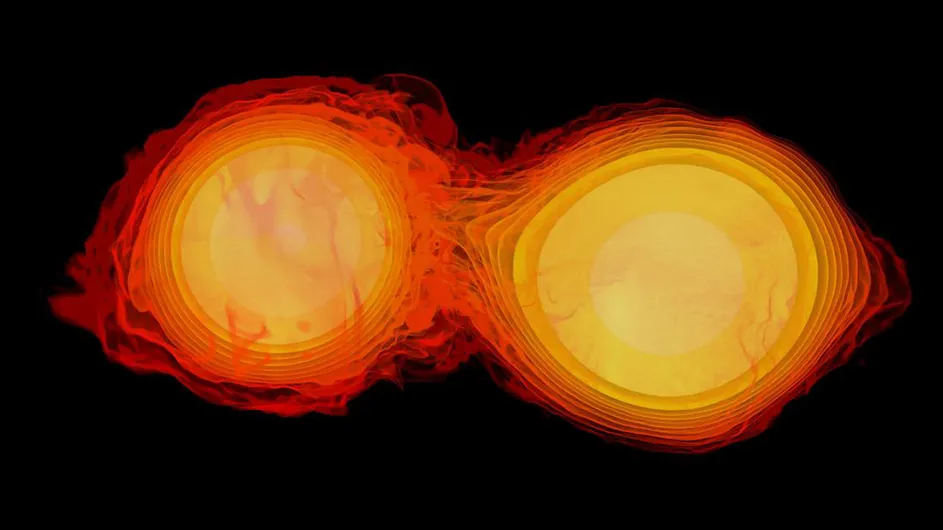
Physicists have identified a process called “gravitational reconnection” that could transfer energy from gravity into matter.

More than 2,500 visitors explored hands-on activities, lectures and installations at Lamont's campus on Saturday, October 17.

An ancient and once-vast ice sheet had started growing again, but by the 1960s, global warming stopped it.
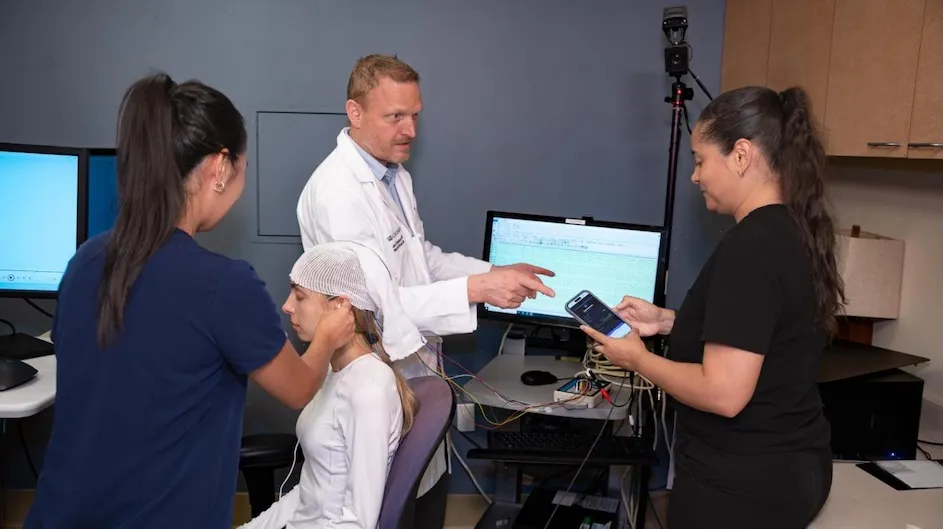
Unresponsive ICU patients in a new Columbia study were able to raise and lower the frequency of a beeping tone with their minds.
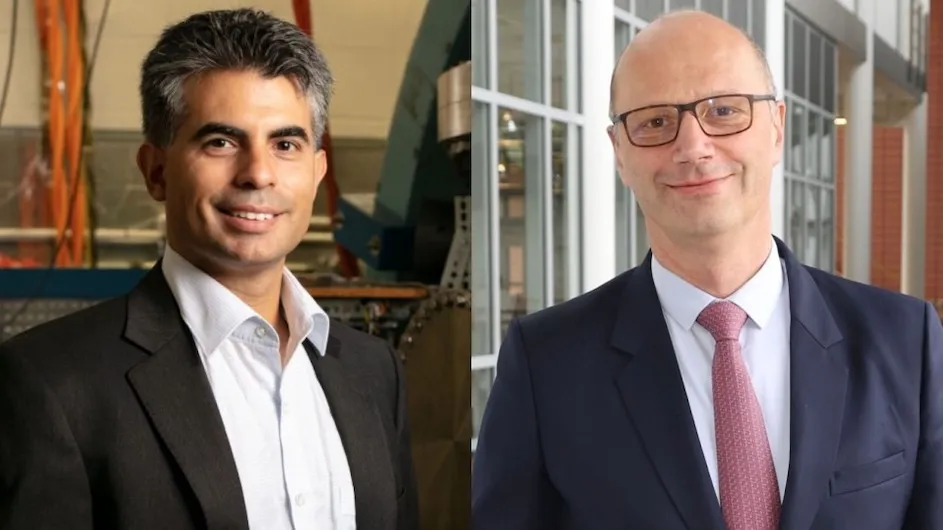
The center will address key scientific and technological questions on the path toward a fusion power plant.
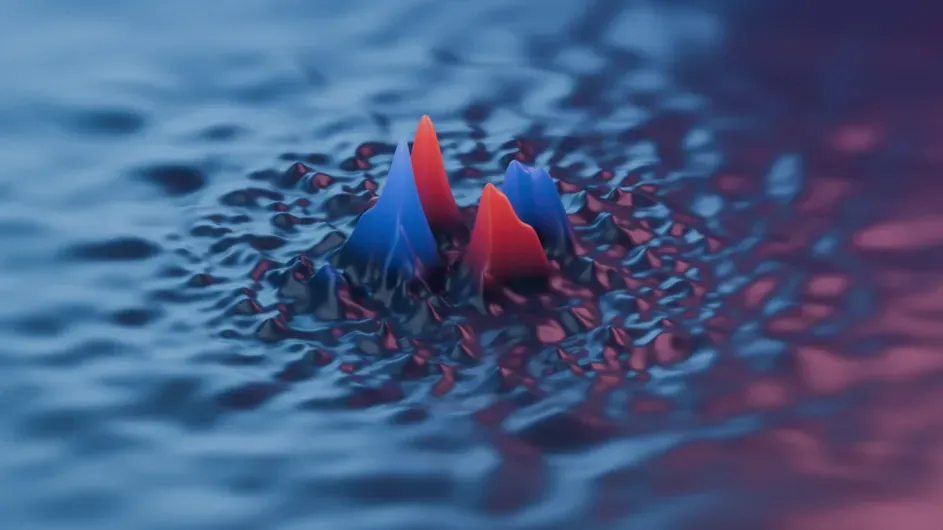
Electrons should move freely in metals. New research from Columbia identifies how to trap them in place.

Election to the academy is considered one of the highest honors in the fields of health and medicine.