This page features Columbia faculty, research, and news related to national and global affairs topics.
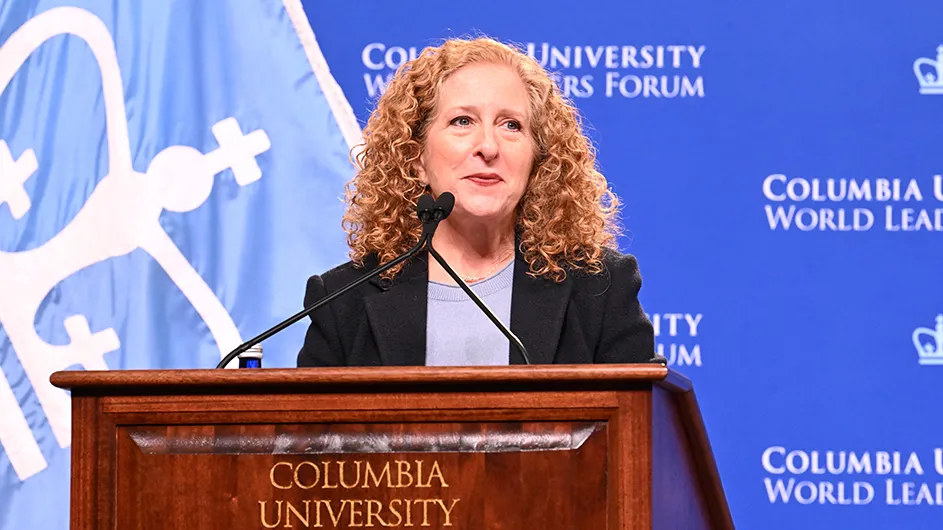
While the General Assembly met across town at the United Nations and Climate Week events got underway in New York City, world leaders came to Morningside campus o meet with students, faculty, and staff as part of the Univerity’s World Leaders Forum. Started more than two decades ago, the World Leaders Forum invites heads of state and of major global organizations to engage with the Columbia community on the most pressing issues of the day.
In the News
Forbes
September 30, 2026
Bloomberg News
September 20, 2026
Forbes
September 19, 2026
Recent News
As the United Nations General Assembly and Climate Week got underway last week in New York City, students discussed issues facing our world with visitors from around the globe.
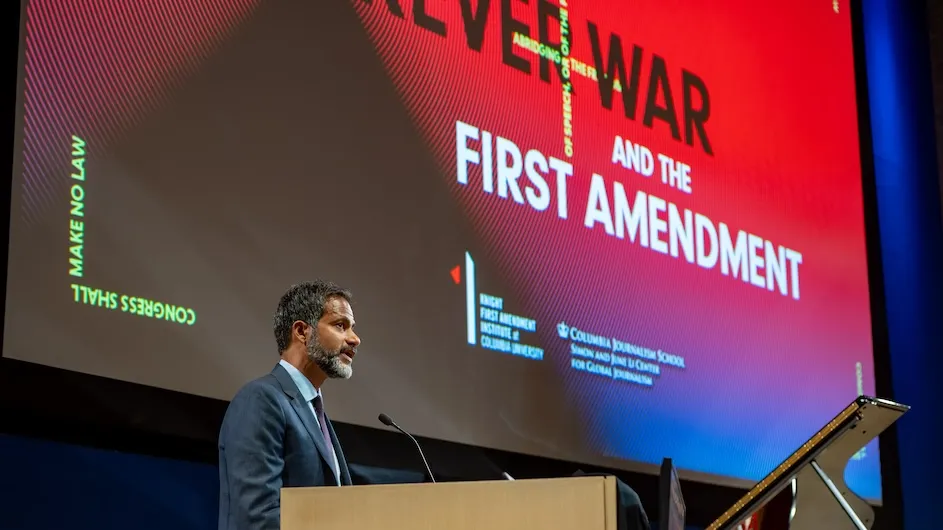
The two-day event brought together journalists, scholars, lawyers, and activists to examine how the War on Terror transformed government power, the courts, the press, and democratic culture.

Four years after introducing the “urban doom loop,” researchers revisit the office market, and find many of their boldest predictions are coming true.

True vintage products are moderately aged, iconic, and scarce, according to new research from Columbia Business School that defines vintage style.
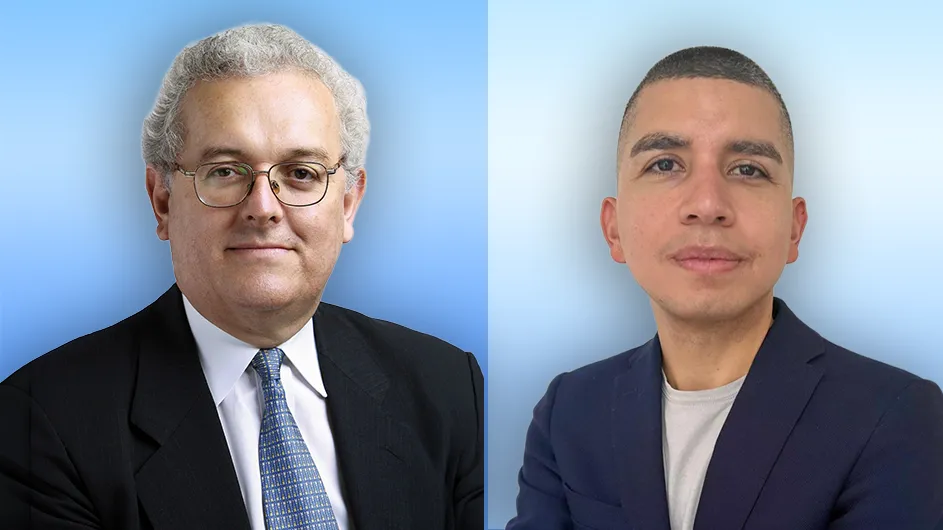
A new book co-written by Columbia SIPA professors answers that and other questions.
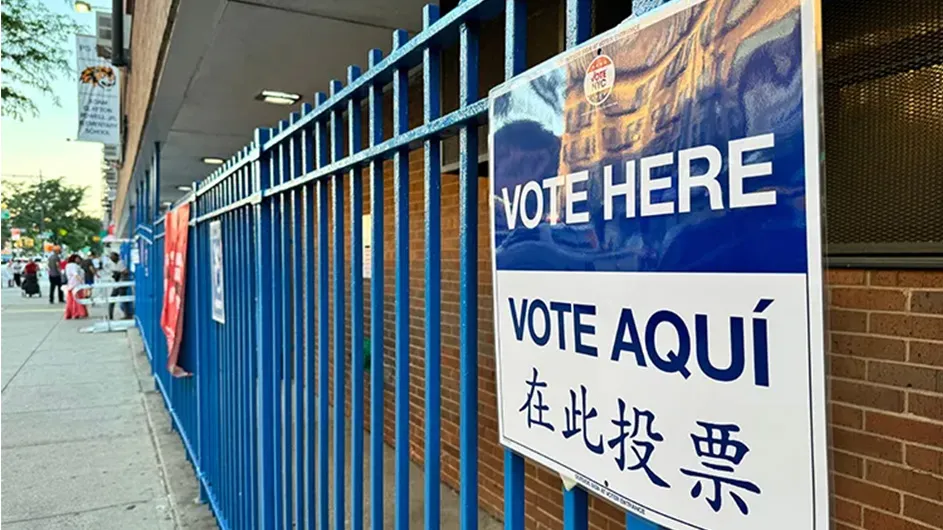
The June 23 primary will feature ranked-choice voting for local, city, and statewide offices.

At Columbia Business School’s Global Football Forum, leaders from across the soccer community examined how the World Cup can translate the sport’s commercial growth into lasting impact.
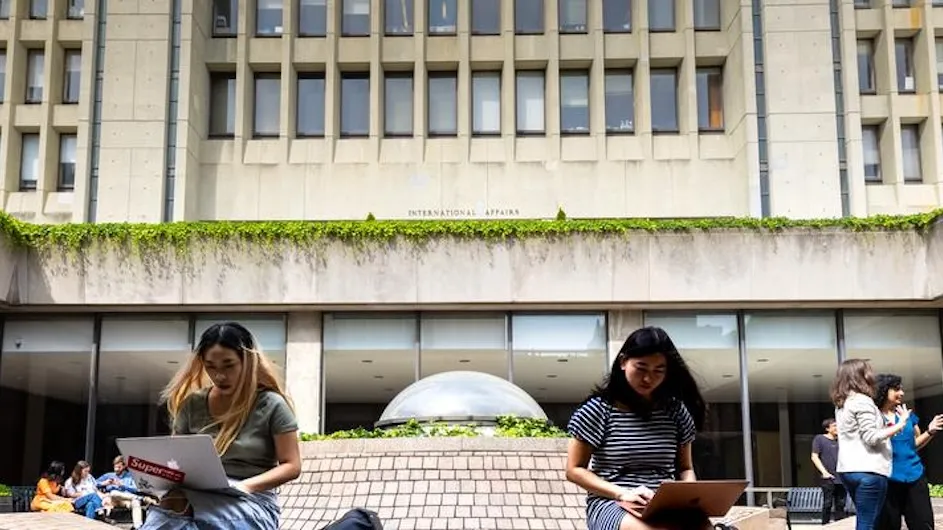
Columbia SIPA’s Institute of Global Politics and Rice University’s Baker Institute for Public Policy announce new task force on the future of foreign assistance.

Columbia University’s Knight Institute brought together experts to examine whether middleware can reshape control over online speech and the digital public sphere.
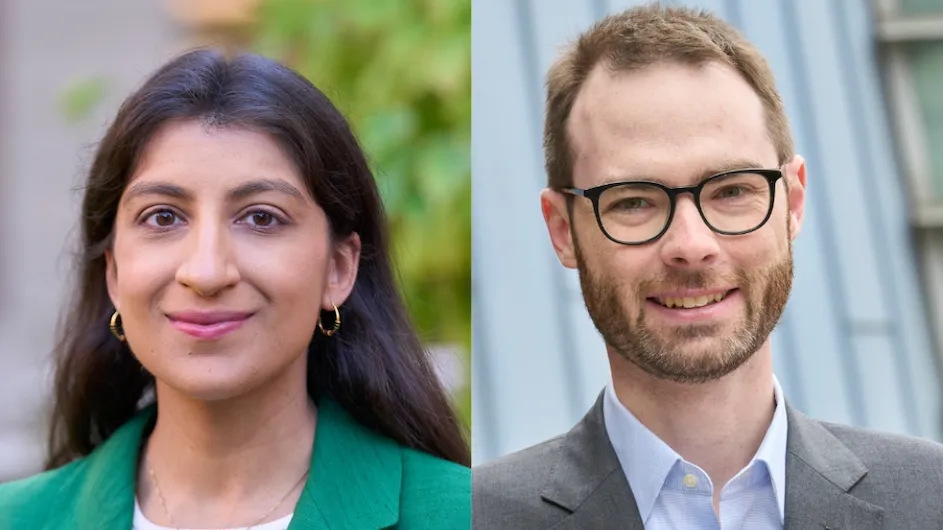
The center will connect students, scholars, and policymakers to study how law structures economic power in America.
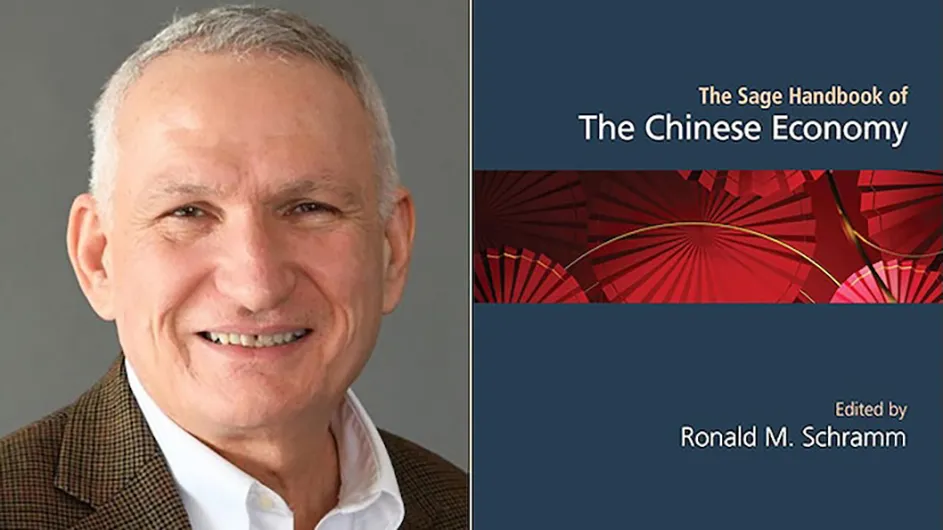
Ronald Schramm covers everything from housing to technological innovation, financial markets, and the workforce.
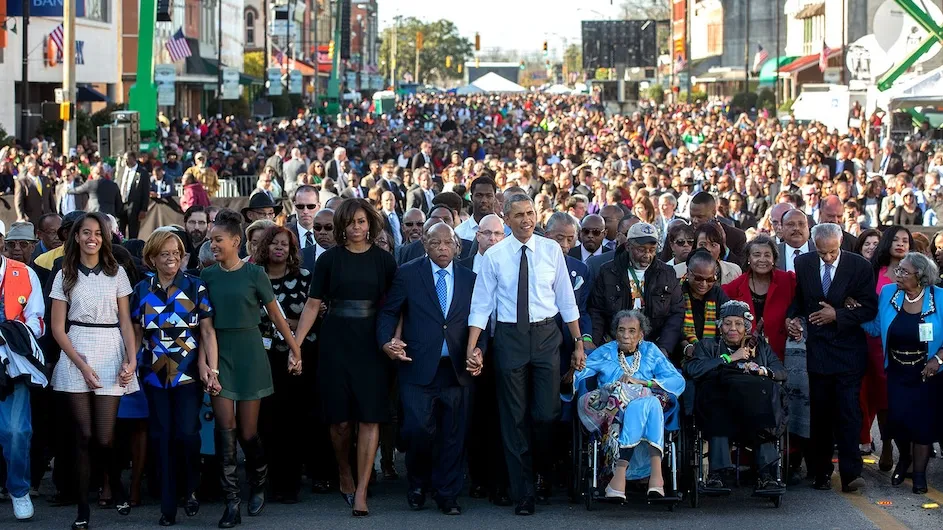
Columbia University’s Incite Institute offers more than 450 perspectives from the Obama White House and beyond.