A Novel About an Iraq War Veteran Set in Upstate New York
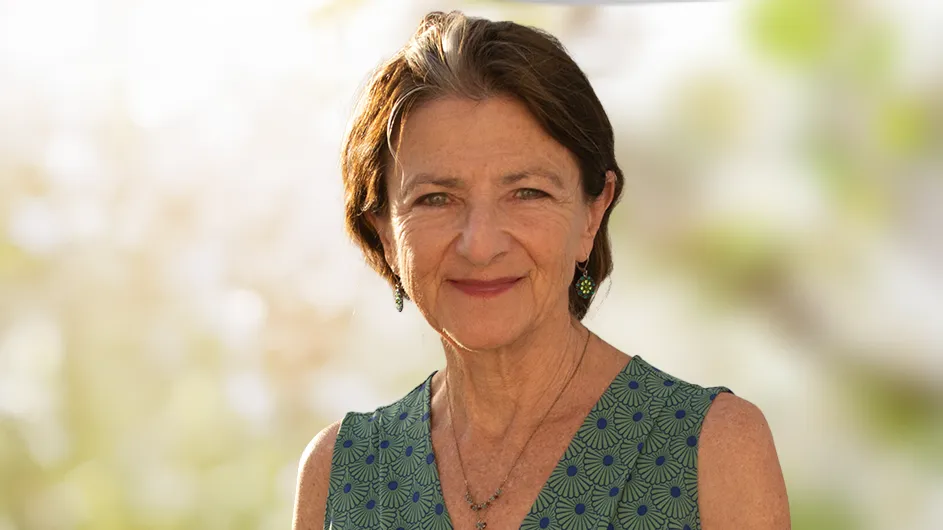
In her latest book, Professor Helen Benedict continues her focus on refugees and the cruelty of war.
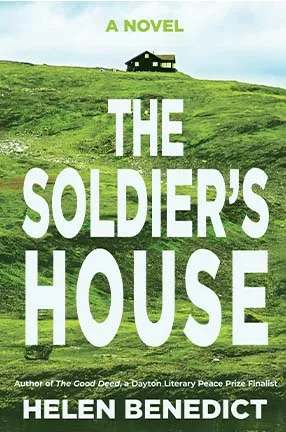
In The Soldier’s House, Journalism Professor Helen Benedict tells the story of an Iraq War veteran who saves the lives of his assassinated Iraqi interpreter’s widow, child, and mother by bringing them to his upstate New York home. For the soldier, this is a way of making amends, but the widow finds being rescued by the enemy both humiliating and compromising. The novel examines whether redemption and forgiveness are even possible in the wake of war.
What was the impetus for this novel?
The impetus for The Soldier’s House, which is set in 2010 during the second American war against Iraq, came out of the years I spent interviewing both U.S. veterans of that war, in particular women, and Iraqi refugees who had settled in upstate New York. From this research, I initially wrote a nonfiction book, The Lonely Soldier: The Private War of Women Serving in Iraq, yet I felt that I hadn’t penetrated deeply enough into the hearts of those who live through war, whether as invaders or the invaded.
I wanted to reach a level of depth where I could convey the cruelty of war with true honesty, shucking aside the myths of war as glamorous and noble. But I also wanted to avoid endangering or exploiting real people. So I used all I had learned about the long reach of war into our lives and hearts to write this novel.
What was your path to writing about refugees, social injustice, violence against women, and the effects of war on civilians and soldiers in your fiction and nonfiction?
I have always been drawn to write about the bullied, oppressed, and marginalized. I believe this interest partly came from spending some of my childhood in the then very poor islands of Mauritius and the Seychelles, British colonies at the time, with my anthropologist parents, where I witnessed a lot of suffering. Later, I was also inspired by the civil rights and Black Panther movements when I moved from the U.K. to the U.S. in the late 1960s, and by the women’s movement while I was in college in the 1970s.
I was particularly affected by a week I spent working in a prison for teenage girls in England, 80 percent of whom had been raped by relatives. The fact that those girls were the ones being punished outraged me so much that, 12 years later, I wrote my first novel about that prison. I went into journalism precisely because I wanted to cover these sorts of social injustices. Then, after 9/11 and the rise of Islamophobia, and when we invaded Iraq for no reason, I felt more driven than ever to write about the cruelty of oppression.
Summer plans?
I’ll be going to three artist residencies to write this summer and early fall, before I begin teaching: the Virginia Center for the Creative Arts; the Blue Mountain Center in New York; and Reid Hall, the Columbia affiliate in Paris, where I have received a visiting faculty fellowship.
What are you working on now?
A novel set in post-World War II Paris and London, about love, betrayal, class, and the complicated relationship between stories, memory, and truth.
What will you teach in the fall?
My usual course, Writing Social Justice With Style. It’s a course that helps students tell stories about social justice in ways that will capture readers and, I hope, make them care.