This page is dedicated to stories about Columbia's campus and community. From student, staff, and faculty profiles to interesting events happening on campus and in our surrounding neighborhoods, here is where you can find the latest about what's happening on and around Columbia's campuses.
Story Highlight
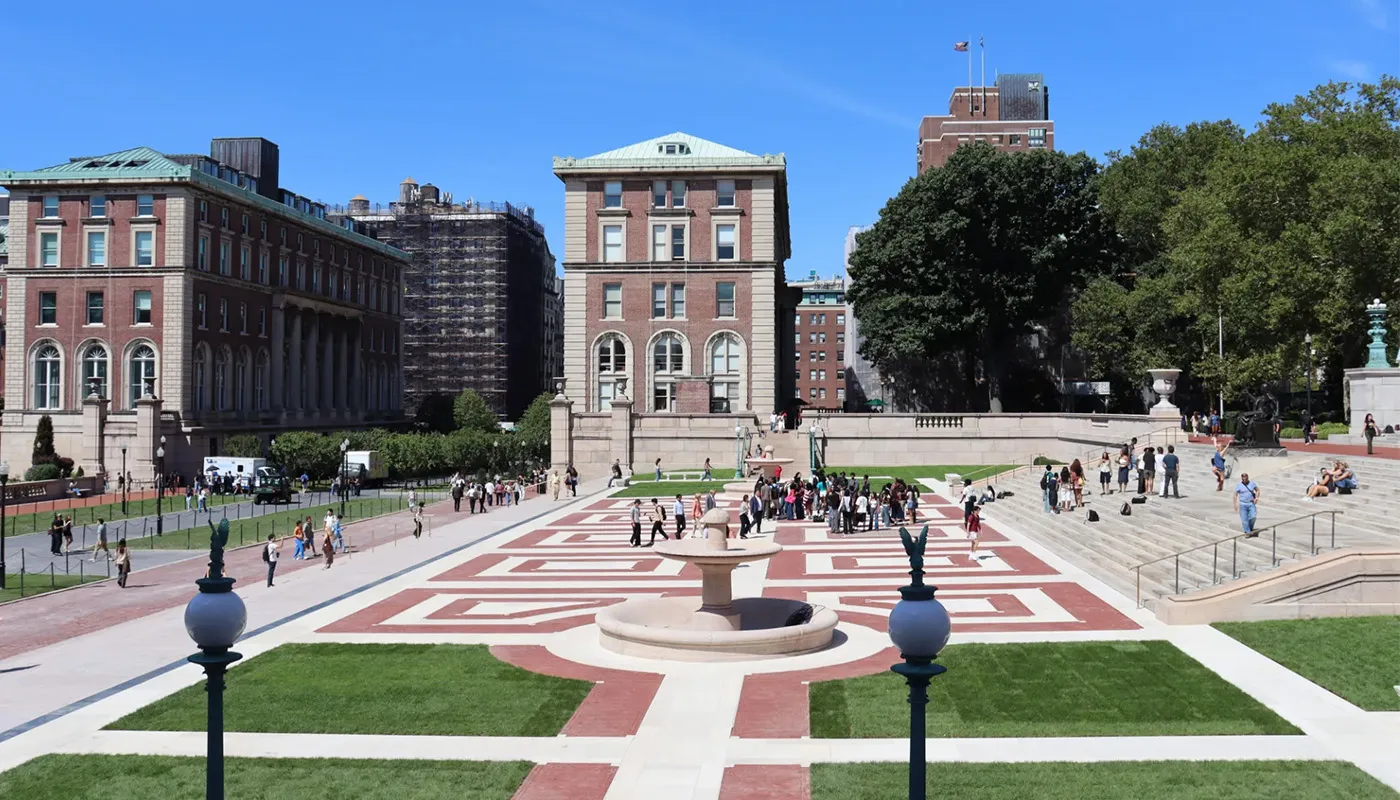
Columbia University Facilities and Operations completed a comprehensive renovation and historic restoration of Low Plaza and the granite steps connecting College Walk to the plaza, helping to ensure that one of the University’s most recognizable and heavily used campus spaces can be used and enjoyed for decades to come. The project is Low Plaza’s first major, holistic renovation since its construction circa 1897.
Originally known as South Court, Low Plaza was designed by architect Charles Follen McKim as part of McKim, Mead and White's 1894 master plan for Columbia’s Morningside campus. The plaza was constructed using dark red Catskill brick in herringbone and running bond patterns and Joliet limestone to emulate the colors seen in surrounding academic buildings, linking the plaza's design to the rest of the campus.
The renovation addressed deterioration of the plaza’s walking surface, strengthened the substrate below the plaza to better withstand the significant loads and stress the plaza endures, and substantially modernized the plaza infrastructure. Improvements include a new drainage system; new and upgraded electrical service to better support major events and activities; and new lighting infrastructure, including adjustable lighting in the fountains and along the plaza.
In addition, the granite steps leading from College Walk to the plaza were replaced with the same Stoney Creek granite that was used during original construction to address damage incurred over time, natural wear and tear, and uneven settling.
Photo of the Week

COLUMBIA HISTORY

Columbia started classes in the new Morningside Heights campus in October 1897. On this brand new campus, the engineering students finally had ample classroom and laboratory space in their two new buildings: the School of Mines (now Lewisohn) and the School of Engineering (now Mathematics). But did you know that there used to be a full-size locomotive engine underneath Havemeyer Hall?


KEEP UP WITH THE LATEST
Did you know we have a biweekly newsletter filled with Campus & Community content you might not find anywhere else, delivered straight to your inbox?
Find the most recent editions here. And make sure you subscribe to receive the newsletter in your inbox every other Wednesday.
Out and About
More Stories
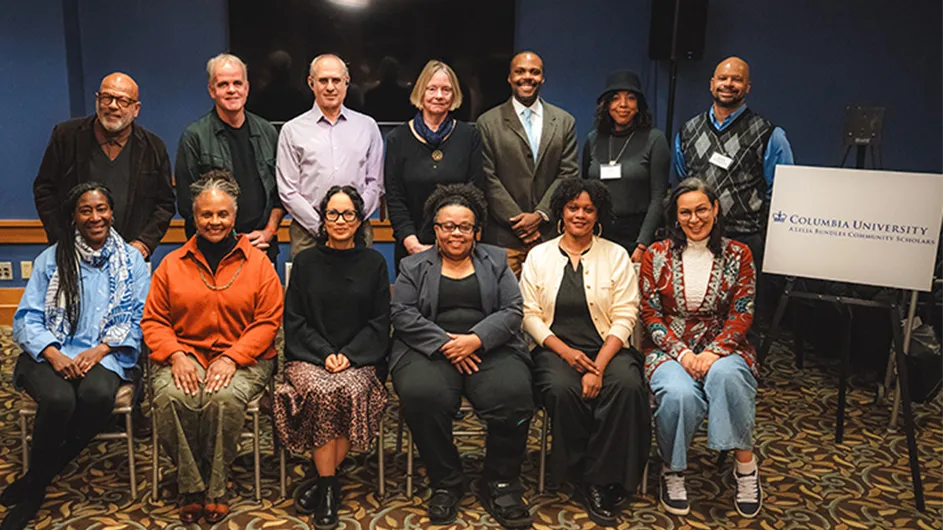
On Oct. 28, Bundles Scholars alumni and members of the newest cohort came together on the Morningside Campus.

He’s already making a name for himself both on campus and off.
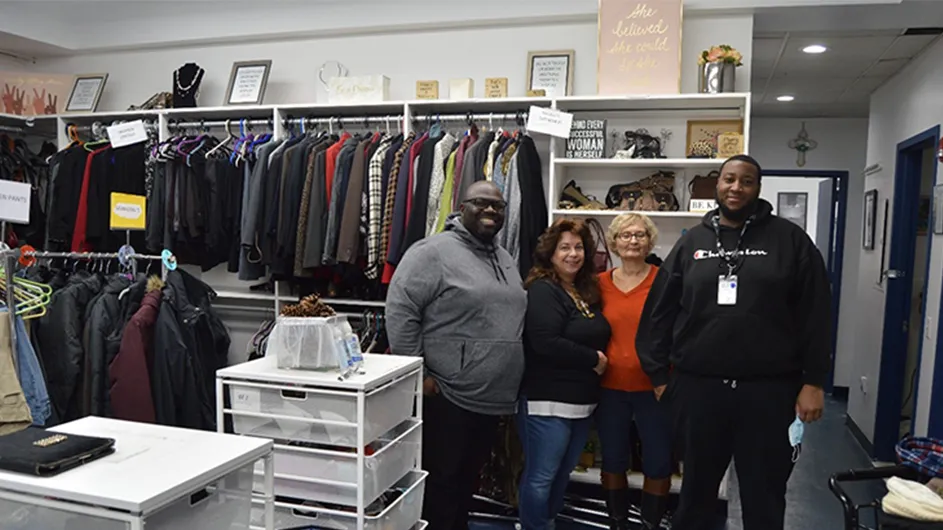
Supported by Columbia Community Service through yearly grants and clothing donations, the program runs a soup kitchen, full-service pantry, and clothing closet that meets urgent need across Harlem and Morningside Heights.

From ‘Genius Grants’ to cardboard boat regattas, Columbians are making waves in their fields. Test your knowledge of the latest news stories across the University!
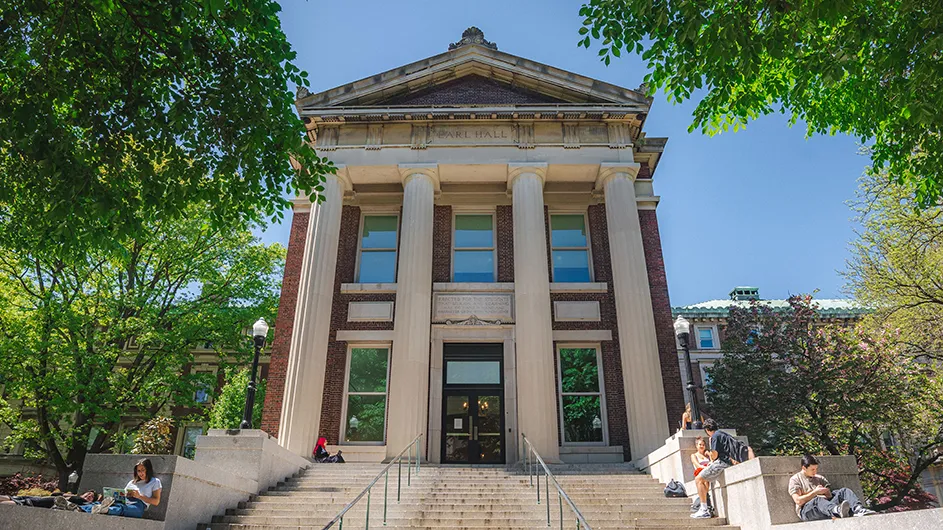
Columbia University and the Office of Religious Life are here to help.
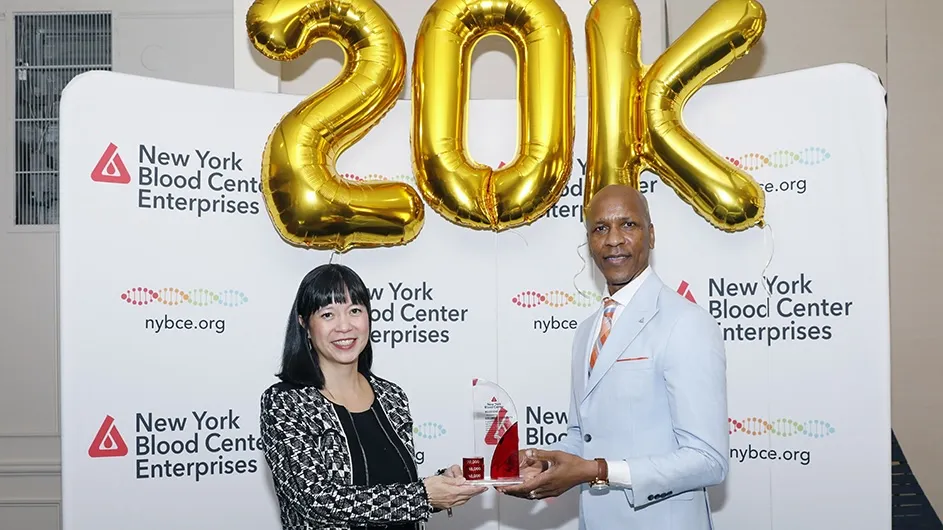
The University has hosted blood drives for the center for more than 30 years.
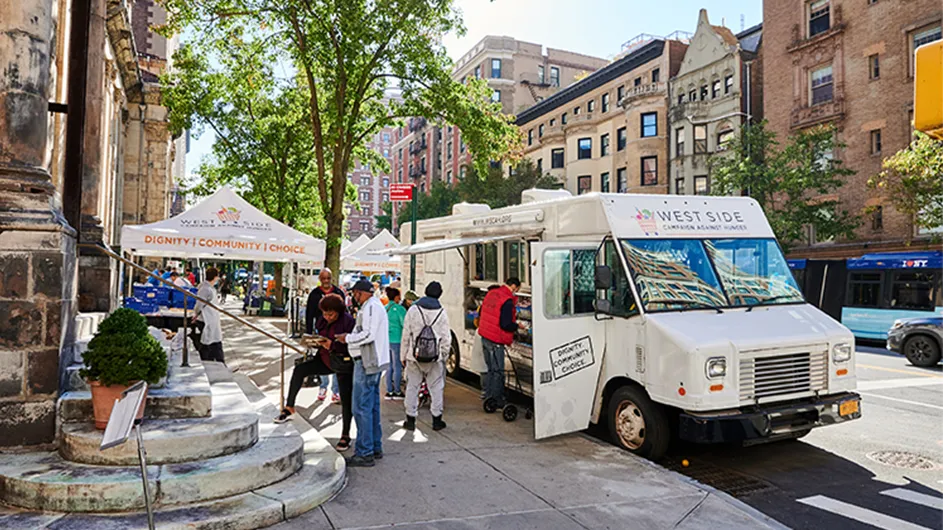
Since 2019, Columbia Community Service has provided $74,000 in grants to WSCAH to combat food insecurity. Today, the need is greater than ever before.
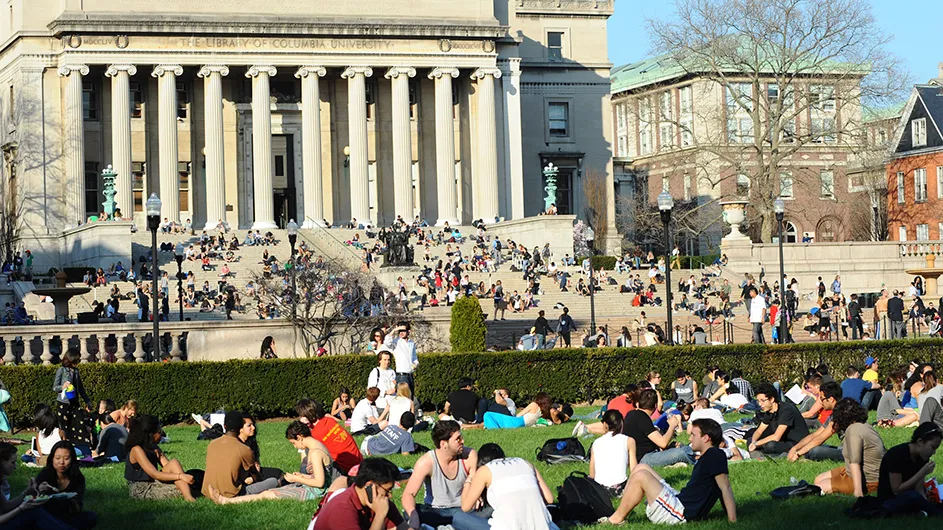
From athletics to entertainment and brain research, Columbians are making major strides in their fields. Test your knowledge of the latest news stories across the University!
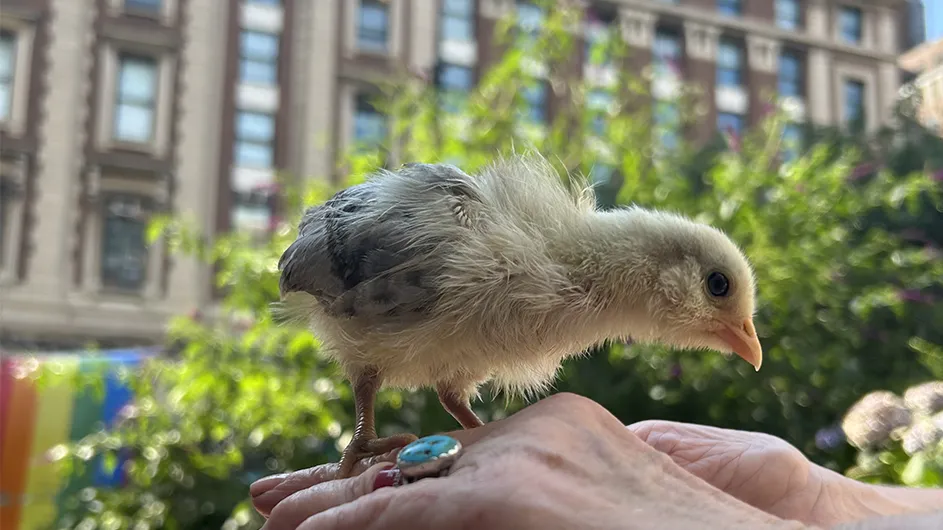
Nestled across the street from Schermerhorn Extension next to the old Croton Aqueduct Gate House, the garden has become a source of community and creativity for this Columbia staffer.
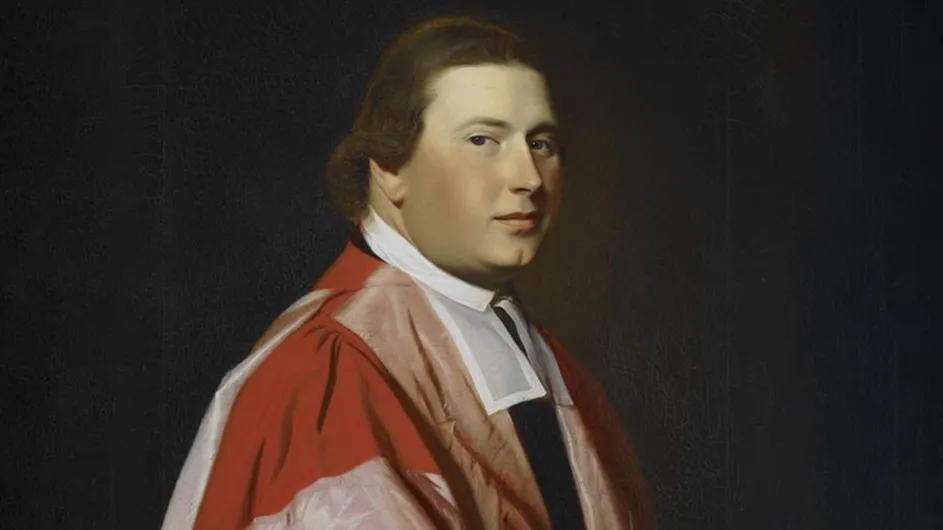
It's John William Livingston’s 1775 AB diploma, which gives some insights into the busy days at Columbia College in May of that year.
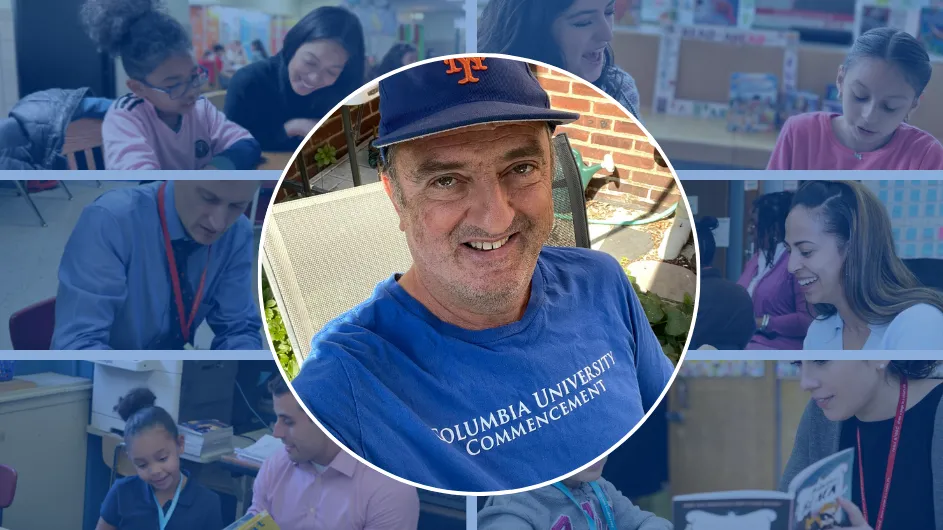
More than 100 Columbians have volunteered yearly with the Read Ahead Mentoring Program—one staffer and recent volunteer shares his experience.
In Vera, or Faith, the School of the Arts writing professor portrays a crumbling modern American family.