This page is dedicated to stories about Columbia's campus and community. From student, staff, and faculty profiles to interesting events happening on campus and in our surrounding neighborhoods, here is where you can find the latest about what's happening on and around Columbia's campuses.
Story Highlight
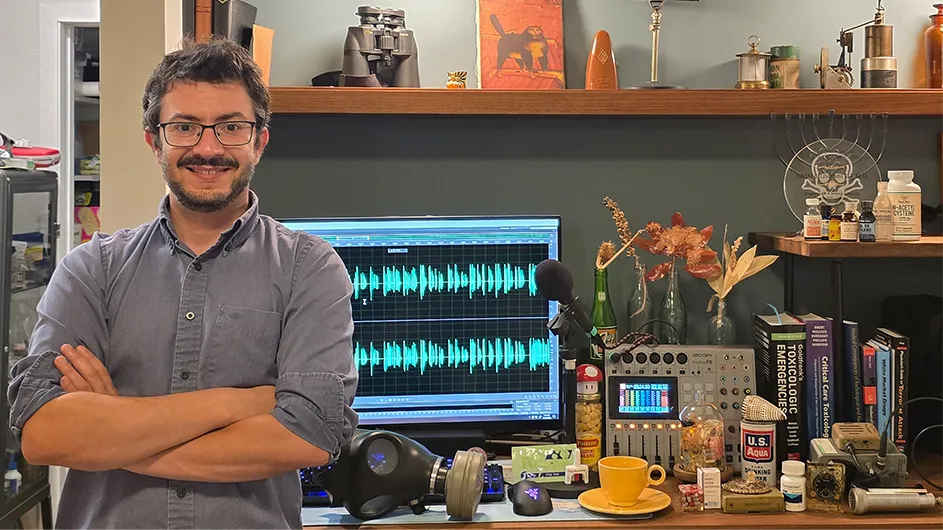
It’s a perfect fall day in New York City: the air is crisp, the leaves are crunching, and a variety of wild plants are giving it their last go with a final explosion of color before season’s end. But as Adam Blumenberg, Associate Professor of Emergency Medicine at Columbia University Irving Medical Center (CUIMC), will tell you, some of those plants deserve a second look before taking them home.
Pokeweed, with its purple berries, can cause gastrointestinal distress. Jimson weed, with its spiky seed pods and white flowers, can cause severe delirium. Ginkgo leaves, when ingested in large amounts, can cause seizures.
Blumenberg is an emergency physician and board-certified medical toxicologist at CUIMC, where he cares for patients who have been poisoned and teaches the next generation of doctors. He also happens to make two podcasts about poison. We’d say this makes him a pretty good person to interview in this mysterious season.
COLUMBIA HISTORY

Columbia started classes in the new Morningside Heights campus in October 1897. On this brand new campus, the engineering students finally had ample classroom and laboratory space in their two new buildings: the School of Mines (now Lewisohn) and the School of Engineering (now Mathematics). But did you know that there used to be a full-size locomotive engine underneath Havemeyer Hall?


KEEP UP WITH THE LATEST
Did you know we have a biweekly newsletter filled with Campus & Community content you might not find anywhere else, delivered straight to your inbox?
Find the most recent editions here. And make sure you subscribe to receive the newsletter in your inbox every other Wednesday.
Out and About
More Stories
Graduate Scholarships for Elementary School Teachers are awarded to current or future educators within Manhattan Community District 9.
The new series will celebrate the scholarship, research, teaching, public impact, and service that define Columbia University.
Professor Adam Blumenberg, a board-certified medical toxicologist and emergency physician, knows a thing or two about poisons. So much so, he made not one, but two podcasts about them.
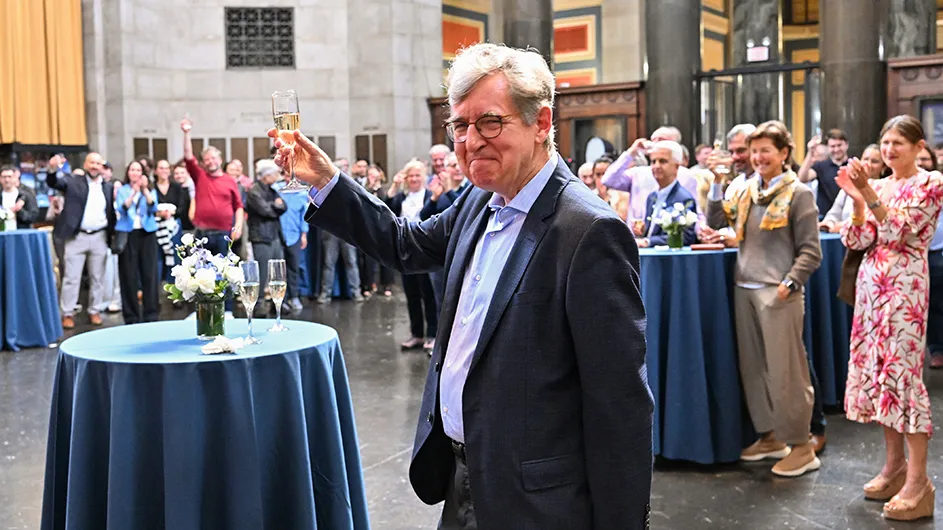
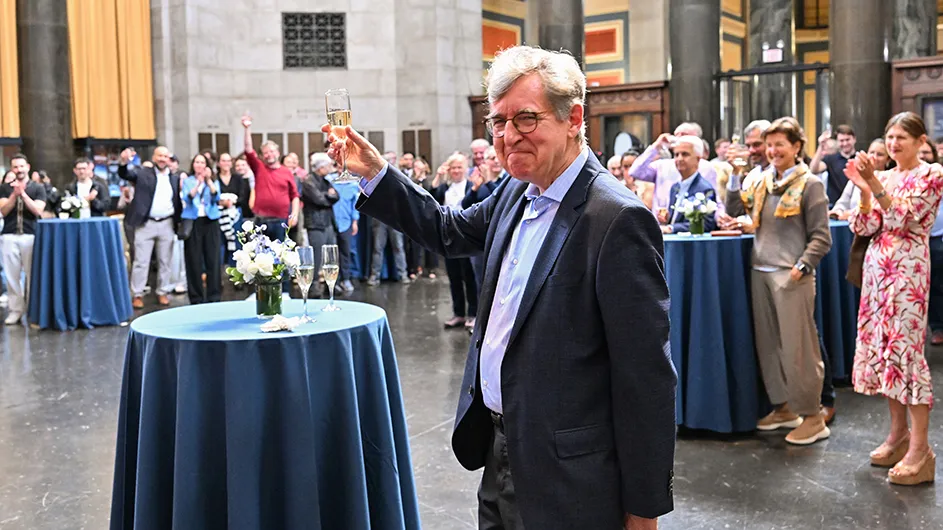
“Columbia is the kind of place where we are allowed to try ambitious things,” said Woodford at an Oct. 12 reception in Low Library to celebrate his Nobel Prize.
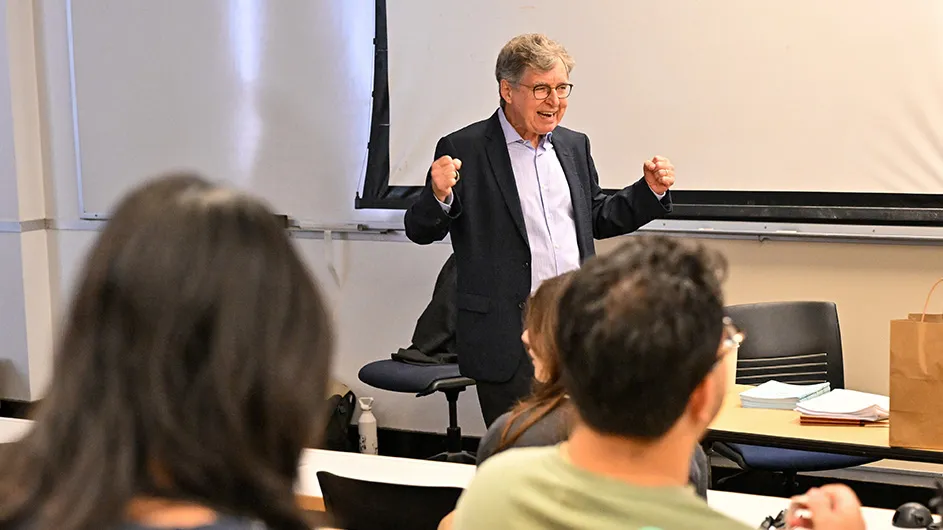
In true professorial fashion, after winning a Nobel, Woodford headed straight to Uris Hall to administer a test in his Cognitive Mechanisms and Economic Behavior course, to cheers and applause from his students.
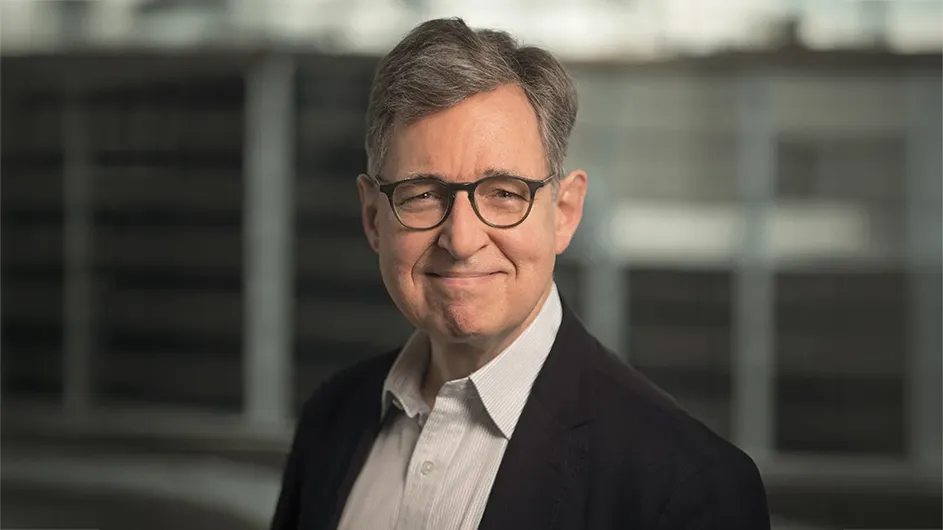
Woodford receives Sveriges Riksbank Prize in Economic Sciences, along with Robert E. Hall of Stanford University, for microeconomic foundations of macroeconomic stabilization.

The full-building renovation of Hartley will transform the historic residence hall with updated rooms, new common spaces, improved accessibility, and infrastructure upgrades.
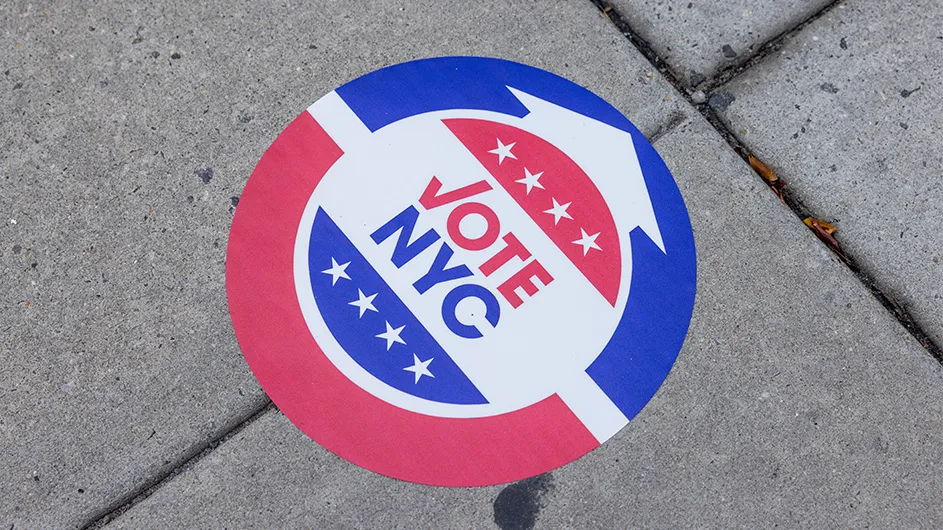
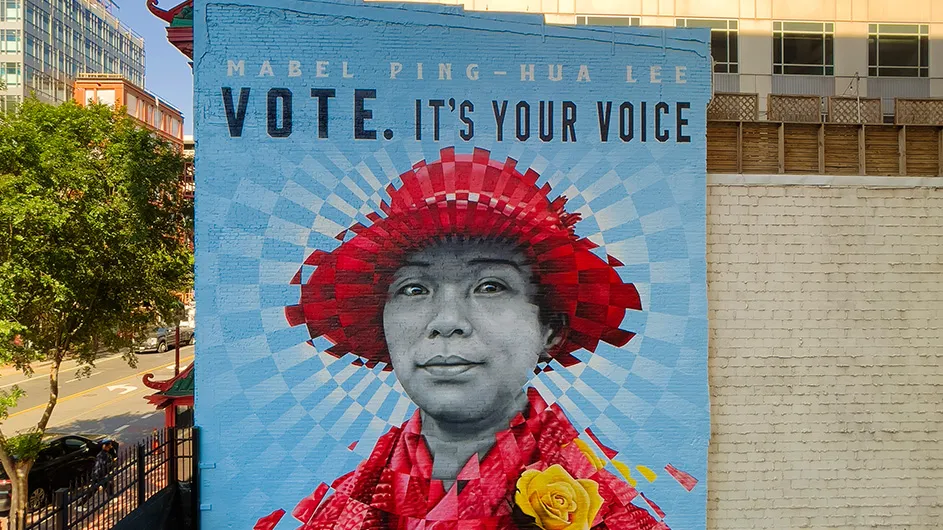
From key dates to local polling locations, dive into this voting resource guide ahead of the Nov. 3 general election.
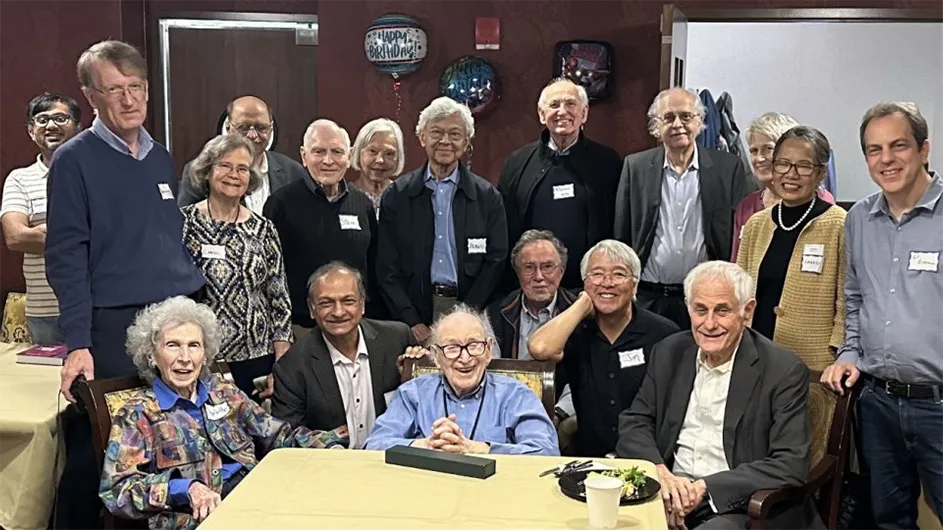
Professor Emeritus Schwartz reflects on a career that stretched from World War II-era radar to computer networks, shaped generations of electrical engineers, and was instrumental in building Columbia’s strength in telecommunications.

This September, Columbians debuted new music, won awards, and welcomed world leaders to campus. Test your knowledge of the latest news stories across the University!
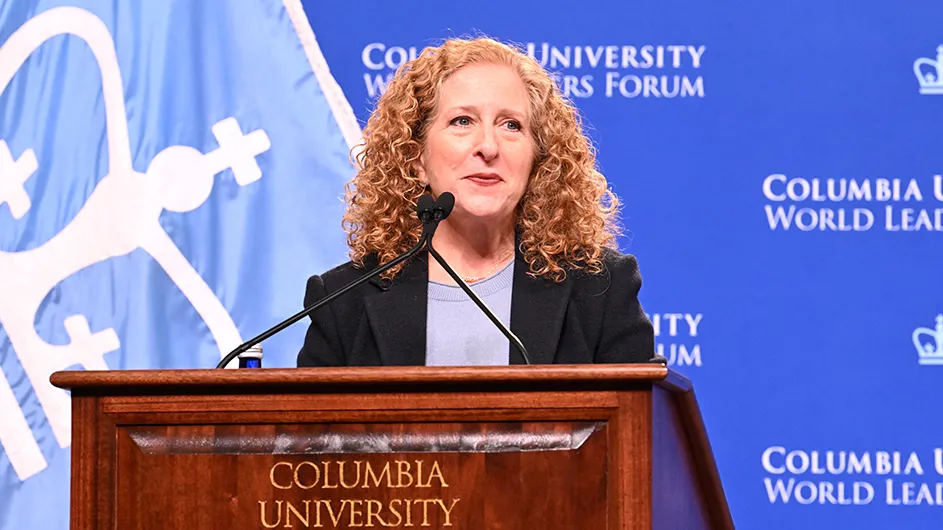
As the United Nations General Assembly and Climate Week got underway last week in New York City, students discussed issues facing our world with visitors from around the globe.
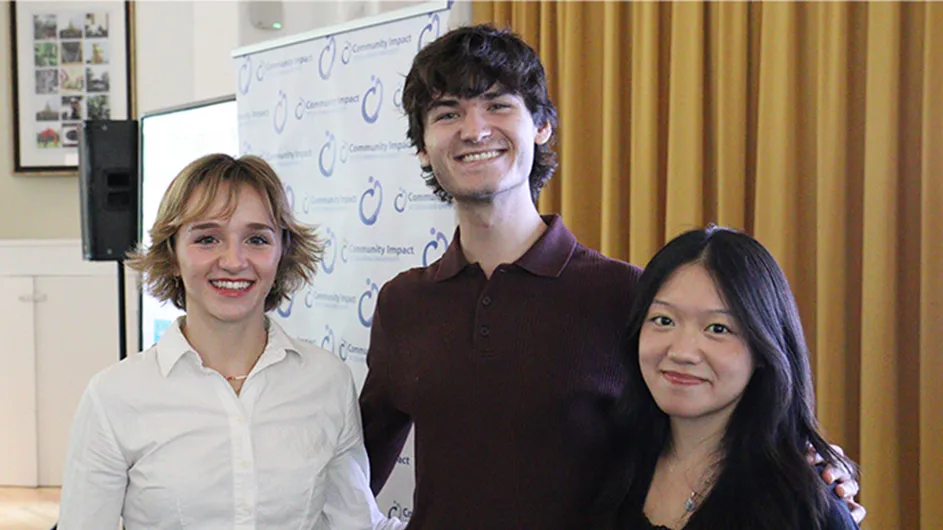
This year, Columbia supported three student fellows who worked with nonprofits providing support for survivors of gender-based violence and advocacy for people incarcerated in federal prisons in New York City.