Recent engineering news from across Columbia.
Columbia University’s Nevis Laboratories have been a hub of particle physics research since the 1950s.
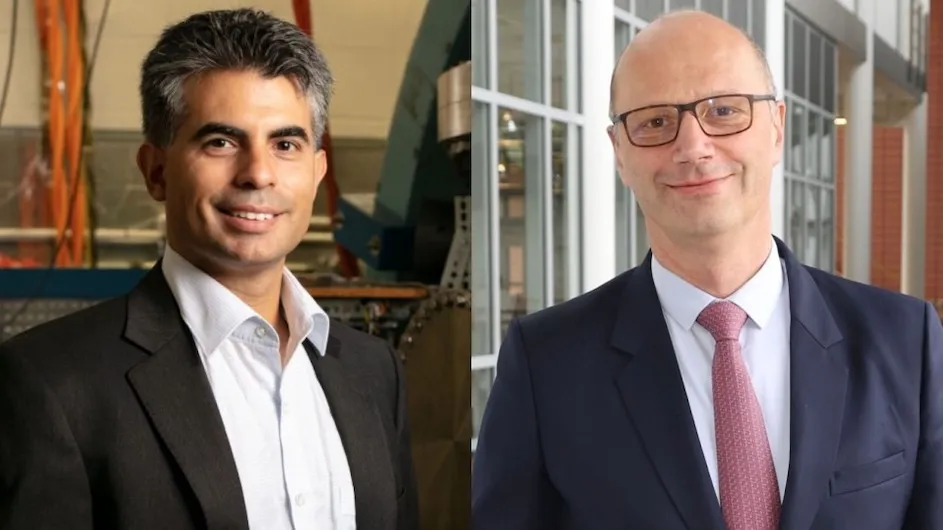
The center will address key scientific and technological questions on the path toward a fusion power plant.
A new study in Nature could pave the way for improved battery performance and design.
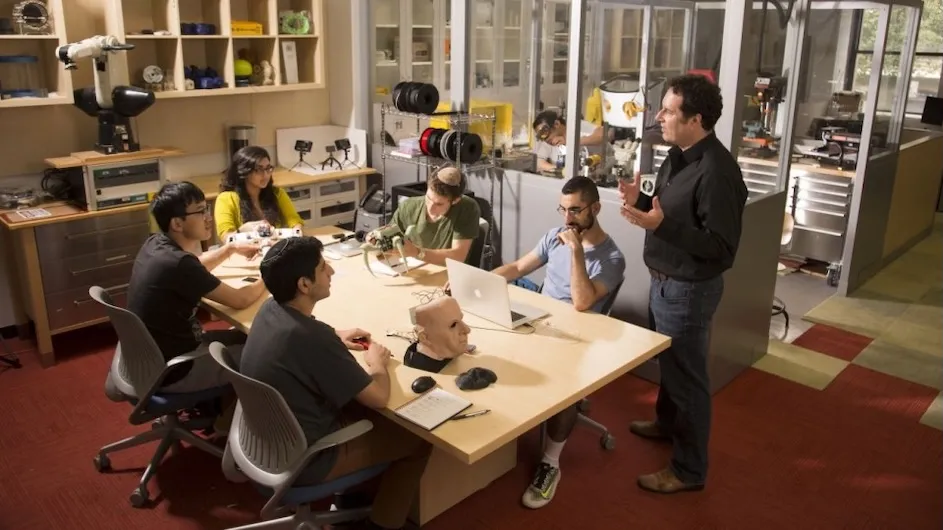
An institute led by universities including Columbia will train emerging talent on how to apply AI to manufacturing.
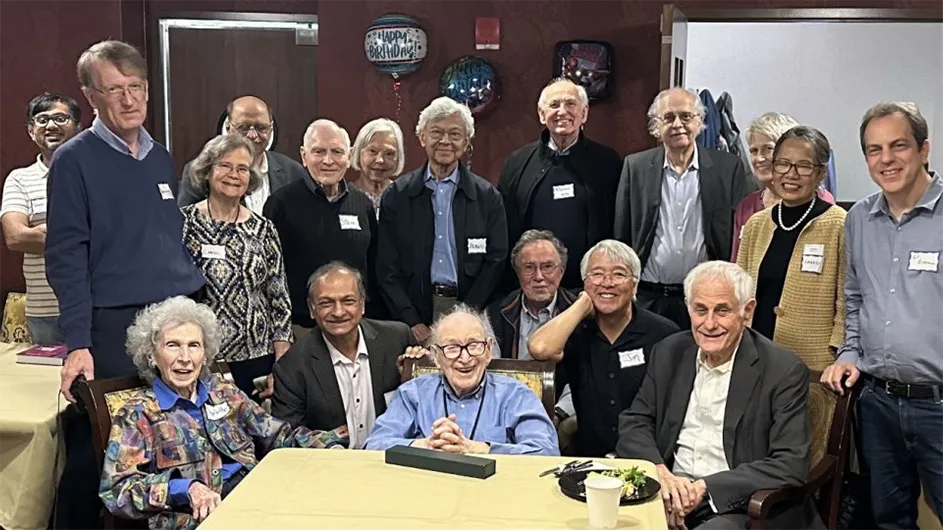
Professor Emeritus Schwartz reflects on a career that stretched from World War II-era radar to computer networks, shaped generations of electrical engineers, and was instrumental in building Columbia’s strength in telecommunications.
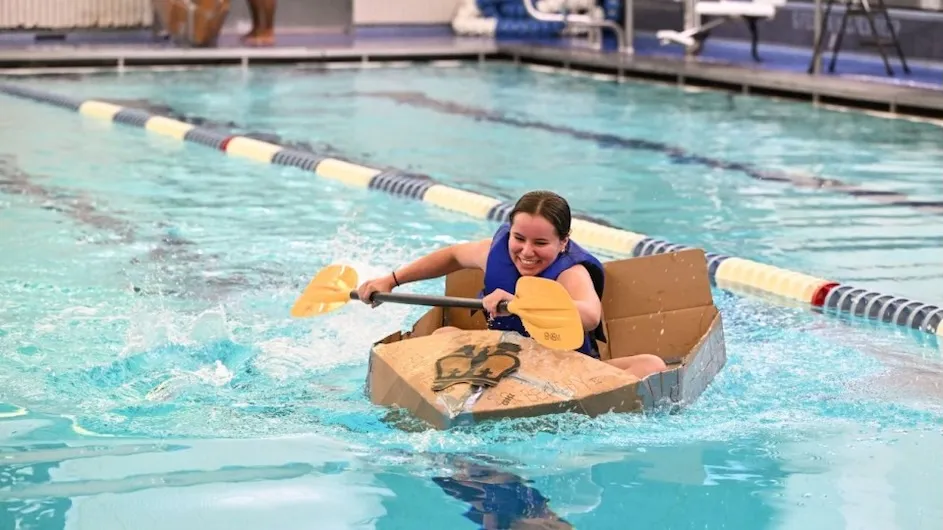
Columbia Engineering students used only cardboard, duct tape, and waterproofing spray to build their buoyant creations.
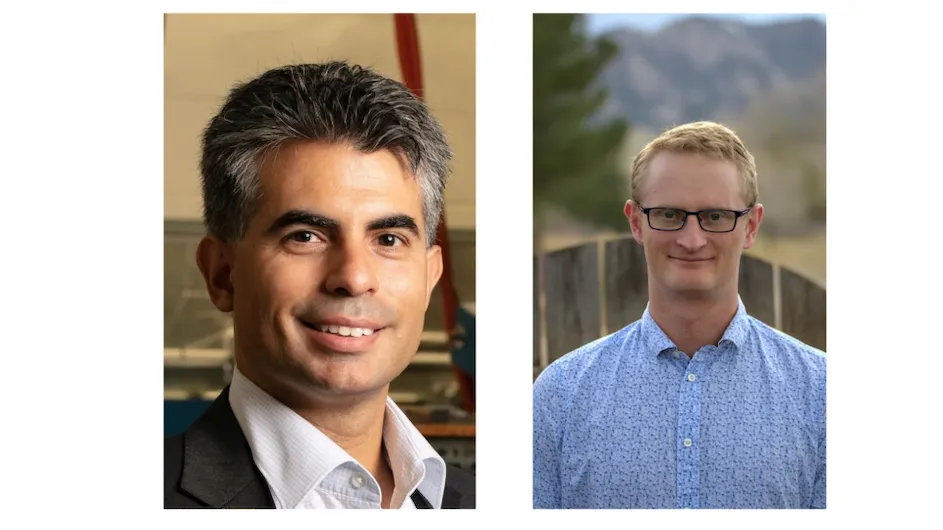
A proposed new approach could reduce the complexity of fusion power plants, researchers say.
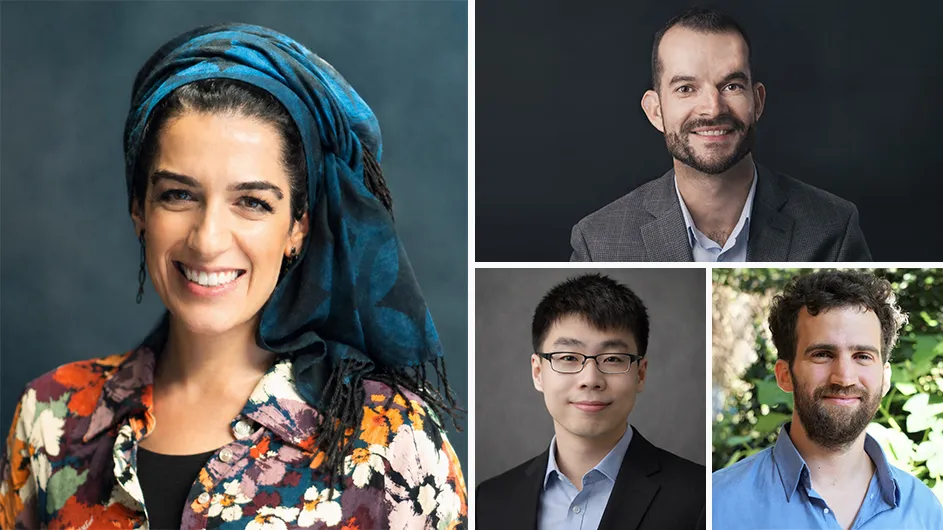
Natalie Fardian-Melamed was recognized for discovering and engineering ultra-sensitive, light-based nanosensors.
Columbia is hosting a range of events during the citywide summit, which takes place September 20-27.
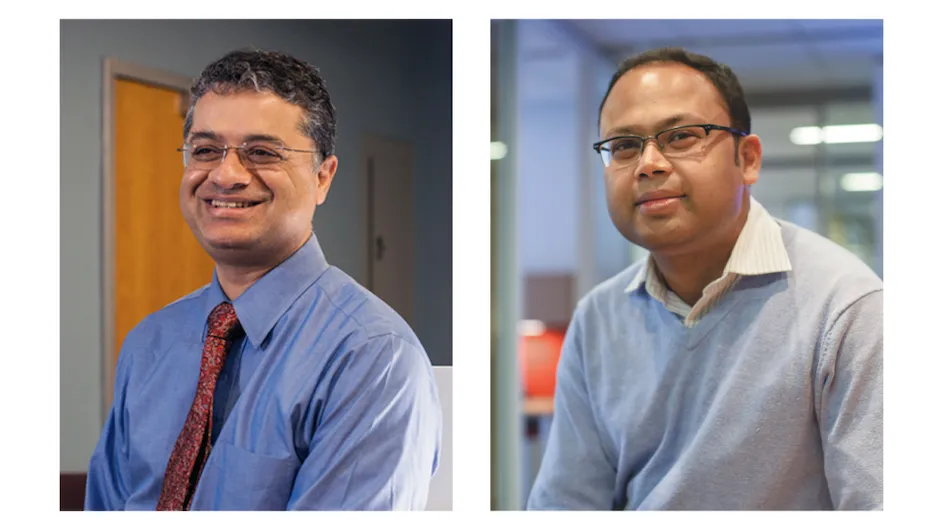
Two Columbia researchers discuss recent AI incidents, and why they think some fears are overblown.
The center will use real-world data and AI to identify how plants and animals build resilience in changing environments.
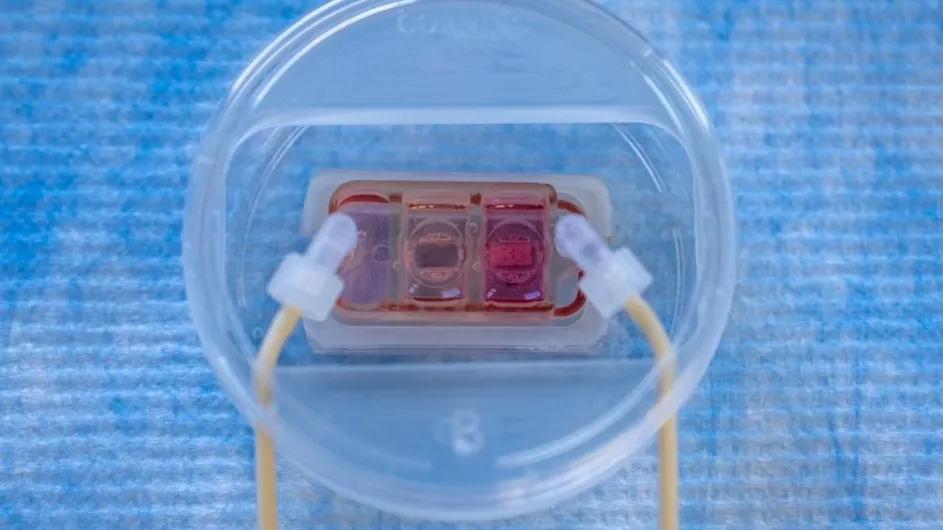
A Columbia team modeled how cancer spreads between organs using lab-grown bone and lung tissues.