Recent engineering news from across Columbia.

Columbia Engineering researchers expand their work from detecting AI-generated text to discovering deepfake videos.

Columbia engineers designed Joey, a lightweight fabric device that helps caregivers monitor their skin contact with newborns.
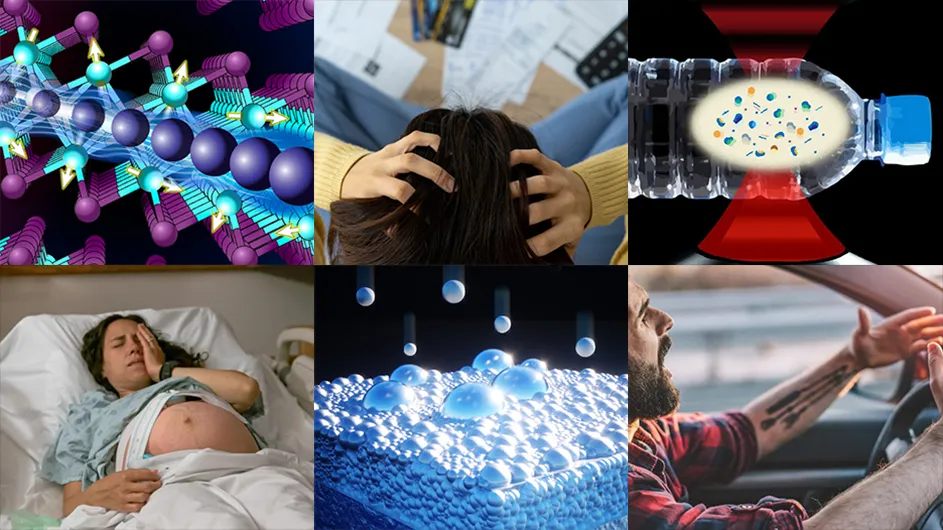
Columbia has had breakthroughs in medicine, neuroscience, AI, and other fields in 2024.

New Columbia research has the potential to accelerate the design of lithium metal batteries to help make them consumer-safe.

A new database offers communities, leaders, and researchers unprecedented access to climate data and cutting-edge models.
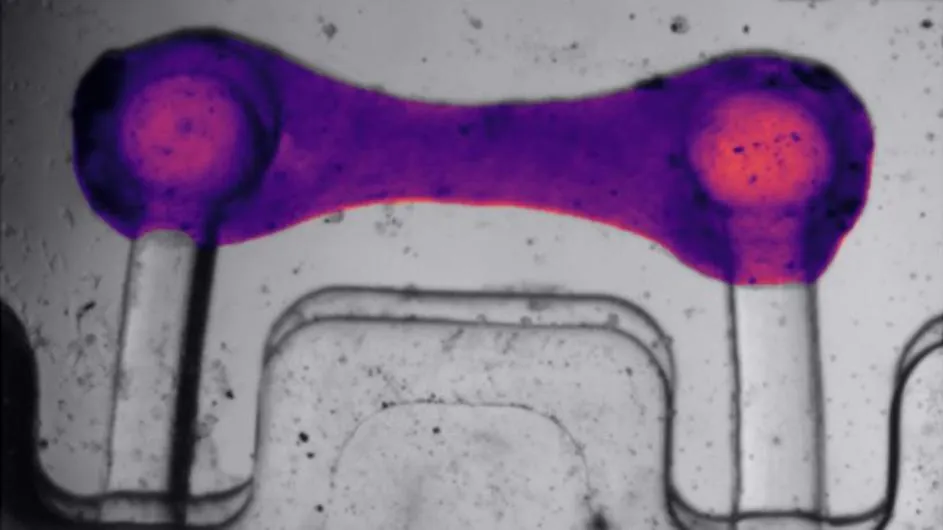
Columbia biomedical engineers unveiled a groundbreaking new AI tool to study and diagnose heart function.
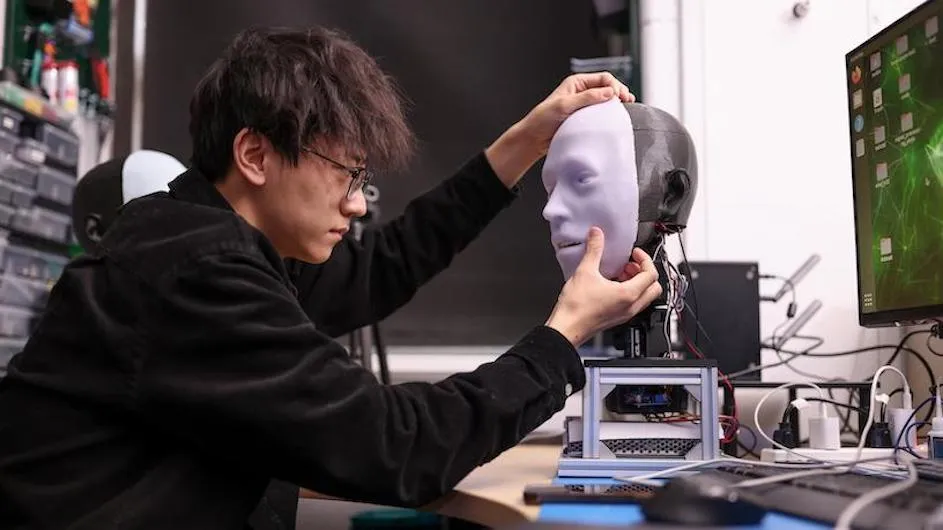
Columbia engineers have built a robot that uses AI to anticipate a person’s smile before they actually smile, a major advance.
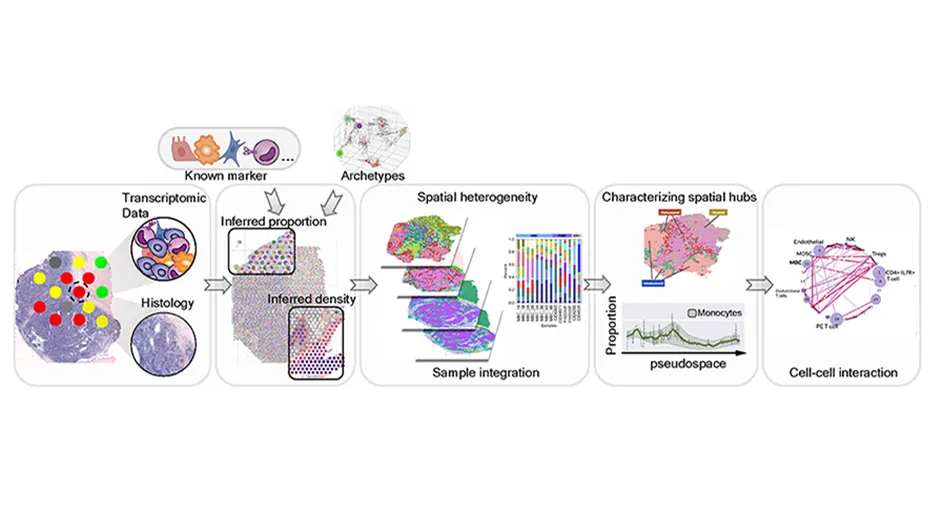
The tool could help scientists fight cancer by improving their understanding of tissue development, function, and disease.
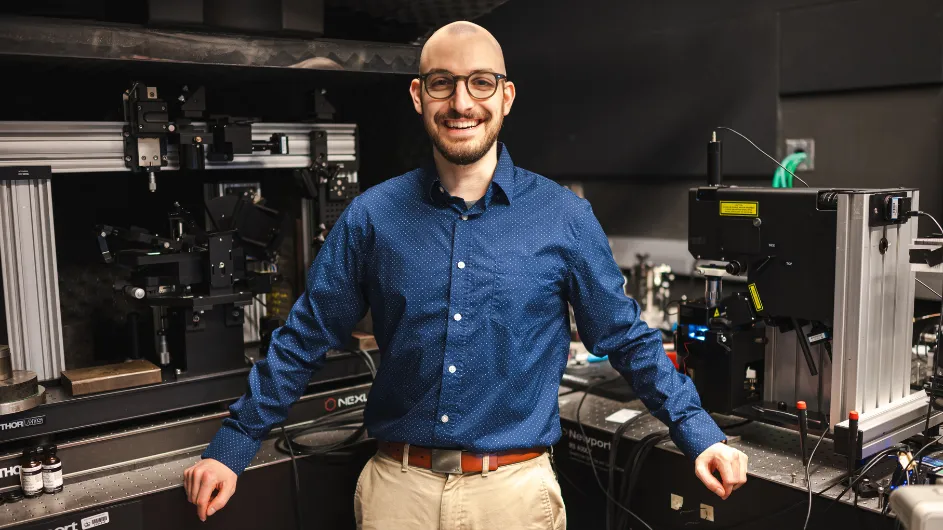
Emanuil Yanev talks about his PhD work modifying 2D materials to push their light-producing limits.

Columbia researchers can now detect AI-generated content without accessing AI's architecture, algorithms, or training data.
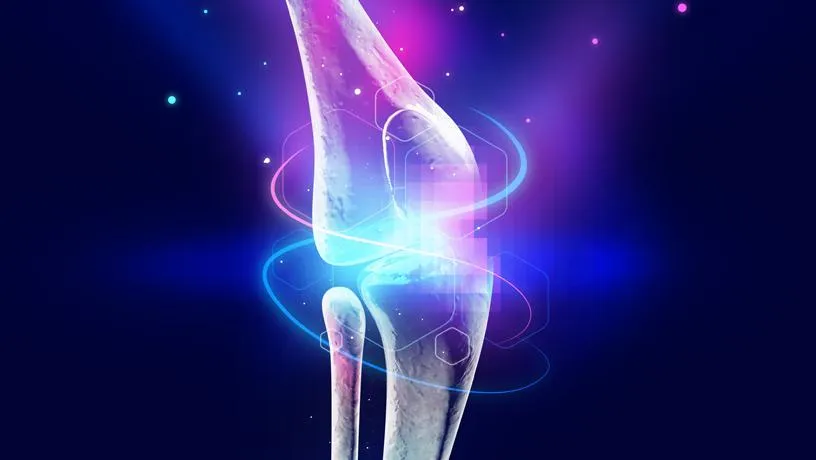
Through an ARPA-H grant, Columbia researchers will aim to build a living replacement knee to be tested within five years.
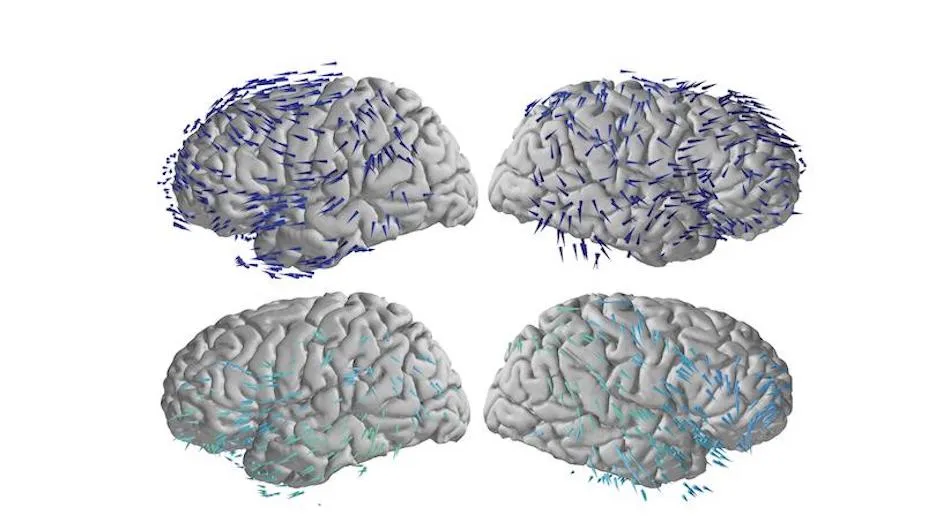
By measuring the direction that a person’s brain waves move, we may be able to predict their behavior.