

COLUMBIA SCIENCE IN THE NEWS
NBC News
October 14, 2026
Time
October 15, 2026
RECENT STORIES
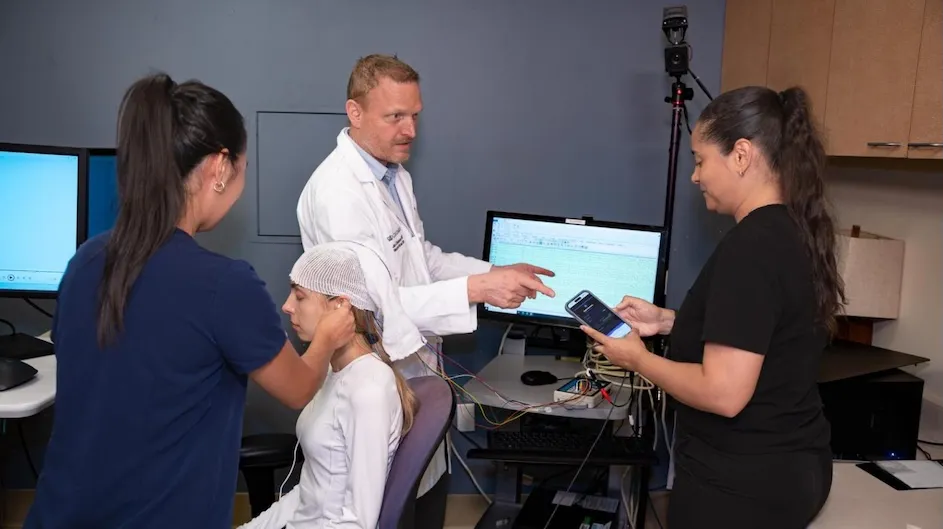
Unresponsive ICU patients in a new Columbia study were able to raise and lower the frequency of a beeping tone with their minds.
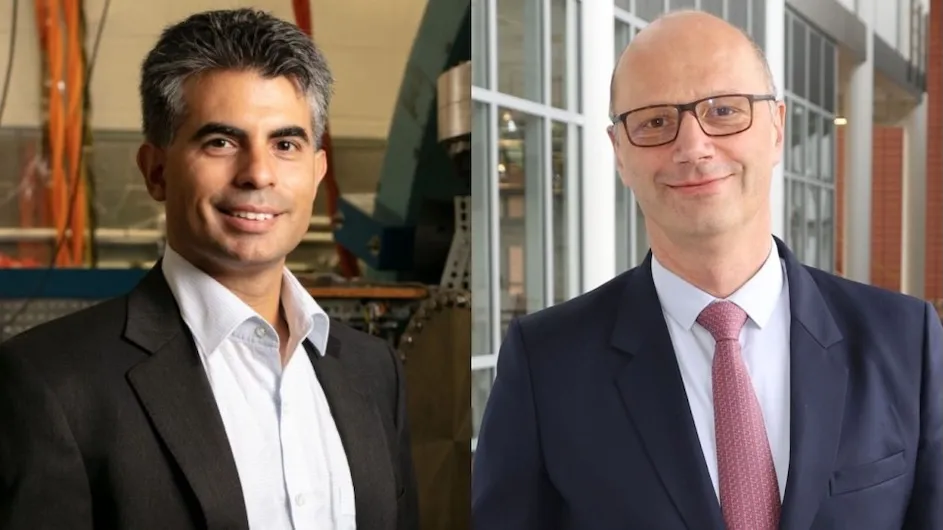
The center will address key scientific and technological questions on the path toward a fusion power plant.
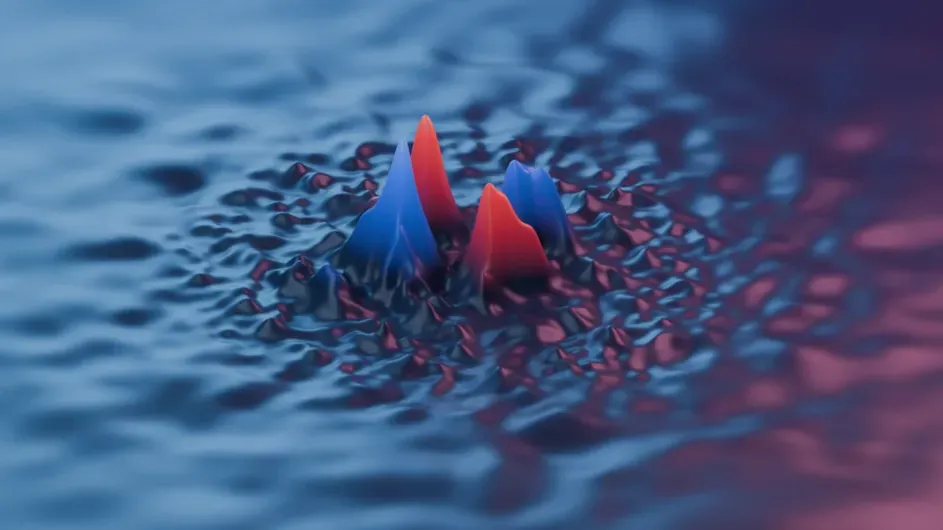
Electrons should move freely in metals. New research from Columbia identifies how to trap them in place.

Election to the academy is considered one of the highest honors in the fields of health and medicine.

A new study in Nature could pave the way for improved battery performance and design.
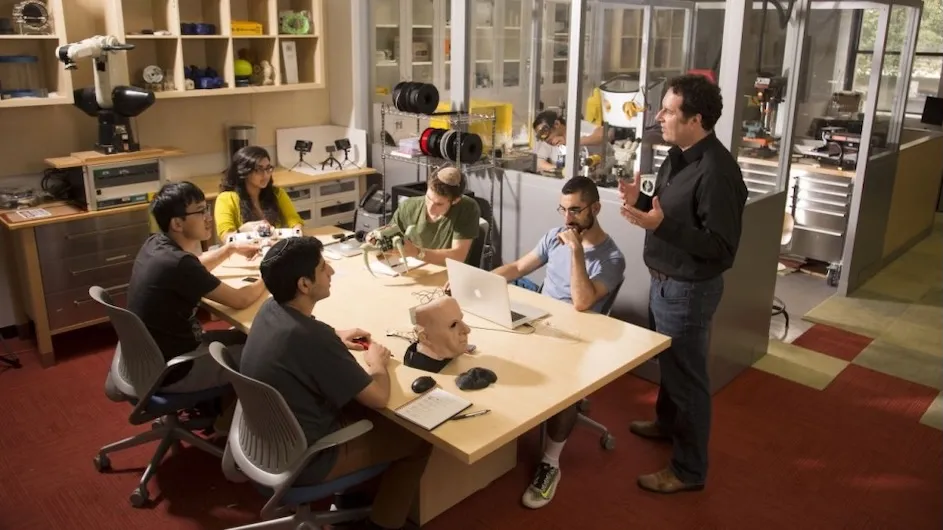
An institute led by universities including Columbia will train emerging talent on how to apply AI to manufacturing.

Those with dementia who are overweight tend to live longer, pointing to the likely importance of nutrition in the disease.
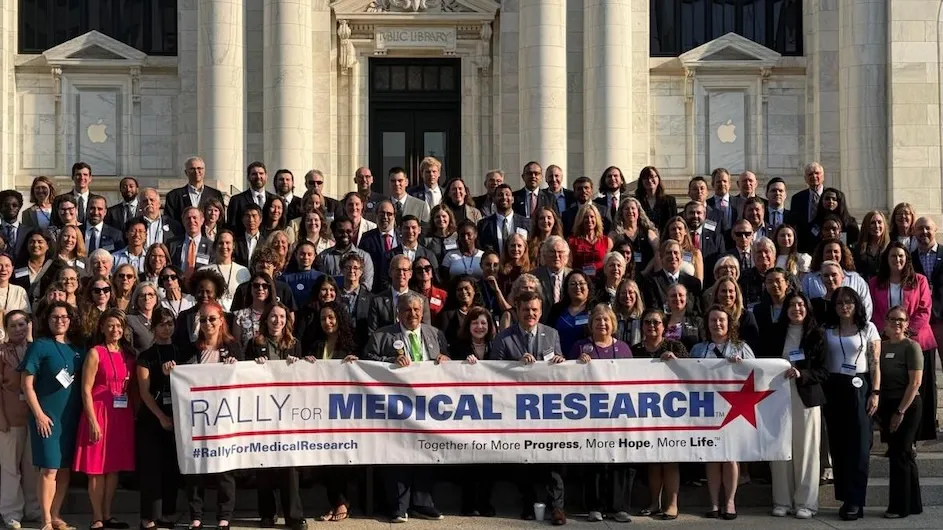
This year’s rally brought together over 300 participants from more than 40 states.

Columbia Engineering students used only cardboard, duct tape, and waterproofing spray to build their buoyant creations.

A proposed new approach could reduce the complexity of fusion power plants, researchers say.

The prestigious prize recognized Zuker for revolutionizing understanding of the sense of taste.
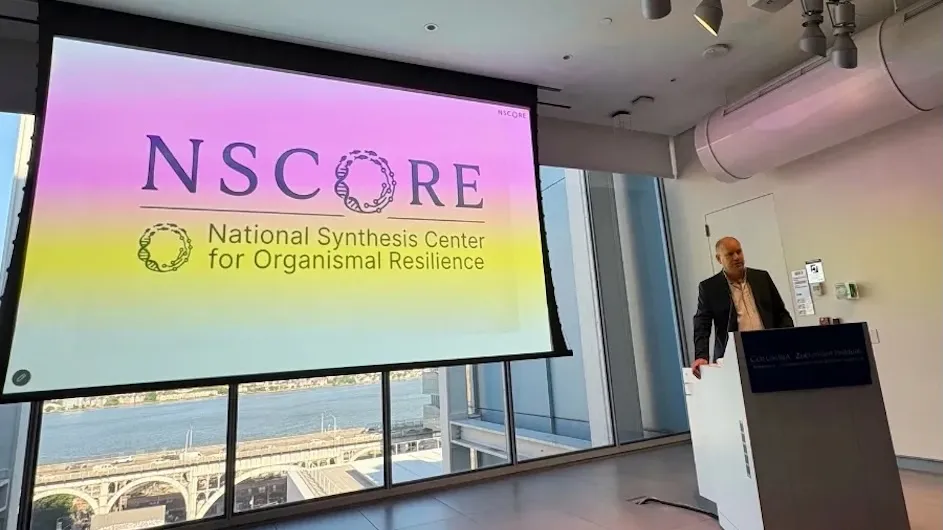
Columbia's new National Synthesis Center for Organismal Resilience (NSCORE) brought together researchers for a day-long kick-off event.