Recent health and wellness news from across Columbia.

Study finds that integrated care for HIV prevention and opioid use disorder to people who inject drugs reduces mortality.

A team of Columbia and City College scientists is finding new ways to use biology to detect PFAS.
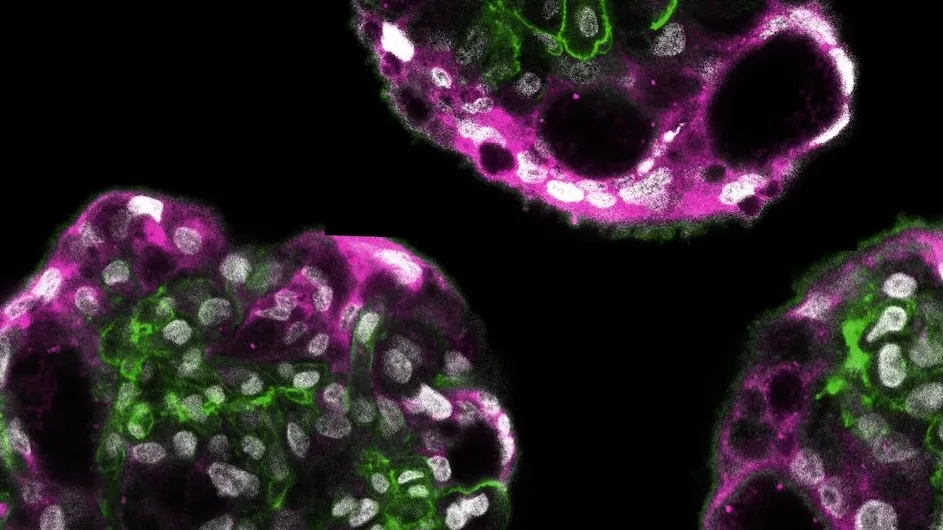
Columbia researchers have built a powerful new tool for studying how pregnancy begins and why it often fails.

Unresponsive ICU patients in a new Columbia study were able to raise and lower the frequency of a beeping tone with their minds.

Election to the academy is considered one of the highest honors in the fields of health and medicine.
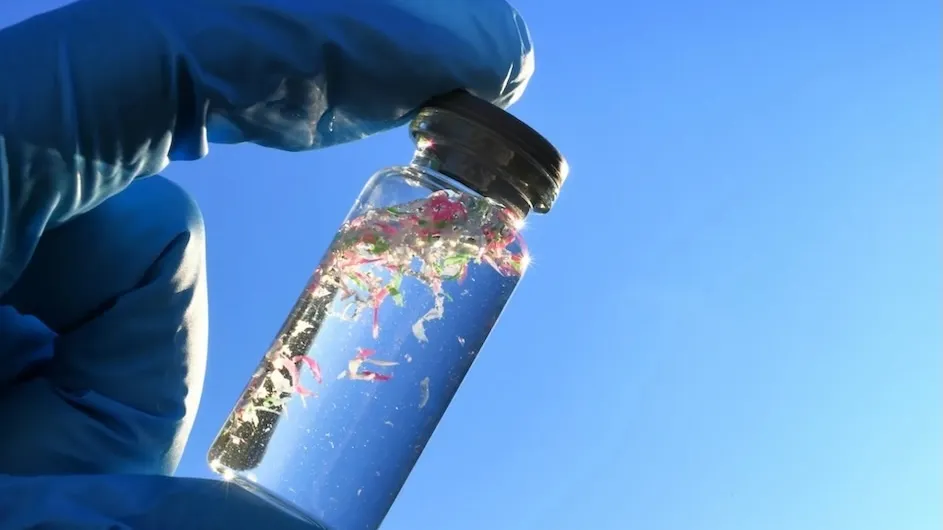
A new study found that when microplastics contact water, their surfaces can become chemically reactive; it could be how they get us sick.

The Department of Health and Human Services’s award aims to accelerate innovation supporting living kidney donors and patients.

Natalie Fardian-Melamed was recognized for discovering and engineering ultra-sensitive, light-based nanosensors.

New findings from Columbia University researchers could help physicians decide when to prescribe preventive treatments.
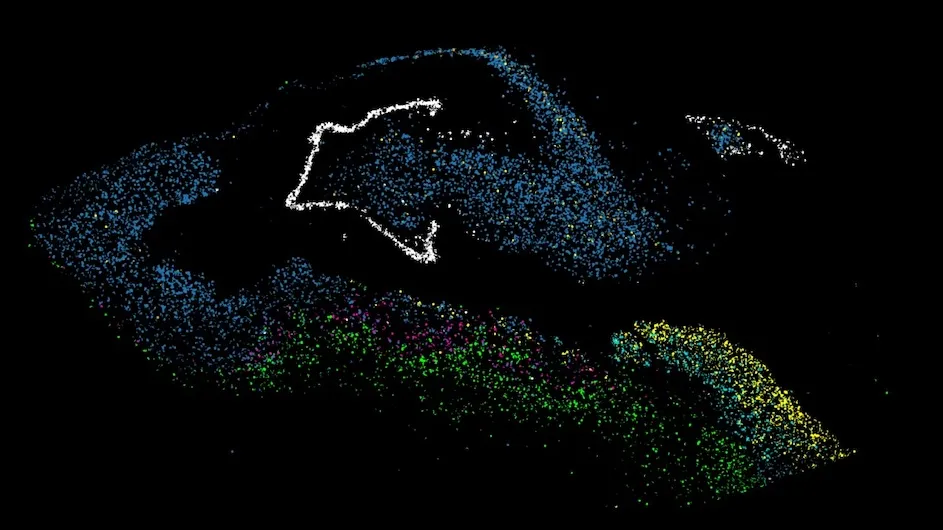
Neurons created in the adult brain hippocampus could be instrumental in preventing major depressive disorder.
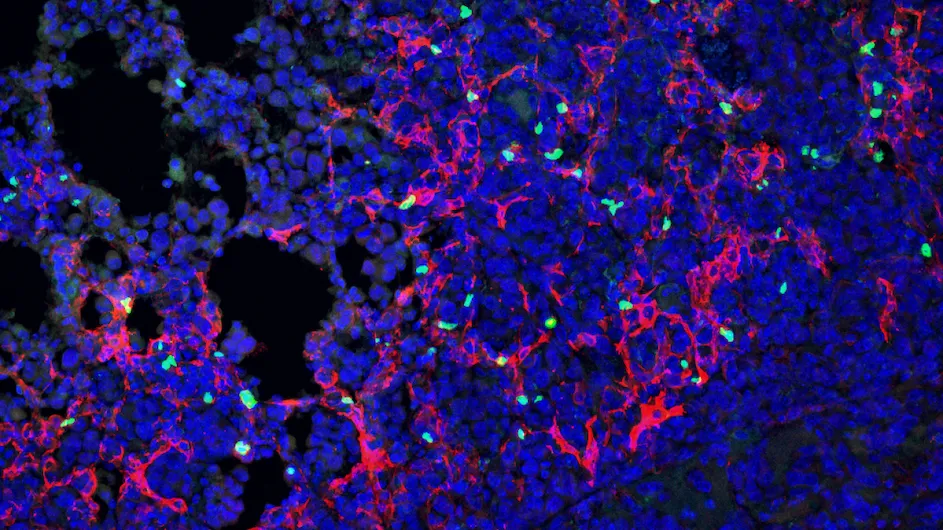
The research suggests a new strategy for targeting the disease, the leading cause of cancer-related death in the U.S.
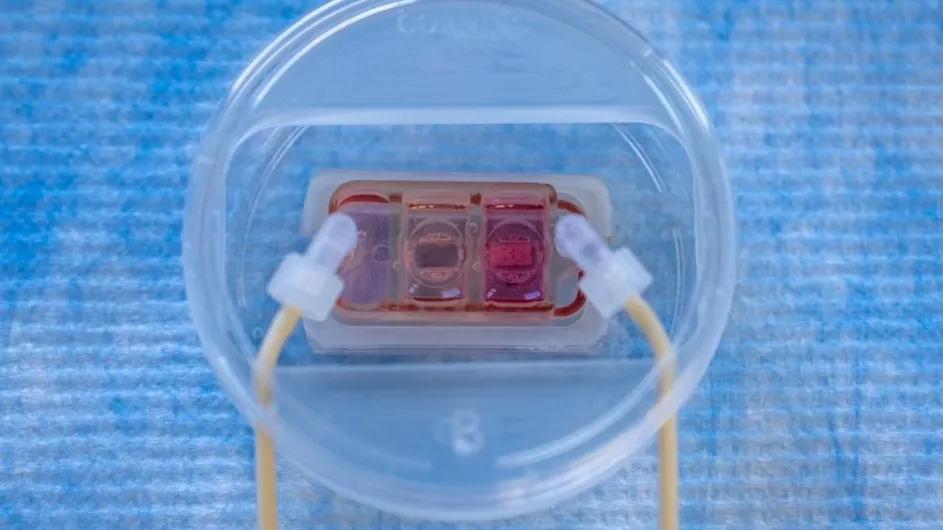
A Columbia team modeled how cancer spreads between organs using lab-grown bone and lung tissues.