


COLUMBIA SCIENCE IN THE NEWS
Reuters
November 20, 2026
The Washington Post
November 13, 2026
ABC News
November 7, 2026
RECENT STORIES

A two-day symposium explored topics ranging from memory and movement to how brains sense the world.

New research suggests that meteorites delivered much of Earth's carbon, a building block of life, late in the planet’s formation.

Analysis of more than 35,000 college students found intolerance of uncertainty increased steadily in recent years.
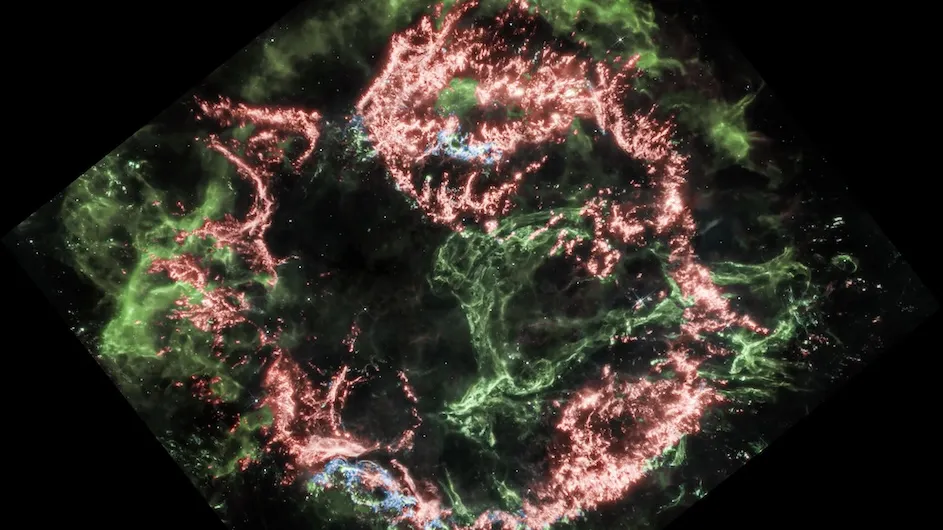
Researcher Tea Temim analyzed the mid-infrared light of Cassiopeia A, shedding new light on what precedes a supernova explosion.
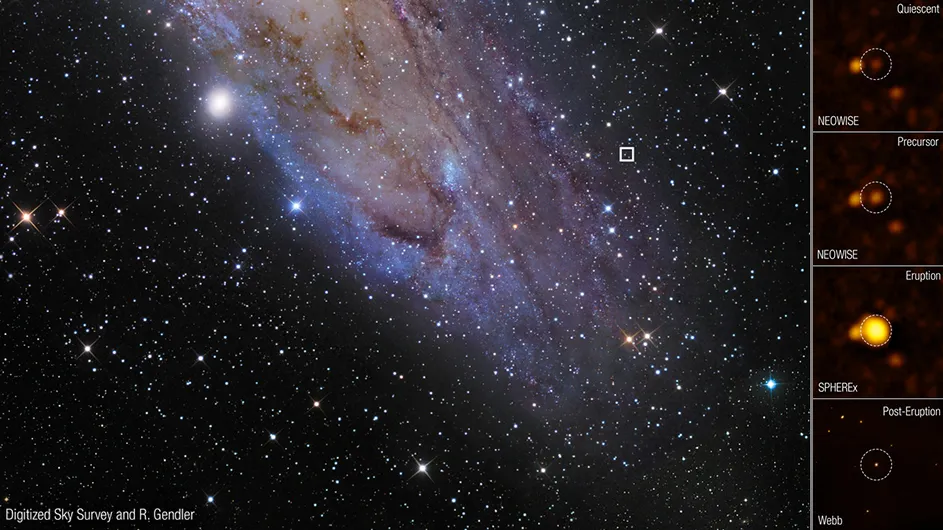
Astronomers directly observed an aging, puffed-up, supergiant star explosively consume a star only slightly smaller than our Sun.
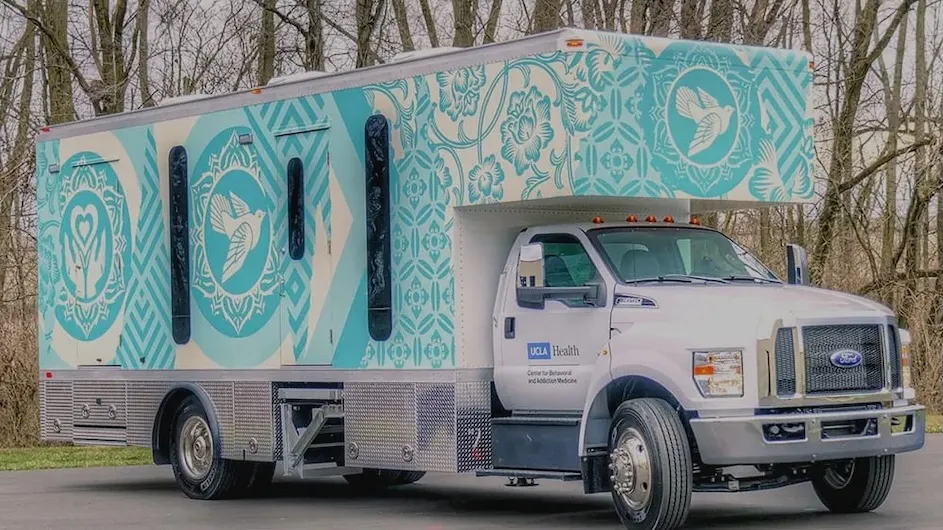
Study finds that integrated care for HIV prevention and opioid use disorder to people who inject drugs reduces mortality.

A team of Columbia and City College scientists is finding new ways to use biology to detect PFAS.
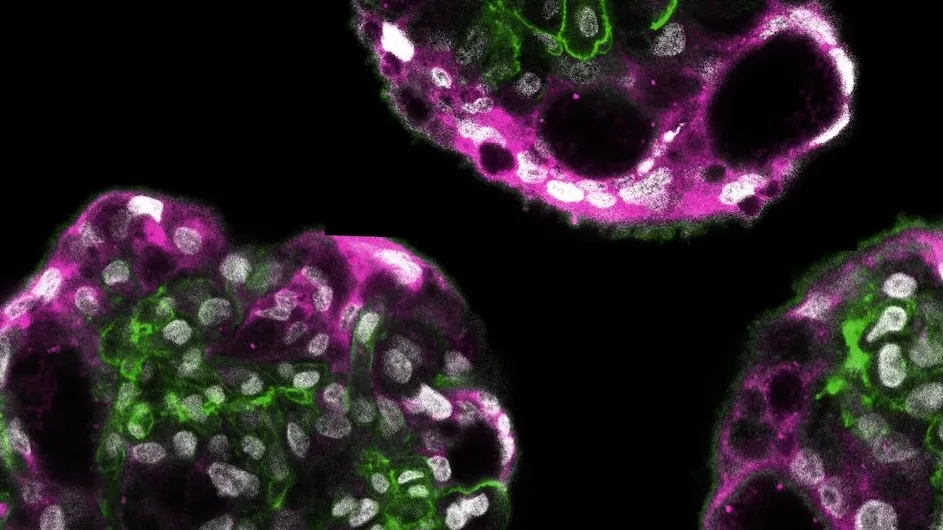
Columbia researchers have built a powerful new tool for studying how pregnancy begins and why it often fails.

New findings could offer a way to collect detailed sleep information without requiring people to wear a device overnight.

The findings support prioritizing alternative treatments before prescribing opioids.

More than 80 researchers across the state will devise scientific techniques and tools with the goal of making AI systems more trustworthy.
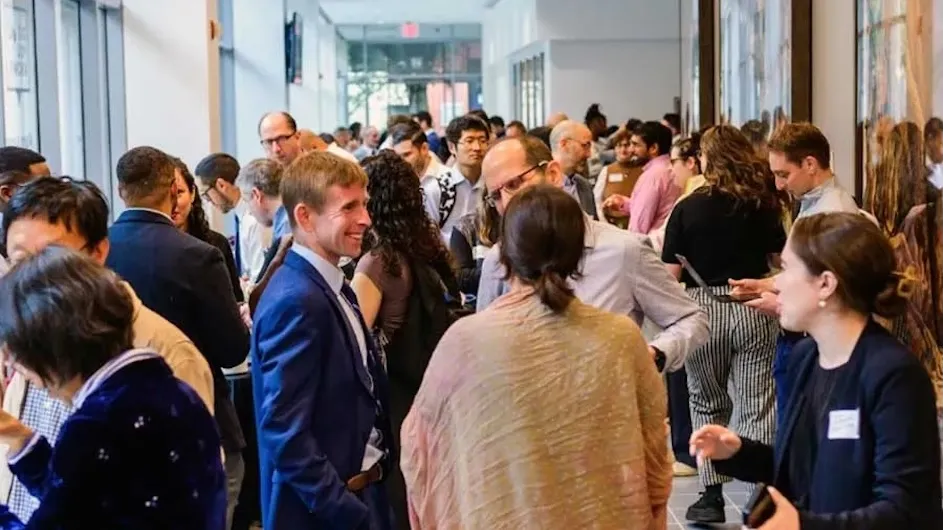
Columbia researchers will collaborate with New York City agencies to tackle a range of pressing challenges.