

COLUMBIA SCIENCE IN THE NEWS
NBC News
October 14, 2026
Time
October 15, 2026
RECENT STORIES
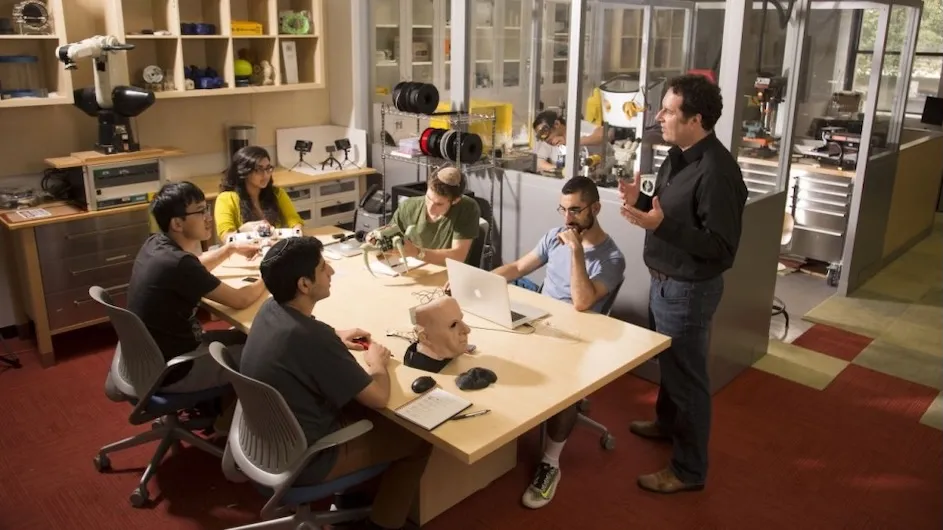
An institute led by universities including Columbia will train emerging talent on how to apply AI to manufacturing.

Those with dementia who are overweight tend to live longer, pointing to the likely importance of nutrition in the disease.
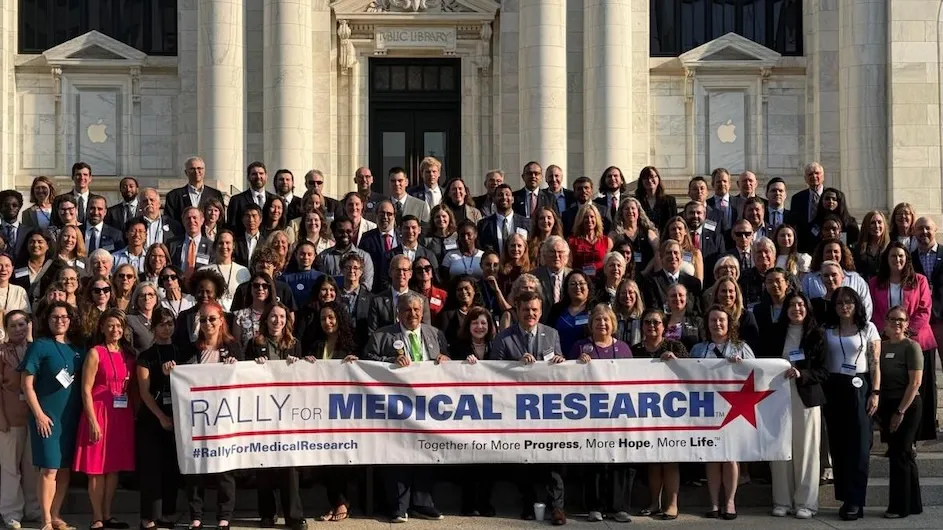
This year’s rally brought together over 300 participants from more than 40 states.
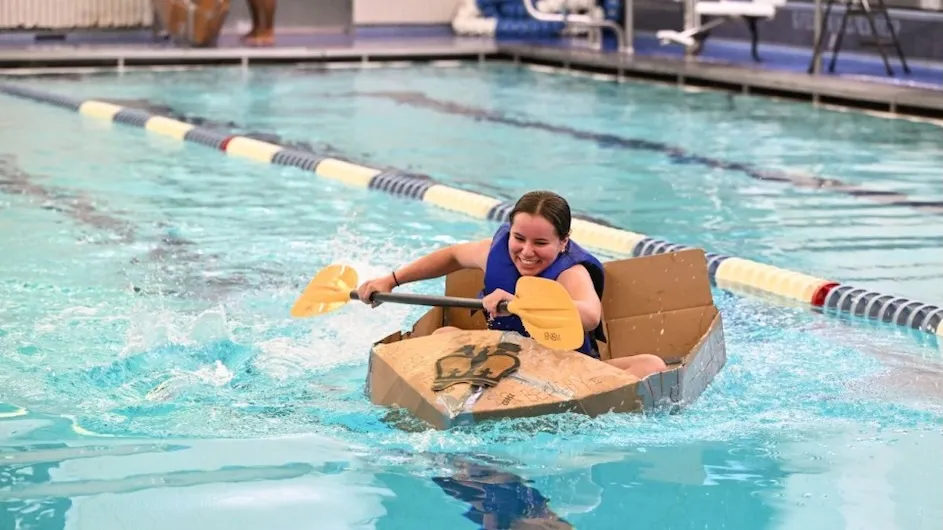
Columbia Engineering students used only cardboard, duct tape, and waterproofing spray to build their buoyant creations.

A proposed new approach could reduce the complexity of fusion power plants, researchers say.
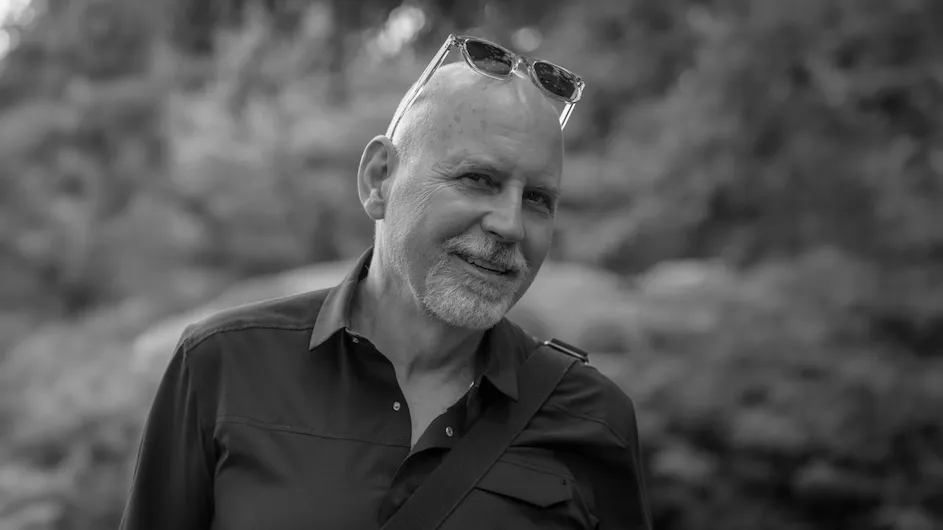
The prestigious prize recognized Zuker for revolutionizing understanding of the sense of taste.
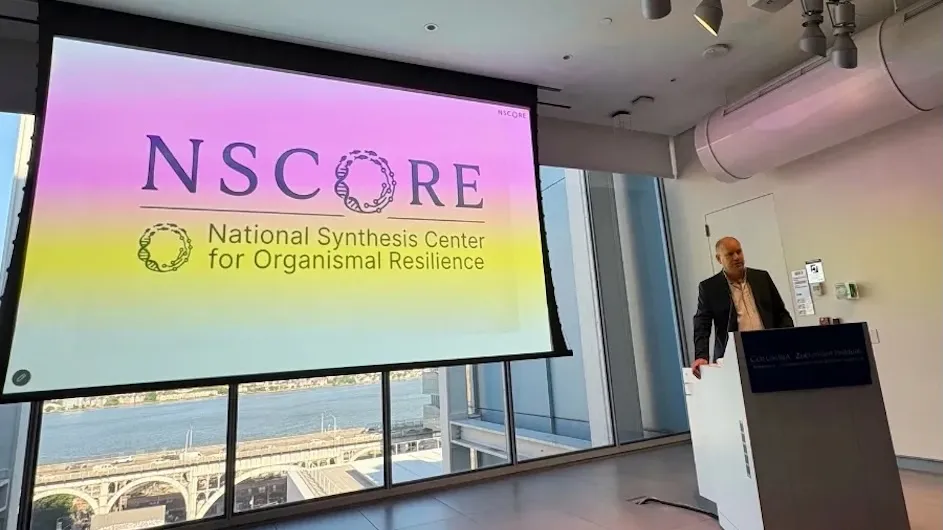
Columbia's new National Synthesis Center for Organismal Resilience (NSCORE) brought together researchers for a day-long kick-off event.
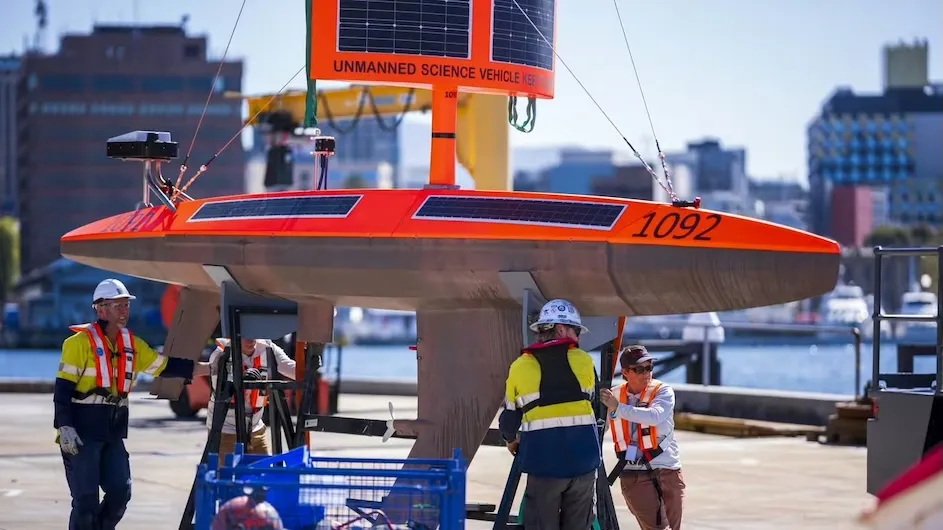
A new project will deploy a fleet of autonomous vehicles to measure carbon exchange across the Southern Ocean.

Associations between employment trajectories and later-life cognition differ by gender, a Columbia Public Health study found.

Mark Ross-Lonergan is an experimental neutrino physicist with a passion for oysters.

The Department of Health and Human Services’s award aims to accelerate innovation supporting living kidney donors and patients.
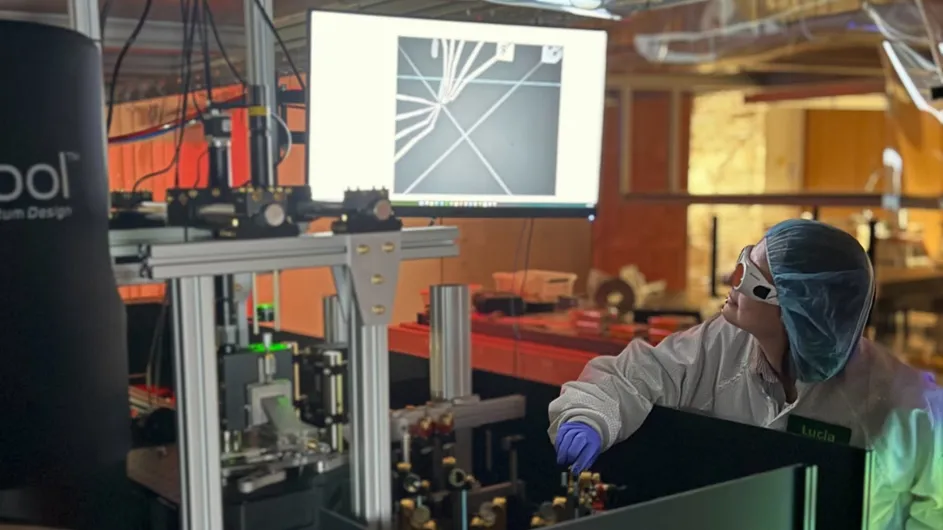
According to Lucia Rondini, they are ‘fizzy’ with quantum objects, popping in and out of existence all the time.