The latest earth, climate, and environmental science news from across Columbia.
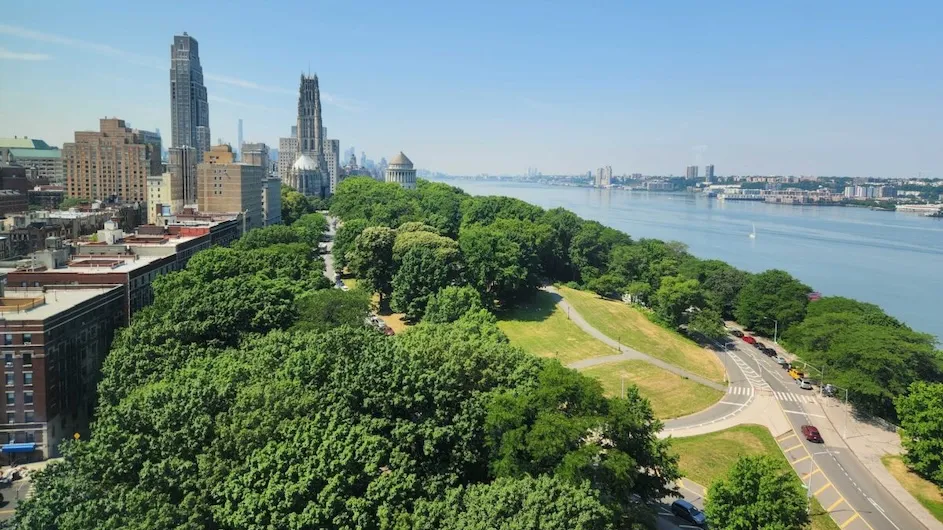
Some trees produce isoprenes that interact with pollutants to form ground-level ozone, a prime factor in respiratory ailments.
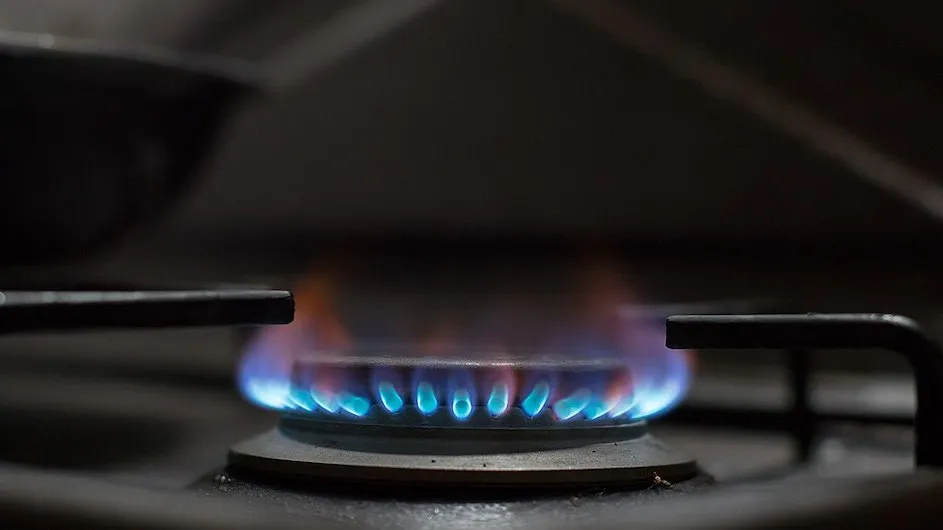
New York City recently passed a law that will ban gas-powered heaters, cooking stoves, and water boilers in all new buildings.
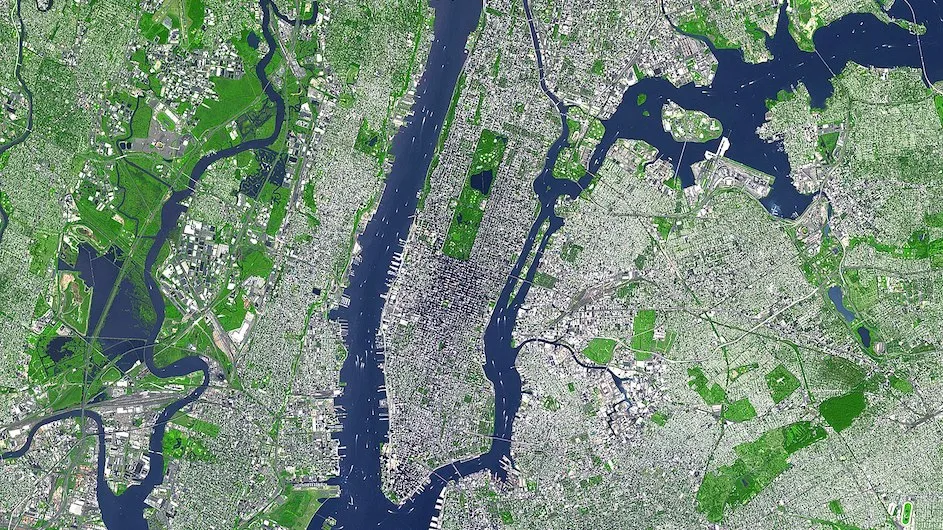
Researchers found that areas with an elevated Social Vulnerability Index have higher than expected rates of tree growth.
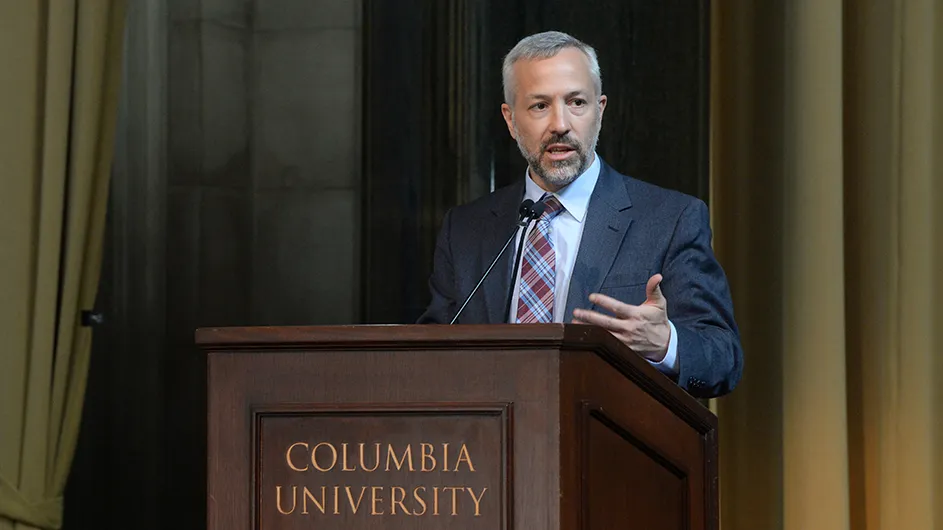
He will lead wide-ranging efforts to achieve climate and sustainability goals set forth by the University, including the implementation of Columbia's Plan 2030 sustainability strategy.
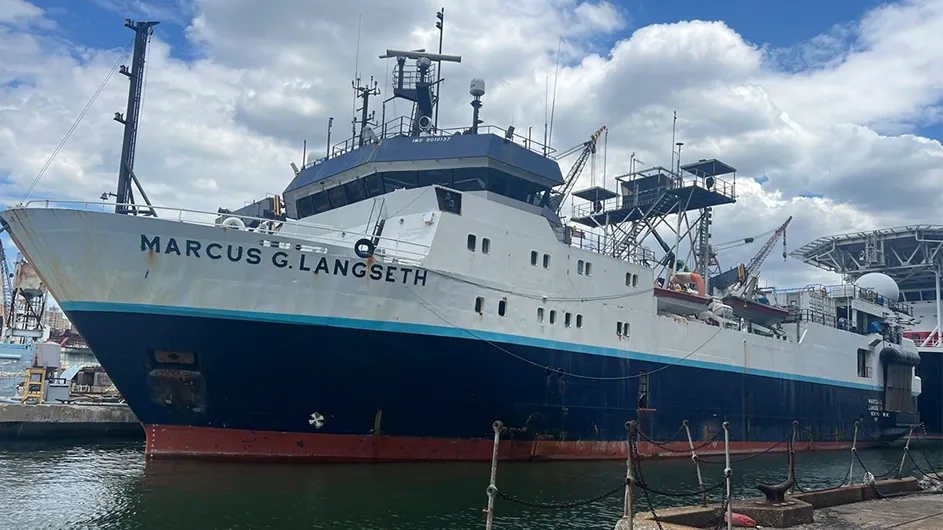
The Langseth is currently docked at Brooklyn Navy Yard after mapping more than 150,000 square kilometers of ocean floor.

Data science has opened many promising avenues to address climate change, but the data centers that power it are energy-hungry.
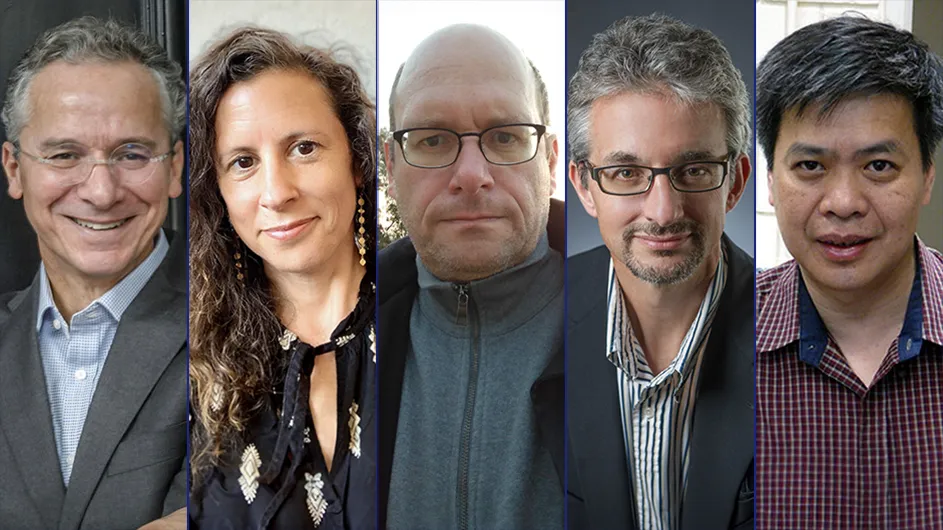
Membership in the academy is considered one of the highest honors a scientist can receive.
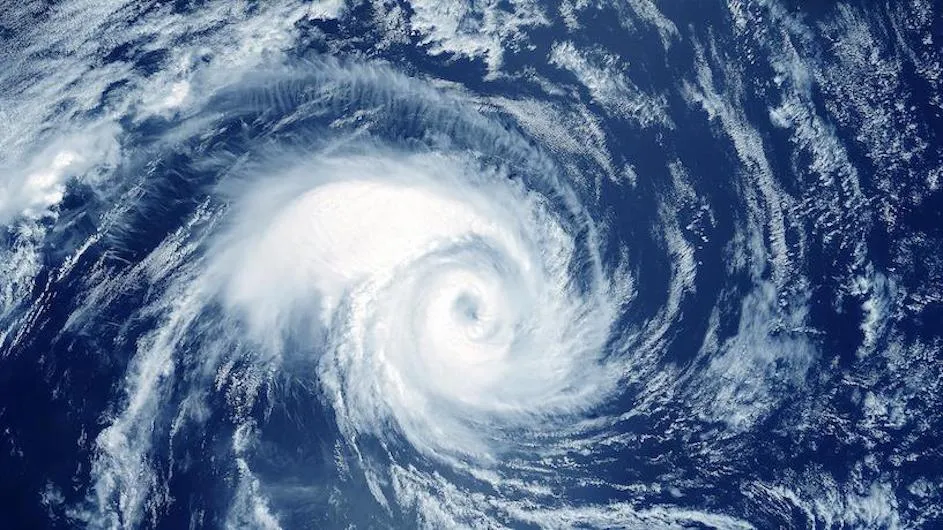
A new database offers communities, leaders, and researchers unprecedented access to climate data and cutting-edge models.
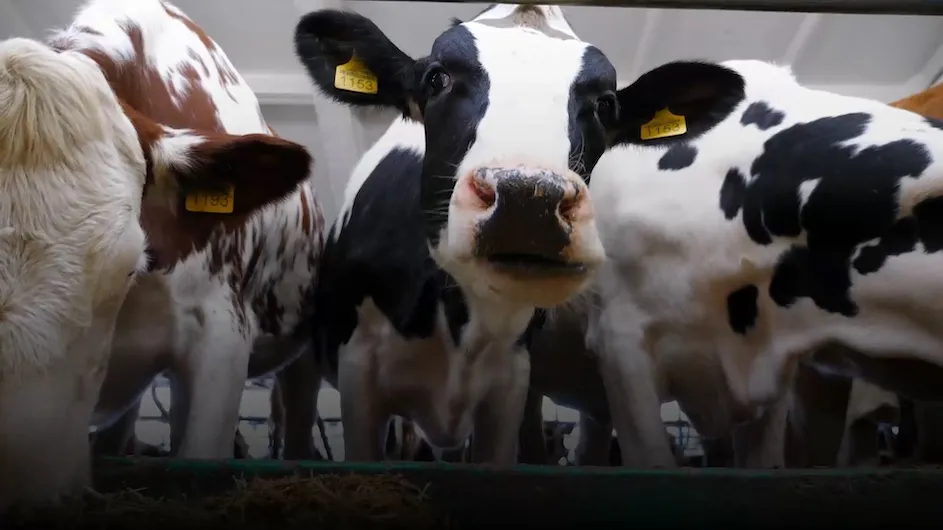
Columbia environmental scientist Catherine Ivanovich wants us to understand the impacts of the food we eat.
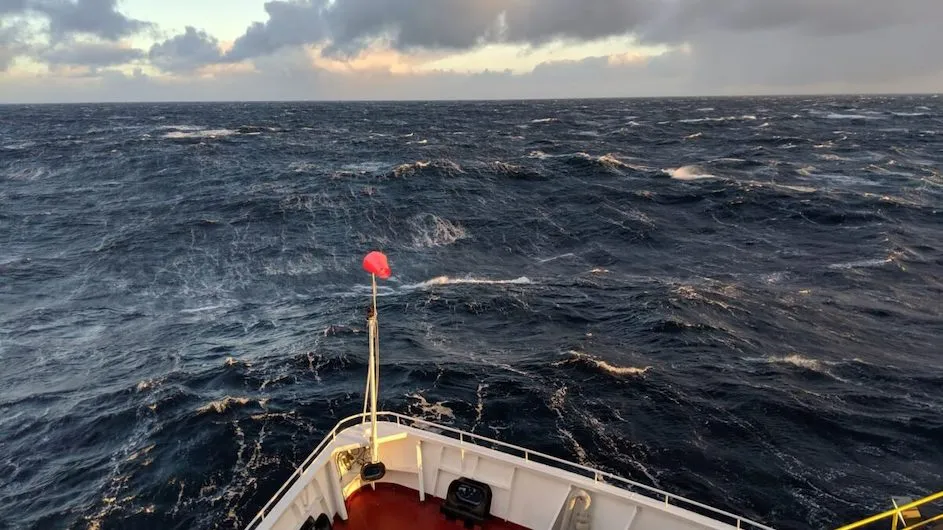
A new study suggests that the Antarctic Circumpolar Current will continue to speed up, hastening ice loss.
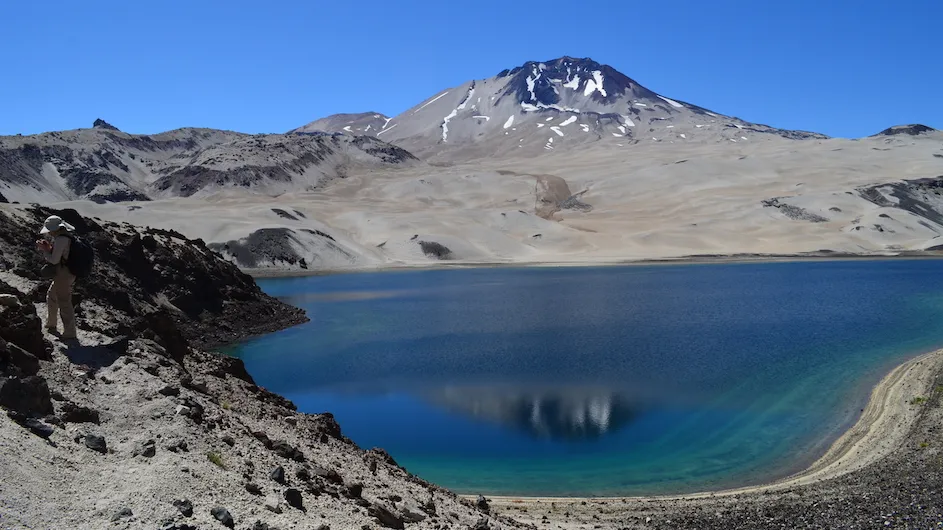
New research shows that even the most powerful blasts won't result in a so-called volcanic winter.

In Costa Rica, Climate School scientists are installing geophysical instruments that can monitor the underground in real time.