The latest earth, climate, and environmental science news from across Columbia.

The exhibition, Shifting Shorelines, illustrates how human activity and industry have had an impact on the river.

Climate and Health: Action and Research for Transformational Change (CHART) is funded by the National Institutes of Health.

The two-year program will prepare young and mid-career professionals and future academics to be climate leaders.
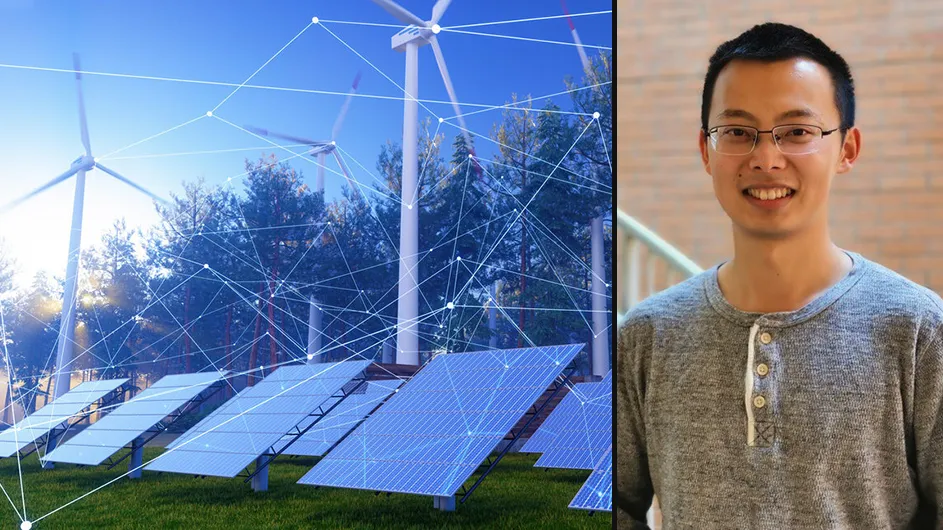
With seed funds from the Data Science Institute, professor Bolun Xu is driving the transition to renewable power.

A Columbia Climate School researcher found that air in the subway is 10 times more polluted than air above ground.

A new study finds that communicating the scientific consensus about climate change can clear up misperceptions.
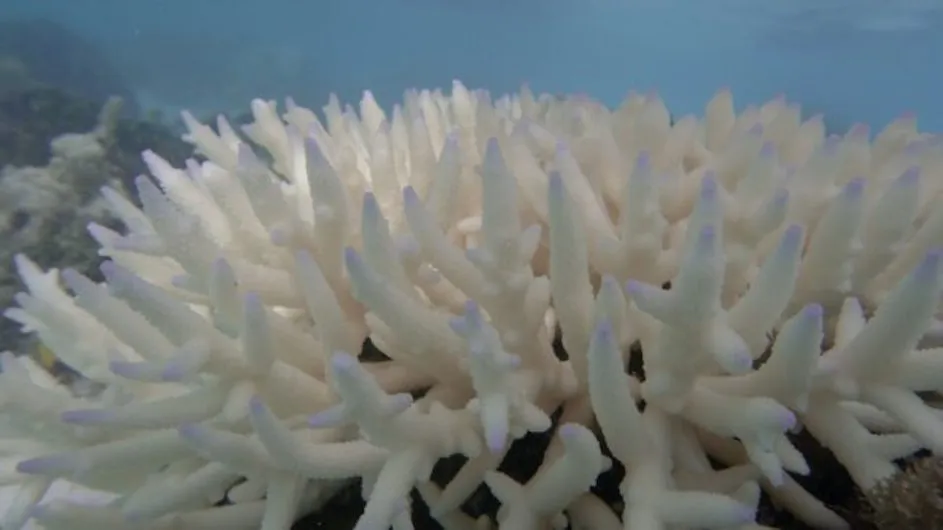
A new study shows that the world’s largest reef system is under unprecedented pressure.
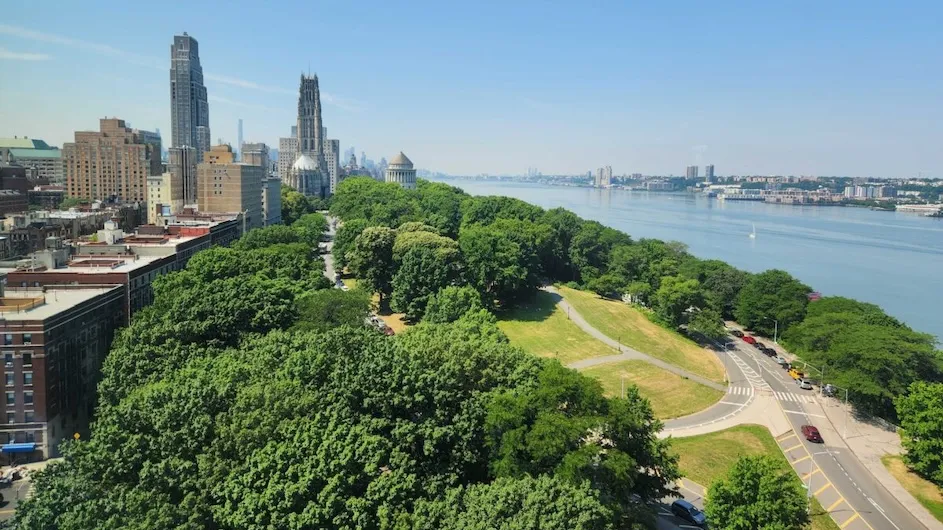
Some trees produce isoprenes that interact with pollutants to form ground-level ozone, a prime factor in respiratory ailments.

New York City recently passed a law that will ban gas-powered heaters, cooking stoves, and water boilers in all new buildings.
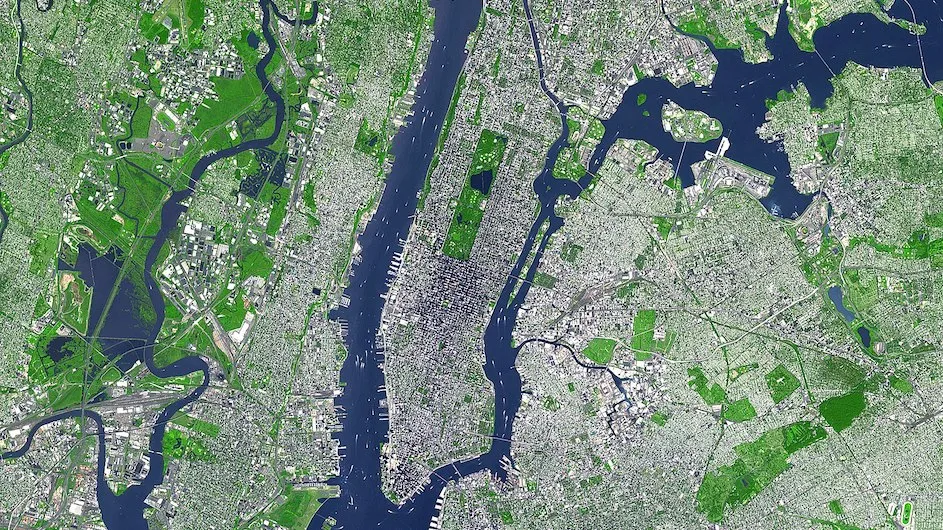
Researchers found that areas with an elevated Social Vulnerability Index have higher than expected rates of tree growth.
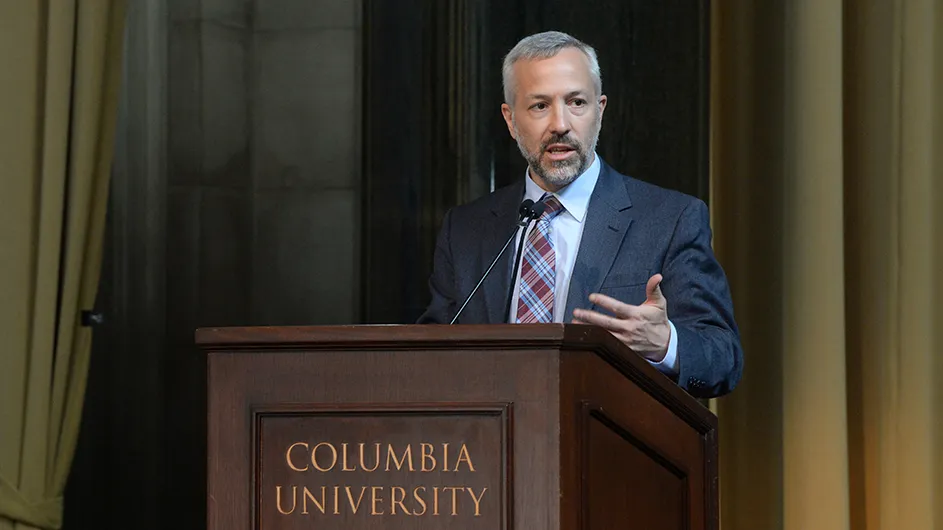
He will lead wide-ranging efforts to achieve climate and sustainability goals set forth by the University, including the implementation of Columbia's Plan 2030 sustainability strategy.
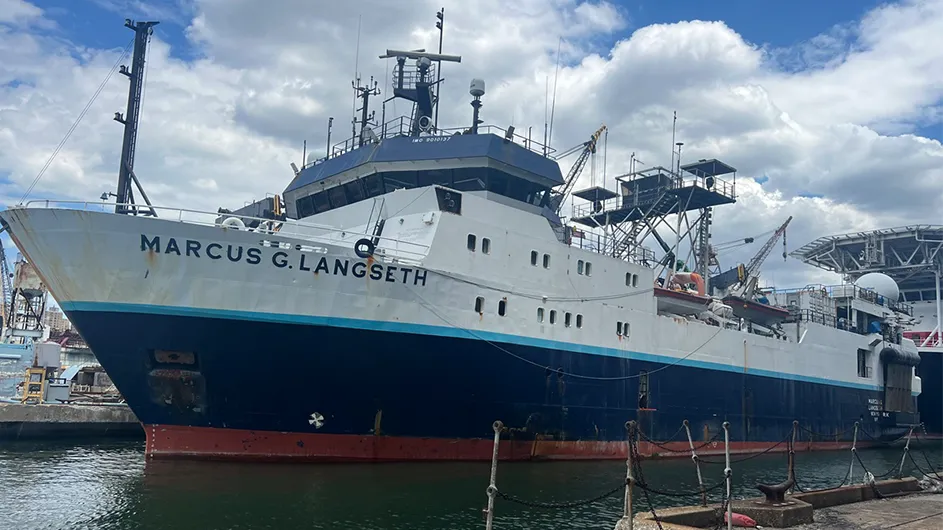
The Langseth is currently docked at Brooklyn Navy Yard after mapping more than 150,000 square kilometers of ocean floor.