In the Lab is a Columbia News series devoted to the interesting work—scientific, humanities-based, or interdisciplinary—of faculty and students.
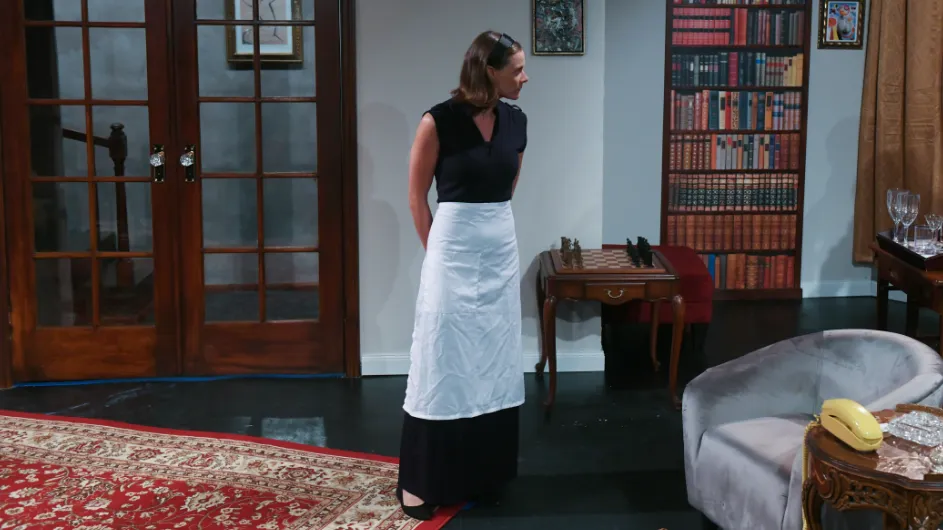
Lights! Camera! Quantum! The theoretical quantum physicist by day and actor by night explains how she blends science and art.
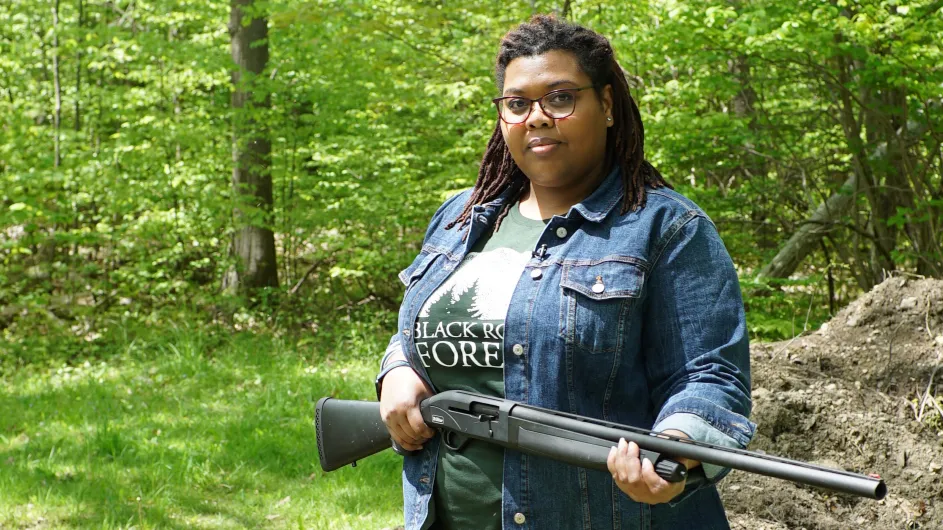
Trees are migrating as Earth’s climate warms. The ‘shotgun scientist’ is tracking and sharing their movements.
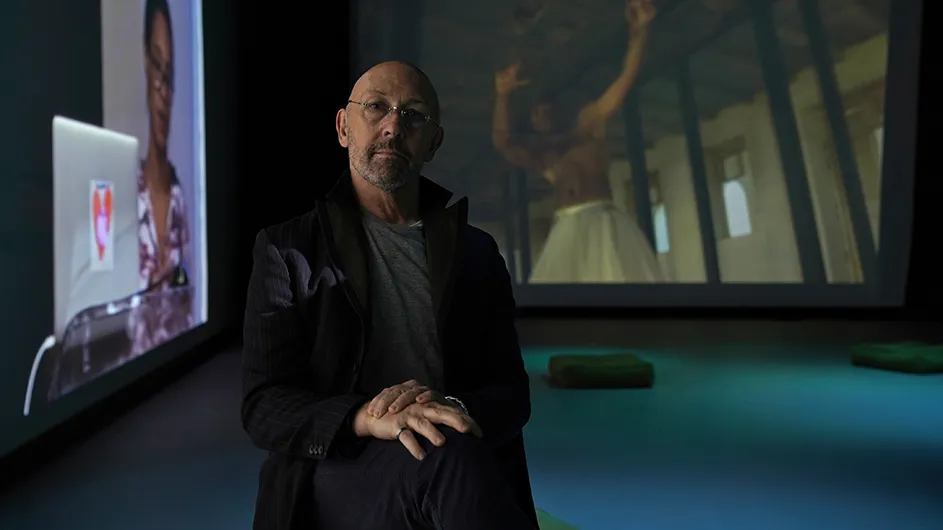
Associate Director Guy de Lancey says it is a place that blends dance, performance, and tech.
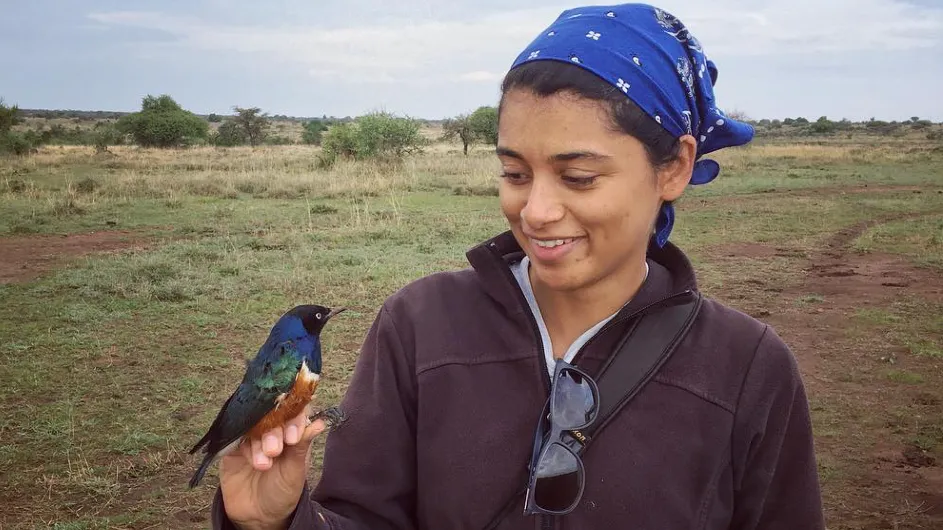
Shailee Shah, GSAS'22, explains why superb starlings may have evolved to live in groups in which unrelated birds help raise others' offspring.
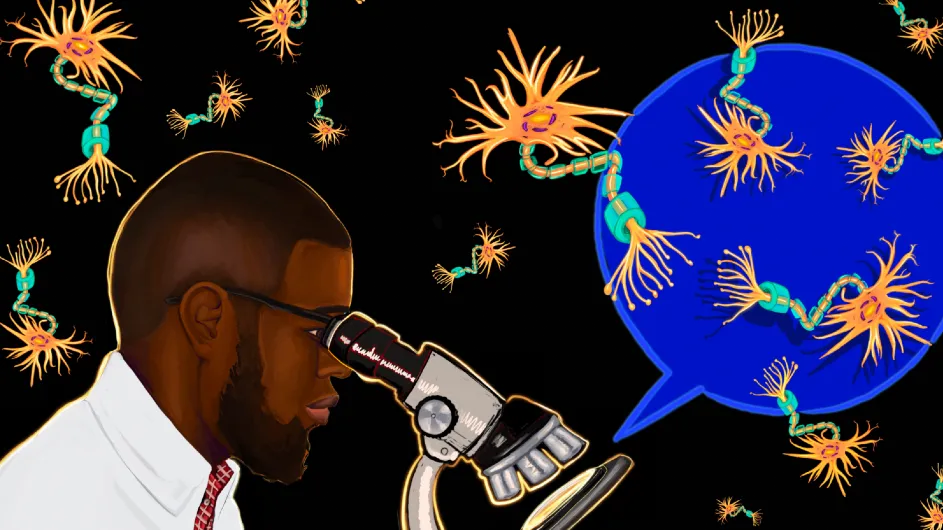
Abdus-Saboor, a neurobiologist, traces his path to Columbia and explains his fascination with a rodent that rarely feels pain.
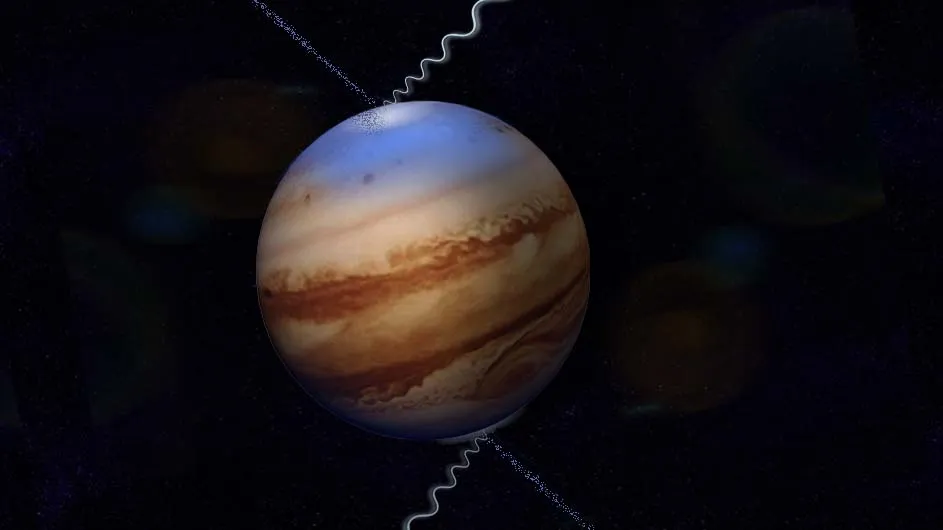
In a new study, PhD students Gabriel Bridges and Shifra Mandel help show that both poles of Jupiter are aglow with high-energy light.
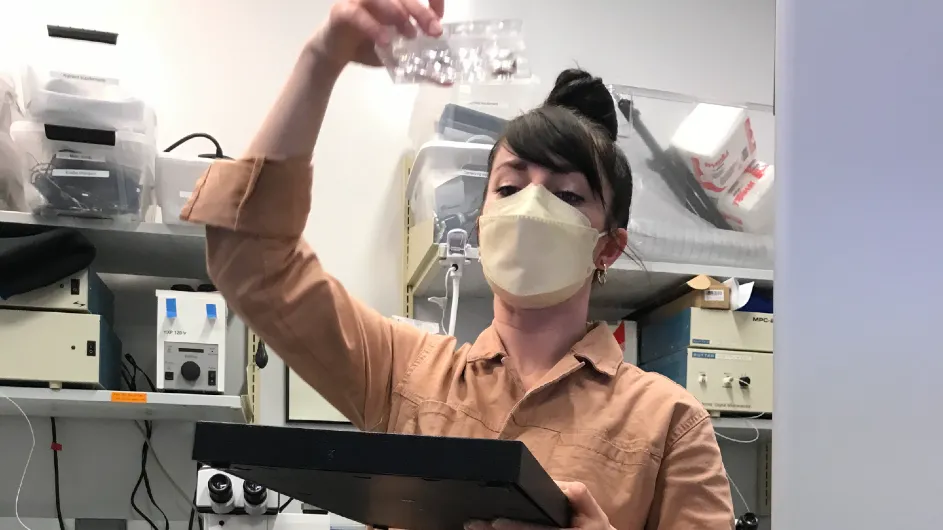
Tessa Montague, a postdoc at the Zuckerman Institute, studies the neural basis of camouflage in cuttlefish.
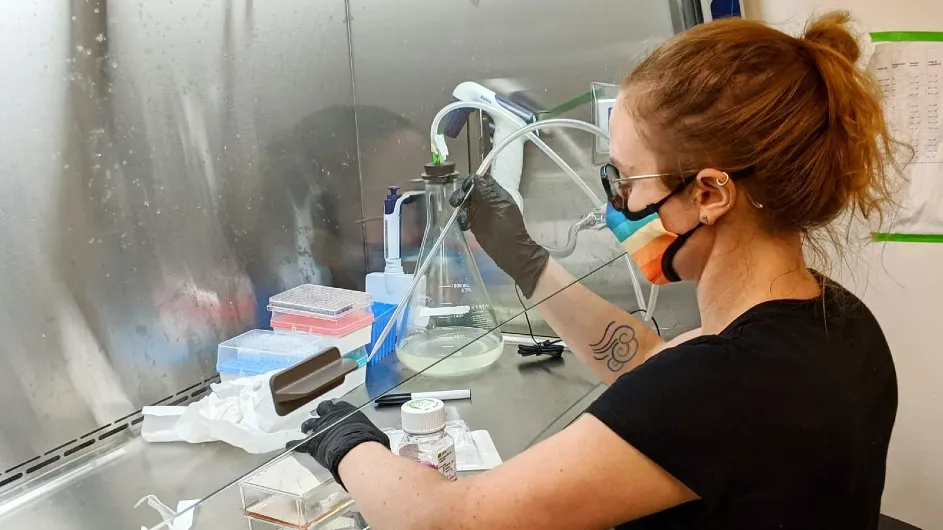
Bentley Shuster, a postdoc, spoke about life in the lab and her attempts to program soil-dwelling bacteria to shrink tumors in mice.
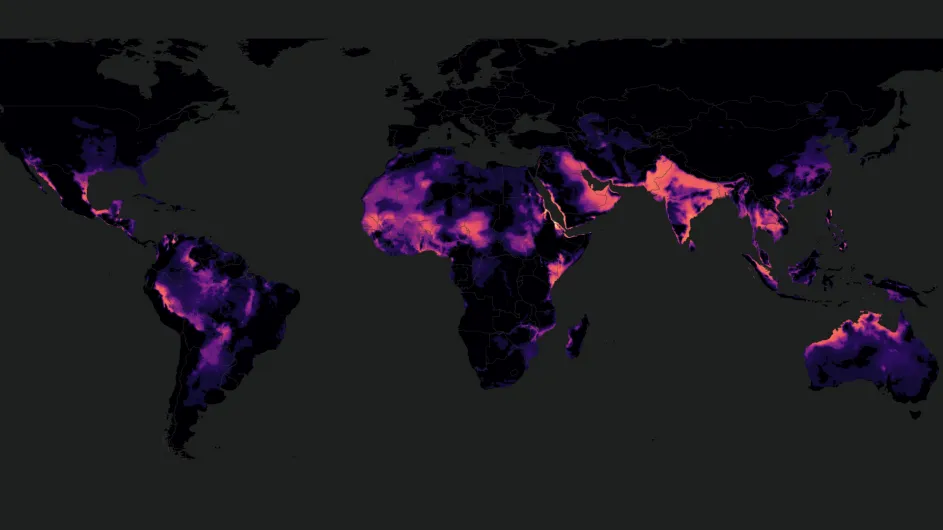
Columbia postdoc Cascade Tuholske builds maps to understand how humans interact with our environment. He spoke with Columbia News about what can be learned from large-scale data, how he copes with climate dread, and why he thinks the U.S. Constitution should guarantee the right to food.
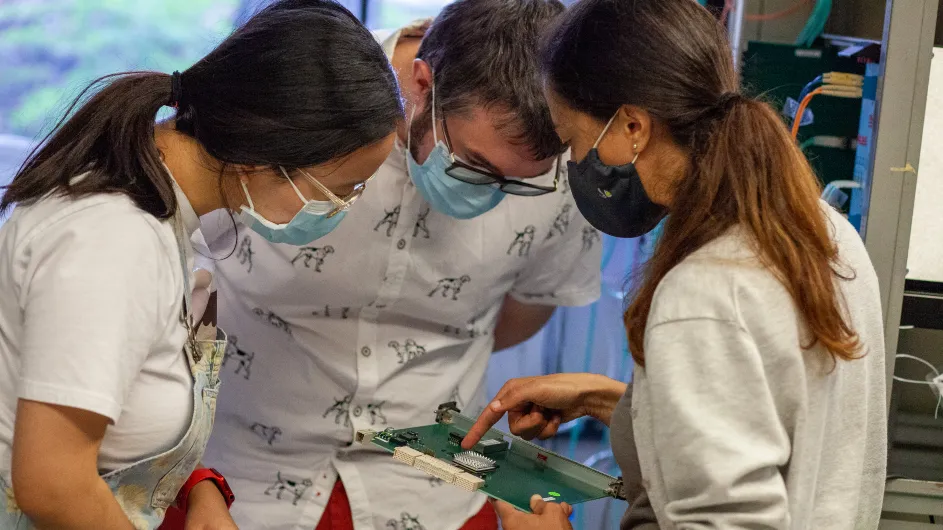
What's a neutrino and how do you detect one? Columbia physicist and neutrino hunter Georgia Karagiorgi explains.
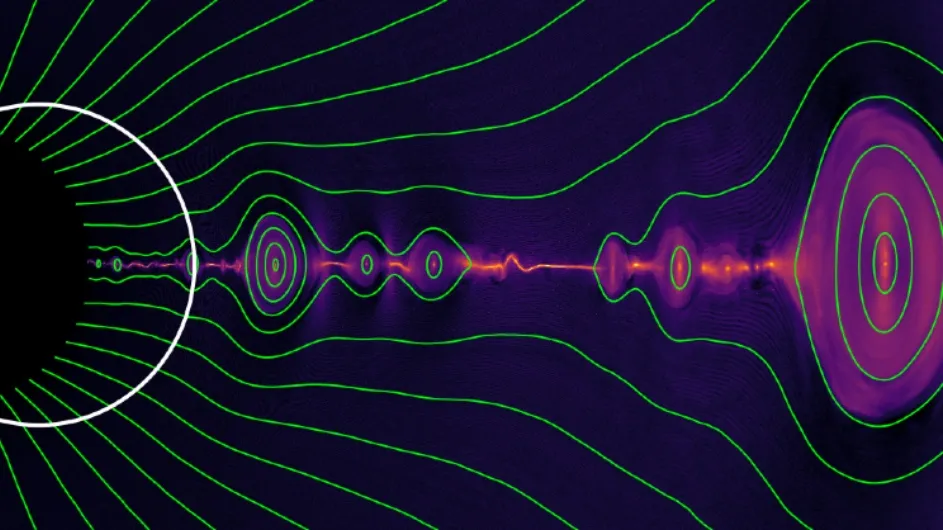
PhD student Ashley Bransgrove describes his new study on black holes' magnetic fields.