This page features news and research related to topics about politics at Columbia University.
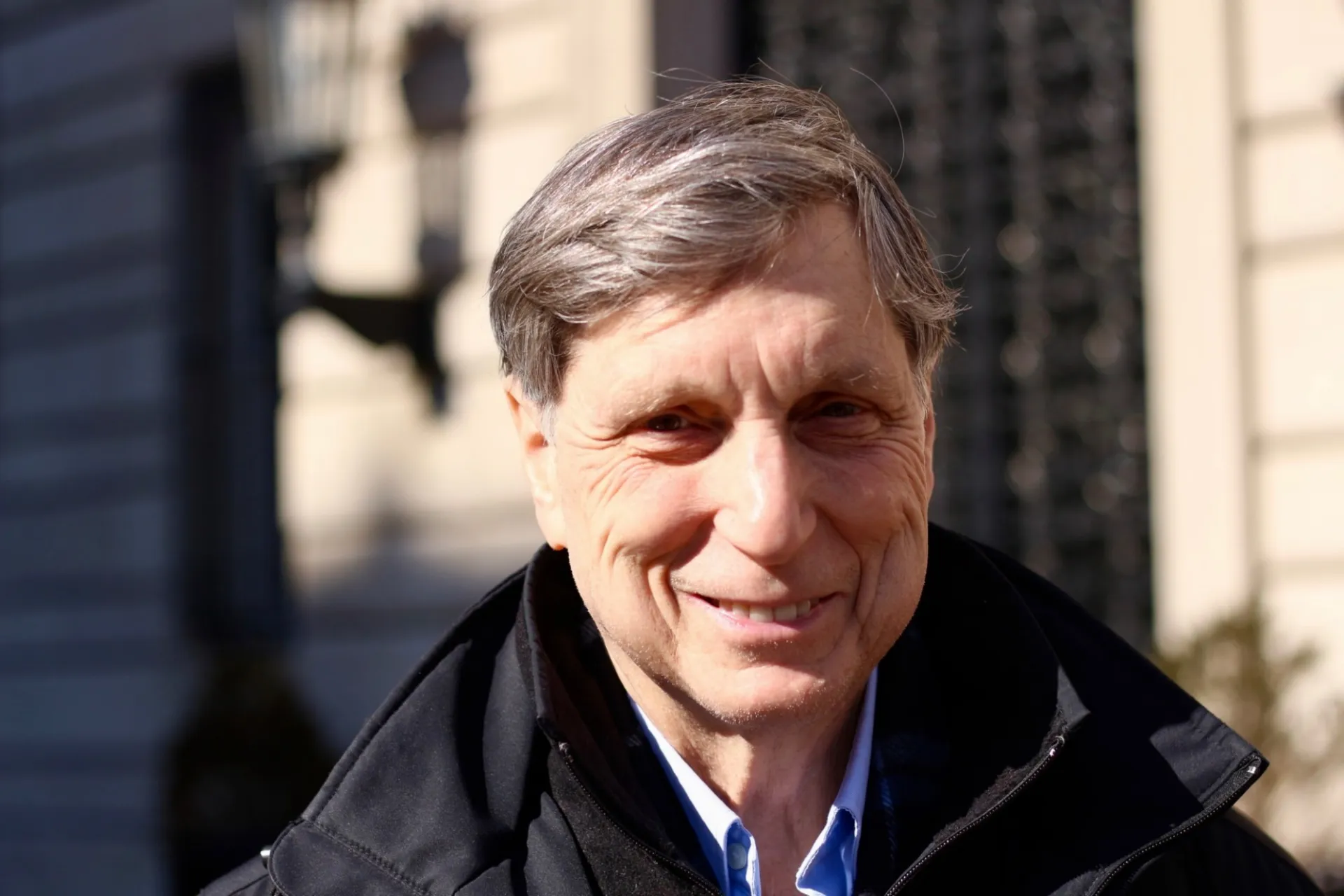
Ari L. Goldman explains what The New York Times anti-Semitic cartoon debacle says about the state of the news media.
"The Mueller Report is as damning as it could possibly get about President Trump's obstruction of justice," states Bernard E. Harcourt, a professor in law and political science.
Prof. S. Akbar Zaidi discusses the complicated relationship between India and Pakistan as national elections in India begin April 11.
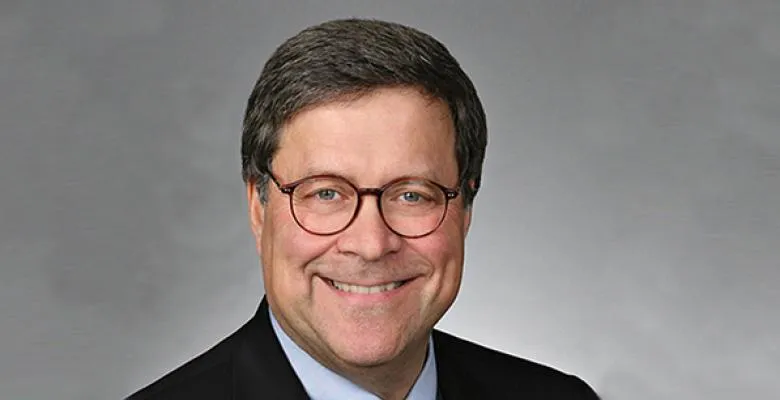
William P. Barr (CC’71, GSAS’73) was confirmed as U.S. attorney general Thursday. He fills the vacancy created when Jeff Sessions resigned last November.
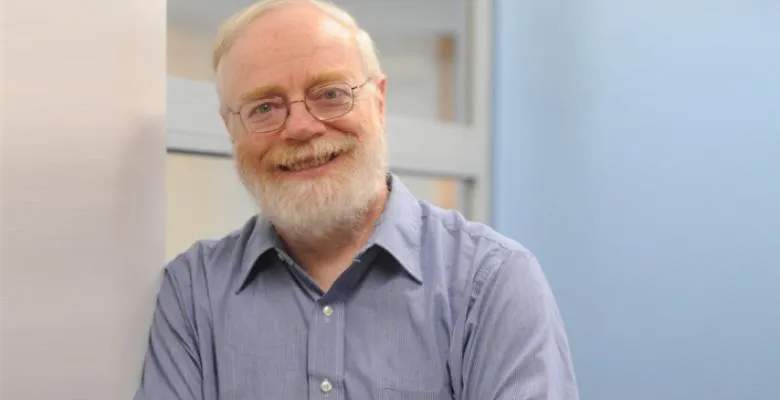
Steve Bellovin, a computer scientist whose expertise is cyber security, is far more worried about bugs in the computer code of electronic voting machines than he is about cyberattacks.
The SIPA professor explains the status of the trade war between the U.S. and China.
Elora Mukherjee is hoping the midterm elections can change what she says is the worst immigration policy she has seen in more than a decade of representing refugees, asylum seekers and immigrant families.
Columbia Law School’s Sabin Center for Climate Change Law has been tracking the Trump administration’s efforts to scale back or eliminate federal measures to mitigate climate change and to restrict or prohibit scientific research.
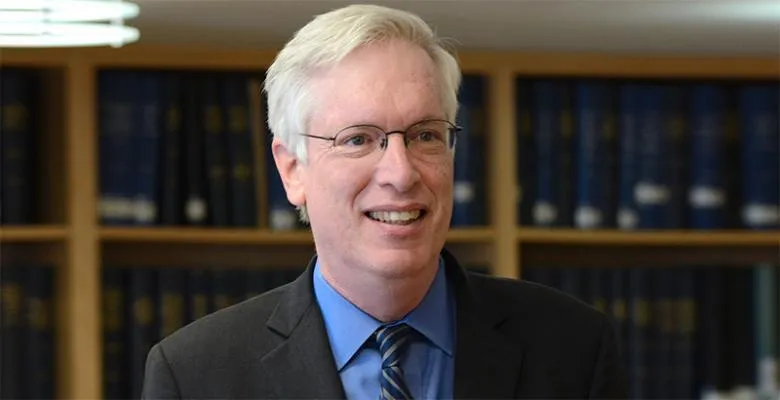
Access to healthcare is at stake on Nov. 6, says Michael Sparer, chair of the Department of Health Policy and Management at Columbia’s Mailman School of Public Health.

John Judis surveys the aftermath of the election, Brexit, and the ascendancy of authoritarian leaders around the world in his new book.