This page features news and research related to topics about politics at Columbia University.
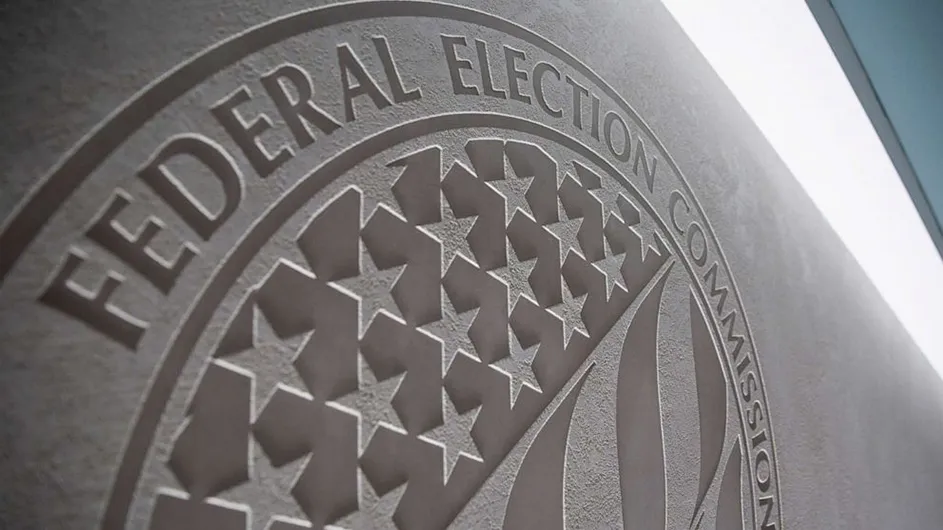
New campaign finance laws are useless without an effective Federal Election Commission enforcing those laws.
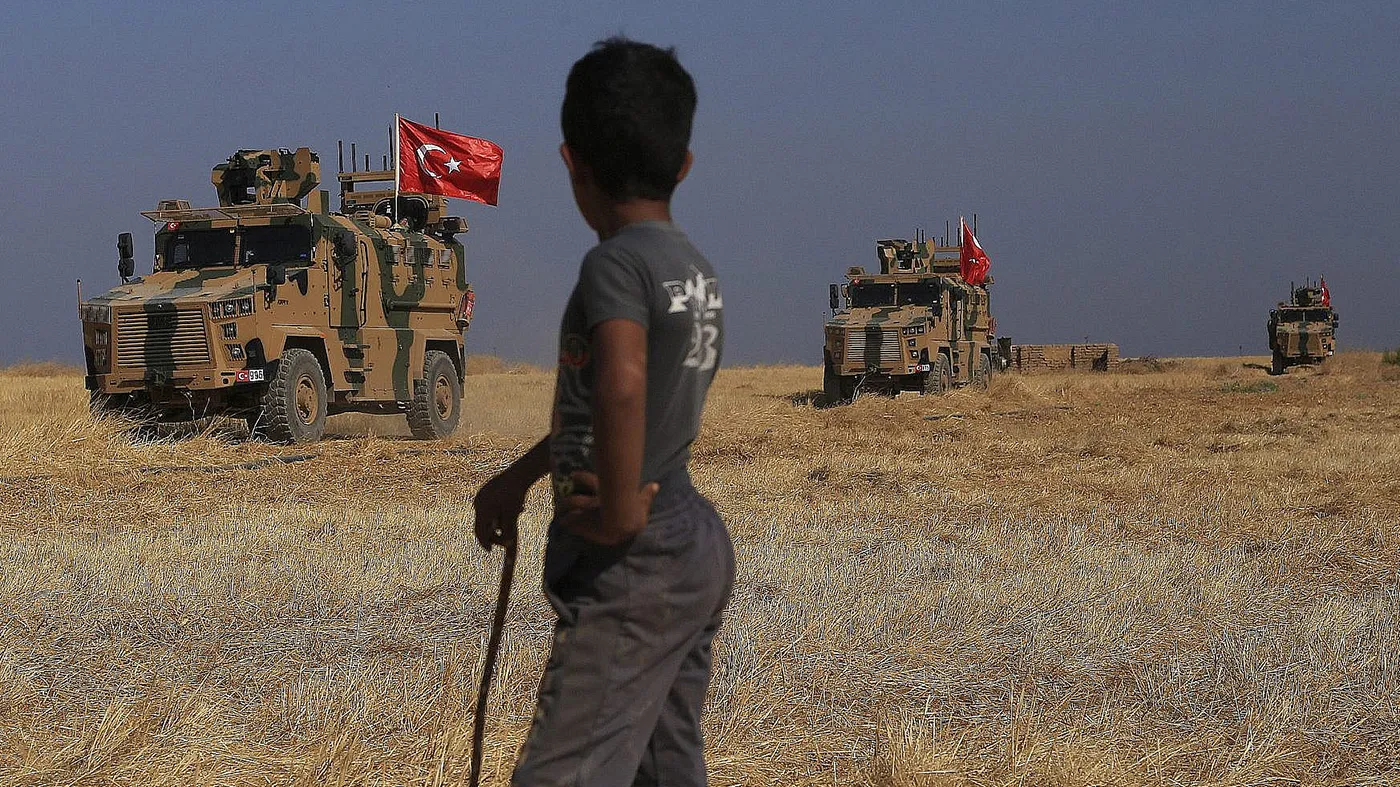
President Trump's policy shift ignores Turkey’s slaughter of Kurds in Syria.
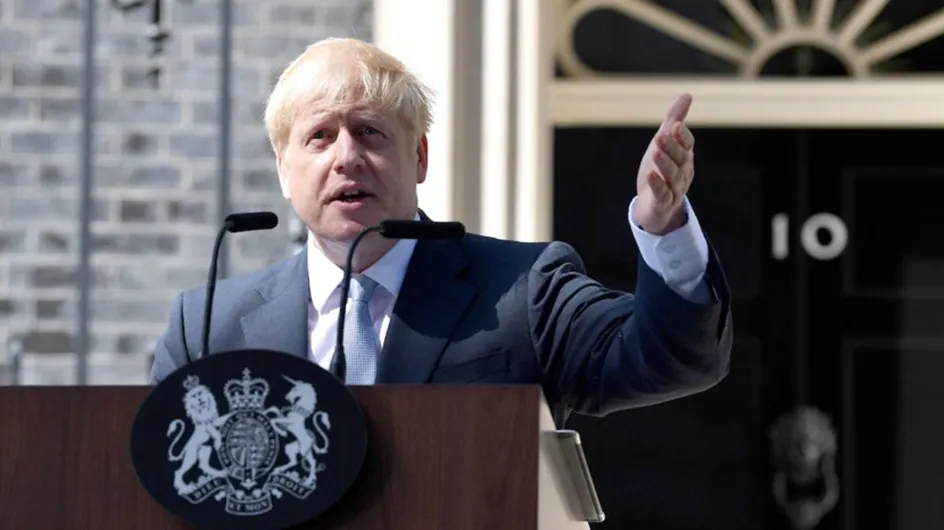
Trump's friendship will help Johnson once Brexit is finalized, but he cannot appear cozy with or beholden to the US president.
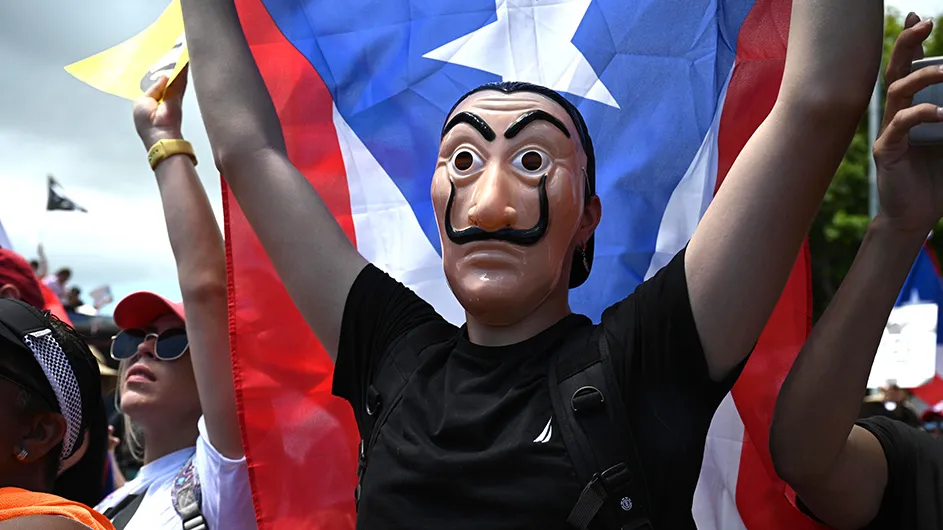
The governor has announced his resignation, but the complaints were about more than him. And they're not going away.
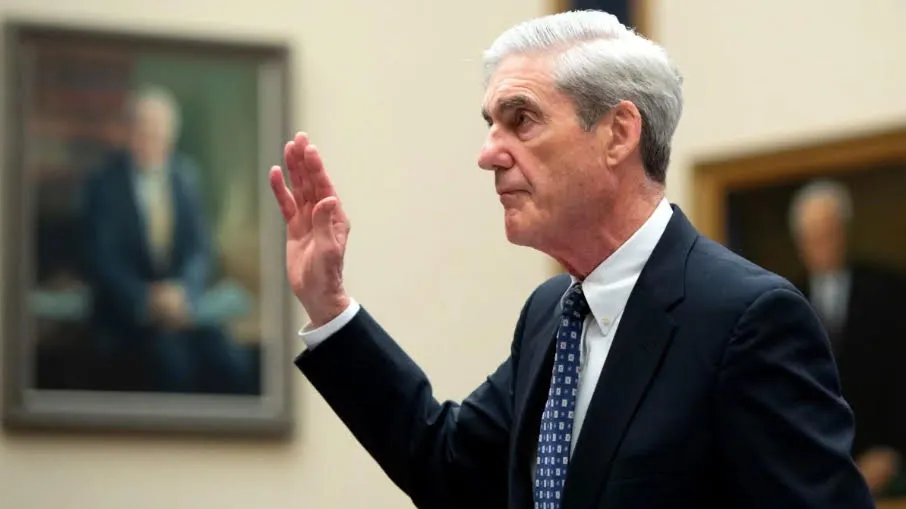
If small steps like increasing election security are not politically tenable, then we can expect Russia, China, Iran and others to influence our elections in 2020.
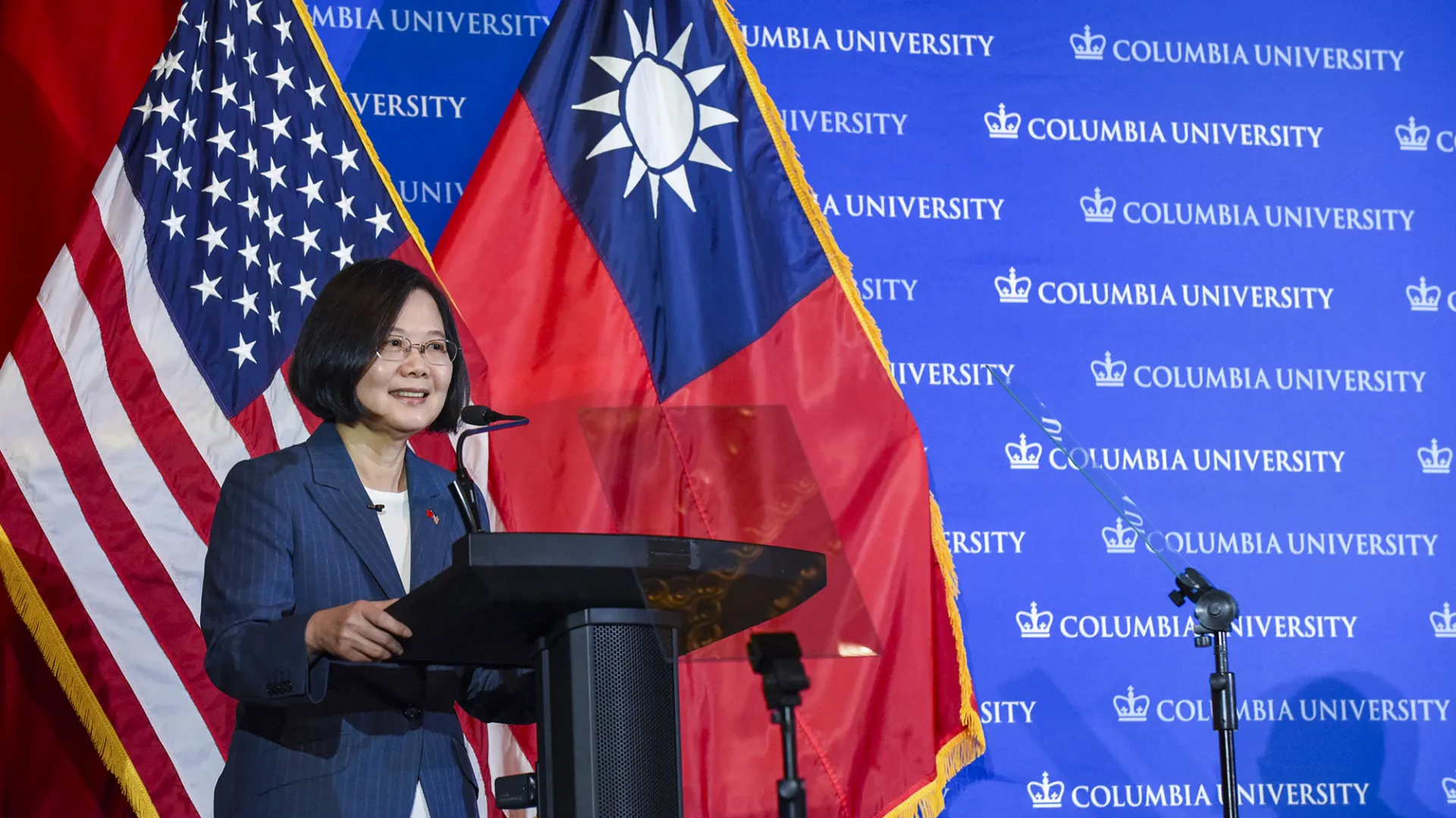
President Tsai Ing-wen, as part of a two-day U.S. tour, participates in an academic discussion with members of the Columbia community.
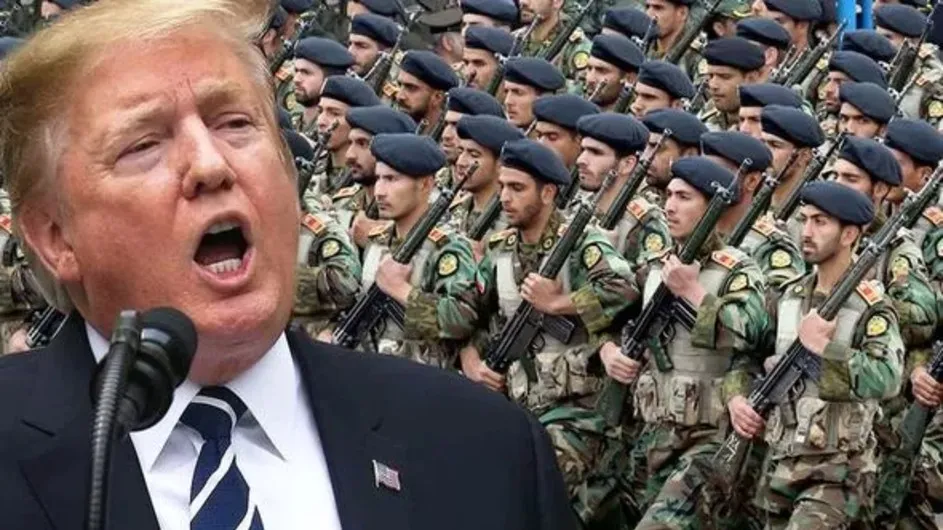
While Iran is weighing its options, the Trump administration seems to lean toward containment.
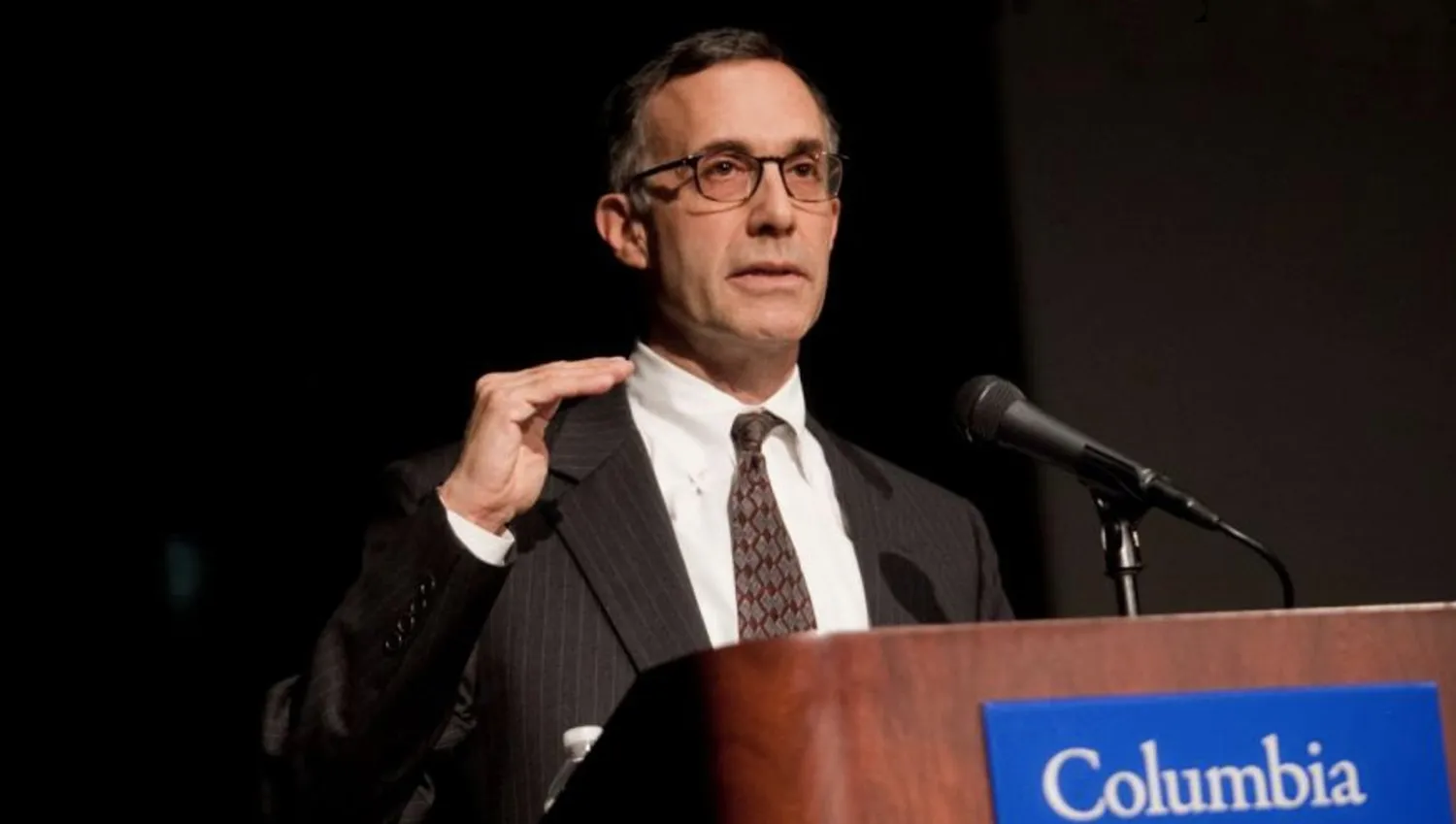
And moderators need to stick to the rules. That means no interrupting, talking over each other, or blowing past the time limits.
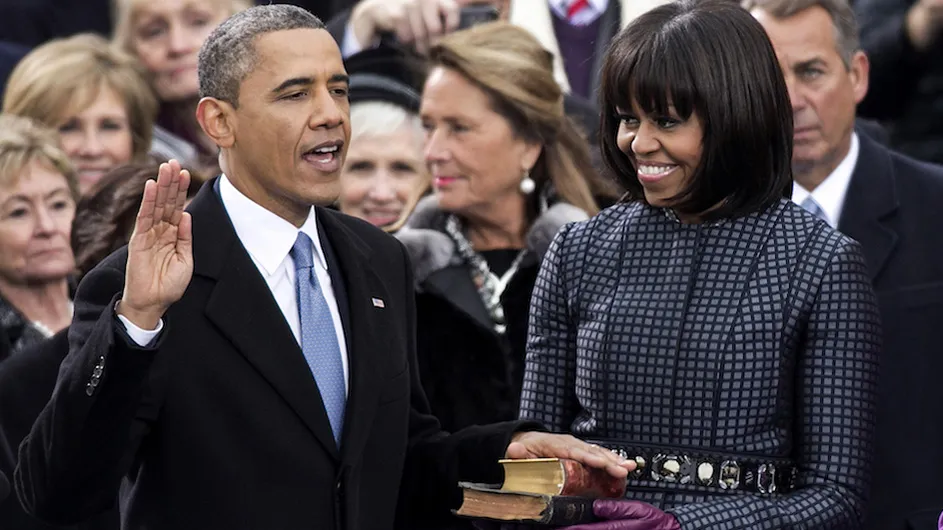
The Obama Foundation has selected the Columbia Center for Oral History Research to produce the official oral history of Barack Obama’s presidency. This project will provide a comprehensive, enduring record of the decisions, actions, and effects of his historic presidency.
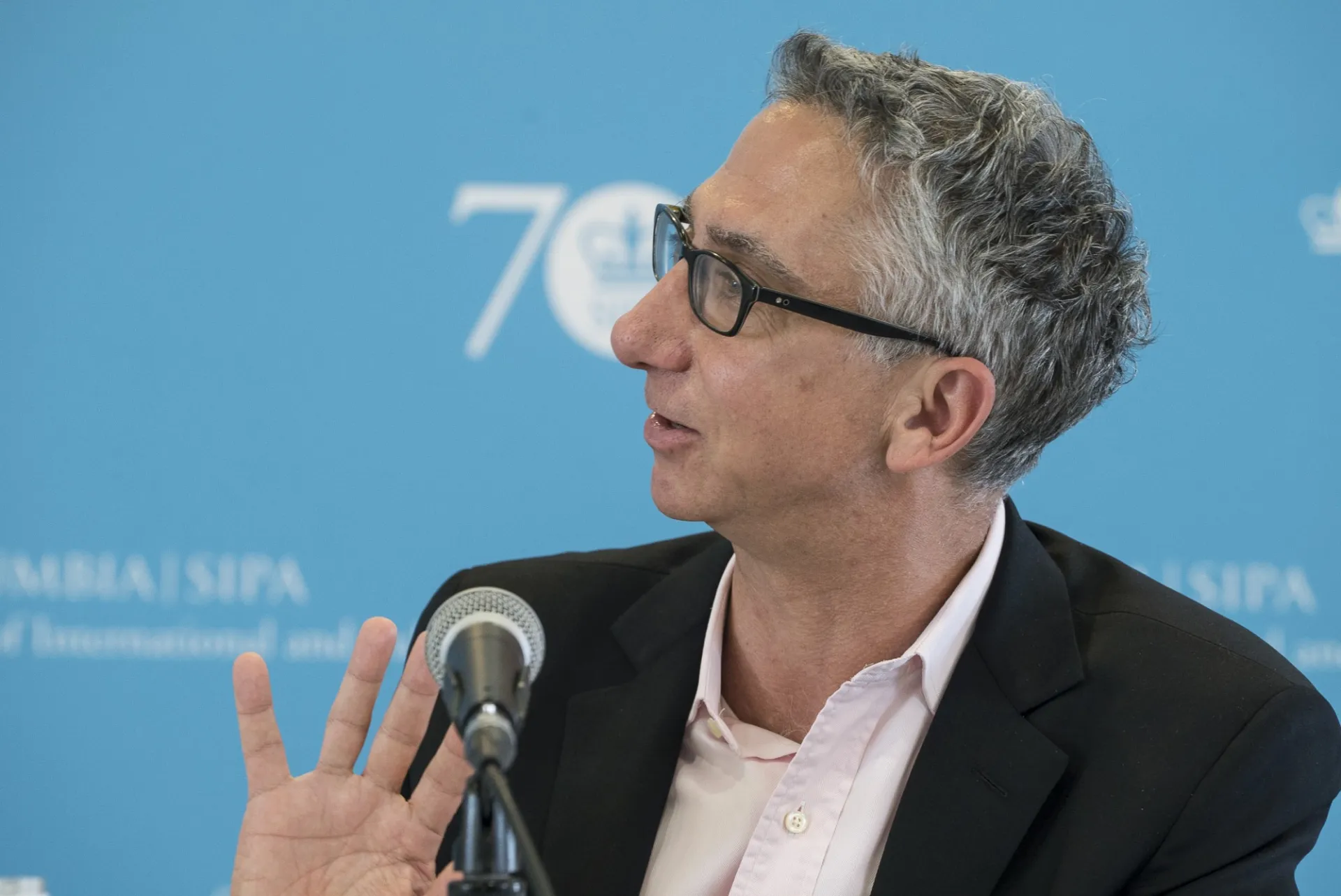
Columbia's Christopher Sabatini examines the Venezuela crisis and President Donald Trump's support for Juan Guaidó.

Dana Canedy calls the reporters “international symbols of the importance of press freedom.”
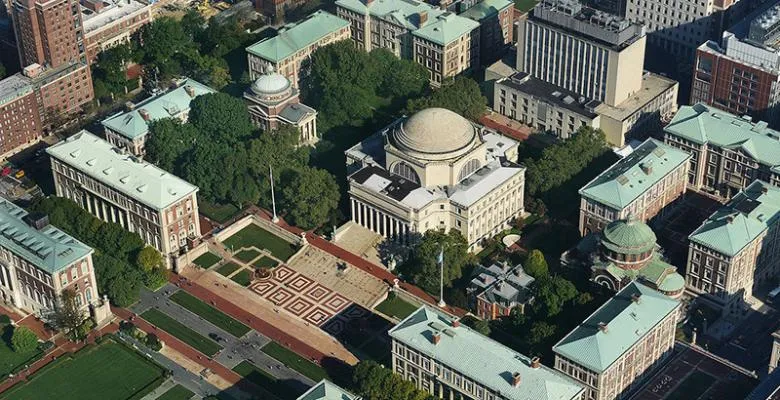
Columbia World Projects and Microsoft will pilot the ElectionGuard technology, a free open-source software development kit, aimed at improving the security of elections while also improving confidence in the voting process across the United States and the world.