Columbia and FDNY Work to Improve Emergency Response Across NYC
This next phase will focus on shortening ambulance transport times, strengthening hospital coordination, and advancing 911 operations.
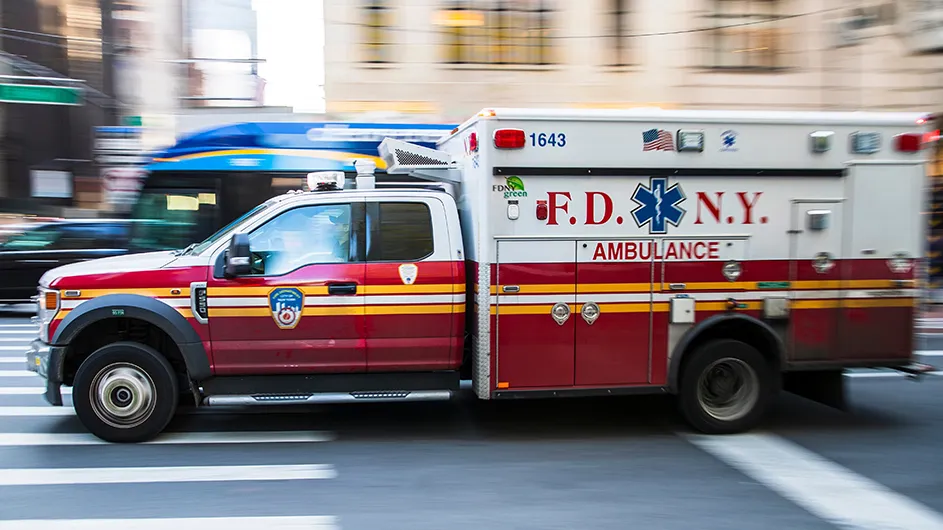
The New York City Fire Department (FDNY) and Columbia University’s Center for Smart Streetscapes (CS3) announced the next phase of their joint effort to improve emergency medical response across New York City’s five boroughs. The expanded work will develop and deploy advanced dispatching and simulation tools designed to help the FDNY assign resources more effectively, prepare for increased demand, and evaluate operational changes before they are implemented. Improving the time between when 911 is called and an ambulance gets a patient to the hospital for care can be the difference between life and death.
“Responding to emergency medical calls quickly and safely is critically important to saving lives, and we are always exploring new ways to lower response times,” said New York City Fire Commissioner Lillian Bonsignore. “We are grateful to our partnership with Columbia University in attacking a problem that is crucial to public safety, and we are excited to continue exploring ways to come up with solutions together in the future.”
“For New Yorkers, seconds matter. When someone calls 911 with a medical emergency, the time it takes for an ambulance to reach the patient and get them to the right hospital can shape the outcome,” said Columbia University Professor and CS3 Director Andrew Smyth. “In a city with New York’s scale, density, and traffic patterns, that is an extraordinary challenge. The FDNY-CS3 effort has focused on improving those critical moments.”
The work began in 2019 with a clear set of priorities: route ambulances more efficiently, keep hospital demand balanced, and align staffing with real demand. CS3 researchers worked alongside FDNY leadership to turn those priorities into tools the department could put to work.
In December 2020, the FDNY implemented new ambulance routing strategies that cut transport time by one minute and 24 seconds for roughly one in 10 ambulance responses citywide. Additional tools introduced the following year helped balance hospital demand during COVID-19 surges by directing patients to hospitals with available capacity. Updated models were also rolled out that helped align 911 call-center staffing with demand. Together, these improvements have strengthened the FDNY’s emergency medical response under pressure.
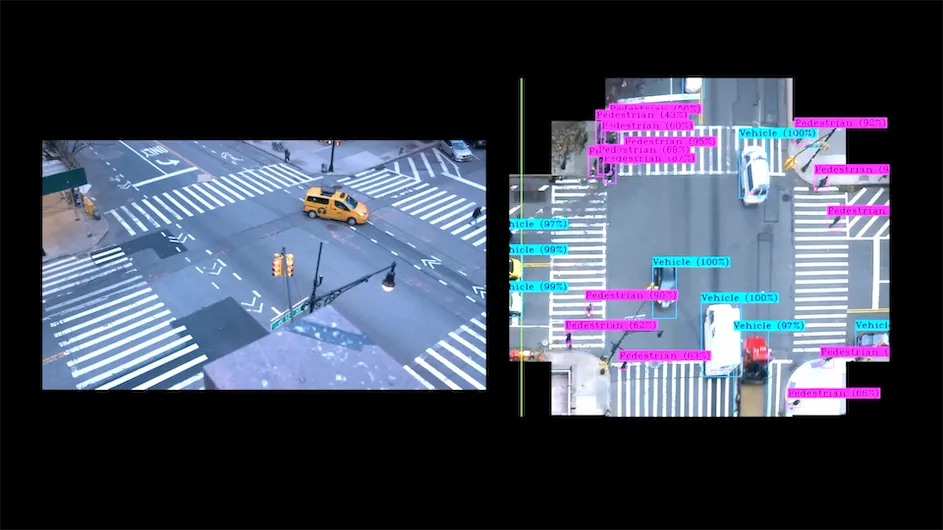
The next phase focuses on the critical moment when a call arrives and resources must be assigned. The FDNY and CS3 will develop new optimization tools and enhanced simulation models to help the department test scenarios, prepare for surges, and evaluate policy changes before they go live in the field.
A major component of this work is a five-year project launched in 2025, funded by the National Science Foundation and undertaken with the University of Southern California, to build a live simulation model—or “digital shadow”—of FDNY emergency medical operations. Using artificial intelligence and operational data, the digital shadow will mirror how the system behaves, giving the FDNY a safe environment to test decisions, anticipate pressure points, and improve readiness before changes reach the street.