Columbia Is Setting an Example of How to Move Forward
A recent survey identified that the University’s strengths are part of a broader, if fragmented, culture that is capable of constructive discourse.
Our country—our world—is fractured. And in many ways, Columbia University has been a microcosm over the last three years of that fractured state. But if Columbia has been a microcosm of all that this country and the world are facing, it is also an example of resilience, innovation, and effective conflict engagement.
I say this because I study conflict resolution under difficult circumstances, and this past December and January, I conducted a survey of the Columbia community to gather stories about transformative conversations; student-led initiatives that bridged divides; a department’s innovative dialogue practices; restorative processes that helped repair harm; and policies that created space for inclusion and accountability. The results were inspiring.
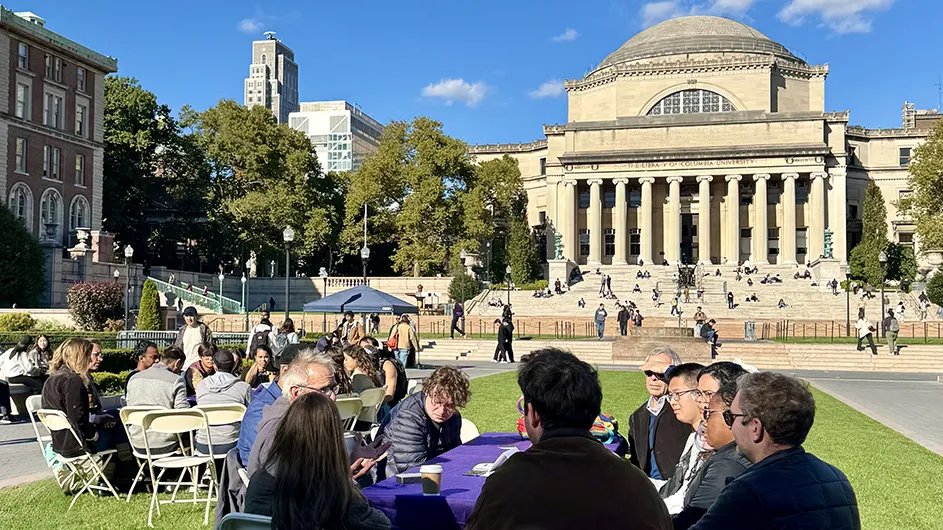
As stories from the survey revealed, over the last year, across all 17 Columbia schools, numerous initiatives have been successfully fostering constructive engagement amid intense disagreement. The “Listening Tables,” organized by Columbia’s Trust Collaboratory, a research center that explores the social dynamics of trust, are providing students, staff, and faculty structured environments to discuss contentious issues openly and respectfully, with trained facilitators guiding dialogue and setting clear expectations. Many respondents to the survey noted that these structured engagements allowed them, often for the first time, to share honest perspectives without fear of being labeled or attacked. “I loved attending Listening Tables and being able to hear distinct perspectives from all over the world,” wrote one student. “As an undergraduate, I also appreciated the opportunity to connect with graduate students who have more work and life experience.”
At the School of Social Work, listening sessions are transforming potential arguments into empathetic exchanges of personal stories, humanizing conflicts, and fostering mutual understanding. Similarly, moderated public dialogues at the Journalism School have brought opposing leaders together on charged topics such as public safety and AI in higher education. The School of International and Public Affairs is casting a light on the power of dialogue to cross vast political divides. Columbia College and the Fu Foundation School of Engineering and Applied Science hold regular faculty-student lunches that are lowering the temperature simply by reducing hierarchy. At Religious Life, student leaders from five faith groups planned and hosted interfaith dinners together, which allowed them to meet regularly, build trust, and collaborate. These are just a few of the efforts being made. What’s more, the stories I heard through the survey underscore the power of rigorous, respectful exchange over polarizing rhetoric.
Crucially, the survey identified key factors contributing to these successes. Structured engagement, facilitated by clearly communicated norms and skilled moderators, created environments conducive to authentic dialogue. Programs emphasizing the development of tangible conflict-navigation skills, such as emotional regulation, active listening, and persuasive communication, were notably effective. Furthermore, consistent, recurring interactions built a more robust foundation of trust and community resilience, proving that you can have strong opinions but still discuss them.
Initiatives focused on shared tasks, like offering community service, rather than abstract debates were particularly impactful, as collaborative problem-solving fostered cross-community trust and reduced identity-based divisions. One staff member said, “I really enjoy working with the student volunteers at Community Impact on campus. The students are committed to creating and leading programs that have a positive impact on the communities around Columbia. They are the true bright spots on campus and within the community.” A student said, “One of the most helpful and grounding spaces for me during recent challenges has been the classroom itself. Being in class created a sense of structure, purpose, and shared effort at a time when many of us were facing personal and emotional uncertainty … it became a place where trust slowly rebuilt through dialogue, listening, and shared vulnerability.” Additionally, the survey emphasized the importance of holistic well-being; peer support, resilience training, and dedicated listening spaces significantly mitigated burnout and supported intellectual and emotional engagement during times of crisis.
Columbia’s experience during times of distress clearly demonstrates that conflict itself is not inherently detrimental; rather, it underscores the necessity of systematically cultivating a conflict-intelligent community capable of navigating difficult conversations with sophistication, empathy, and rigor. The strengths identified in our survey are not isolated incidents but rather part of a broader, if fragmented, culture that is capable of constructive discourse.
A research university like Columbia, devoted to tackling the world’s most complex challenges cannot afford to be conflict-averse. It must teach its students, staff, and faculty how to argue fiercely without dehumanizing, how to deliberate under stress, and how to hold moral conviction without contempt. In an era defined by polarization, this may be one of the most important contributions a university can make.
The path forward is clear: Columbia should amplify these effective practices and look for ways to lead others inside and outside the world of higher education. Let’s take what we’ve been through and what we’re learning and move forward with purpose.
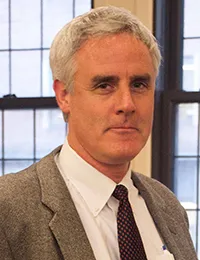
Peter T. Coleman, a professor of psychology and education at Columbia, serves as special advisor to the president and provost on community and culture. He is author of The Way Out: How to Overcome Toxic Polarization.
This column is editorially independent of Columbia News.