GAPS, a Balloon Experiment Pursuing Dark Matter, Launches in Antarctica
What is the nature of dark matter? A new experiment led by Columbia University physics professors aims to find out.
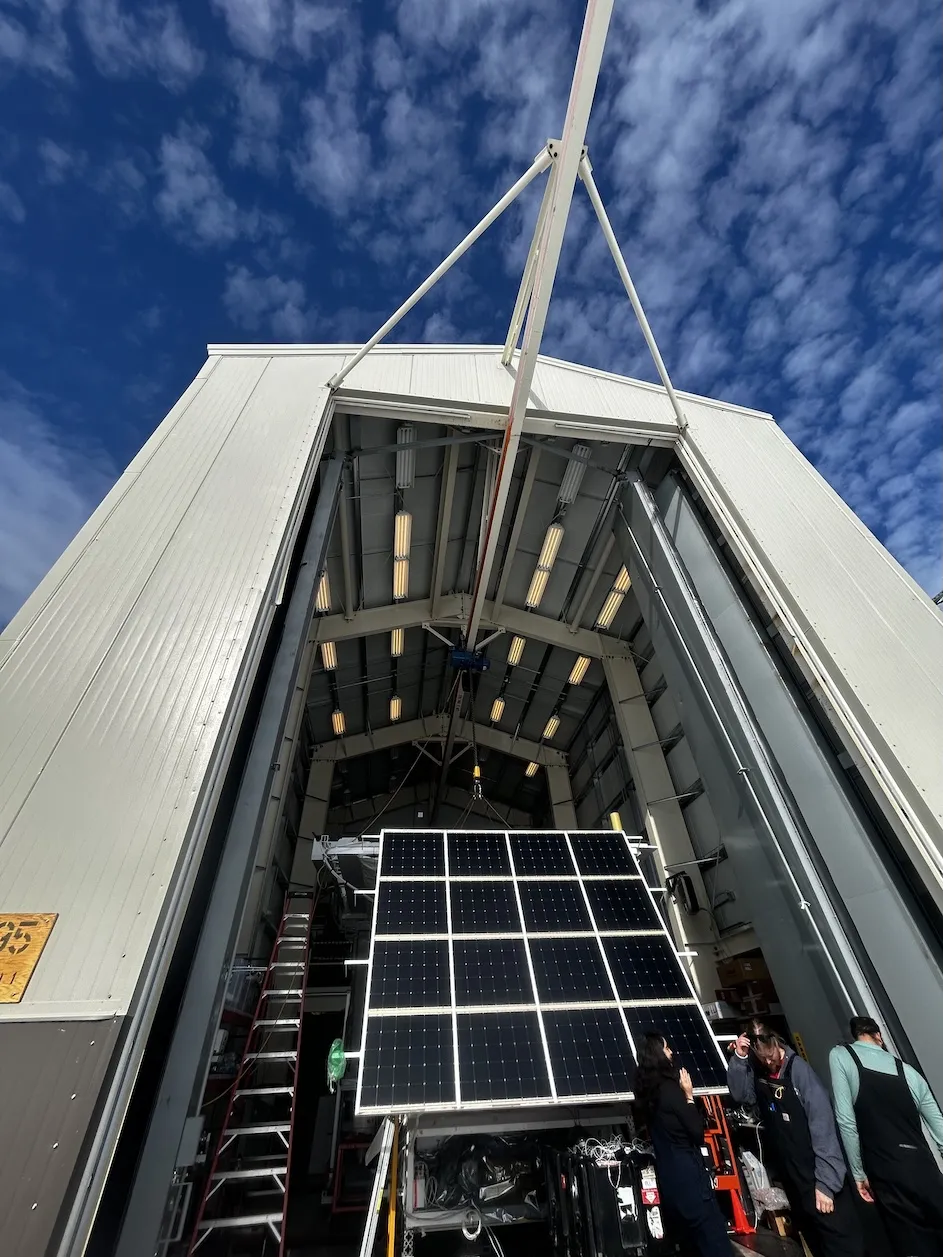
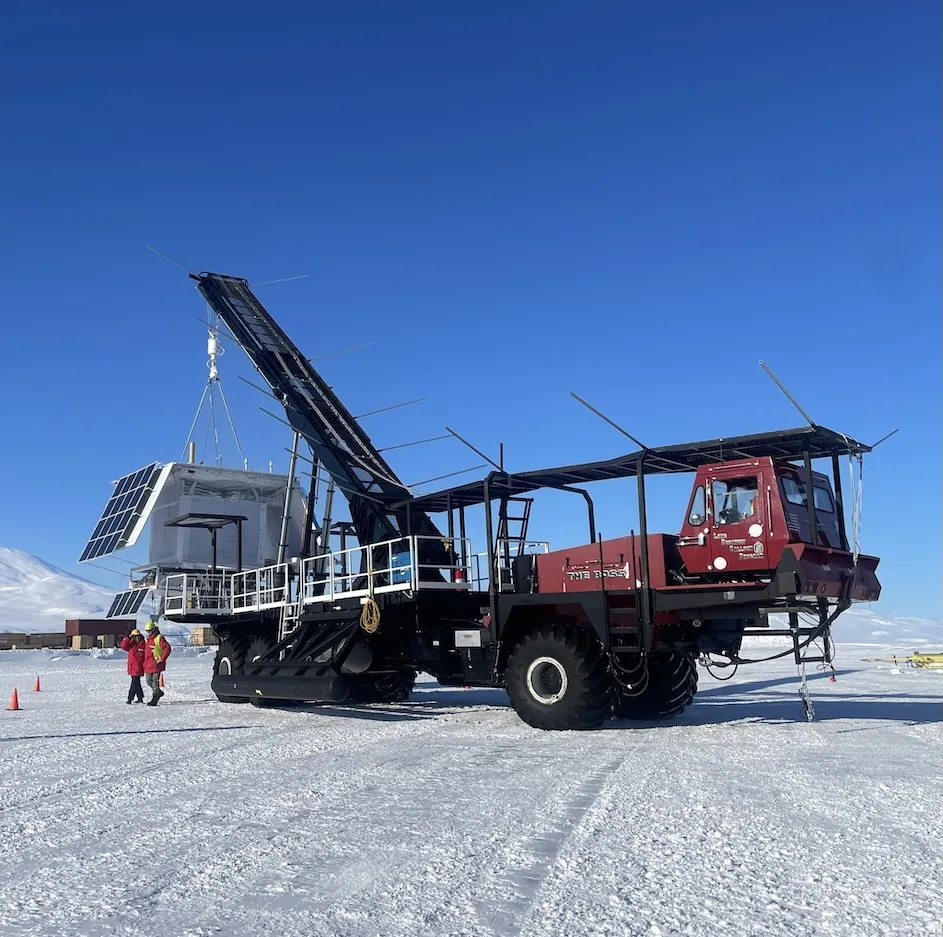
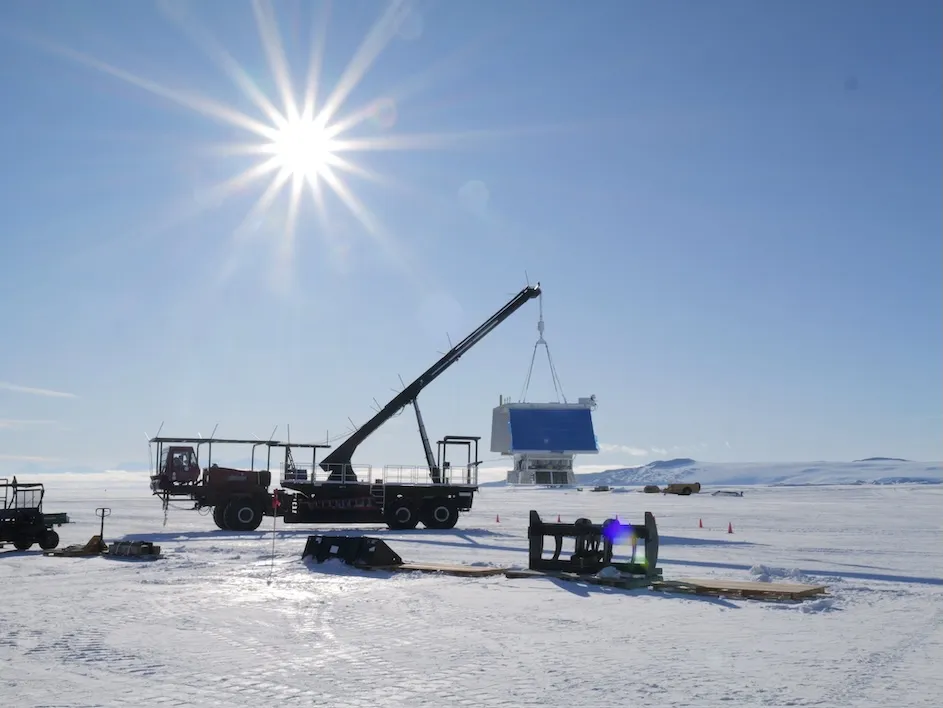
A Columbia University-led balloon experiment launched on December 16 in Antarctica. Its aim: To find out what exactly dark matter is made of.
The experiment is called the General Antiparticle Spectrometer, or GAPS. It is flying at an altitude of almost 22 miles above Antarctica. Its real-time progress is available online.
Scientists can’t see dark matter, but they know that it’s everywhere, exerting a gravitational pull that causes stars and galaxies to cluster and clump into the structures that appear across the universe.
“The project has the potential to deepen our understanding of dark matter, giving us a clearer grasp of what constitutes the most dominant type of matter in the universe,” said Chuck Hailey, Pupin Professor of Physics, and the GAPS project’s principal investigator.
“GAPS is on the hunt for low energy anti-nuclei, and if we observe them, it would confirm that dark matter or some other new physics that we haven’t yet discovered is causing them to appear,” said the project’s deputy principal investigator, Kerstin Perez, the Lavine Family Associate Professor of the Natural Sciences.
The GAPS Antarctic balloon program is the first experiment optimized specifically to identify low-energy anti-nuclei coming from outer space. Scientists have compelling theories for what dark matter could be. If those theories are correct, particles called anti-deuterons would be intermittently drizzling down on earth’s upper atmosphere from space. With this experiment, they can test whether that’s happening.
“After years of developing the technology to enable this experiment, we are thrilled to see it airborne and collecting data that could identify the material that is shaping our universe,” Perez said.
Columbia is the lead institution on the GAPS project. Collaborators include Oak Ridge National Laboratory, UCLA, UC Berkeley Space Sciences Laboratory, the University of Hawaii, Northeastern University, and international collaborators from Japan, Italy, and China.
Primary funding is from the National Aeronautics and Space Administration (NASA), the Japanese Aerospace Exploration Agency (JAXA), the Italian National Institute for Nuclear Physics (INFN), and the Italian Space Agency (ASI), with substantial support from the Heising-Simons Foundation and the National Science Foundation (NSF).
“We’re so thrilled to have launched this project, and eager to find what a cutting-edge particle detector launched above the earth can tell us about the matter that defines our universe,” said Hailey.