A Journalist Takes to the Trees
In her new book—part memoir, part reportage—Marguerite Holloway tells the story of forests in the climate change era.
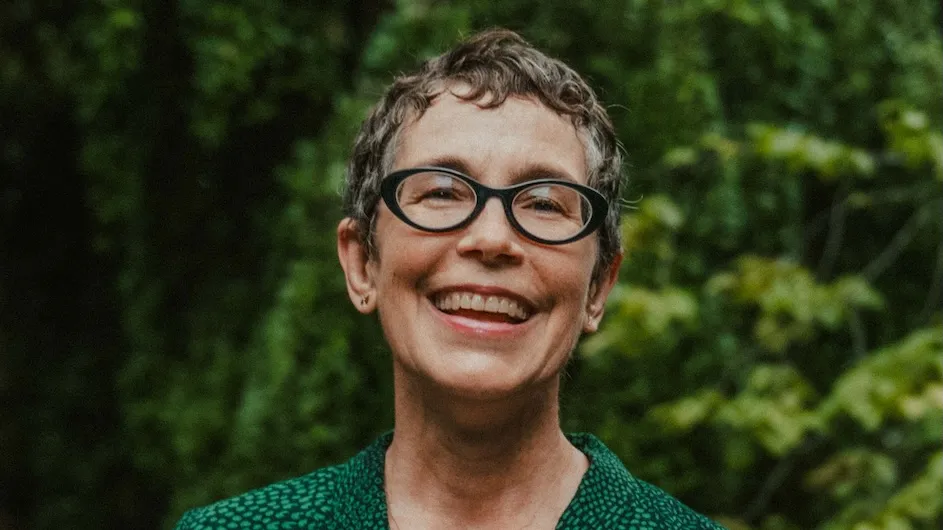
In 2017, Marguerite Holloway—a professor of science journalism at Columbia Journalism School who has written extensively about climate change and the environment—discovered an illustrated journal that her late mother had kept about many of the trees she had encountered and their natural history. That discovery set the gears turning for Holloway’s new book, Take to the Trees. In addition to exploring Holloway’s relationship with her mother and her experience with grief, the book includes extensive reporting on the latest climate change research, and showcases a range of people who are fighting to protect forests, including the arborists and tree climbers Bear LeVangie and Melissa LeVangie Ingersoll, who run the Women’s Tree Climbing Workshop, which Holloway became involved with. Columbia News caught up with Holloway to discuss the book.
What spawned the idea for this book?
It was a whole confluence of things. Discovering my mother’s tree journal while I was grieving her death and her many years of dementia was one thing; I had known she was a naturalist and loved being in nature, but I had never known about her journal. I was also doing a lot of reporting at that time about climate change, and learning about how various tree species are coming under threat. As part of that, I wrote a story for The New York Times about how climate change is affecting the forests of New England; and while reporting that piece, I met twin sisters Melissa LeVangie Ingersoll and Bear LeVangie, who invited me to learn to climb. As is often the case, one story led to another. At some point it became clear to me that I wanted to write a book that wove together all those threads.
How much did you know about climbing before researching the book?
I knew absolutely nothing, and I was, at that point, completely freaked out by heights. But I managed to get up a 70- or 80-foot Eastern hemlock in the process of reporting.
What was different about writing this book than writing a long-form article?
There’s a lot about family loss that I wrote about in the book—the loss of both my mother and my brother. It’s the first time that I’ve ever written in the first person in this way, combining that with the science journalism that I’ve done for my whole career. It has been a powerful experience writing this way, one that feels very right and true to me and that I hope to continue to pursue.
Did doing your book research make you more aware of the immediate perils forests face?
It is quite overwhelming what is happening to trees and forests right now. The scale is absolutely staggering. When you talk to tree scientists who are working at all different scales, they are very aware of this and it is daunting and scary.
I would say that being around researchers and climbers who are really trying to help care for trees and who are trying to work toward a future in which there are healthy forests that can adapt and that are resilient, gave me a lot of hope. But there is no way around the fact that the picture right now is quite stark.
Do you have any book recommendations for tree enthusiasts?
Overstory, the Pulitzer Prize-winning novel about trees, changed the way many people I know see and interact with trees. I really love the work of the Italian botanist Stefano Mancuso, who recently wrote Tree Stories. Also Valerie Trouet’s Tree Story—she has a new book coming out as well. There are so many more—a profusion—it is hard to select just a handful, but my book has an extensive bibliography folks can look at.
Can you tell me about the tree illustrations in your book?
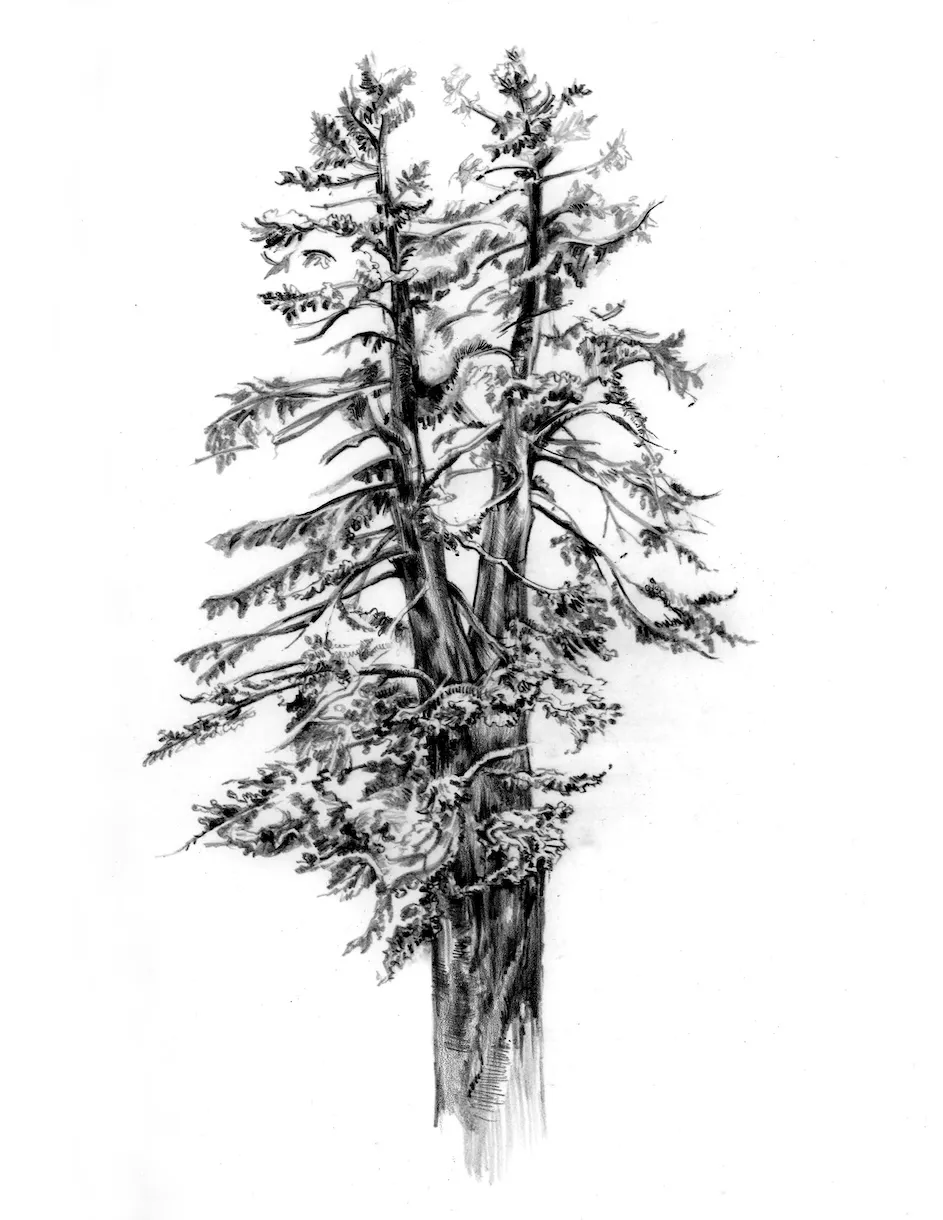
The illustrations were done by the brilliant artist Ellen Wiener, who captures the power and poetry of the many trees who are main characters in the book. Her illustrations have movement and emotion, and I remain blown away by them every time I look at the book.
Which places that you visited in researching this book most surprised you?
I got to spend time with a researcher in Colorado looking at aspen forests. I had never been in a landscape that had that scale of aspen forests and it was really powerful and striking. I got to visit an Atlantic white cedar bog in New Hampshire. I had also never been in that kind of wetland before, and found it very moving. I spent a lot of time in a hemlock grove in Western Massachusetts, learning to climb, and developed a deep connection to three hemlock trees, in particular.
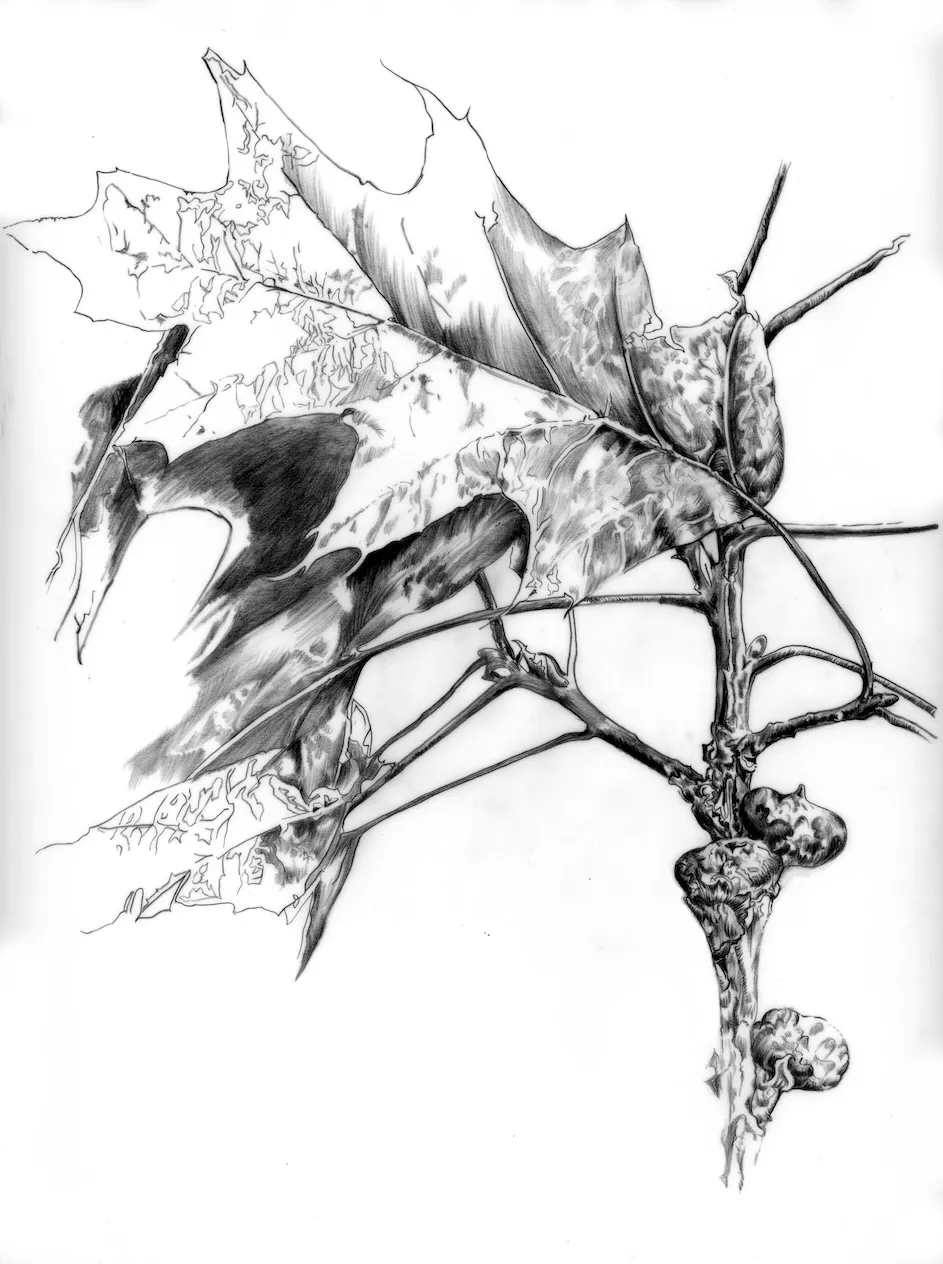
The trees I’m most familiar with are the ones in Riverside Park, right by campus and my home. There are many London plane trees there. I spend a lot of time in the park and along the streets using my tree identification phone app and browsing New York City’s tree map.
Working on the book led me to take a class offered by Trees New York on how to care for street trees. It’s called a Citizen Pruner course. I’ll take a test soon and hope to get certified.
One goal of the book for me is for readers to engage with and see more fully the trees that they interact with every day.