The Bucolic Columbia Campus You May Never Have Heard Of
Columbia University’s Nevis Laboratories have been a hub of particle physics research since the 1950s.
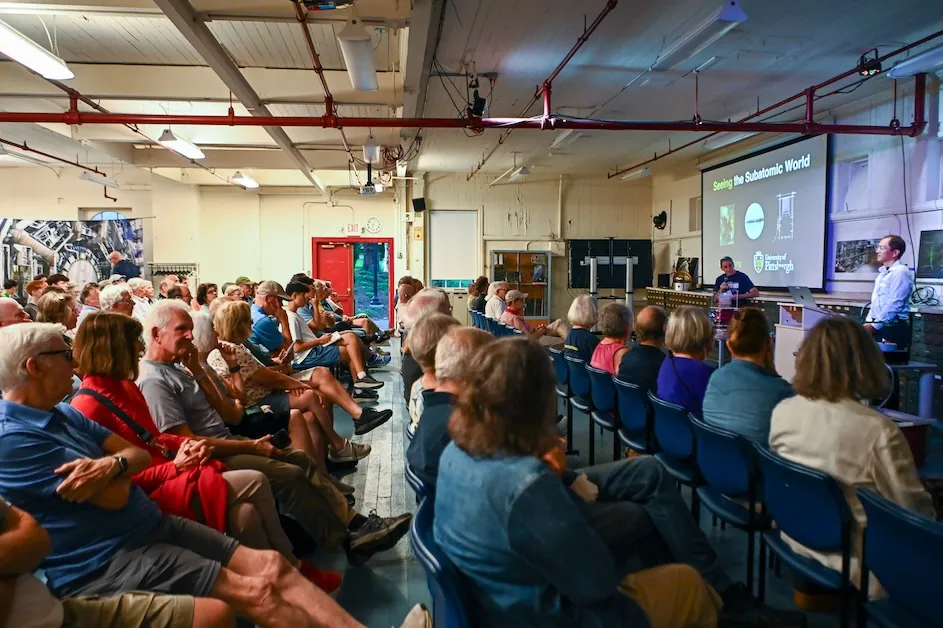
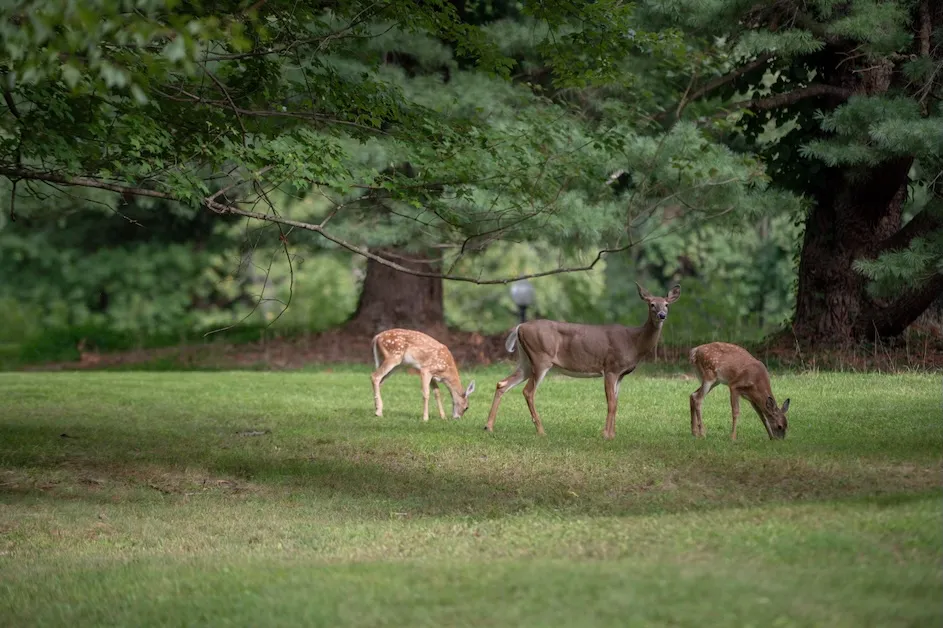
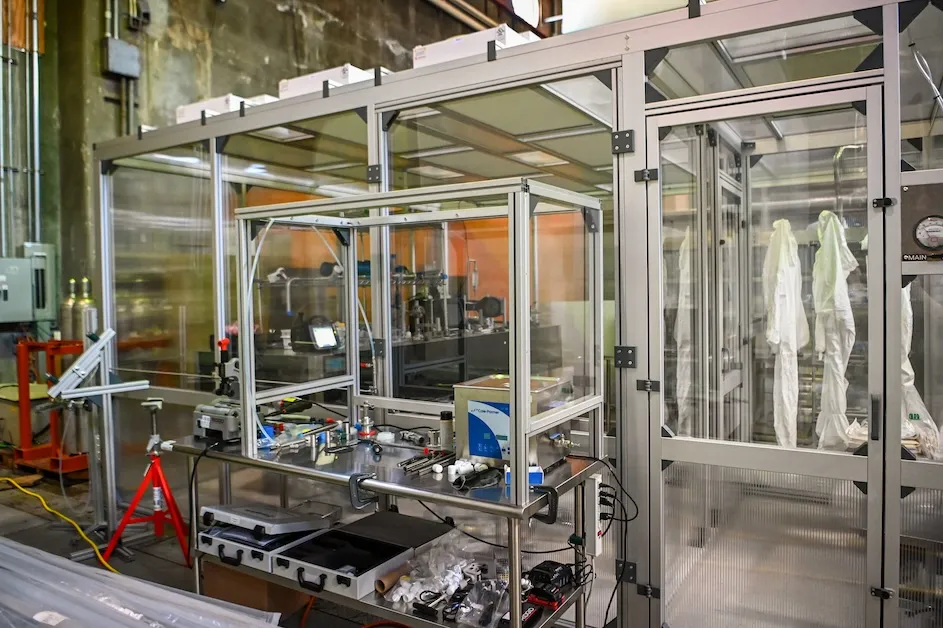
About 18 miles north of Columbia’s bustling Morningside campus in the heart of Manhattan, lies another University campus, where deer graze just outside of state-of-the-art labs, while scientists explore pressing questions in physics, engineering, and medicine.
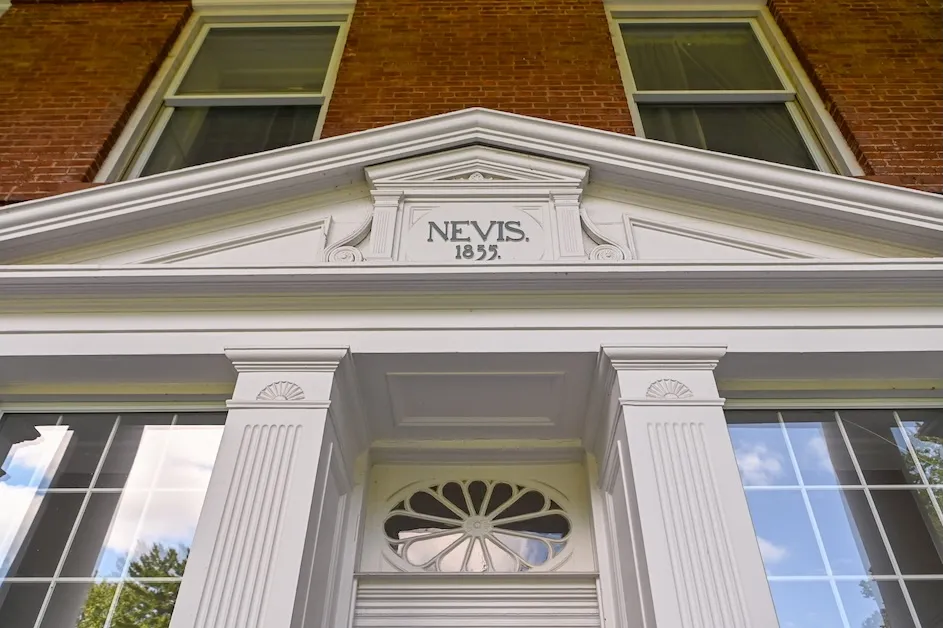
This is Nevis Laboratories, a 68-acre estate overlooking the Hudson River in Irvington, New York.
Operated by Columbia’s Physics Department, the campus houses the labs of a number of physics faculty members and one medical center research facility, and will soon welcome faculty members from the School of Engineering. Around 70 faculty, postdocs, students, and staff are at Nevis at any given time during the academic year.
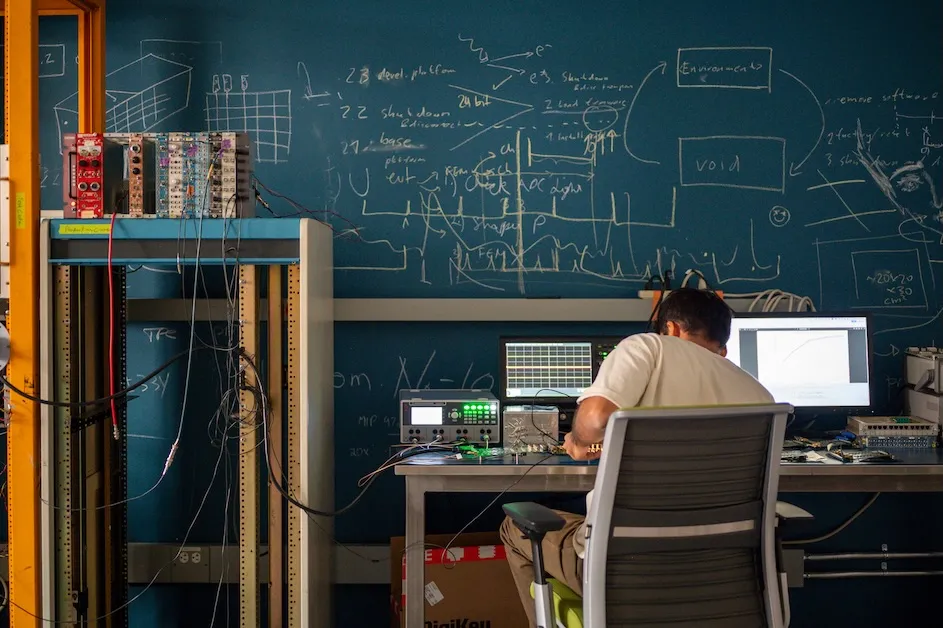
The campus also offers space for Columbia scientists based on the Morningside campus to build experiments that the Manhattan facilities can’t accommodate—like GAPS, a balloon that recently flew over Antarctica collecting data from outer space to help clarify the nature of dark matter.
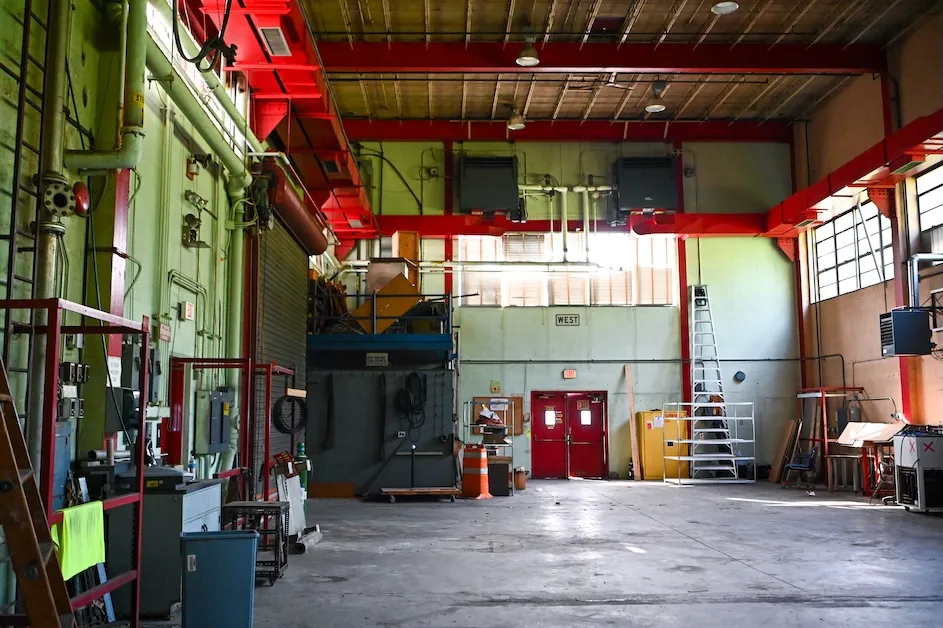
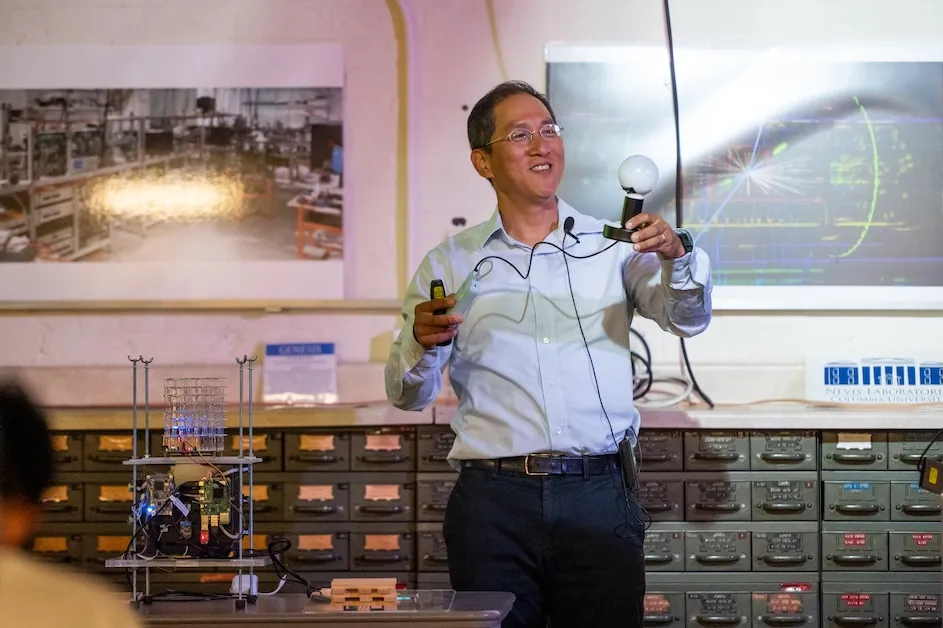
“Nevis has over 30,000 feet of lab space, as well as two large high-bay areas, which offers researchers a lot of flexibility with space that we can’t always get on the Morningside campus,” said John Parsons, a professor of physics and the facility’s deputy director. “It’s an exciting time to be at Nevis, which has been evolving to meet the demands of science since its inception.”
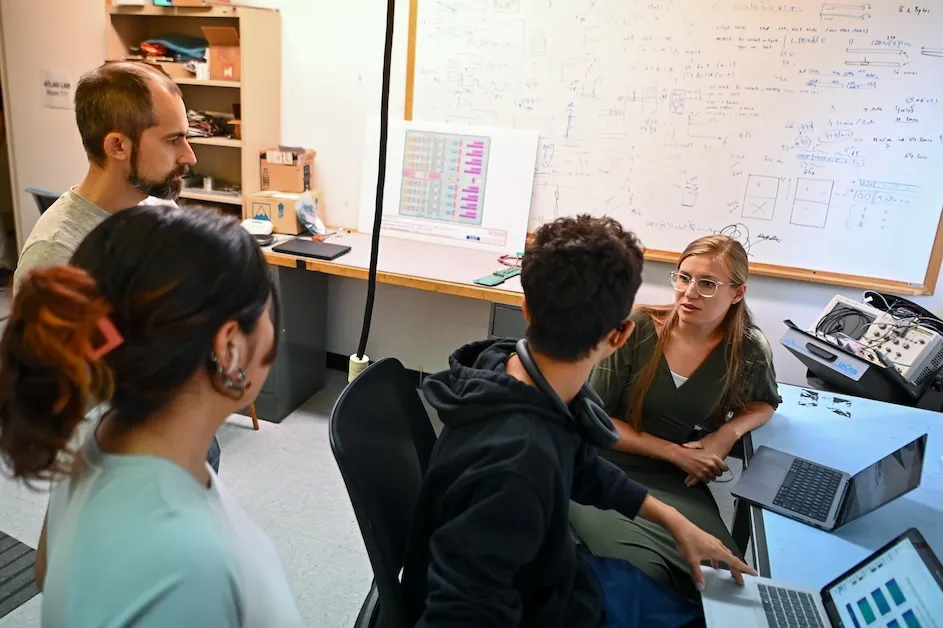
Columbia recently installed a fiber link between Nevis and Morningside Heights that will allow researchers to send quantum communication signals between the two campuses and connect Nevis into SCY-Qnet, a quantum network that currently links research facilities in New York City, Long Island, and Connecticut.
A Campus With History
Alexander Hamilton’s son, James Hamilton (CC 1805), built Nevis, the house that still stands on the site, around 1835. He named it after his father’s birthplace, an island in the Caribbean (Alexander attended but never graduated from Columbia). The house and its grounds stayed in the Hamilton family until the 20th century, when they were purchased by U.S. Senator Thomas Coleman du Pont. His widow, Alice, donated the estate to Columbia in 1934.
The site was used for some teaching during World War II, but it became a physics facility after the war, at the urging of I.I. Rabi, the Columbia physics professor who won the Nobel Prize for his work on magnetic resonance, the technology that laid the groundwork for the MRI.
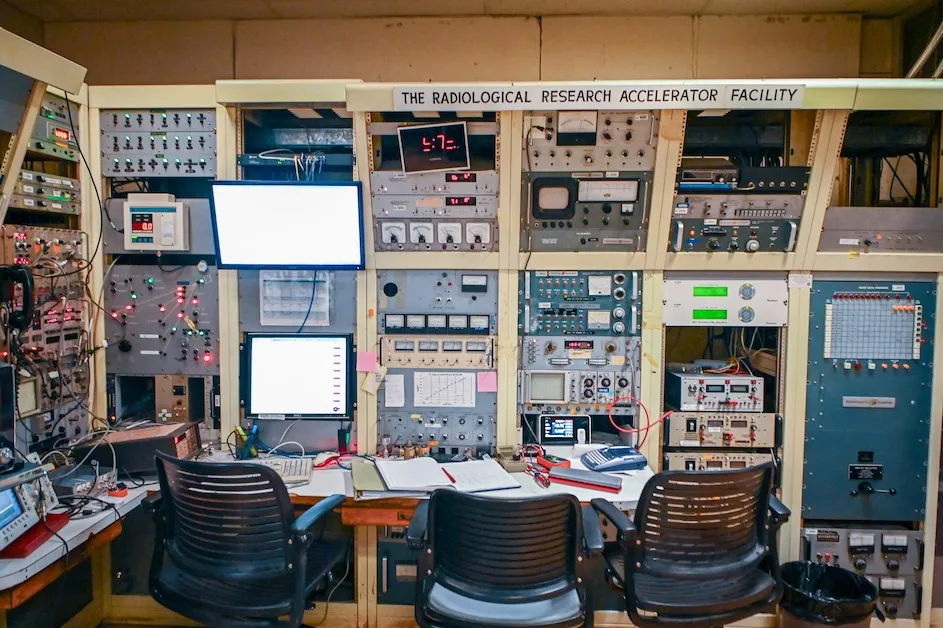
In 1950, Dwight D. Eisenhower, who was president of Columbia University before becoming president of the United States, inaugurated a cyclotron, then the world’s largest particle accelerator, at the site. The cyclotron remained in use until the 1970s.
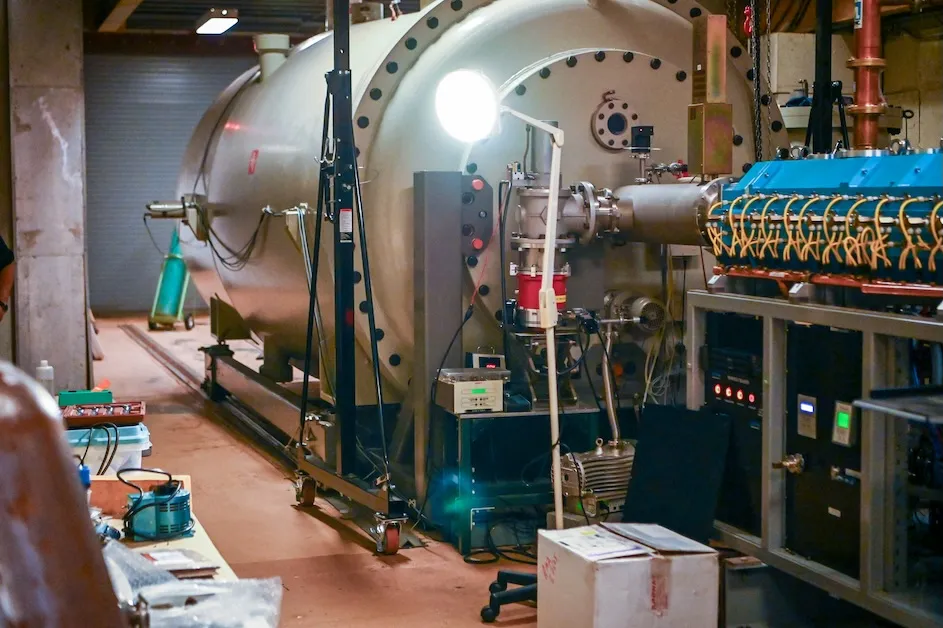
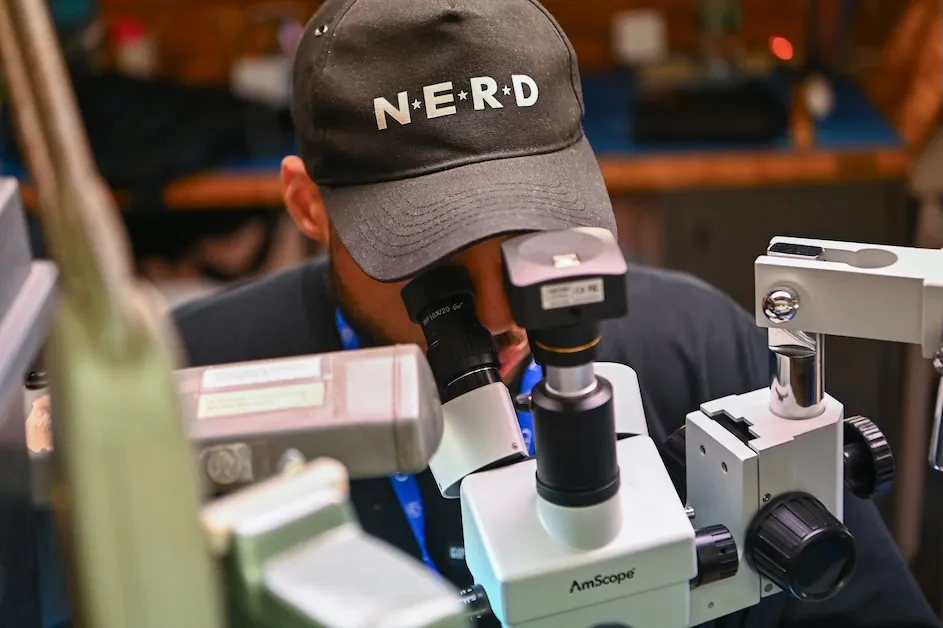
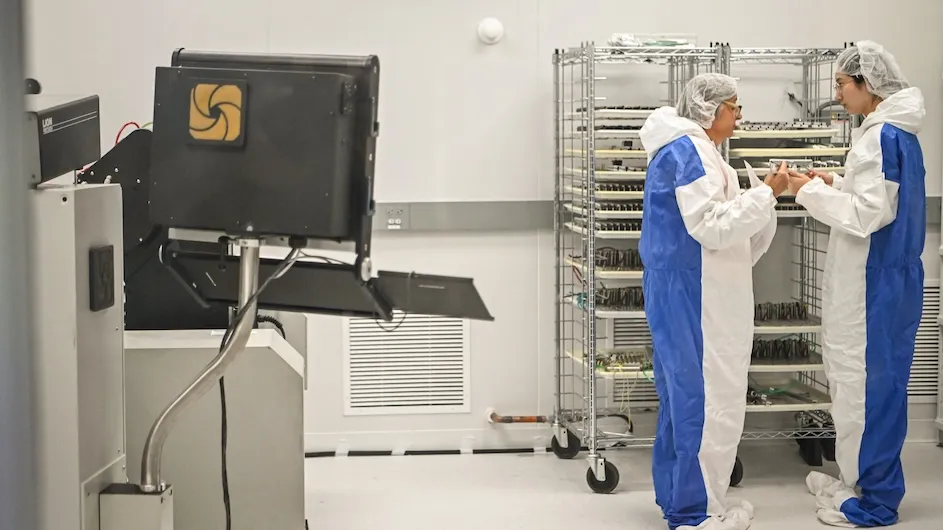
Today, the center serves as the University's primary center for the study of high-energy experimental particle and nuclear physics—the search to better understand the fundamental building blocks that constitute the universe. Faculty members, postdoctoral research scientists, and graduate students, supported by an engineering and technical staff, prepare, design, and construct high-energy particle and nuclear experiments and equipment. These experiments and equipment are transported to major national accelerator laboratories for data collection; the resulting data are then processed and analyzed using the extensive computer systems at Nevis. Experiments are currently taking place at Fermilab, near Chicago; CERN in Switzerland; and Brookhaven National Laboratory on Long Island in Upton, New York.
The space isn’t Columbia’s only upstate lab: The Lamont-Doherty Earth Observatory, the University's home for climate and earth sciences research, sits almost directly across the Hudson River from Nevis, in Palisades, New York.
“Science has evolved significantly since these facilities were first established, but what’s remained consistently true is that a large and flexible space for sustained research is a boon for the Physics Department and our broader scientific community,” Parsons said.
Photographs by Siobhán Mullan