Recent engineering news from across Columbia.
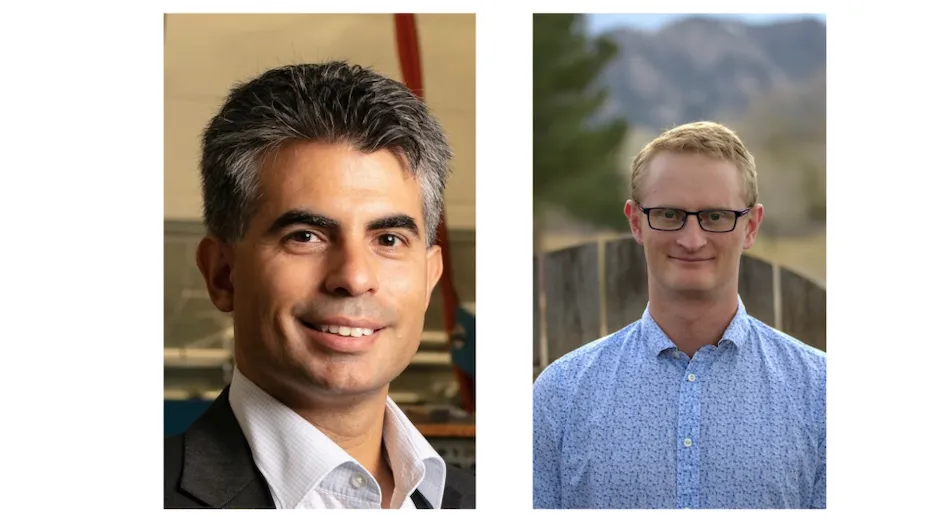
A proposed new approach could reduce the complexity of fusion power plants, researchers say.
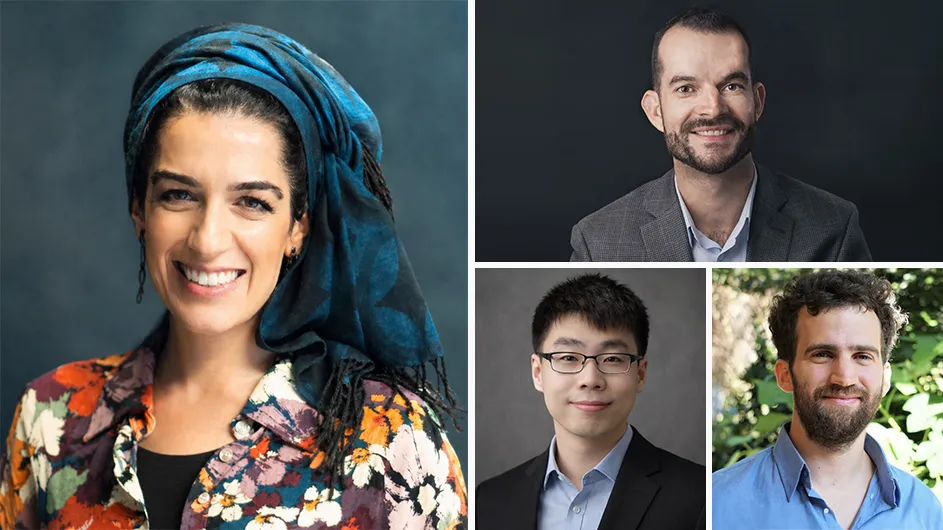
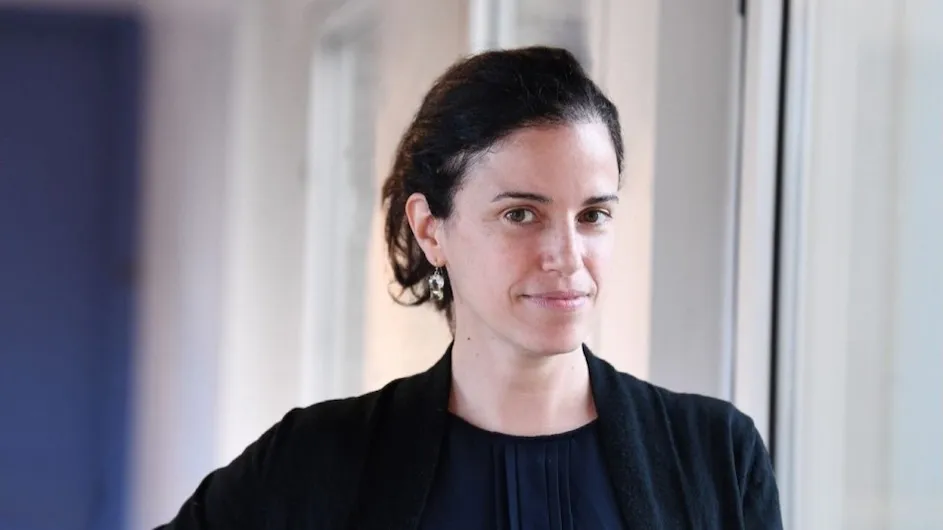
Natalie Fardian-Melamed was recognized for discovering and engineering ultra-sensitive, light-based nanosensors.
Columbia is hosting a range of events during the citywide summit, which takes place September 20-27.

Two Columbia researchers discuss recent AI incidents, and why they think some fears are overblown.
The center will use real-world data and AI to identify how plants and animals build resilience in changing environments.
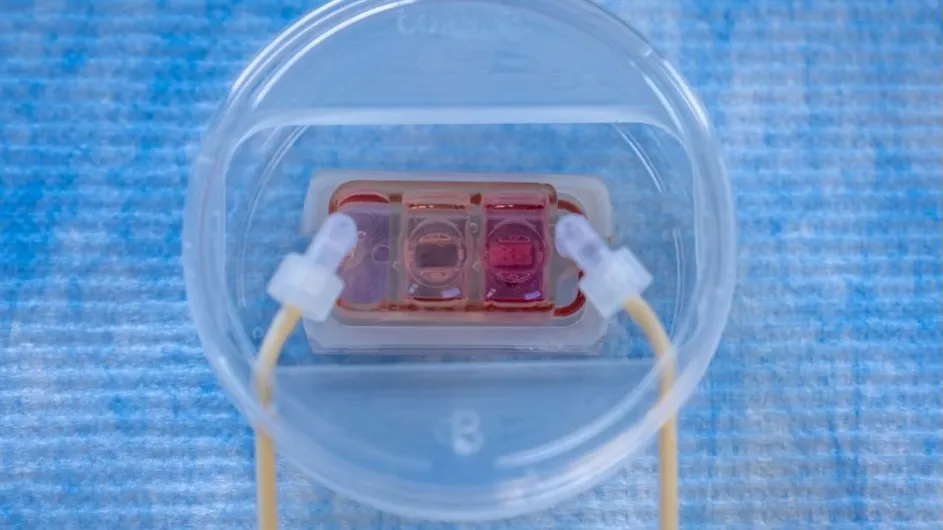
A Columbia team modeled how cancer spreads between organs using lab-grown bone and lung tissues.
Columbia researchers have developed a new way to visualize the heart’s electromechanical activity, offering insight into disease.

Building on discoveries from its prior iteration, the center will shift its focus to developing advanced electronic materials for semiconductors, quantum devices, and more.
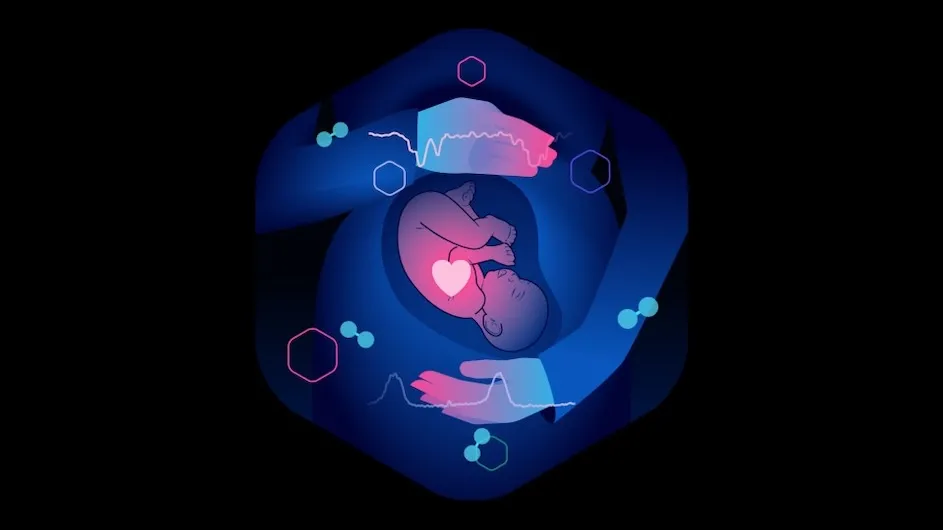
The project is part of a national effort to transform obstetrics with intelligent sensing and real-time clinical decision support.

The Department of Energy mission aims to integrate artificial intelligence into transformative scientific discovery.

A Columbia Engineering professor explains the concept of dynamic pricing and whether there is room to make it fair.
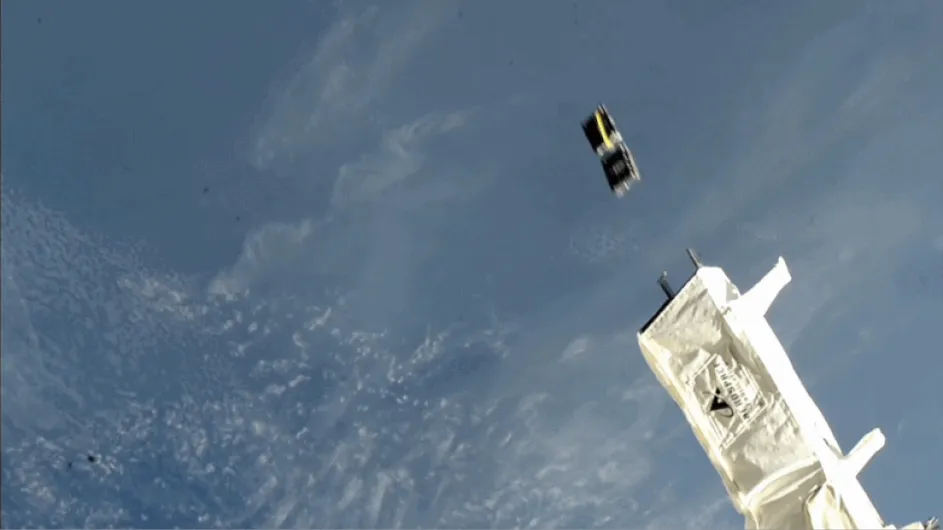
Columbia Space Initiative successfully launched a nanosatellite—and the University lion mascot, Roaree—into Low-earth orbit.