The latest earth, climate, and environmental science news from across Columbia.
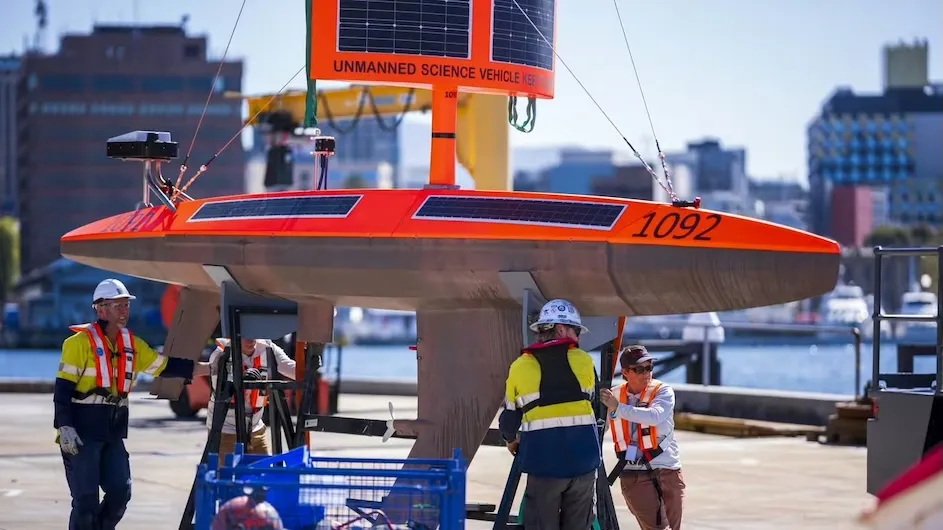
A new project will deploy a fleet of autonomous vehicles to measure carbon exchange across the Southern Ocean.
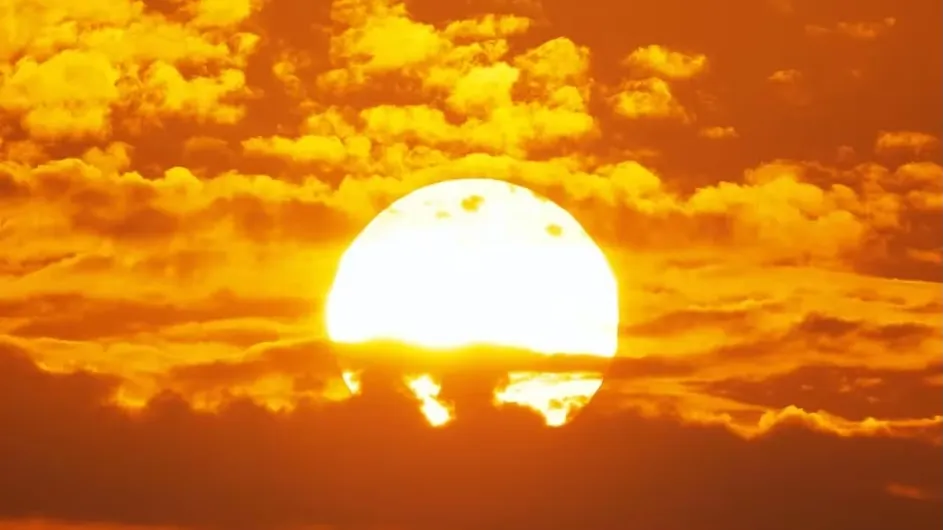
Extreme heat seasons have expanded across roughly half the world’s land area since the 1980s.
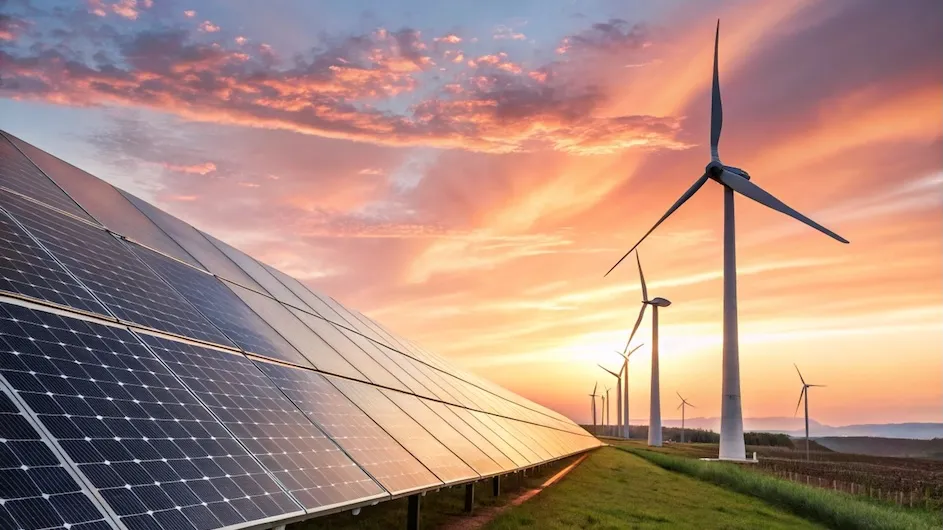
Columbia is hosting a range of events during the citywide summit, which takes place September 20-27.
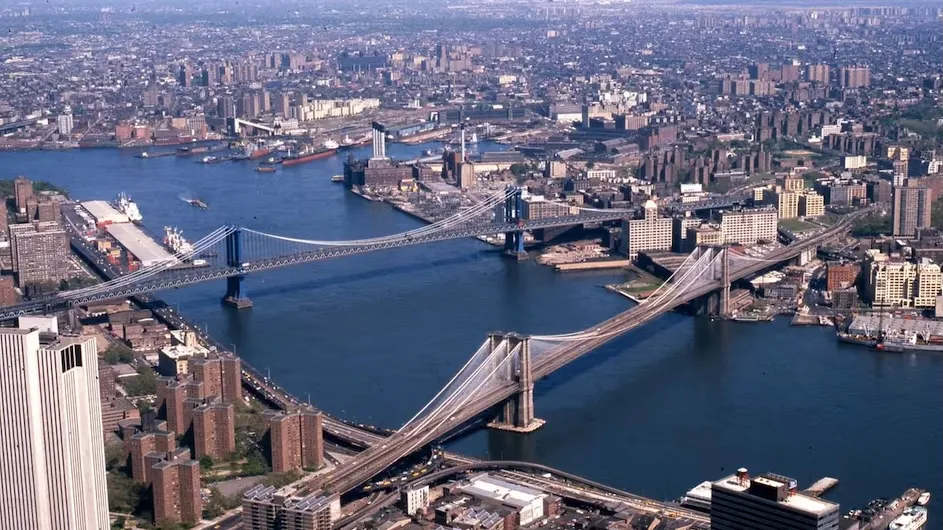
New Yorkers spent $300 million on natural gas they didn't use. Fixing this waste is a climate priority.
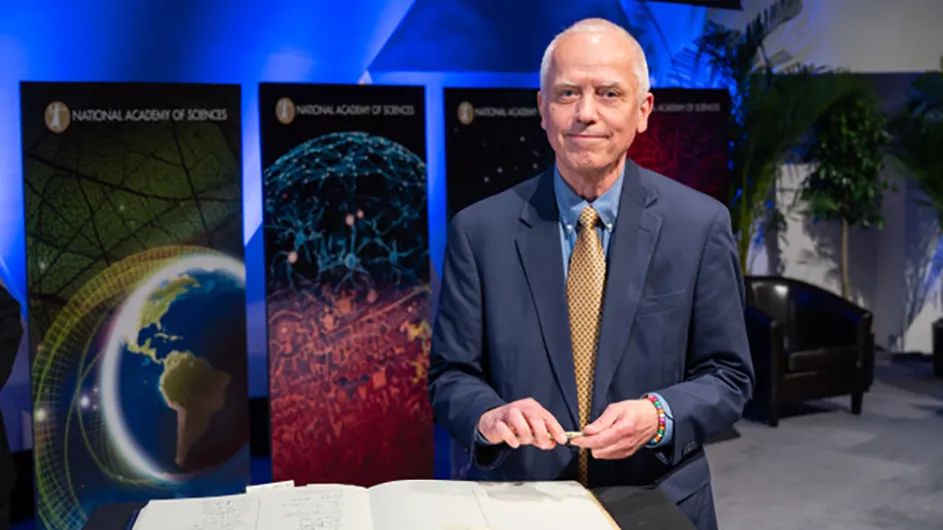
Professor Göran Ekström tracks incidents like landslides and glacier collapse using tools once used only to monitor earthquakes.
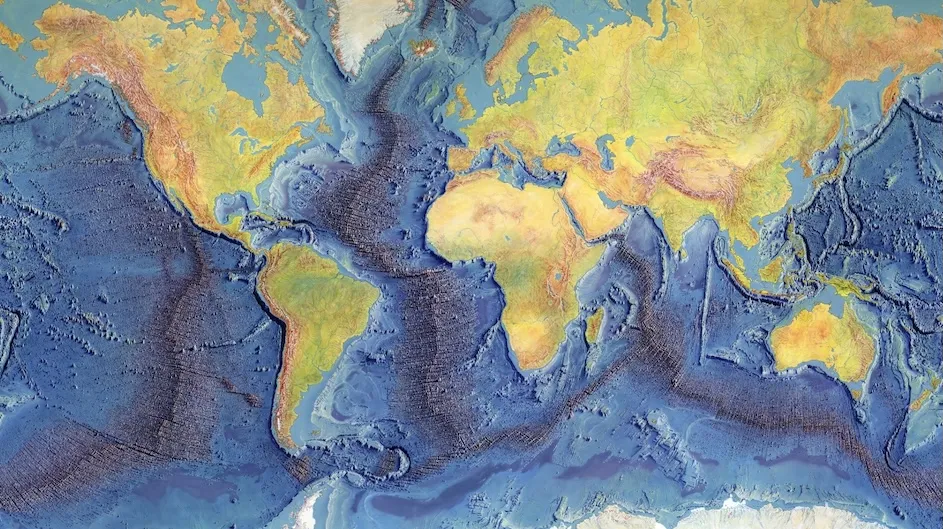
While at Columbia, Marie Tharp and Bruce C. Heezen produced a landmark ocean floor map. Explore it in this new interactive.
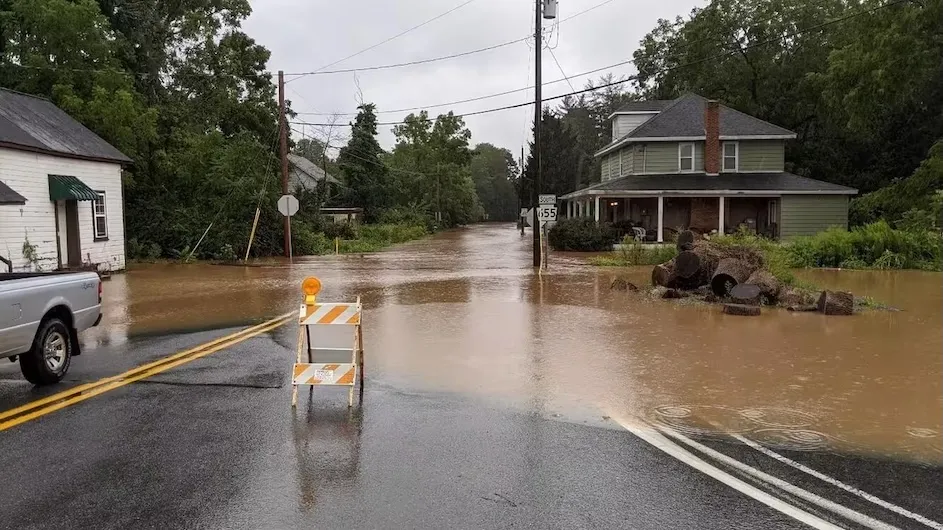
In a new study, Columbia University researchers found unexpected trends in storms with extreme precipitation.
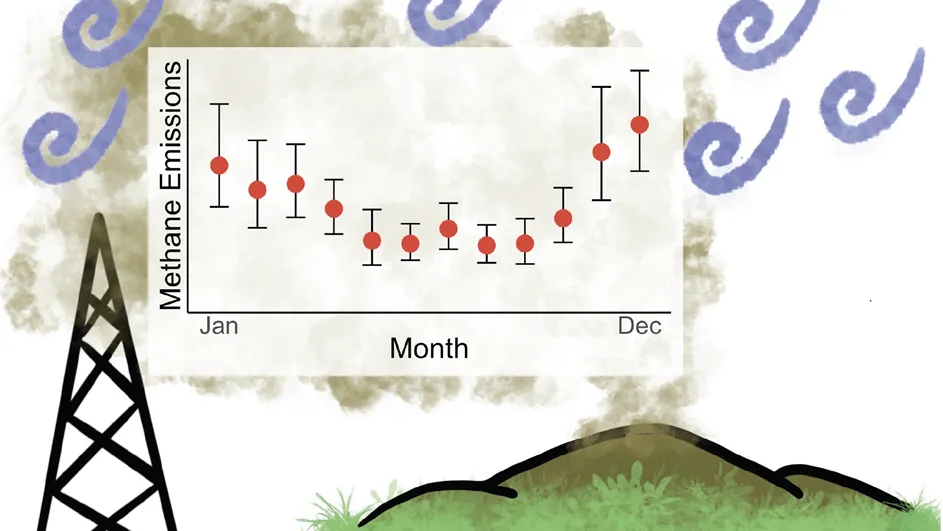
The findings suggest that short-term or “fair-weather” surveys may miss major landfill methane releases.
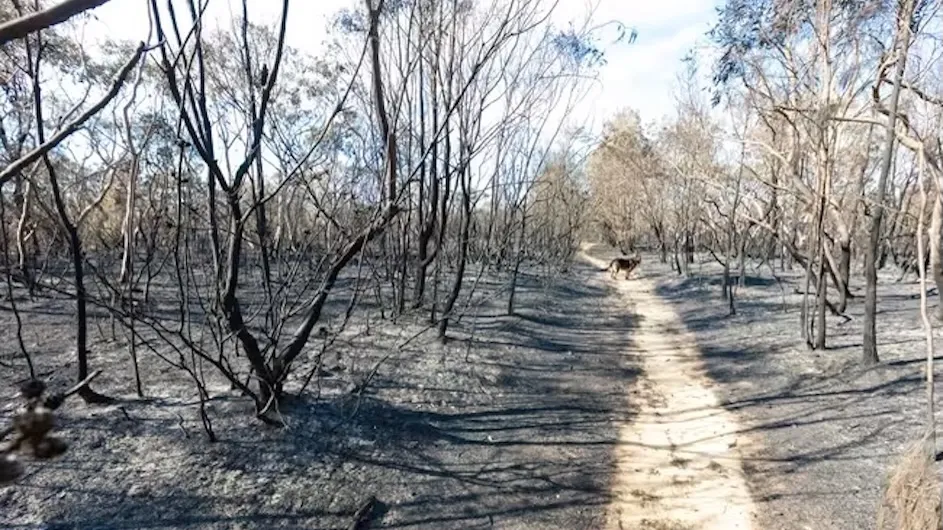
A new study found that warming has made the air drier in both places, which can make forests more likely to burn.
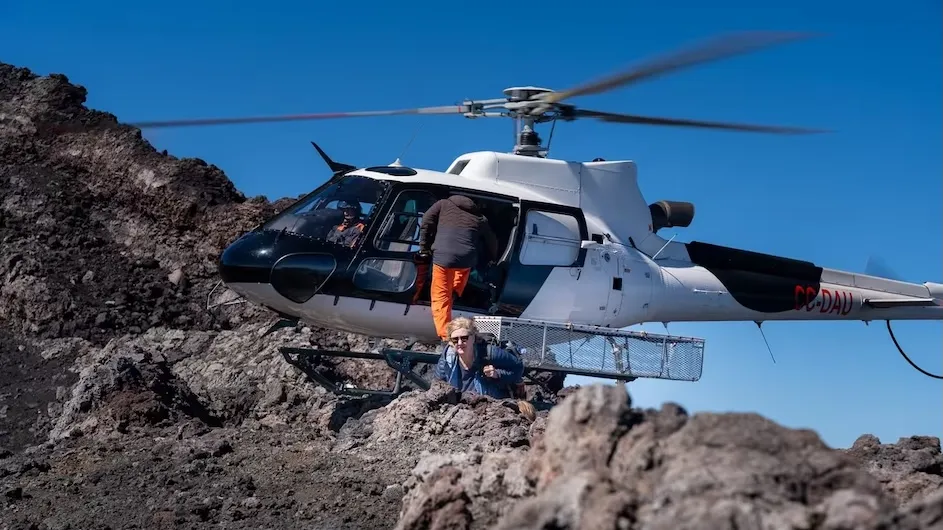
Columbia scientists are working to give observatories better views of restless volcanoes and to make those data openly available.
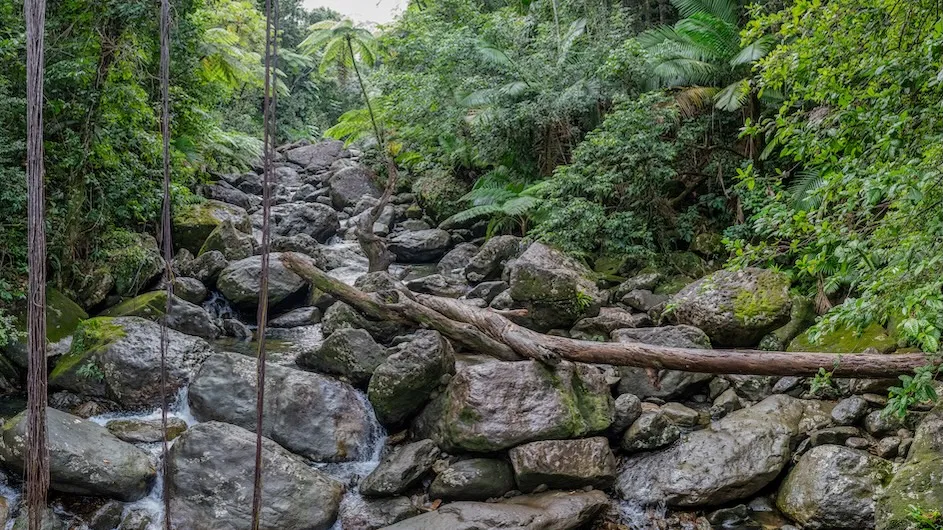
Most tropical tree species can adjust water-use strategies across rainfall conditions, offering hope in a warmer, drier world.
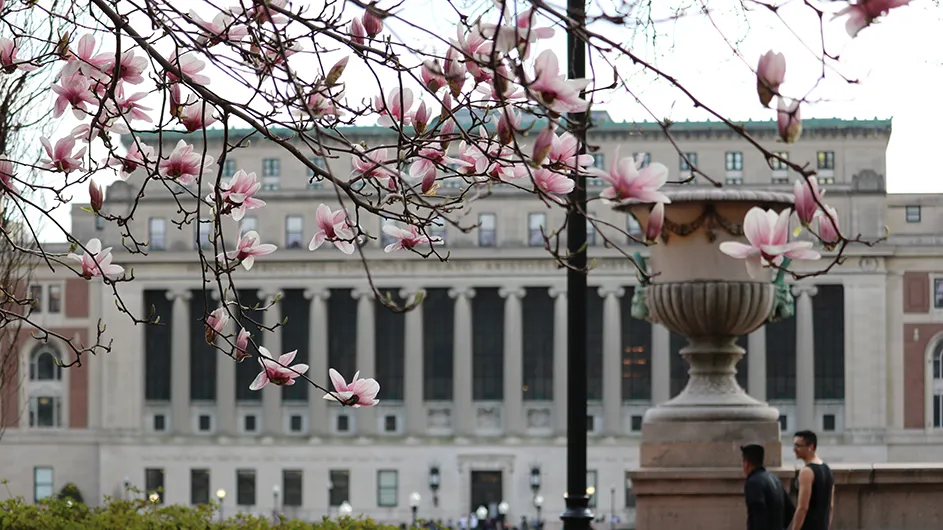
The Department of Energy mission aims to integrate artificial intelligence into transformative scientific discovery.