The U.S. Semiquincentennial and Columbia University
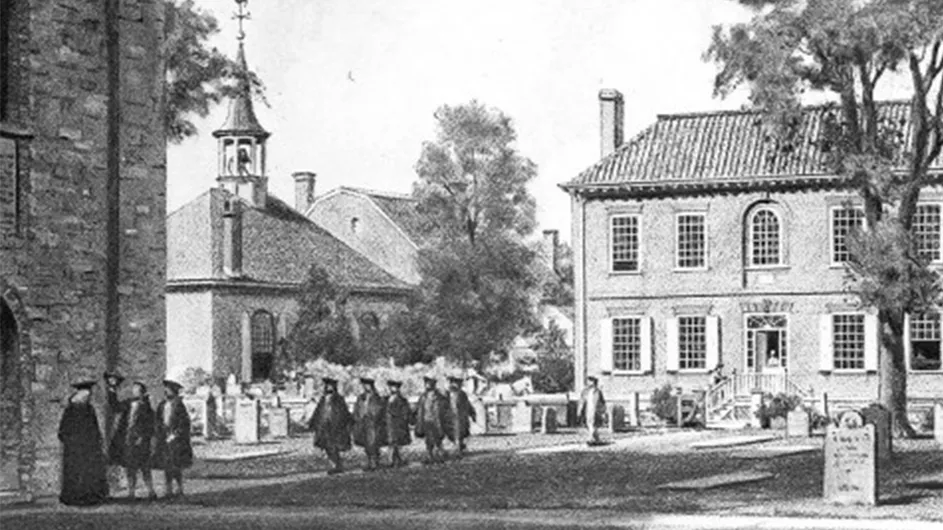
As the United States marks its Semiquincentennial, or 250th anniversary, Columbia News is reflecting on the story of a University that began before the nation itself. Founded in 1754 as King’s College, the institution that is now known as Columbia University opened its doors under British rule, more than two decades before the adoption of the Declaration of Independence.
On This Page
The College was established on the ancestral lands of the Lenape people and developed within a colonial society sustained by slavery, conditions that shaped its early leadership, finances, and daily life.
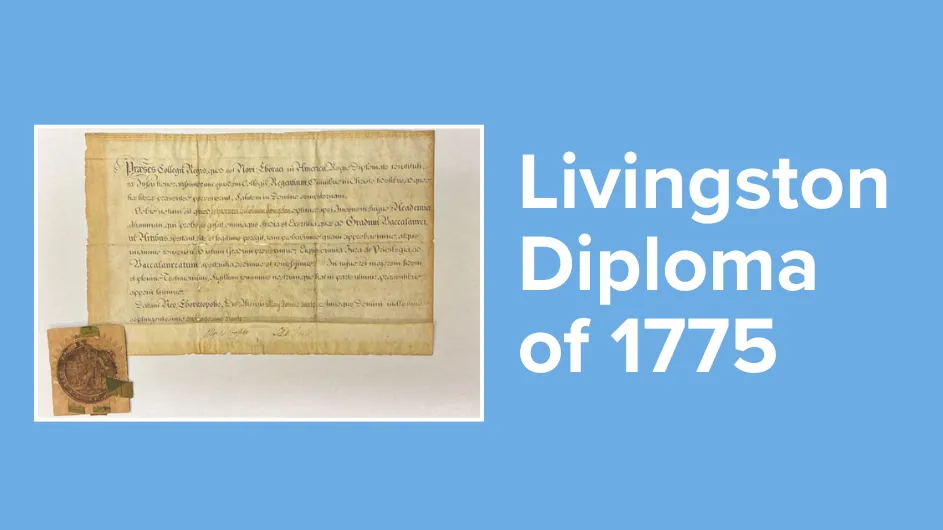
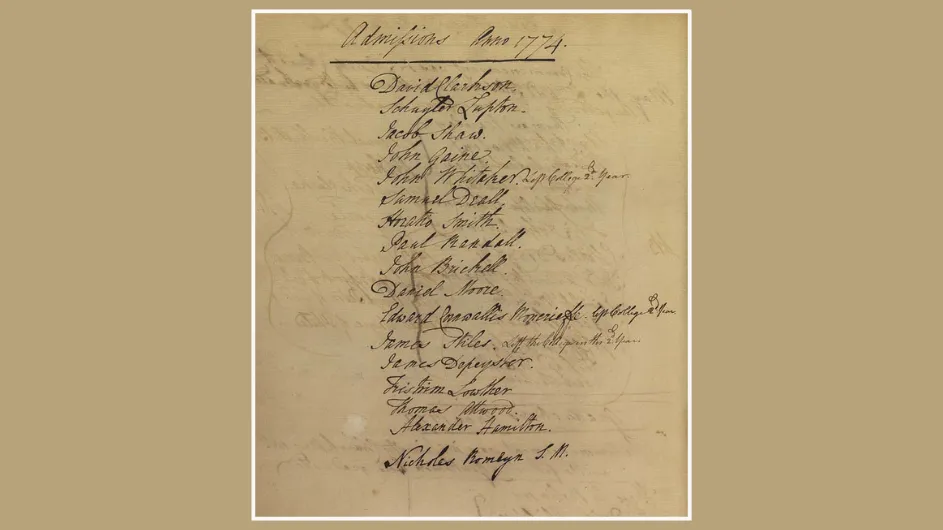
Future founders, such as Alexander Hamilton, tested ideas in classrooms and pamphlets. John Jay, Gouverneur Morris, William Samuel Johnson, and Robert R. Livingston would go on to help shape the early republic and the University.
Others remained committed to the Crown, including Myles Cooper, the second president of the College, who in 1775 fled to England to escape revolutionaries who targeted him for his loyalist views.
In those formative years, loyalists and revolutionaries studied side by side in Lower Manhattan. The debates unfolding in New York and in the College’s halls were not abstract; they were urgent, personal, and foundational.
By April of 1776, just before the July 4 adoption of the Declaration of Independence, King’s College closed its doors to instruction as American troops seized College Hall in Lower Manhattan for use as a Continental Army Hospital.
The debates unfolding in New York and in the College’s halls were not abstract; they were urgent, personal, and foundational.
After a humiliating defeat during the Battle of Long Island in August of 1776, the redcoats began to drive the Continental Army out of New York City. In early September, the British Army took over the College Hall hospital and continued to use it until the end of the war.
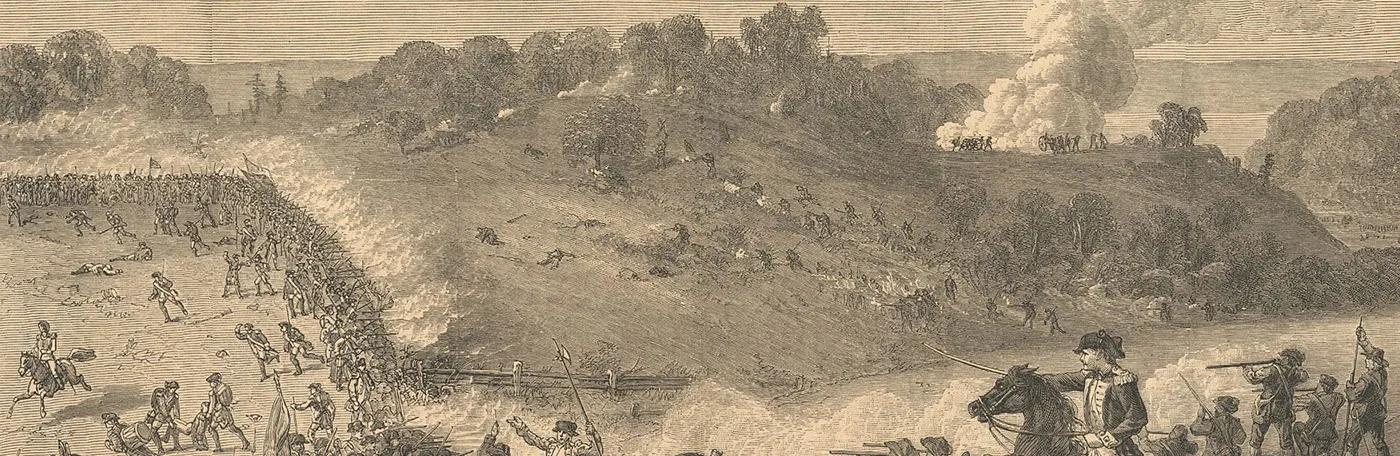
In September 1776, the Battle of Harlem Heights unfolded on what is today's Morningside Heights campus. It was an important early patriot engagement that echoed the debates and conflicts inside the College walls in lower Manhattan. It was also George Washington’s first battlefield victory in the war, which would rage across the colonies for nearly seven more years.
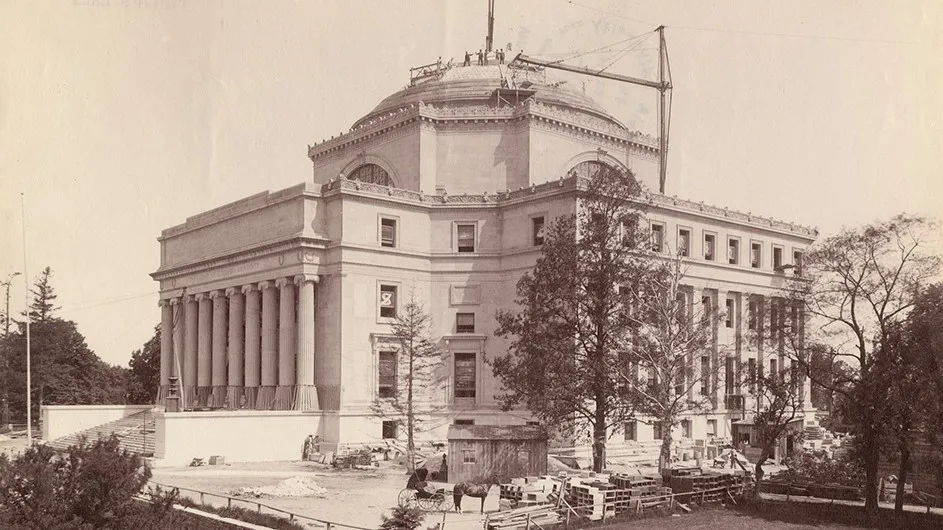
After the Revolution, King’s College became Columbia College, a break from the British Empire and an embrace of a new national identity. Over the next two and a half centuries, Columbia’s influence extended well beyond its campus: four U.S. presidents are among its affiliates. Theodore Roosevelt and Franklin D. Roosevelt studied at Columbia Law School; Barack Obama graduated from Columbia College; and Dwight D. Eisenhower led the University before taking office in Washington.
Columbia’s history is intertwined with the nation’s: revolution and enslavement, suffrage and resistance, war and protest, scientific breakthroughs and moral questions.
But this legacy is not only one of leadership and achievement; it is also a record of struggle and reckoning. Columbia’s history is intertwined with the nation’s: revolution and enslavement, suffrage and resistance, war and protest, scientific breakthroughs and moral questions. It is marked by intellectual discovery and civic leadership, but also by persistent calls for justice and evolution.
To mark 250 years of American independence, this page brings together the many ways Columbia engages with that legacy. Explore insights from historians examining the Revolutionary era and its continuing impact. Discover archival treasures in Columbia's Libraries that help us explore the past through rare documents and collections. Join public programs and conversations happening across campus and Upper Manhattan. And read stories of students, alumni, and faculty who have shaped and challenged this country throughout its history.
The Semiquincentennial is not only a commemoration but an invitation: to examine how a University older than the nation has been shaped by its triumphs and challenges, and how it continues to question, test, and reimagine the ideals that were fought for right here on the ground where we stand on today.
This page will be updated with new content throughout the anniversary year.
Columbia Experts
Columbia historians and scholars examine the American story in all its complexity.




Columbians Featured in ‘The American Revolution’ and
‘The American Experiment’ Documentaries
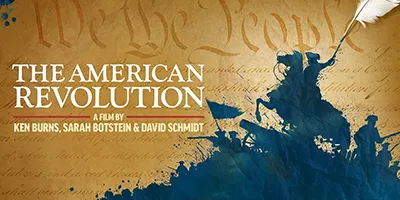
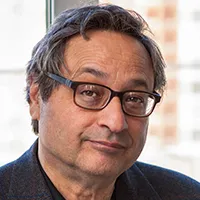
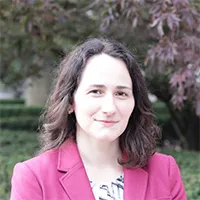
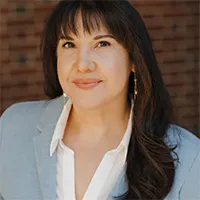
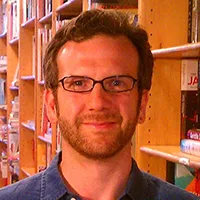
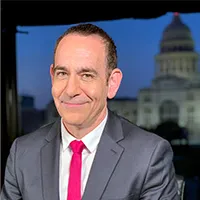
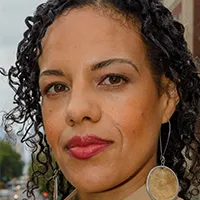
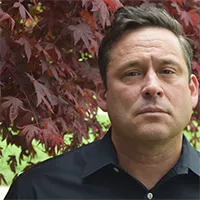
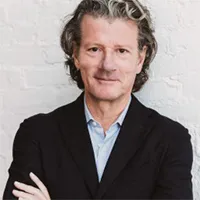
Columbia scholarship is helping shape the national conversation around the 250th anniversary of U.S. independence. Christopher Brown, Professor of History, served as a historical advisor to and appears in Ken Burns’ PBS documentary The American Revolution, offering insight into loyalism, British political logic, and the complex choices facing African Americans during the war. You can read about his experience working on the documentary in TIME magazine.
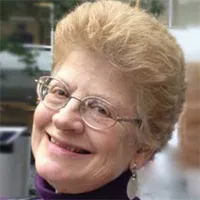
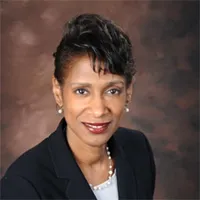
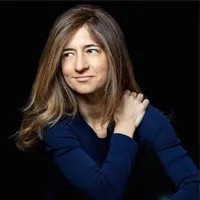
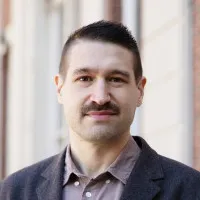
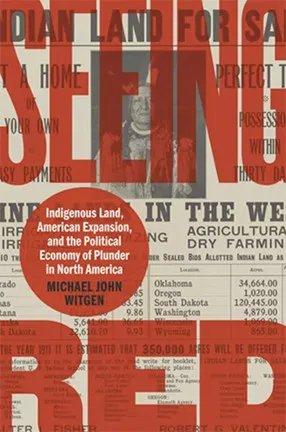
He is joined in the series by Michael John Witgen, Professor of History and Director of the Center for the Study of Ethnicity and Race, whose work reframes the Revolution through Native and continental perspectives, and by Erica Armstrong Dunbar (GSAS ’00), a Columbia alumna and leading scholar of African American women’s history.
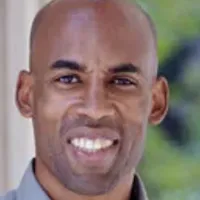
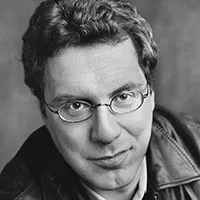
On Netflix, you can catch Columbia Journalism School Dean Jelani Cobb and Knight First Amendment Institute Executive Director Jameel Jaffer share their insight and expertise in The American Experiment.
Together, their participation in these documentaries reflects Columbia’s ongoing role in advancing a fuller, more inclusive understanding of the nation’s founding era.
The Imagining Liberty Project at Teachers College
The Imagining Liberty Project revisits the widely shared experience of hope that has become a driving force in U.S. history over 250 years of social change. Developed by Thomas James, Professor of History & Education and students at Teachers College, Columbia University, the multi-modal project aims to draw attention to education, both in the past and in the present and future, as part of the momentous anniversary celebration of the nation's founding during the American Revolution. Learn more and access resources.
Archives & Collections
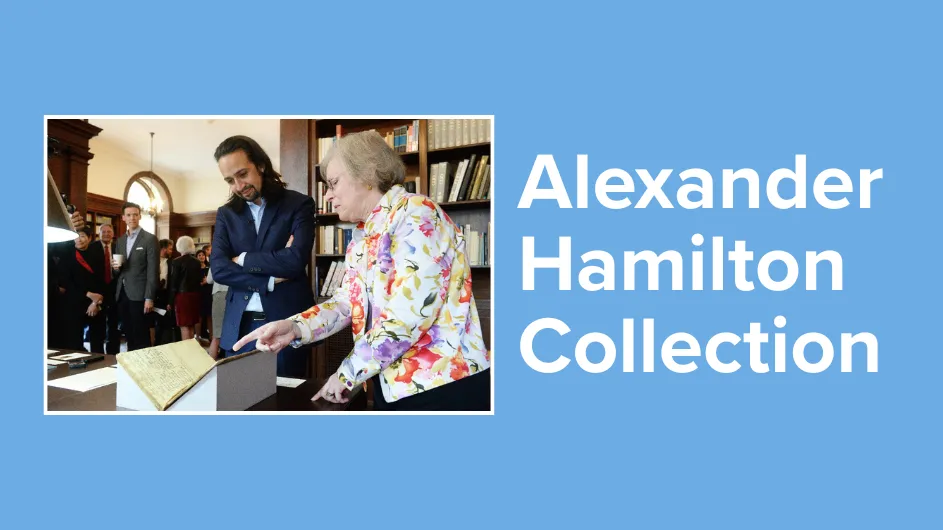
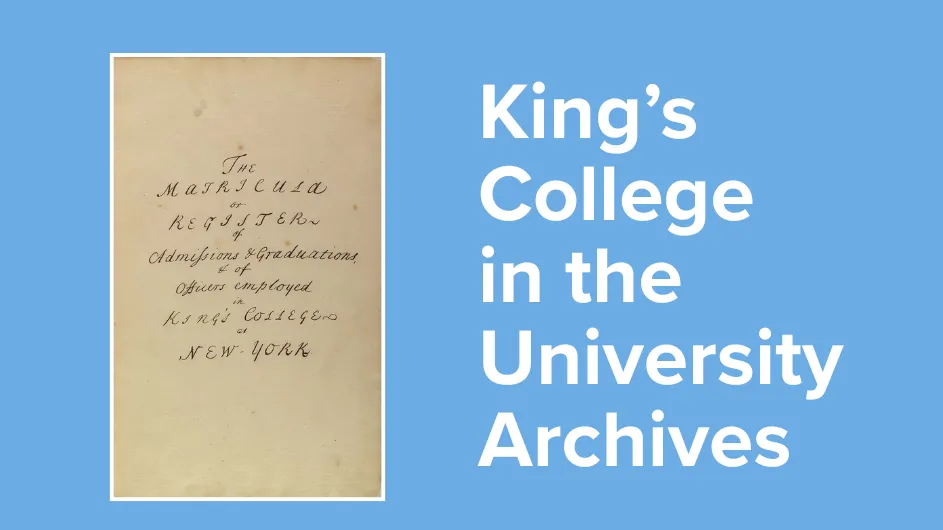
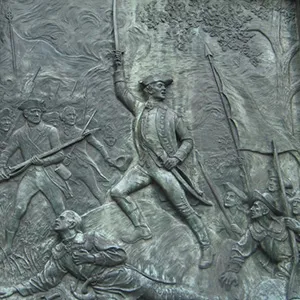
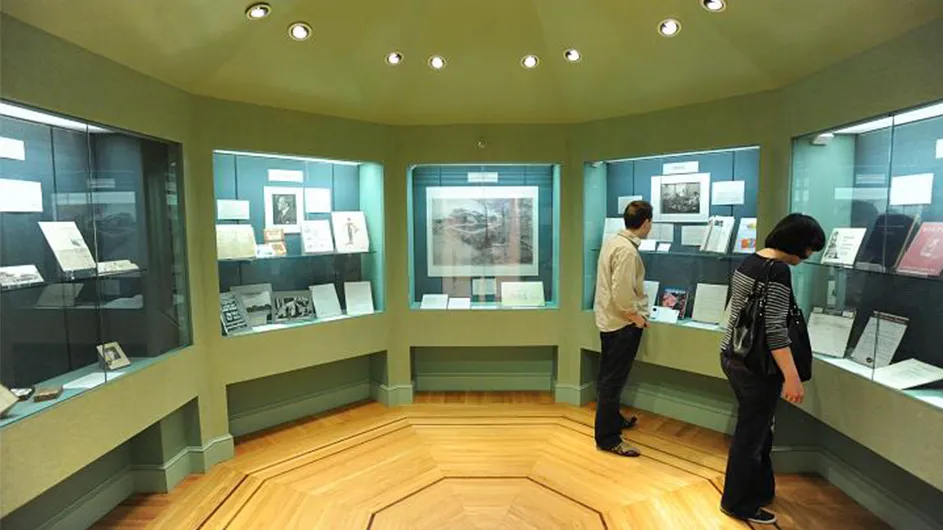
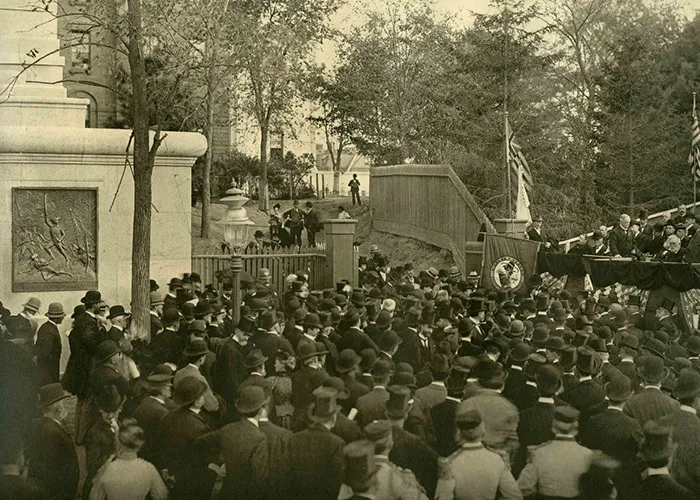
This exhibition tells the story of the Battle of Harlem Heights, fought on September 16, 1776, and of the bronze tablet the Sons of the Revolution in the State of New York erected on Columbia's campus in 1897 to commemorate it.
You can find the exhibit in 301 Butler Library, and it runs through Dec. 31. CUID-holders may visit at any time; members of the public should register at the Library Information Office with a government-issued photo ID.
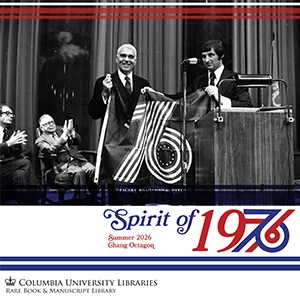
A recent exhibition at the Rare Book & Manuscript Library looked back at how Columbia University marked the United States’ 200th birthday.
Stories From A Revolutionary Era
A curated collection of stories that explore Columbia University during the 1700s.
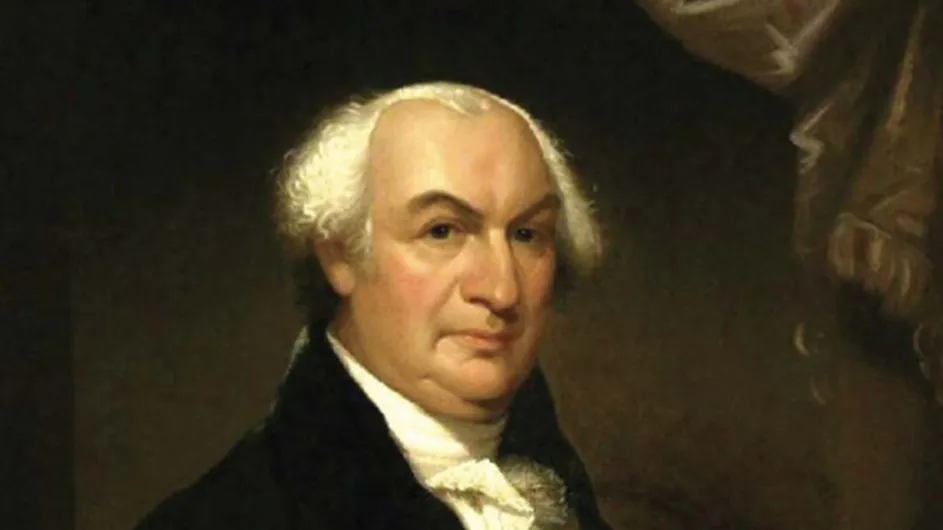
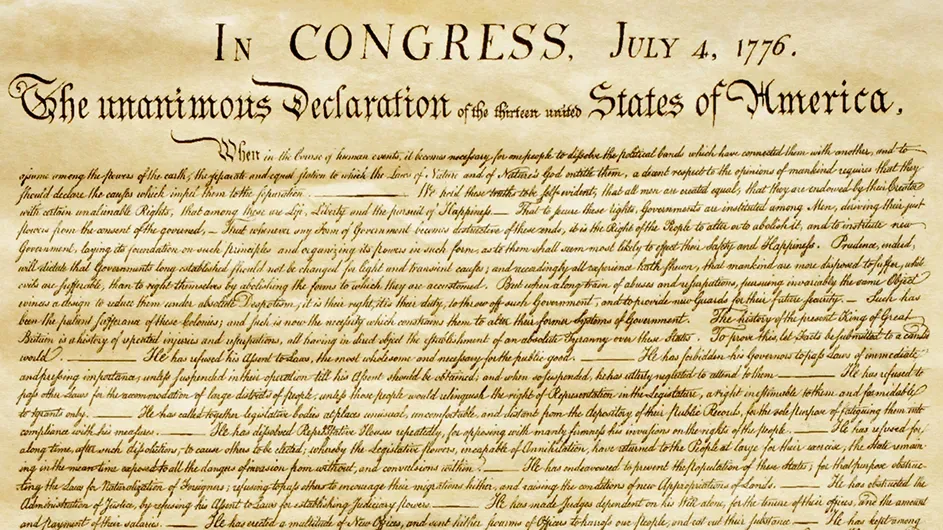
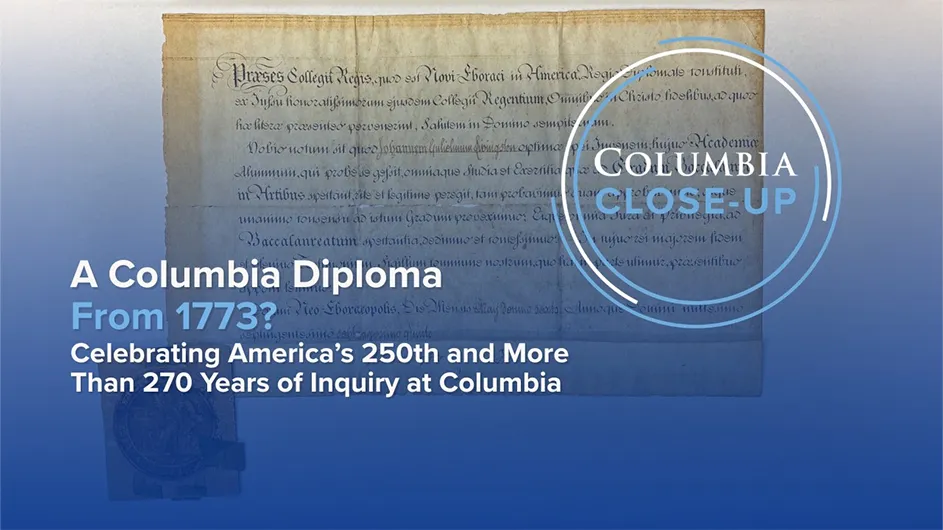
A Professor of History at Columbia, Christopher Brown's work focuses on Britain and the British Empire, principally in the seventeenth and eighteenth centuries. As the nation celebrates its semiquincentennial, Professor Brown discusses the importance of inspiring a love of history in future scholars and leaders.
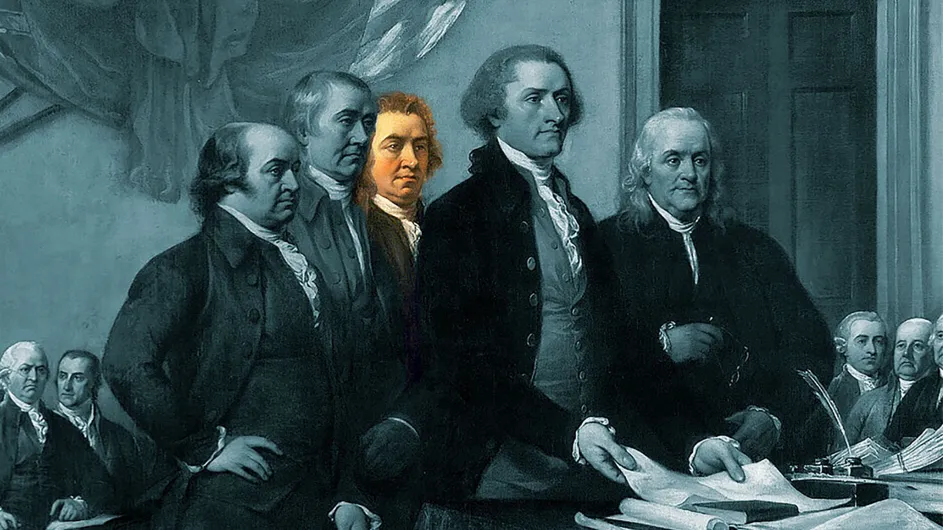
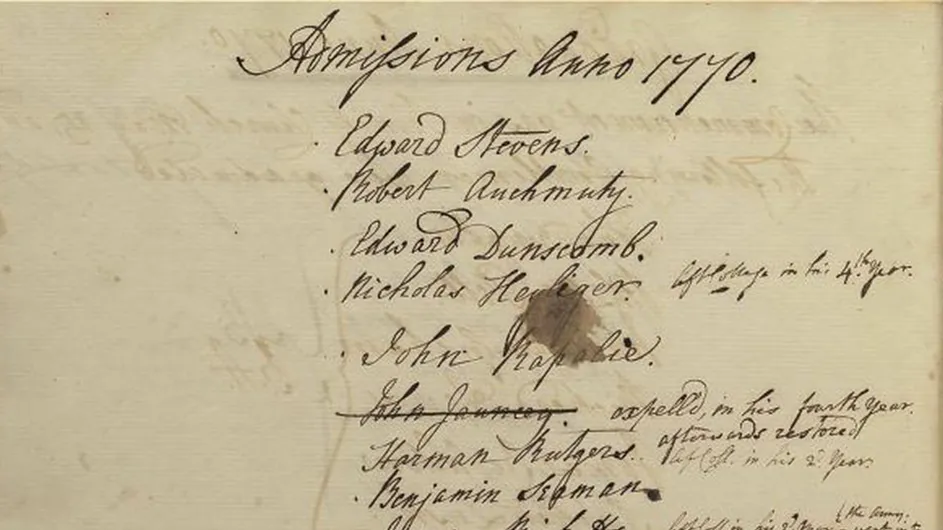
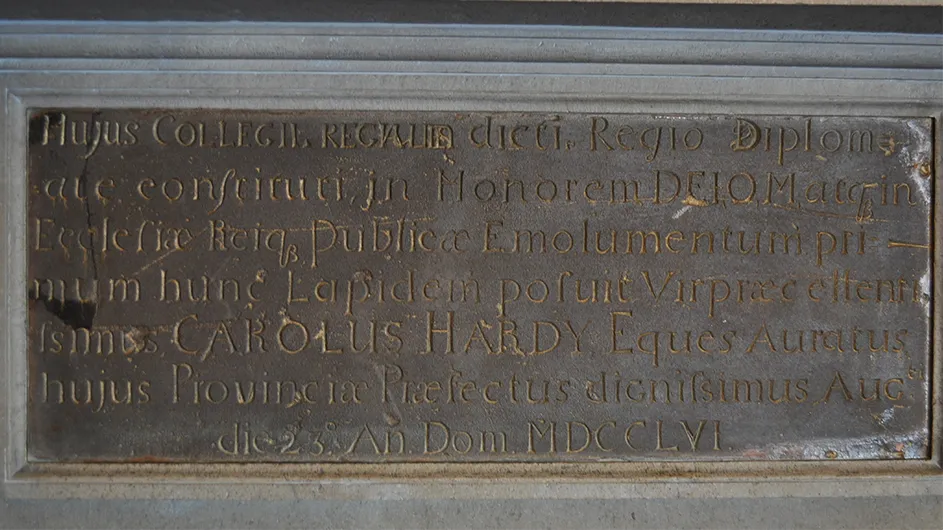
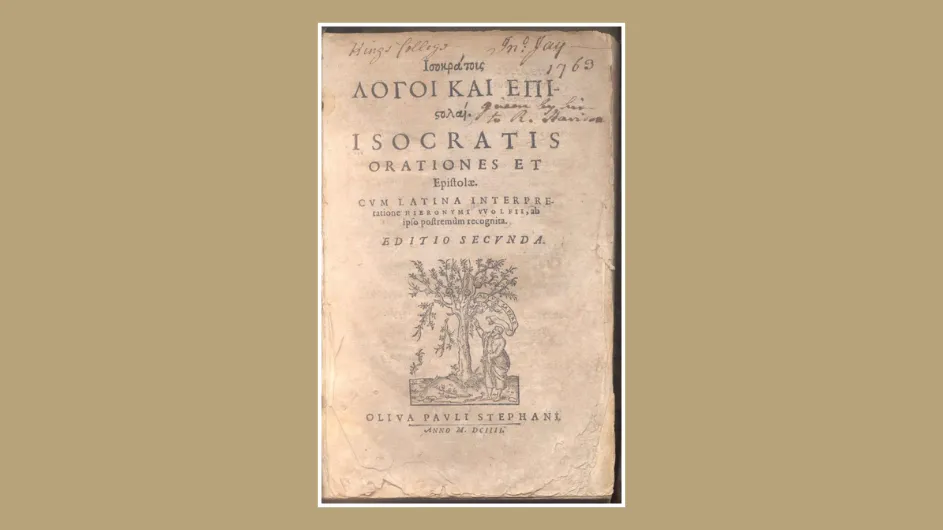
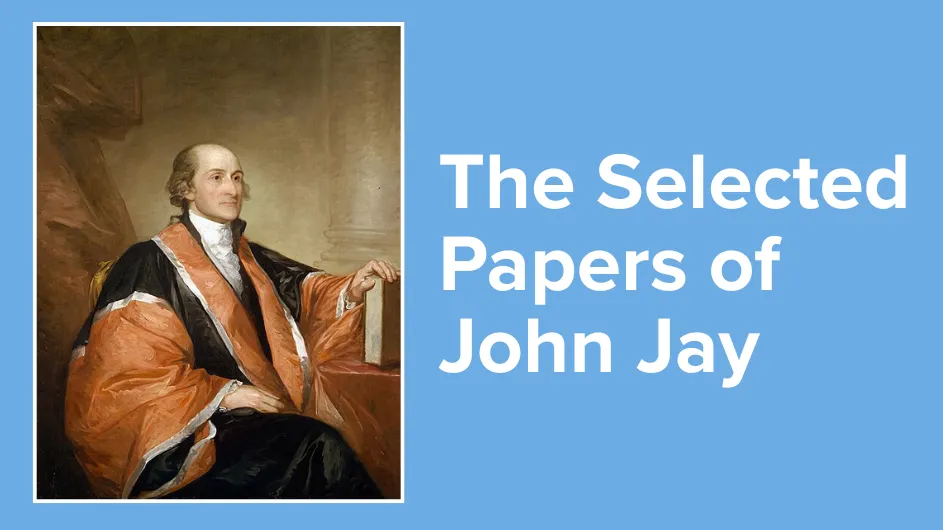
John Jay would probably be amused if he knew that many, many years in the future, his old Alma Mater would honor his legacy by naming a dormitory after him. It was a dorm room incident in the original College Hall in 1764 that earned him a suspension from the College and almost prevented him from graduating.
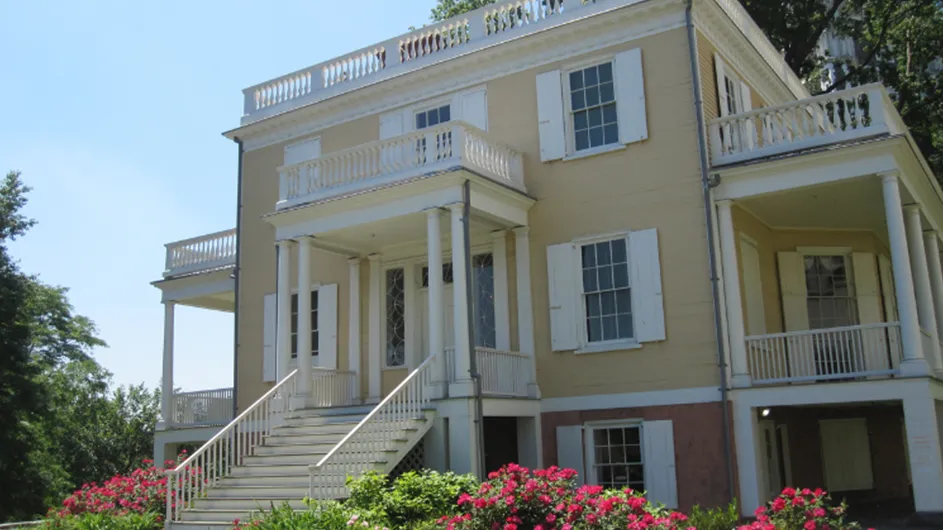
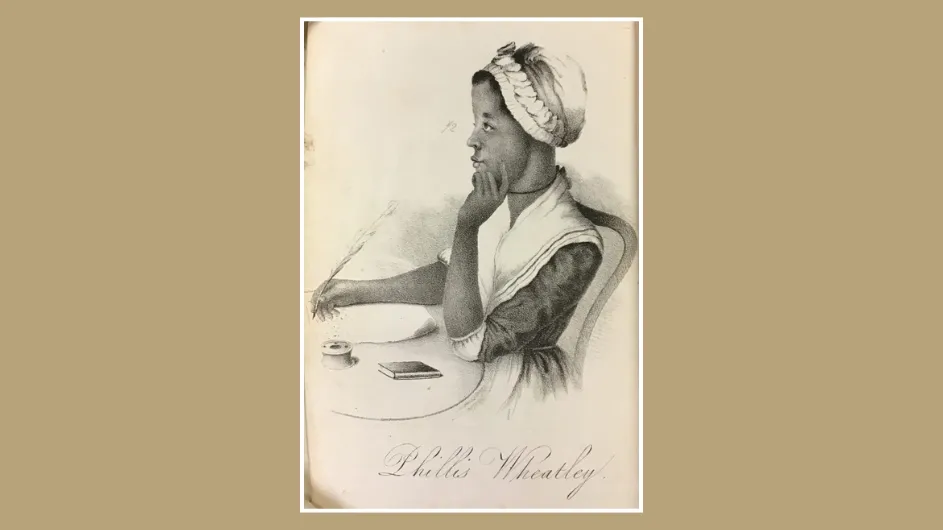
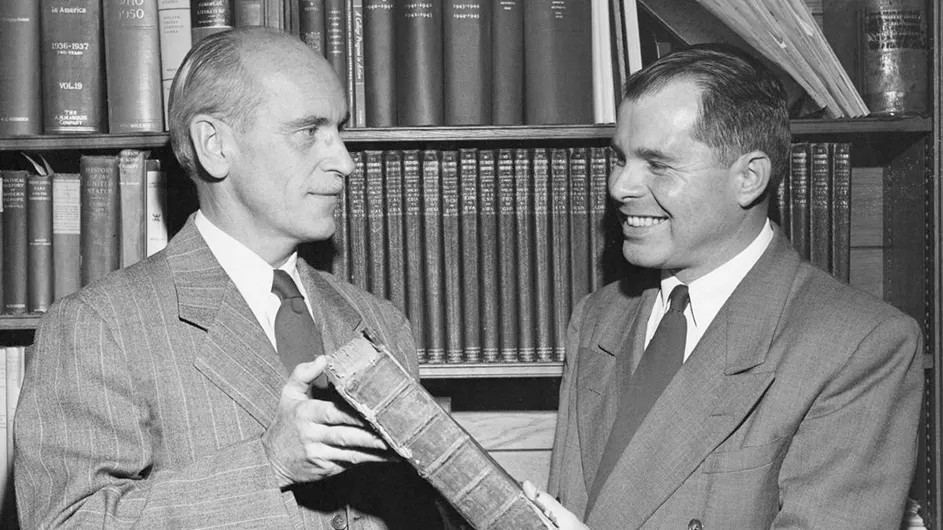
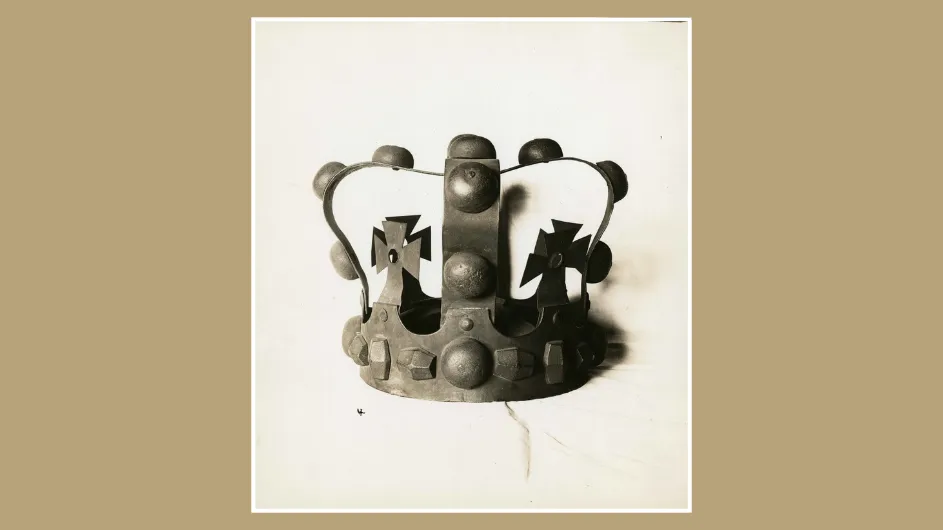
Uptown Historykeepers
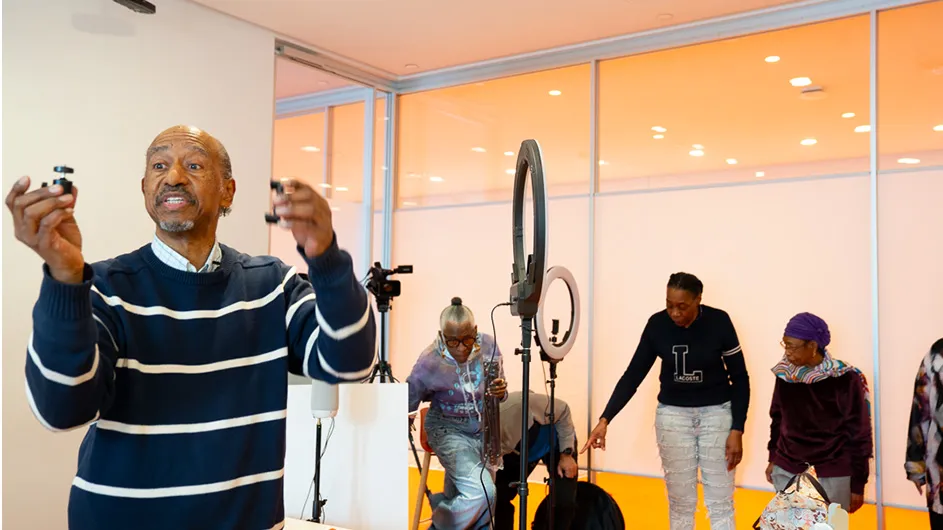
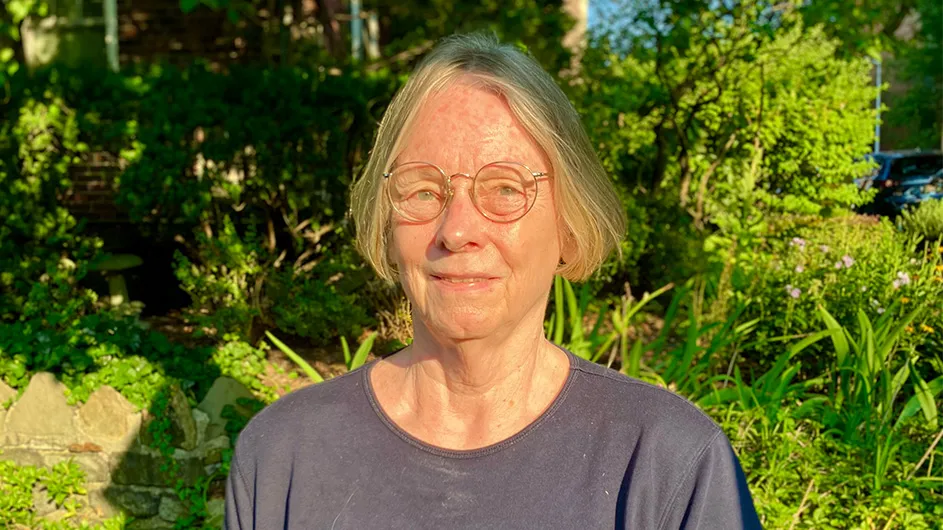
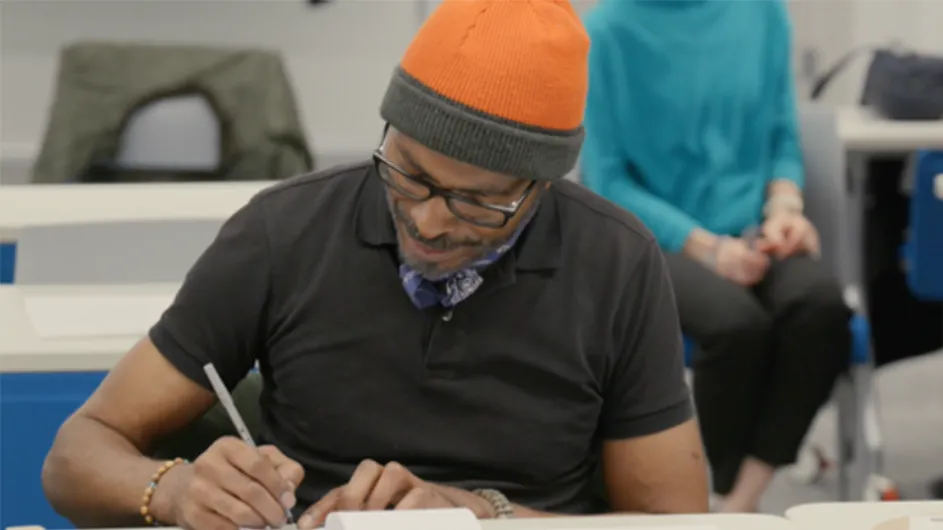
As the nation marks its 250th birthday, few places carry the weight of American history more deeply than Upper Manhattan. That history isn’t preserved on its own. It takes community members, scholars, artists, historians, and storytellers who believe the past is worth passing on. Meet three of Columbia University’s neighbors who are doing exactly that.
Events & Conversations
Current and upcoming exhibitions and events across New York City that invite you to reflect on the American story.
Date & Time: Oct. 22, 2026 | 5:15 - 7:30 pm
Location: Italian Academy, 1161 Amsterdam Ave., New York City, 10027
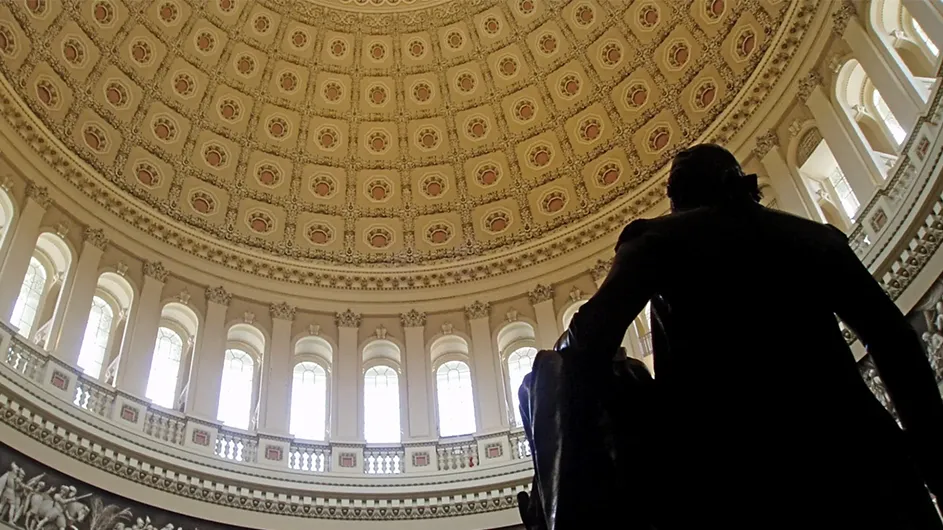
To mark the 250th anniversary of the U.S. Declaration of Independence, an evening of talks that explore the rich and dynamic communication between Americans and Italians as they were thinking and making music, art, architecture, ideas, and books. Learn more.
Past Events
Public lectures, panels, and performances across campus and Upper Manhattan invite the community to engage with the 250th anniversary of U.S. independence.
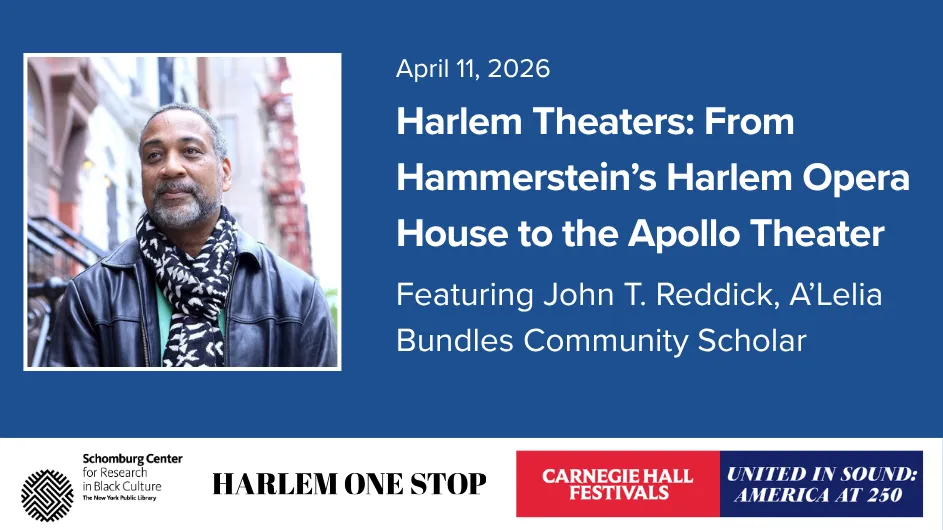
Date & Time: April 11 | 11:00 a.m.
Location: The Schomburg Center for Research in Black Culture, 515 Malcolm X Blvd.
As part of Carnegie Hall's United in Sound: America at 250 festival, The Schomburg Center for Research in Black Culture and Harlem One Stop will host a walking tour, led by Columbia University A'Lelia Bundles Community Scholar and longtime Harlem resident John T. Reddick, about the history of Harlem’s 125th Street as a hub of theaters and culture.
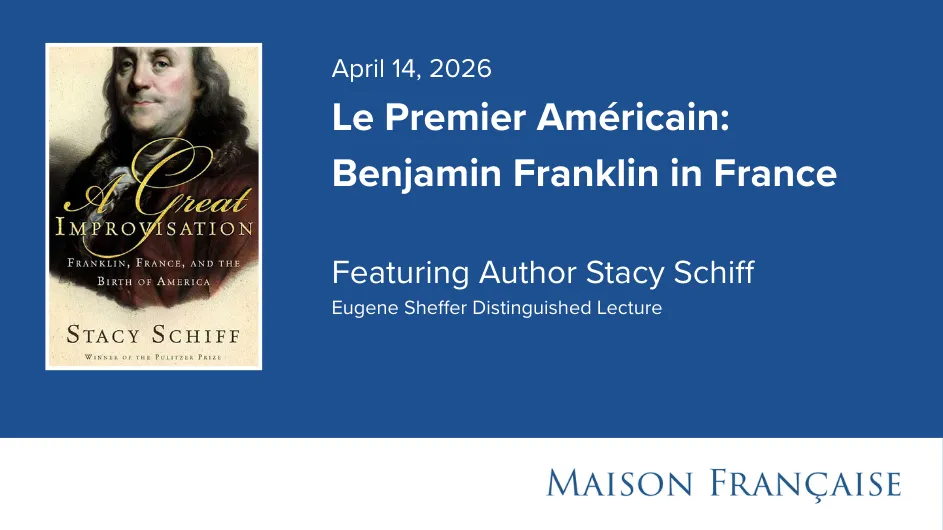
Date & Time: April 14 | 6:00 p.m.
Location: East Gallery, Maison Française, Buell Hall
Columbia's Maison Française will host Pulitzer Prize-winning author Stacy Schiff, who wrote A Great Improvisation: Franklin, France, and the American Revolution (Holt, 2005), for a conversation in honor of the 250th anniversary of the U.S. Revolution, reflecting on how Benjamin Franklin produced and nurtured the French alliance to which the country owes her independence.
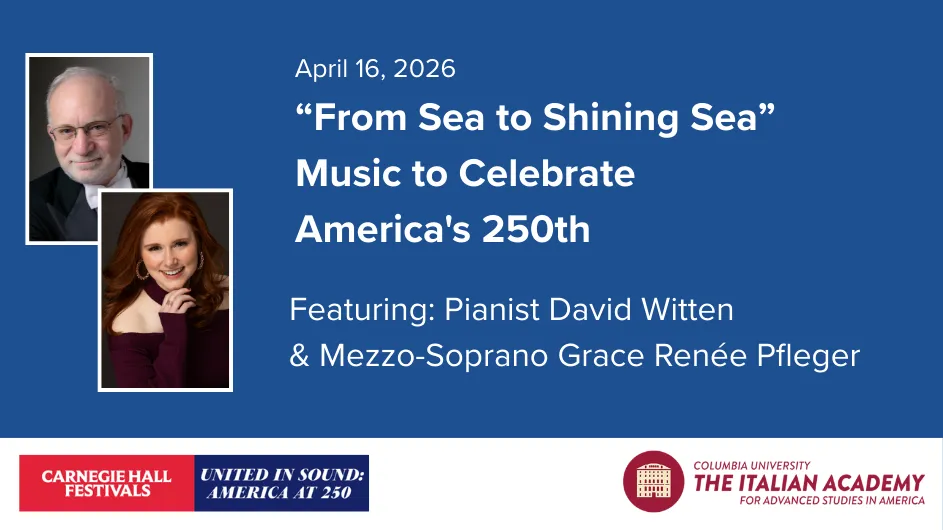
Date & Time: April 16 | 7:00 p.m.
Location: Teatro, Italian Academy, 1161 Amsterdam Ave.
Join a lively music festival celebrating 250 years of America's journey, coast to coast, featuring David Witten, pianist, with Grace Renée Pfleger, mezzo-soprano. This event, hosted at Columbia's Italian Academy, forms part of Carnegie Hall's United in Sound: America at 250 festival.
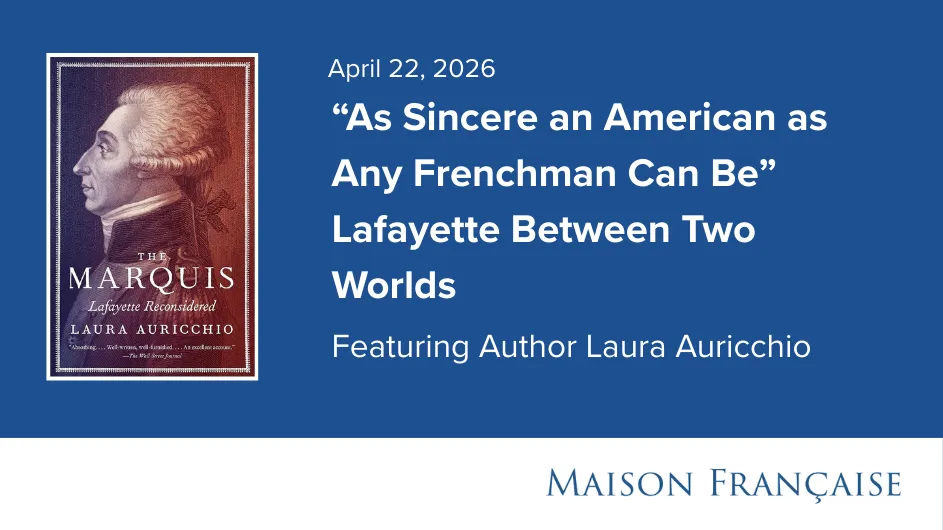
Date & Time: April 14 | 6:00 p.m.
Location: East Gallery, Maison Française, Buell Hall
Columbia's Maison Française will host Laura Auricchio, a specialist in 18th-century French and American art history who received her undergraduate degree from Harvard and her Ph.D. from Columbia University, for a conversation about the Marquis de Lafayette, who volunteered to fight the British under George Washington and led the French National Guard after the storming of the Bastille. Lafayette has been called the “Hero of Two Worlds” and “America’s Favorite Fighting Frenchman.”
Date & Time: July 8, 15, 22, and 29 | 5:30-7 p.m.
Location: Kent Hall, Room 205
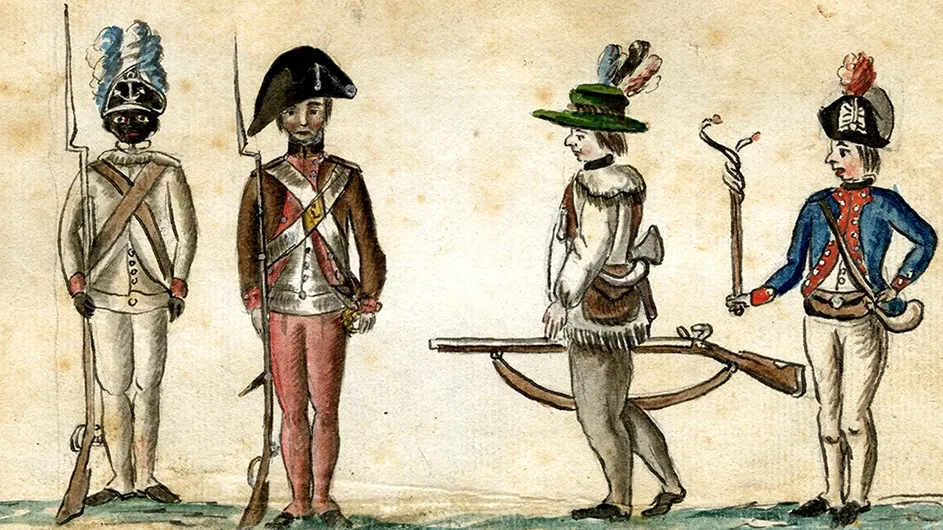
How has America’s relationship with its armed forces evolved over the past 250 years? From Lexington and Concord to Kabul and the Caribbean, America’s military has played important roles in the nation’s history. This seminar will consider how those roles have and have not changed from the eighteenth century to today. Learn more.
Perspectives on American History Through the Centuries
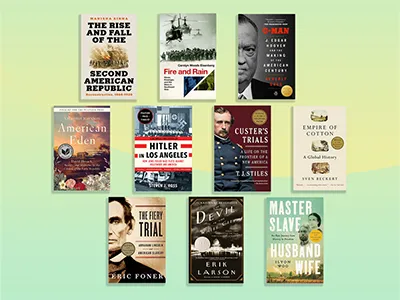
In Columbia Magazine, a selection of 10 history books by Columbia alumni offers readers engaging windows into major moments and figures in American and global history. From reevaluations of Reconstruction and geostrategic decision-making to Pulitzer Prize-winning biographies and narrative explorations of society’s foundations, these works show how historical inquiry deepens our grasp of the past and sharpens our view of the present.
Columbia University Press has also curated a book list and media for the anniversary.
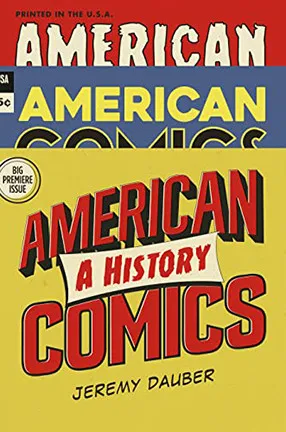
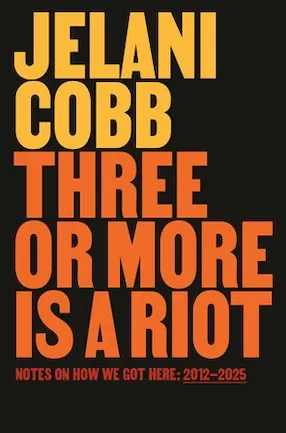
Below, find more insightful books (along with Q&As with faculty authors) on the forces that have defined our nation as it approaches its 250th birthday.
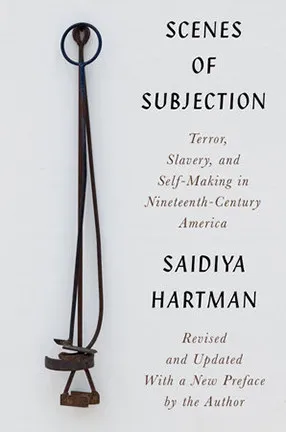
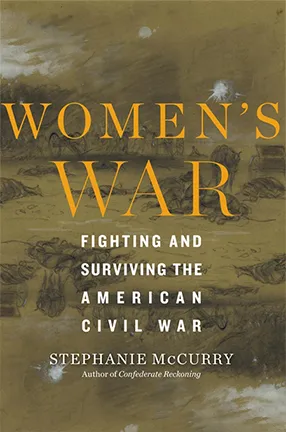
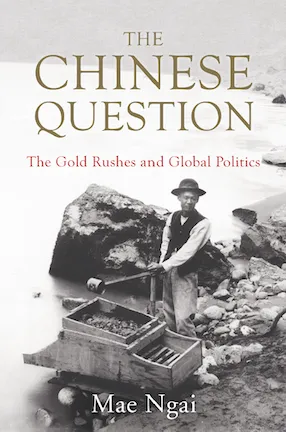
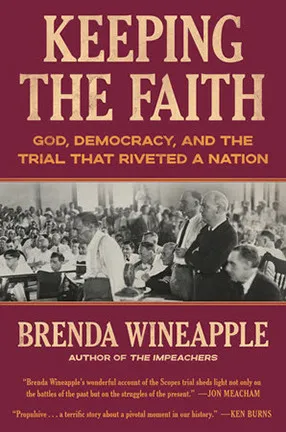
More Columbia History
To better understand how Columbia’s own story mirrors and diverges from the nation’s, check out these three foundational resources on the University’s history.