In Brief is a Columbia News series featuring faculty members' short op-ed pieces on current topics related to their academic research.
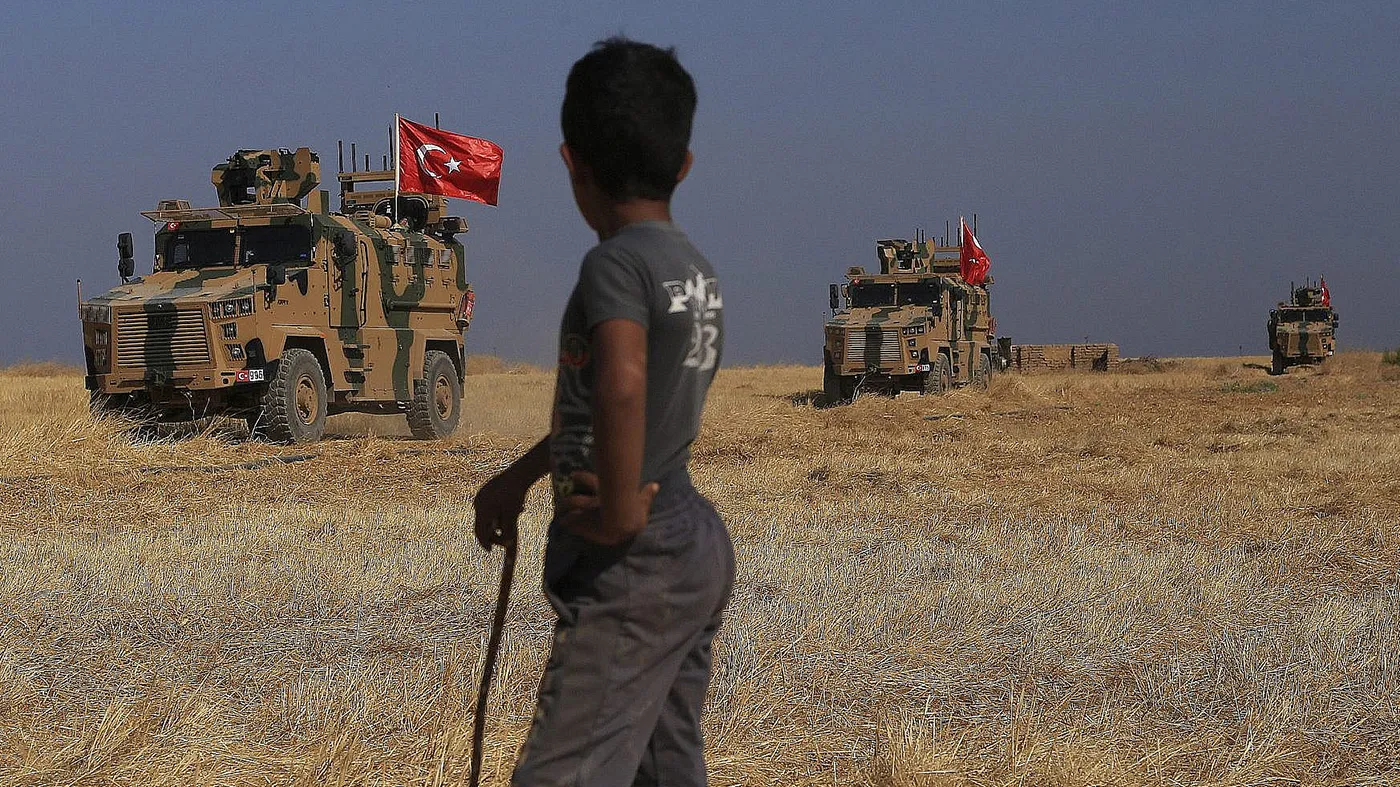
President Trump's policy shift ignores Turkey’s slaughter of Kurds in Syria.
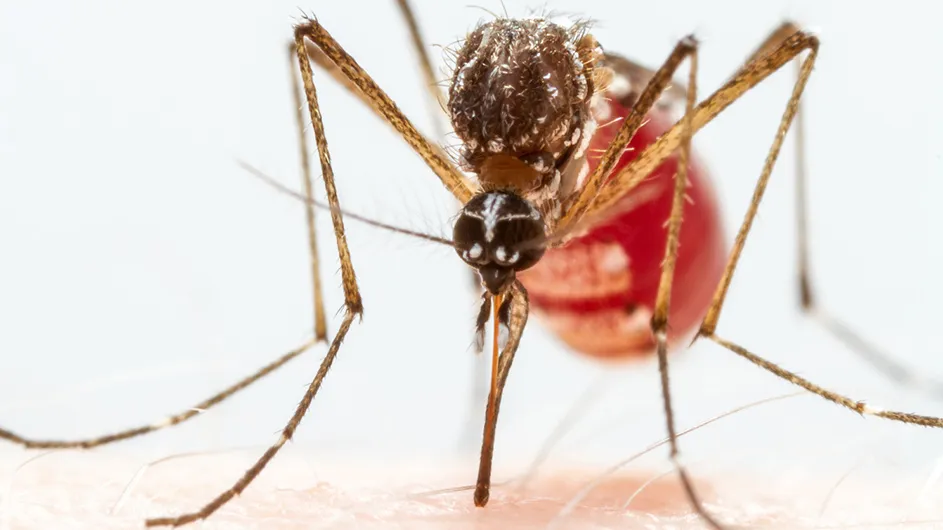
While the rate of Eastern Equine Encephalitis is unusually high this year, more worrisome is the link to a warming climate and what it could signal for the future.
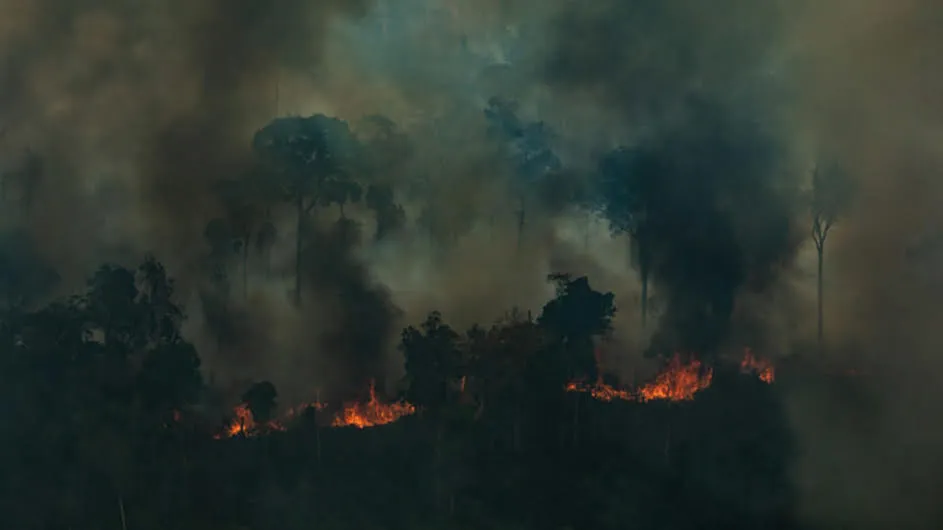
The ability to monitor deforestation and fires from satellite is now routine. Political will is the main ingredient.
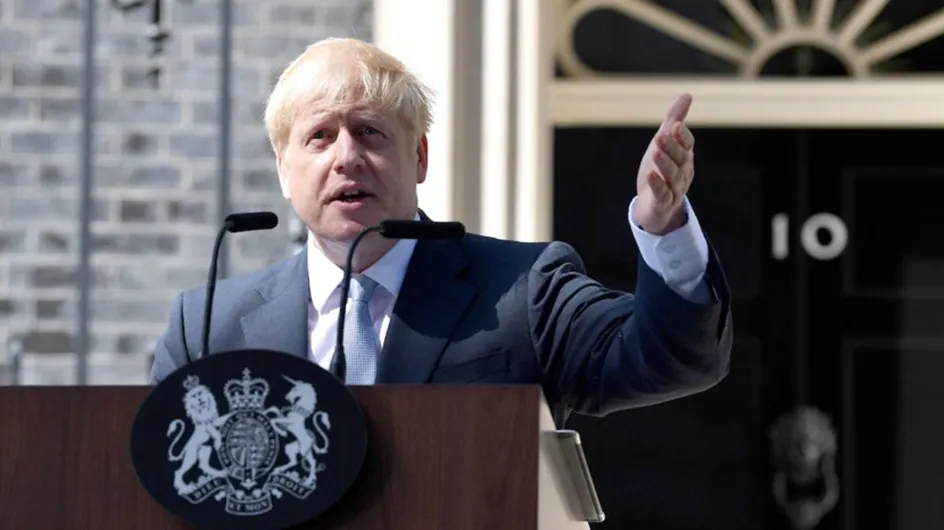
Trump's friendship will help Johnson once Brexit is finalized, but he cannot appear cozy with or beholden to the US president.

The governor has announced his resignation, but the complaints were about more than him. And they're not going away.
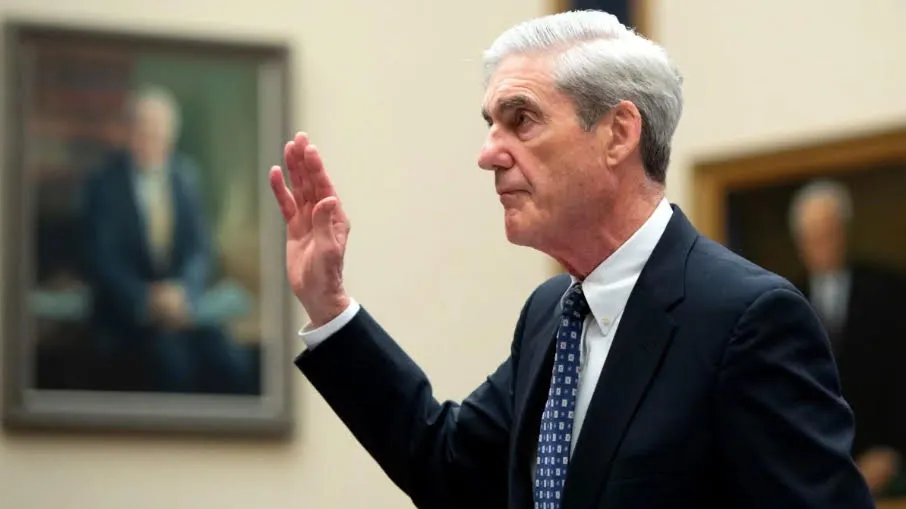
If small steps like increasing election security are not politically tenable, then we can expect Russia, China, Iran and others to influence our elections in 2020.

Fifty years ago, I watched Neil Armstrong walk on the moon from my family’s living room. It made me want to become an astronaut.
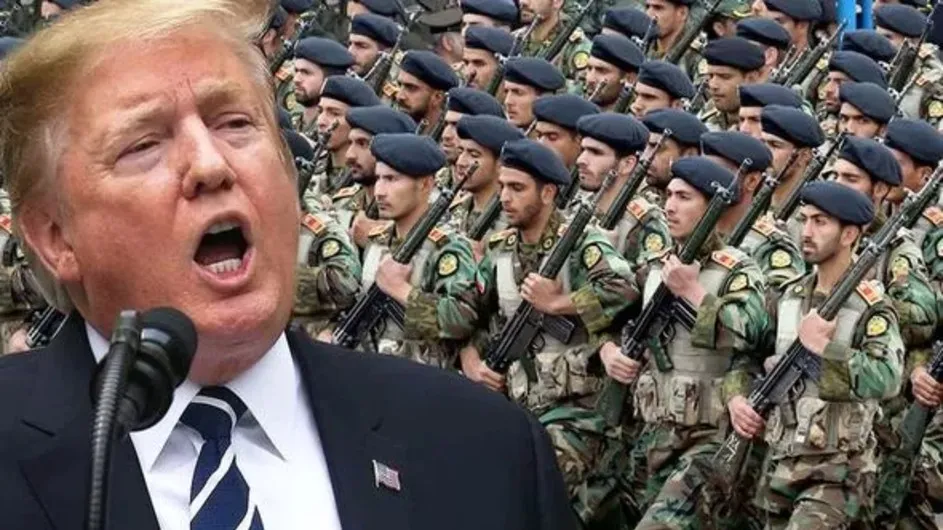
While Iran is weighing its options, the Trump administration seems to lean toward containment.
And moderators need to stick to the rules. That means no interrupting, talking over each other, or blowing past the time limits.

Support for aid-in-dying laws has been growing as Maine becomes the eighth state to allow doctors to prescribe lethal medications to terminally ill patients.

Columbia's Desmond Patton says law enforcement officials should analyze social media posts about grief and stress to prevent violent crime among young people.

Columbia’s Michael Gerrard weighs in on illegal attempts by the White House to limit climate projections to 2040.