In Brief is a Columbia News series featuring faculty members' short op-ed pieces on current topics related to their academic research.
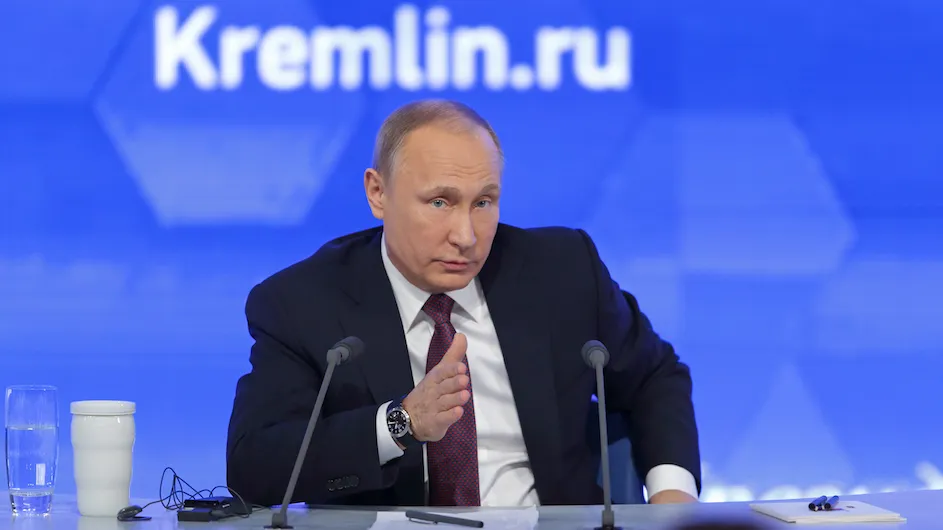
For years, Putin has been trying to convince the world that Russia is justified in invading Ukraine. Can he succeed?

There's been much progress in HIV/AIDS treatment, but it's important to remember the fear as well as solidarity the was experienced in the 1980s.

In a complementary measure, landfills should also be outfitted with facilities to monitor and control existing methane emissions.

The pendulum versus policy explanation, and how they differ in their implications.

Ahead of Veterans Day, a break down of why the transition from the military to higher ed is so difficult and what can be done about it.
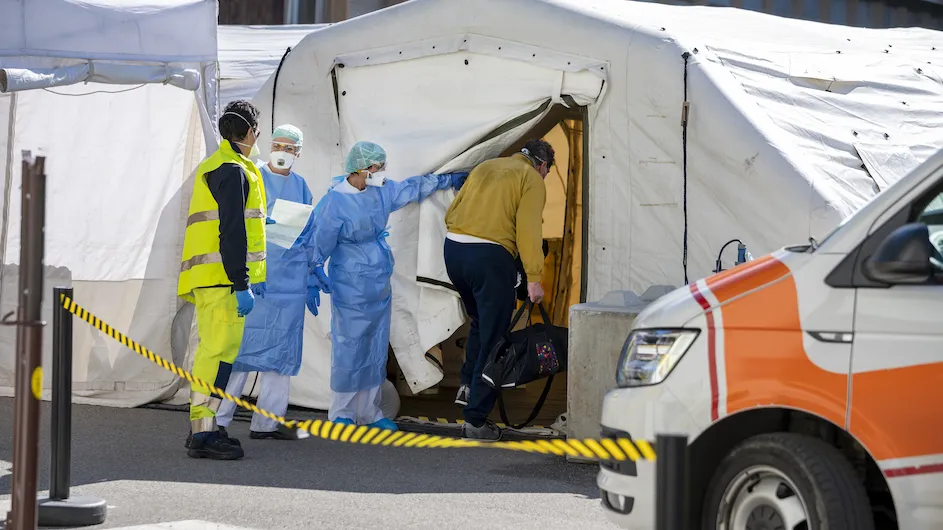
The COVID-19 pandemic has revealed how some strong, wealthy democracies, like the United States, struggled to manage the public health crisis.

What we've learned can help us foster mental health resilience among children and young adults in communities most directly hit by COVID-19.

Whether it's AIDS or COVID or rampant injustice, political necessity brings LGBTQ people “together in an expression of community.”

Beyond the talk and fantastical conspiracy theories there might be a silver lining in trying to solve the puzzle of unidentified flying objects.
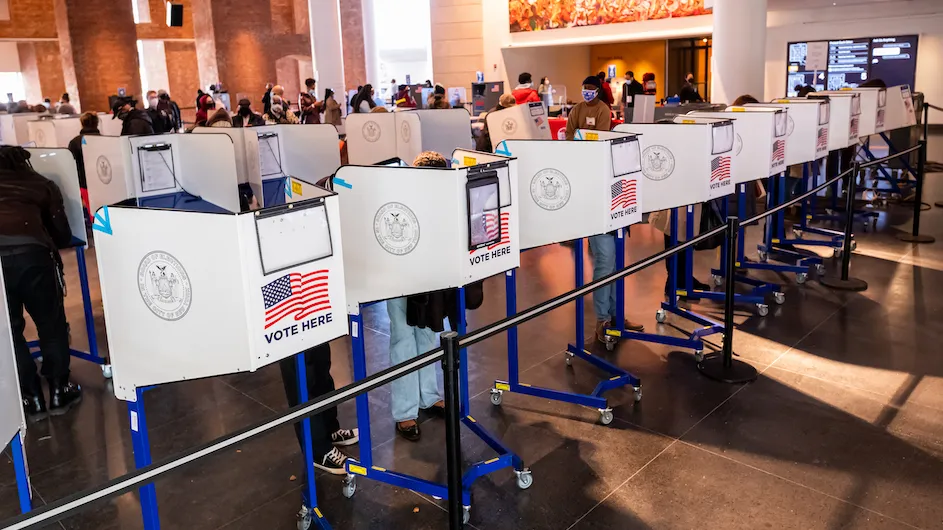
For the first time, New York City will be using ranked-choice voting in a mayoral primary. Studies show it makes government more representative and cuts down on negative campaigning.
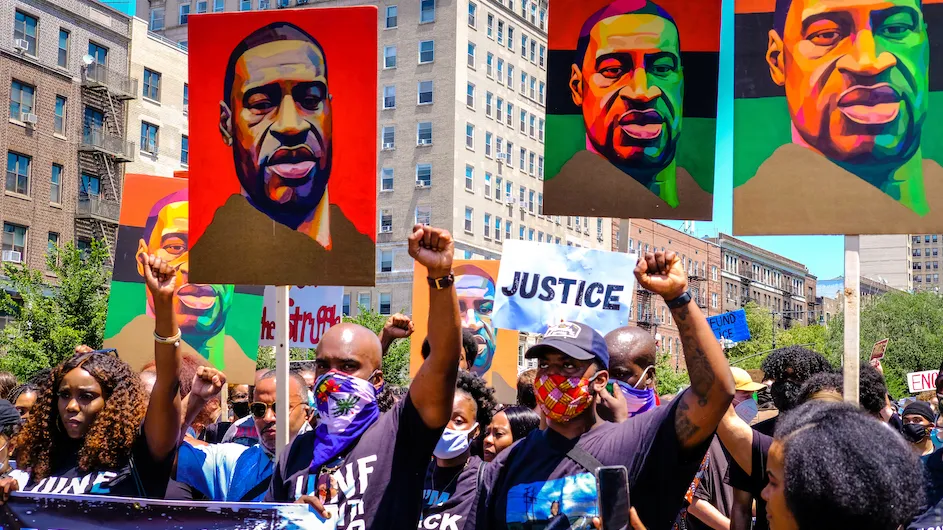
The jury in the Derek Chauvin trial issued a guilty verdict on all three counts. Here are some of the reactions from faculty and students at Columbia.

The pandemic has wreaked havoc on our sleep schedules, but there's one tip that ensures getting your sleep back on track for better performance.