The latest earth, climate, and environmental science news from across Columbia.

Columbia's School of the Arts will present Jana Winderen’s “The Art of Listening: Under Water,” February 3-13, 2022.
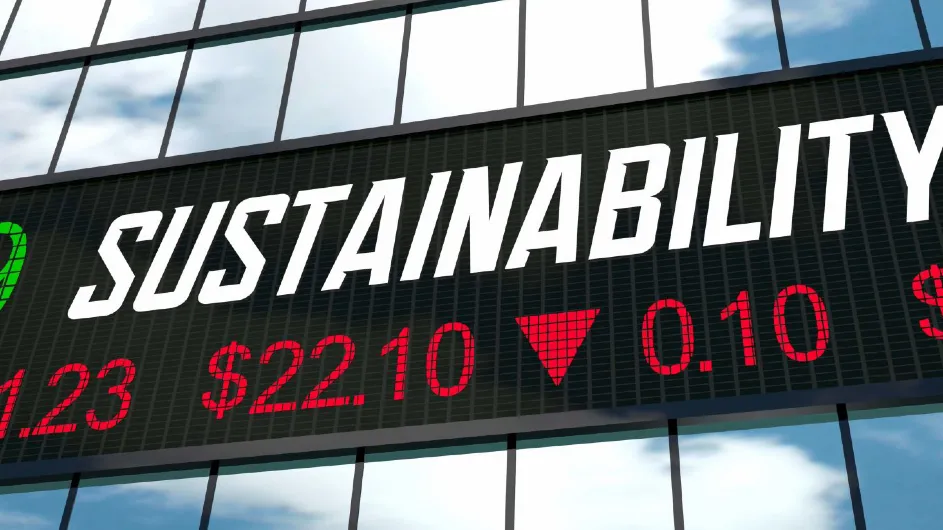
Columbia Business School professor Bruce Usher explains what goes into creating an effective carbon market.
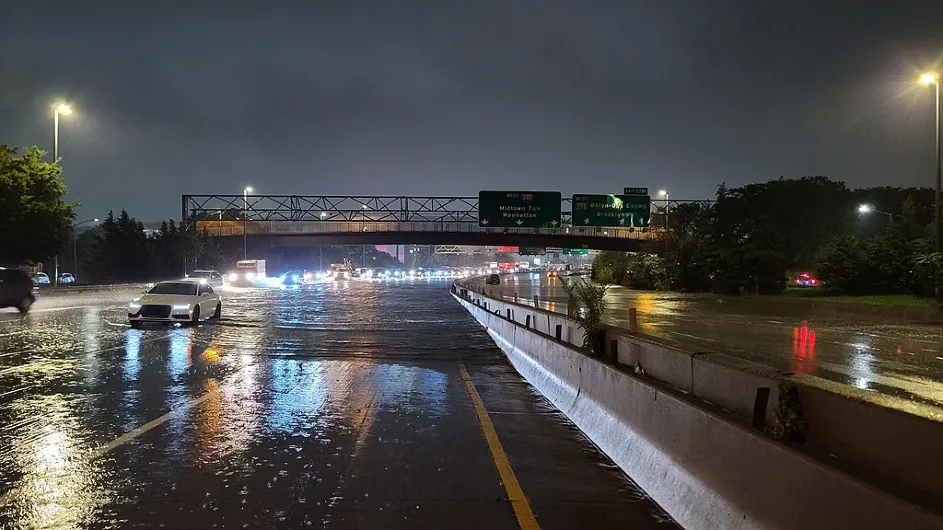
The deadly flooding caused by Hurricane Ida was made worse by drainage networks clogged with trash.

Columbia ecologist Shahid Naeem explains where the Green Revolution went wrong and what we can do about it.
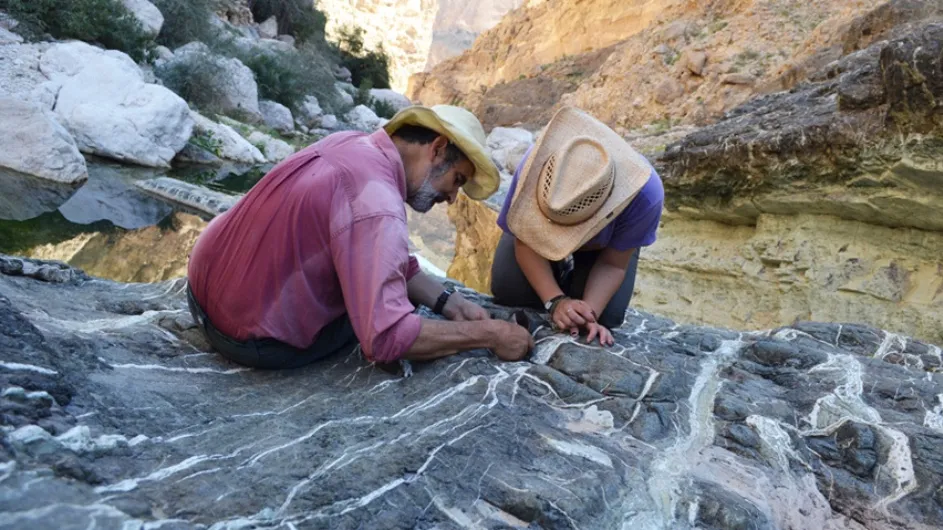
Peter Kelemen has filed several patents for technologies aimed at harnessing the natural mineral carbonization process.
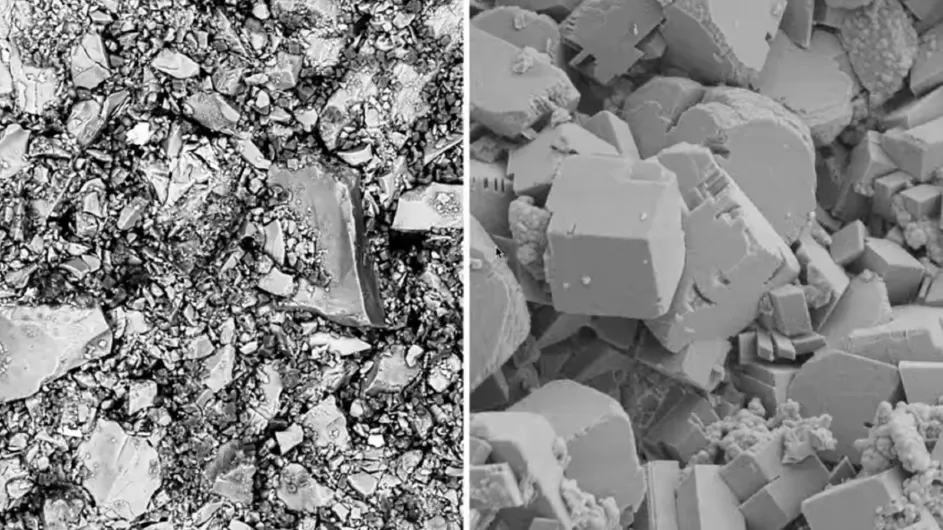
A laboratory experiment found that as CO2 solidified, it caused the rock around it to crack. In real reservoirs, this process could open up space to pump in more CO2.

The U.S. should undertake a major research program into how the oceans could be artificially harnessed to remove carbon dioxide from the air, says a new report from the National Academies of Sciences, Engineering, and Medicine co-authored by Columbia Sabin Center fellow Romany Webb.

In an online GSAPP event, Kate Aronoff discusses her recent book, "Overheated," and what needs to be done now.

Here are the six major factors, or tipping points, that will determine whether climate change causes irreversible damage to the planet.

By hosting and participating in a number of special events, scholars from the Columbia Climate School helped to shape the conversation at the UN climate summit. Here are a few highlights.

A student reflects on how far young people have come toward influencing the UN climate negotiations, and what needs to happen next.

Columbia Climate School experts say the results out of Glasgow are “a real mixed bag.”