The latest earth, climate, and environmental science news from across Columbia.
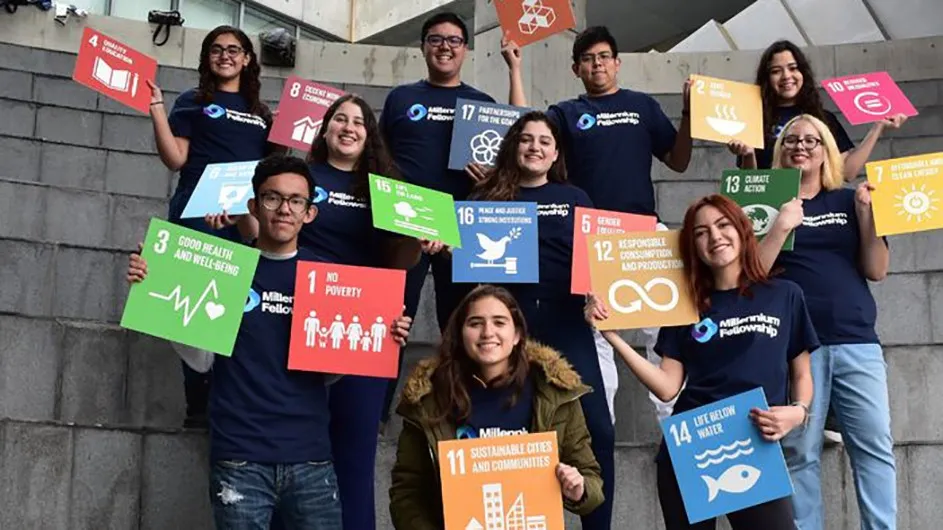
They join more than 2,000 students, representing over 120 universities worldwide, who are deeply committed to social impact, sustainable development, and climate change.

Funded by the National Science Foundation, the center will leverage big data and machine learning to improve climate projections and motivate societies to invest in policies and infrastructure to confront rising seas and warmer temperatures.

In this Q&A, climate scientist Galen McKinley and computer scientist Carl Vondrick explain how Columbia’s new climate modeling center will improve on the latest projections.

Experts from across Columbia Climate School will join events bringing together voices from business, government, and civil society—setting the stage for ambitious carbon-cutting commitments at the UN climate talks this fall.
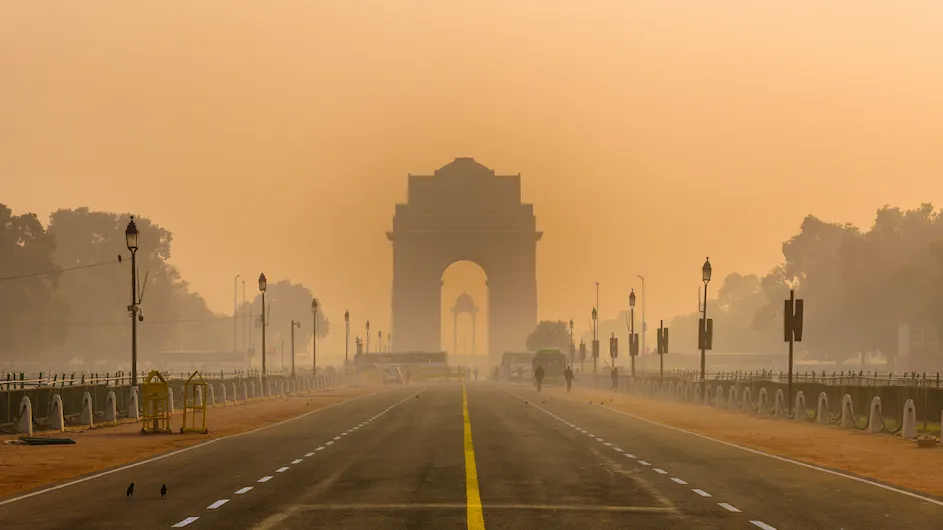
Researchers from Columbia's Climate School are using data collection, community collaboration, and startups to reduce the negative health effects of pollution in India, Indonesia, and the continent of Africa.

Also known as an environmentalist, she discusses “Ghost Forest” and “What Is Missing,” which both address climate change.
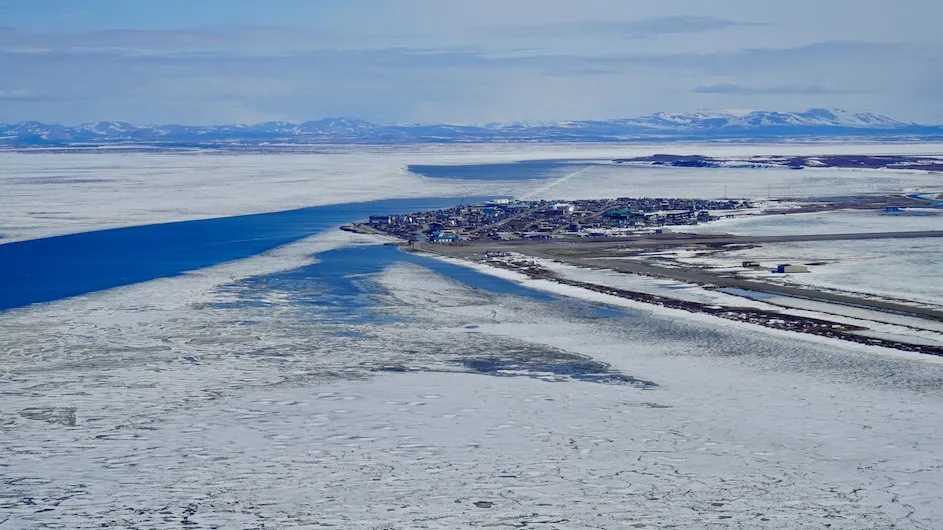
The sea ice is rapidly melting off the northwest coast of Alaska, endangering the Indigenous population. Lamont-Doherty Earth Observatory researchers joined forces with the local community to understand how climate change is affecting their region.

Zarrilli comes to the university from the New York City Mayor’s Office, where he was Chief Climate Policy Advisor.

These students are serious about Earth Day, and doing their part to protect the environment. They are committed to thinking and acting more sustainably.

This Columbia Sustainable Development Grad Spent Extra Time During the Pandemic Building a Tiny Home
Stephanie Main (GS’21), took the extra time afforded to her by the pandemic and remote classwork to put her Sustainable Development degree to work and build a tiny home to live a more sustainable life.

An online GSAPP discussion centers on daily challenges on Sapelo Island, Georgia; the Shinnecock peninsula in eastern Long Island, New York; and Shishmaref, Alaska.

As the energy sector faces pressure to address social concerns, Columbia's Women in Energy program leaders share their recipe for more equity.