Recent health and wellness news from across Columbia.
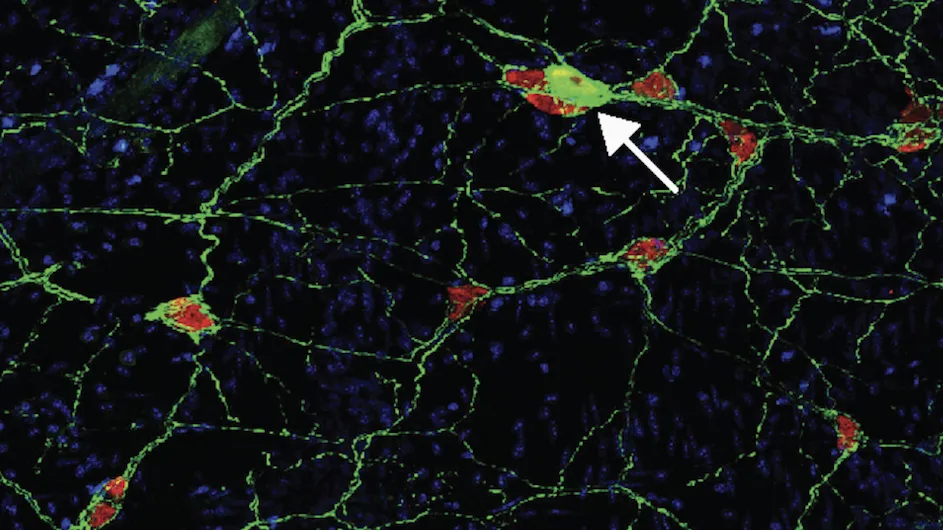
New findings show that what triggers initial gastrointestinal changes in Parkinson’s could be a misdirected immune attack.
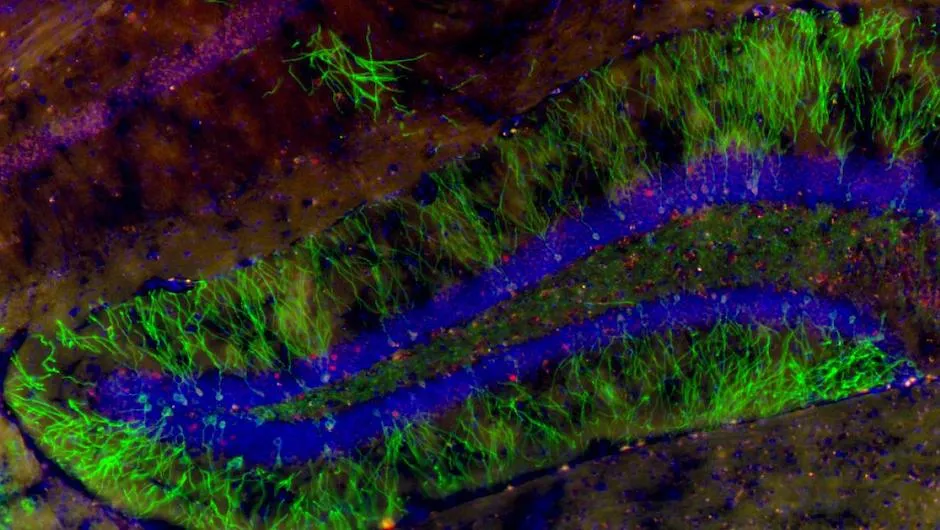
A new mouse study raises the possibility that we can prevent or treat memory loss related to aging and dementia.
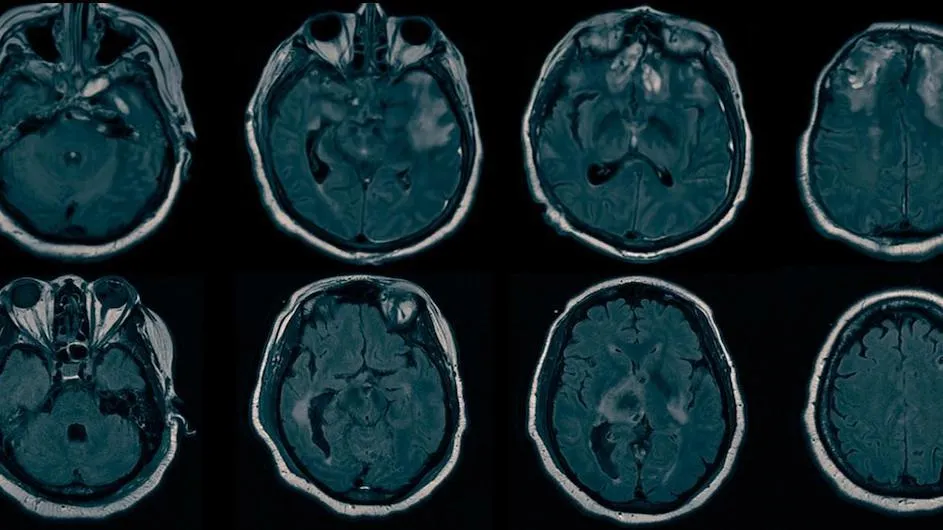
The findings could help physicians better predict which brain-injured patients are likely to recover with rehabilitation.

Professors Ivan Z. Corwin and Harris H. Wang were recognized for their pioneering work.

The U.S. First Lady met with first ladies of African nations participating in the Global First Ladies Academy.

New research offers insight on how the tick-borne diseases spread and interact in infected animals.
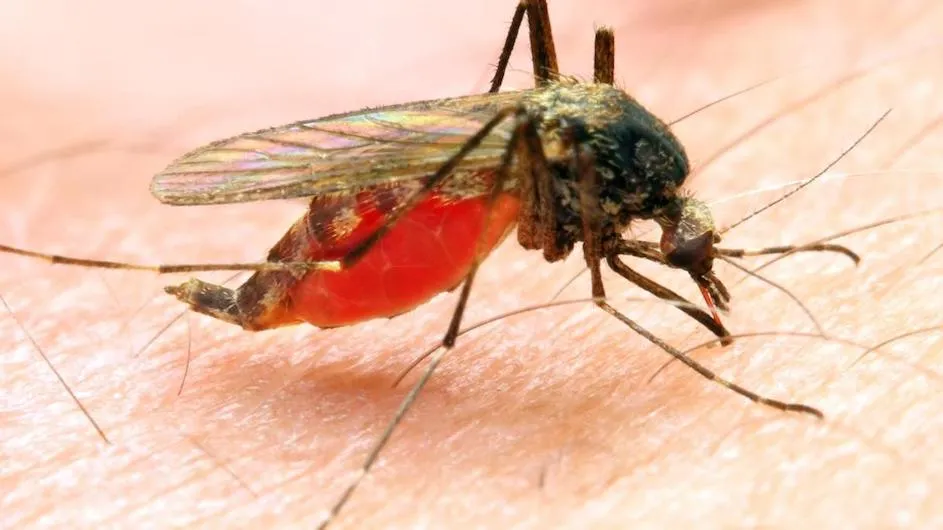
The CDC has issued a health advisory following recent cases of malaria in Florida and Texas. How worried should we be?

Taurine supplements can slow aging in worms, mice, and monkeys, extending the healthy lifespans of middle-aged mice by up to 12%.

Researchers found that a candidate drug significantly reduced the effects of cannabis in daily smokers.

Very few large-scale, randomized trials of the effects of vitamins or dietary supplements have been done until now.
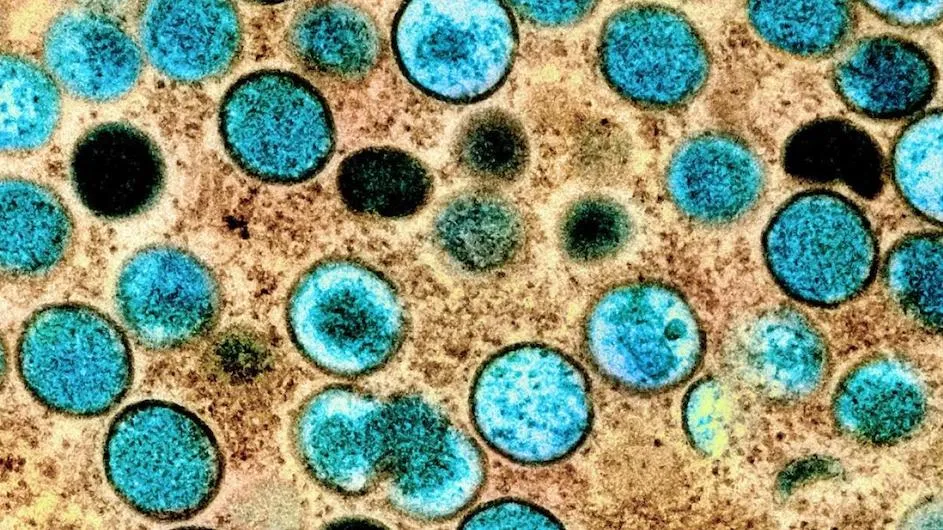
A new study addresses the question of whether people with both HIV and mpox would have worse treatment outcomes.

The school is using a multi-pronged approach to build a stronger mental health safety net.