Recent health and wellness news from across Columbia.

As we await the Supreme Court decision on Dobbs v. Jackson Women’s Health Organization, here’s something to think about.
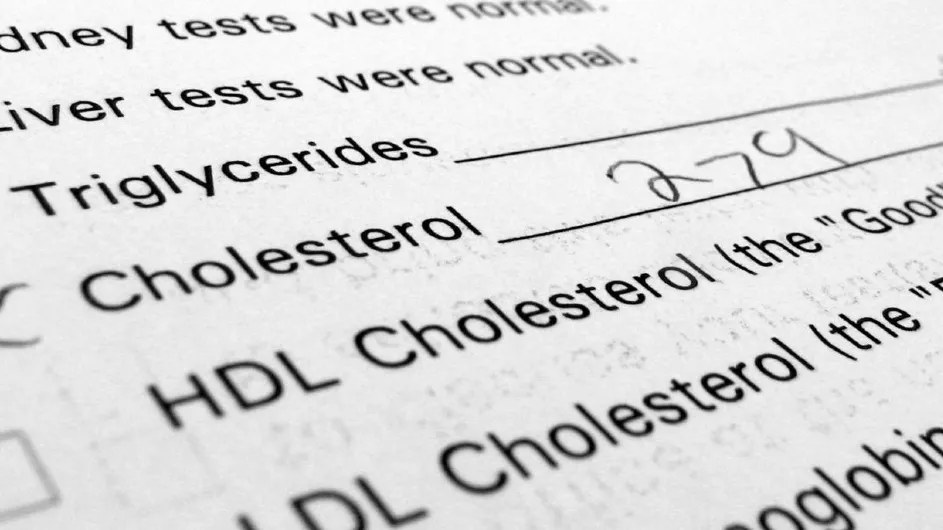
A screening program that combines genetic and lab testing could identify 1 million Americans at risk of early death from heart disease.

Having three or more children has a negative effect on late-life cognition, says new research by Columbia’s Mailman School of Public Health.

Columbia researchers devised a new metric as an alternative to the most commonly used aging metric.

Columbia dermatologist Dr. Dawn Queen runs through the facts on skin color, skin cancer, and other effects of ultraviolet rays.
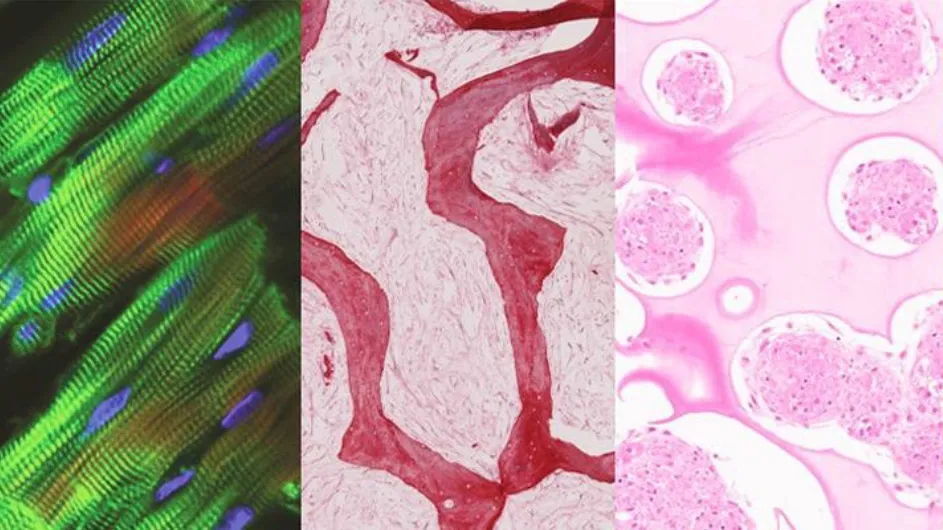
Columbia researchers have built a human tissue-chip system that links heart, liver, bone, and skin tissue modules.

Professors Zhezhen Jin, Bodhi Sen, and Tian Zheng were recognized for their contributions to statistics.

Heavy ions may be able to kill tumor cells more effectively than photons, while producing fewer effects on healthy nearby cells. A new grant will allow researchers at Columbia University Irving Medical Center to investigate this promising therapy.

The highest concentrations were found in Hispanic communities, according to a new study by Columbia’s Mailman School of Public Health.

A new type of UV light that's safe for people destroyed more than 98 percent of airborne microbes in a room within five minutes.

Think all fiber is equal? Think again. New research from Columbia's Mailman School of Public Health finds that total fiber—cereal fiber, specifically, but not fruit or vegetable fiber—was linked to lower inflammation.

Ask yourself some of the following questions to assess your COVID-19 risk.