Recent health and wellness news from across Columbia.
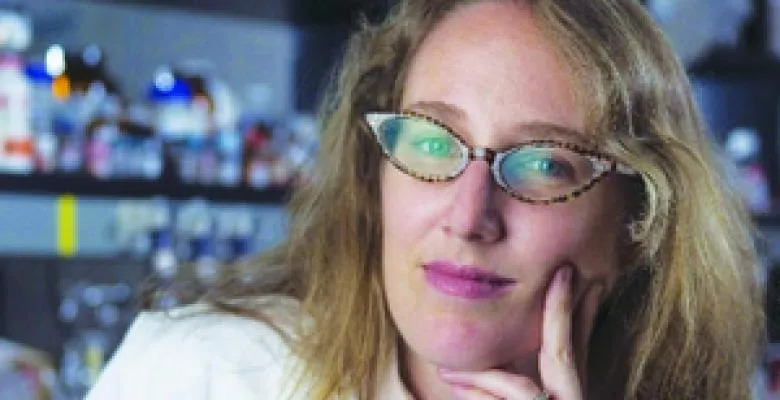
Modern science is immensely complex, but Professor Virginia Cornish had a simple idea for solving a big problem. The problem was cholera, which infects about four million people annually and kills at least 100,000, most of them children under age 5.
According to a new study, children exposed to high levels of the common air pollutant naphthalene are at increased risk for chromosomal aberrations (CAs), which have been previously associated with cancer. These include chromosomal translocations, a potentially more harmful and long-lasting subtype of CAs.

A novel robotic platform for minimally invasive single-port surgery that they say is the world’s smallest in required diameter (∅15 mm) that can enter the body while enabling dual-arm-dexterous operation, 3-D visualization, and automated instrument tracking.

Troubled by the dearth of health care services in poor communities, Manmeet Kaur started City Health Works, a nonprofit aimed at combating high rates of preventable chronic conditions, such as obesity, diabetes, heart disease and depression.

Just four days before Valeria Silva Merea boarded a plane bound for medical school in New York, she was in Beijing swimming in the 2008 Olympic Games.
Text message reminders to parents about flu vaccinations may help boost the number of children vaccinated, according to researchers at Columbia University Medical Center and NewYork-Presbyterian Hospital.
A study by researchers at Columbia University’s Mailman School of Public Health finds that pregnant women in New York City exposed to higher concentrations of chemicals called polycyclic aromatic hydrocarbons, or PAHs, were more than twice as likely to have children who were obese by age 7 compared with women with lower levels of exposure.
Researchers predict that without changes to eating and activity, more than one in five young people will be obese by 2020

When a psychiatrist sets out to write a diet book, he doesn’t have a slimmer waistline in mind. Drew Ramsey, assistant clinical professor of psychiatry and coauthor of The Happiness Diet (Rodale, 2011), believes good health and happiness are achieved when the brain is consistently fed all the nutrients it needs for optimal cognitive and emotional functioning.
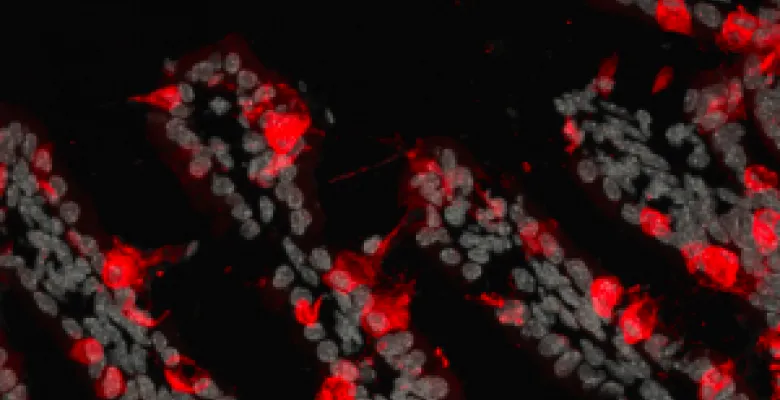
A study by Columbia researchers suggests that cells in the patient’s intestine could be coaxed into making insulin, circumventing the need for a stem cell transplant. Until now, stem cell transplants have been seen by many researchers as the ideal way to replace cells lost in type I diabetes and to free patients from insulin injections.
A leading hematologist/oncologist and former president of Haverford College, Stephen G. Emerson, M.D., Ph.D., has been named director of the Herbert Irving Comprehensive Cancer Center at NewYork-Presbyterian Hospital/Columbia University Medical Center, effective April 1.
Worldwide pandemics of influenza caused widespread death and illness in 1918, 1957, 1968, and 2009. A new study examining weather patterns around the time of these pandemics finds that each of them was preceded by La Niña conditions in the equatorial Pacific.