The latest earth, climate, and environmental science news from across Columbia.

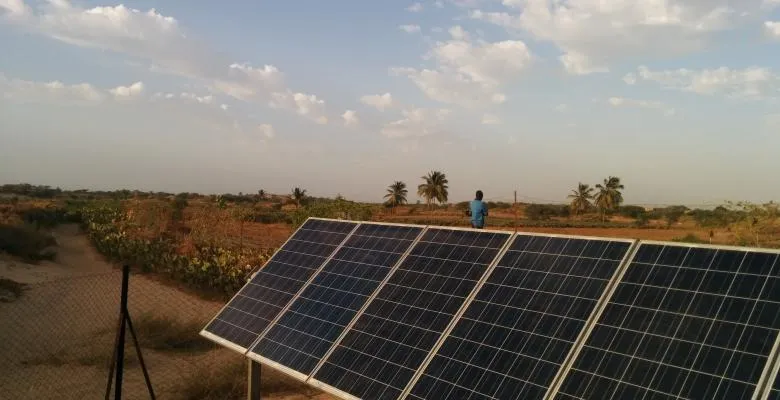
The project combines mapping techniques with Twitter-usage data to gain a real-time understanding of how people occupy public space.
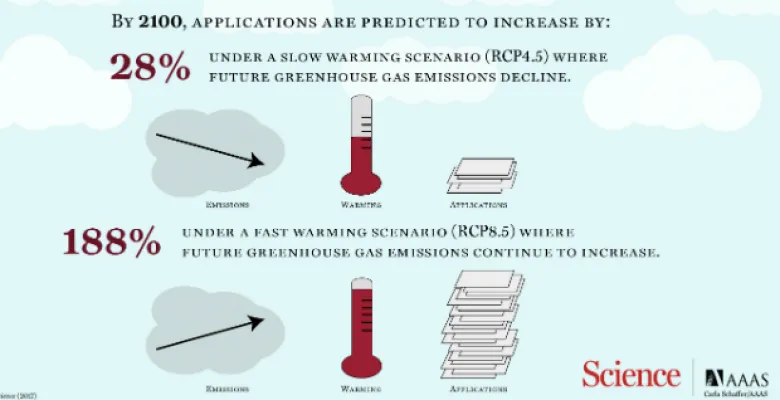
In a new study in Science, researchers predict a rising number of asylum seekers to the European Union as global temperatures increase.

“Alex Halliday is a renowned research scientist and skillful academic leader who is uniquely suited to charting the Institute’s future and its vital interdisciplinary role at the University," said President Lee C. Bollinger.

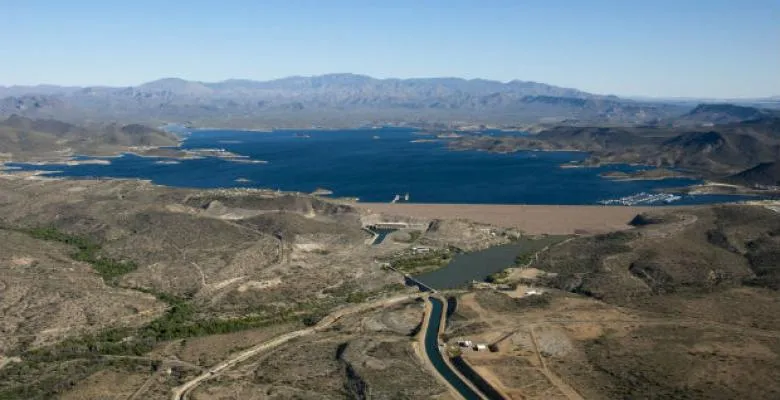
In the first evaluation of evaporation as a renewable energy source, researchers at Columbia University find that U.S. lakes and reservoirs could generate 325 gigawatts of power, nearly 70 percent of what the United States currently produces.
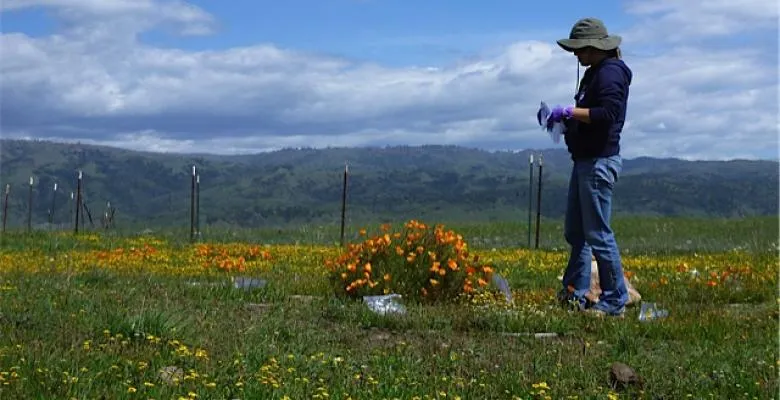
Gardeners and nature lovers have noticed that plants are flowering earlier every year—a phenomenon generally attributed to climate change. New findings by Columbia researchers, however, are among the first to show that a decline in biodiversity may also play a role, magnifying the impact of climate change not just when plants flower, but on entire ecosystems.
Columbia University has pledged to cut greenhouse gas emissions by 35 percent in the next three years through a mix of energy conservation and efficiency measures under its first campus sustainability plan.
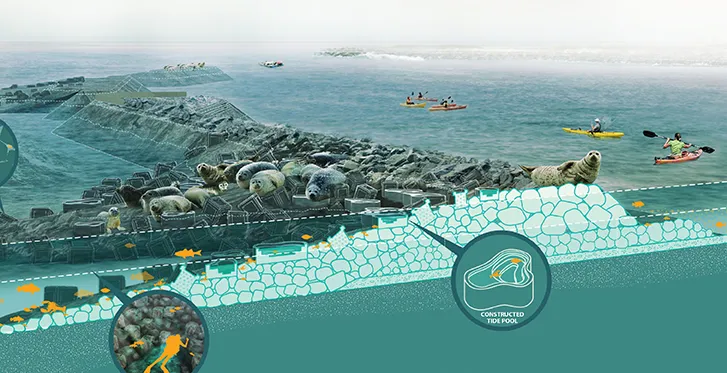
Associate Professor Kate Orff’s Oyster-tecture is a plan to bring oysters back to New York Harbor. Oysters filter water and form reefs that can buffer against storm surges. The project, expected to be completed by 2019, will create bays to host finfish, shellfish and lobsters while reducing erosion. It will also serve as an environmental education site. Courtesy of Kate Orff.
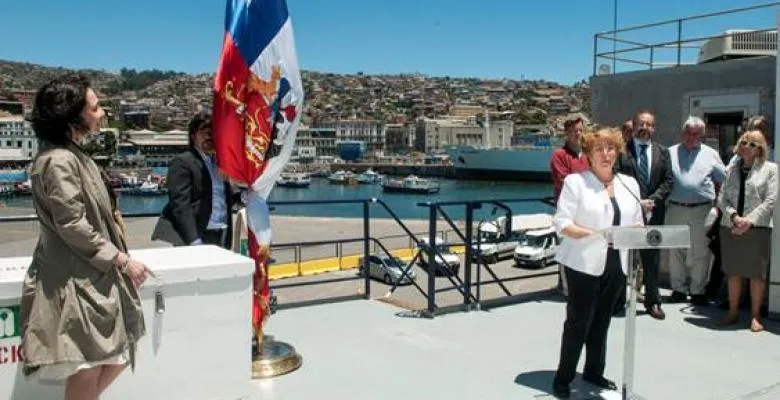
Chilean president Michelle Bachelet visited the R/V Marcus G. Langseth on Jan. 9 when it docked at the port city of Valparaiso, touring the ship—which is operated by Columbia’s Lamont-Doherty Earth Observatory--on its months-long voyage to map the occurrences of earthquakes and tsunamis in the region.