The latest earth, climate, and environmental science news from across Columbia.
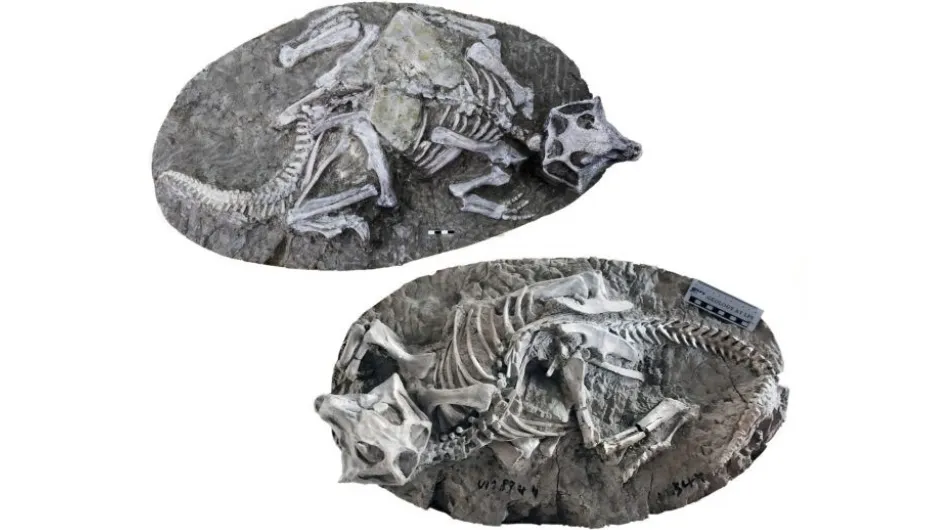
A new study throws cold water on the assumption that exquisite fossils resulted from cataclysmic volcanic eruptions.
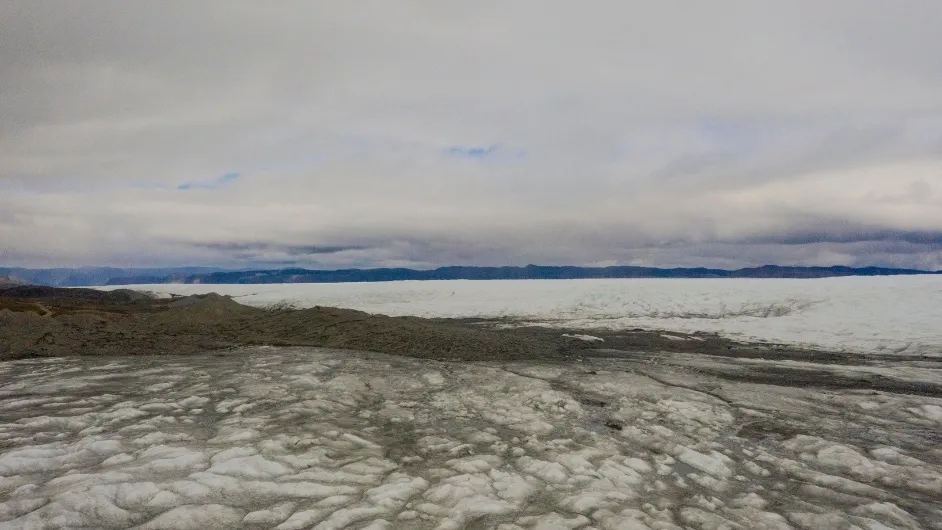
Data science students are using drone photography and Artificial Intelligence to understand why Greenland's ice sheet is melting so quickly.
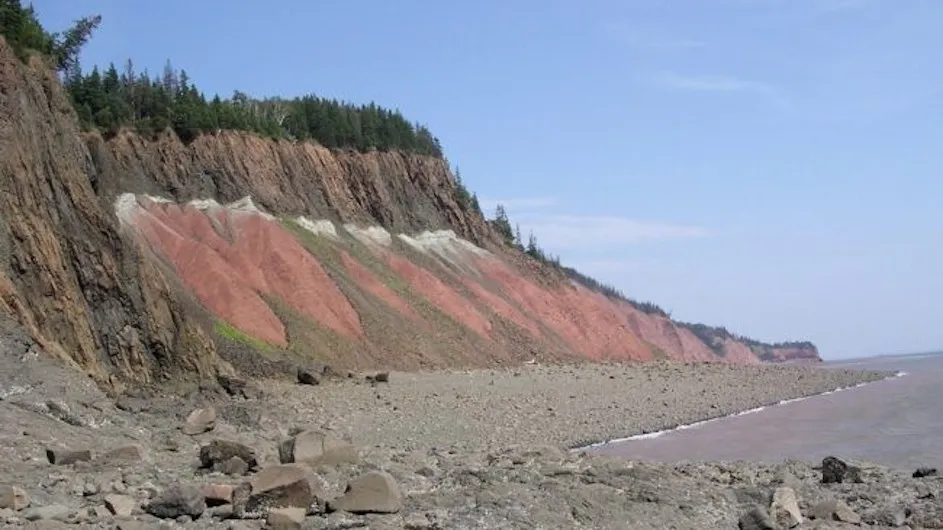
A new study led by Columbia researchers is upending a long-held hypothesis about what ushered in the Jurassic period.
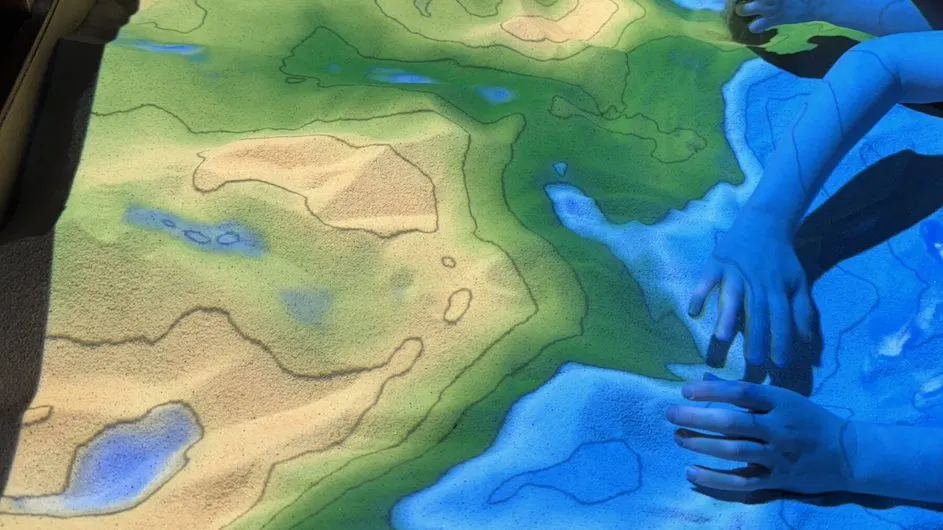
More than 2,000 visitors attended this year's installment of the annual earth science-focused event.

Braddock Linsley, a professor at the Climate School's Lamont-Doherty Earth Observatory, has been investigating coral for decades.
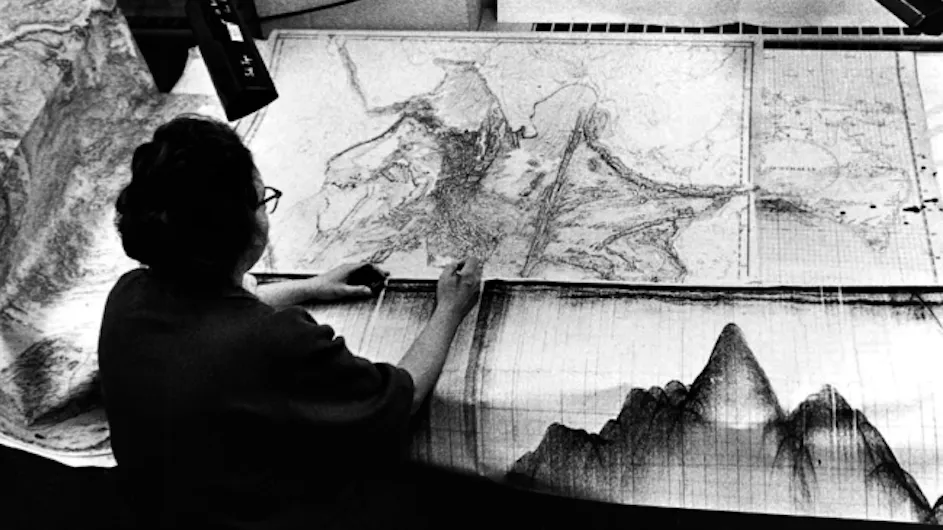
Founded in 1949, Lamont has consistently served as an international leader in scientific scholarship.
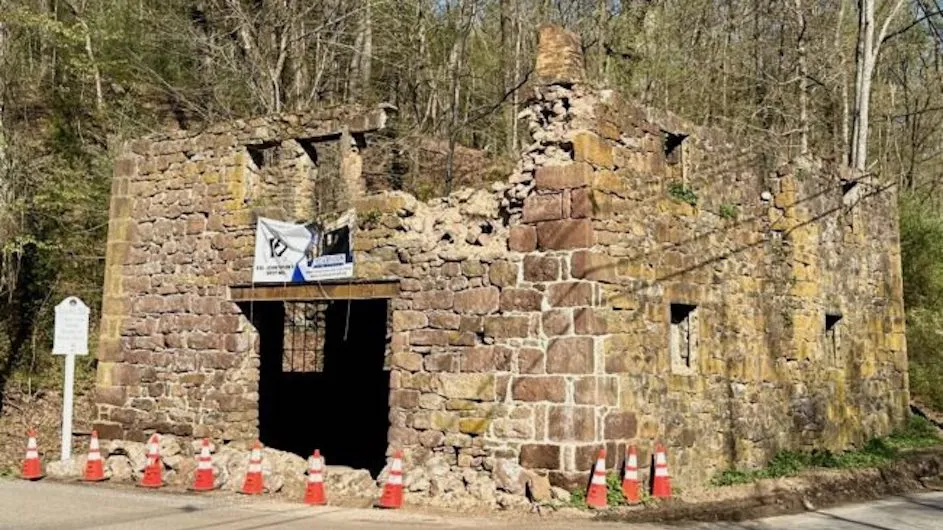
A new study suggests the need to re-evaluate how shaking from any future sizable quake may be distributed across the region.

A park restoration project led by Columbia faculty held a celebration to mark successes and demonstrate next steps.
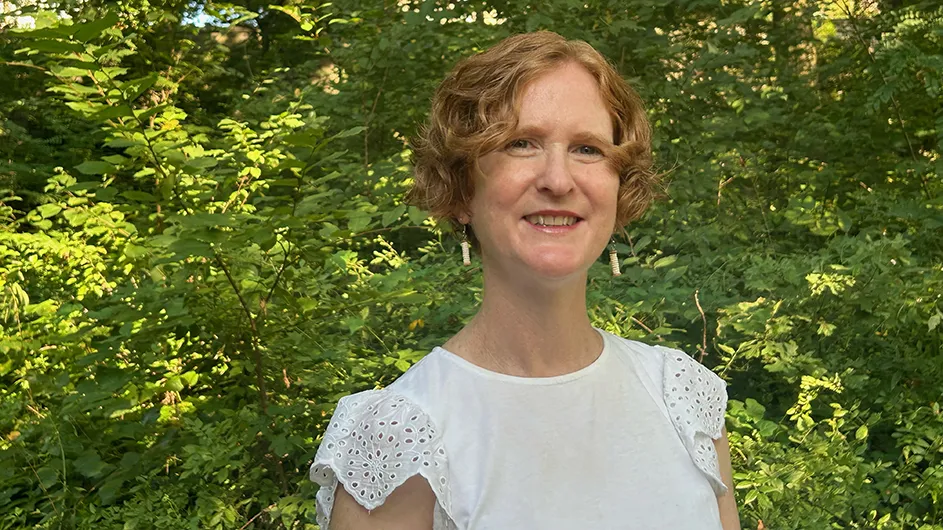
Rhiannon Stephens, who specializes in African history, has won awards for teaching and faculty mentoring.

The exhibition, Shifting Shorelines, illustrates how human activity and industry have had an impact on the river.
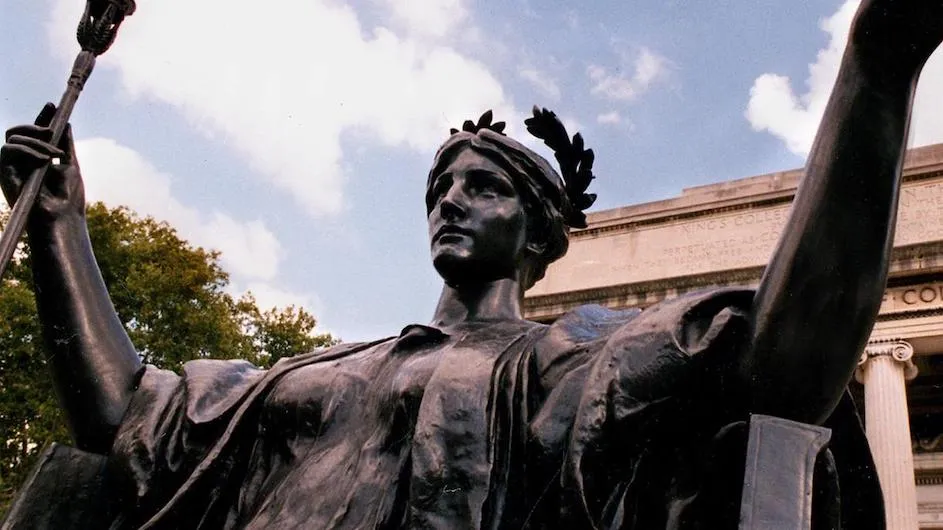
Climate and Health: Action and Research for Transformational Change (CHART) is funded by the National Institutes of Health.

The two-year program will prepare young and mid-career professionals and future academics to be climate leaders.