The latest earth, climate, and environmental science news from across Columbia.
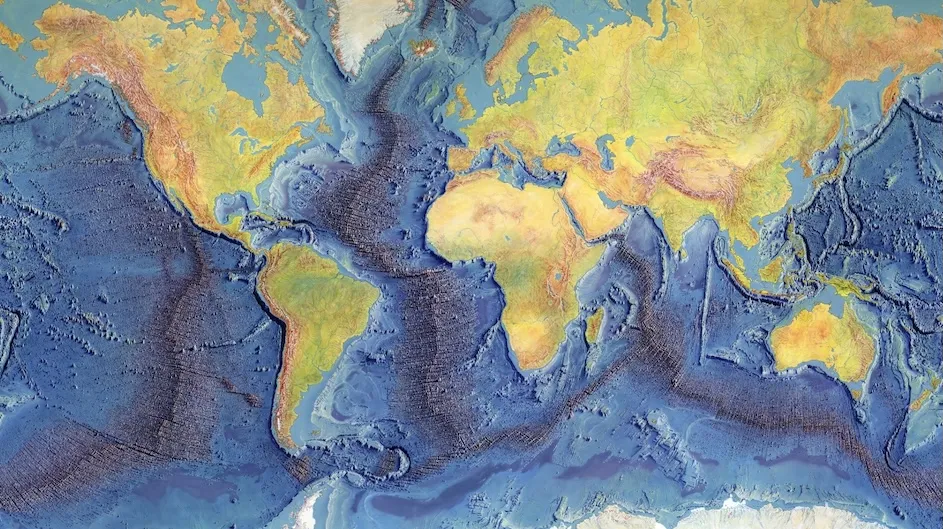
While at Columbia, Marie Tharp and Bruce C. Heezen produced a landmark ocean floor map. Explore it in this new interactive.
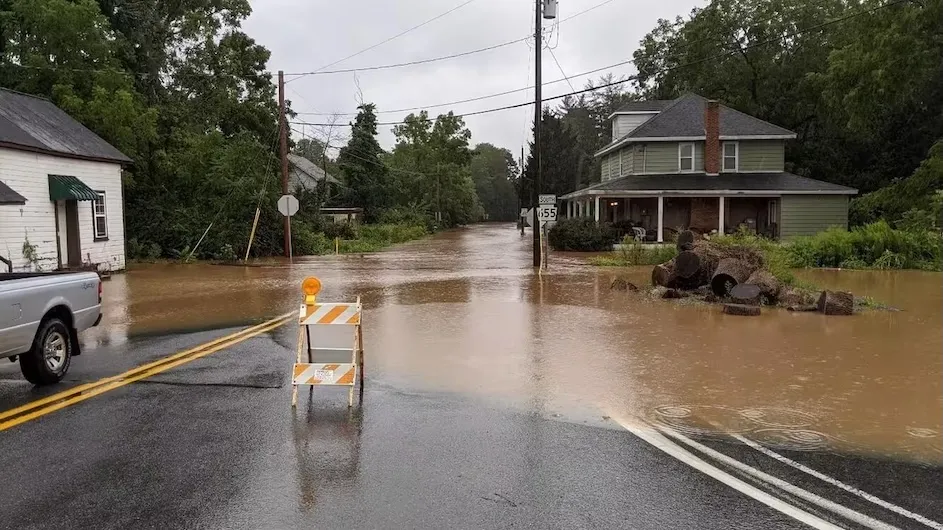
In a new study, Columbia University researchers found unexpected trends in storms with extreme precipitation.
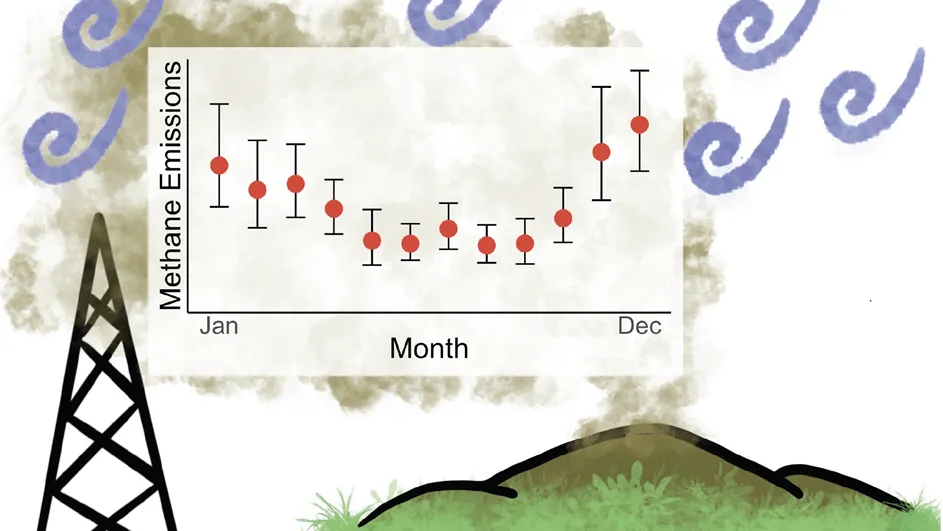
The findings suggest that short-term or “fair-weather” surveys may miss major landfill methane releases.
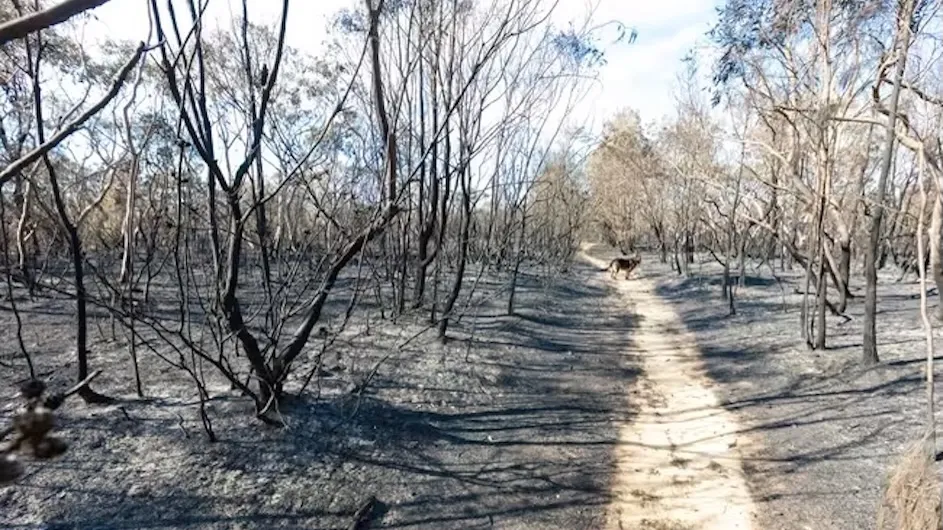
A new study found that warming has made the air drier in both places, which can make forests more likely to burn.
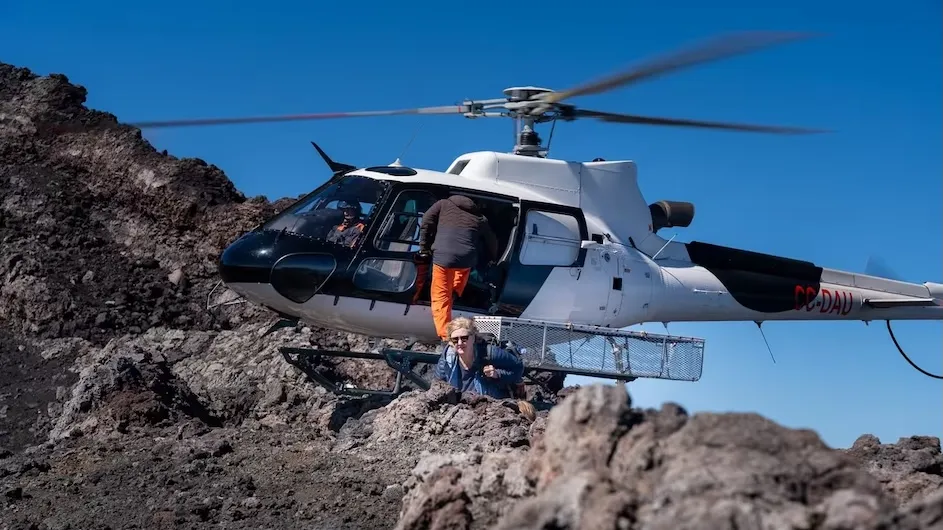
Columbia scientists are working to give observatories better views of restless volcanoes and to make those data openly available.
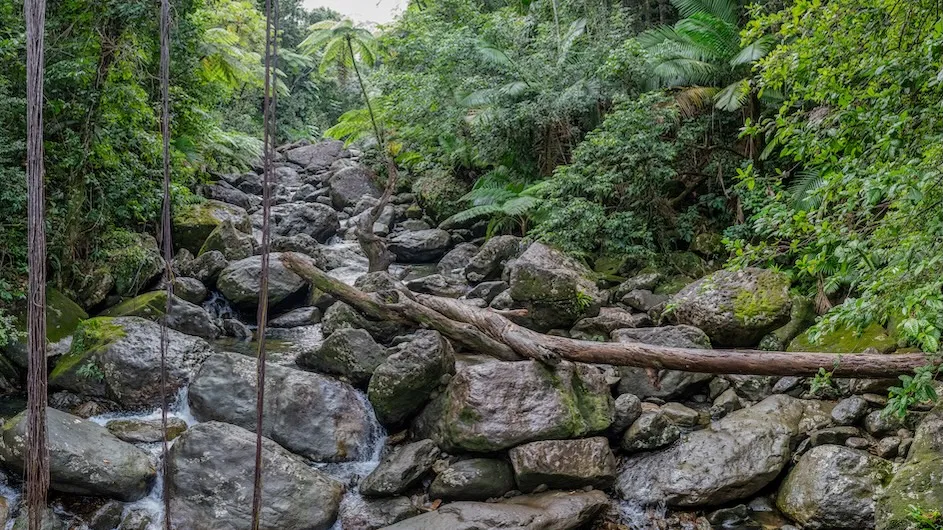
Most tropical tree species can adjust water-use strategies across rainfall conditions, offering hope in a warmer, drier world.
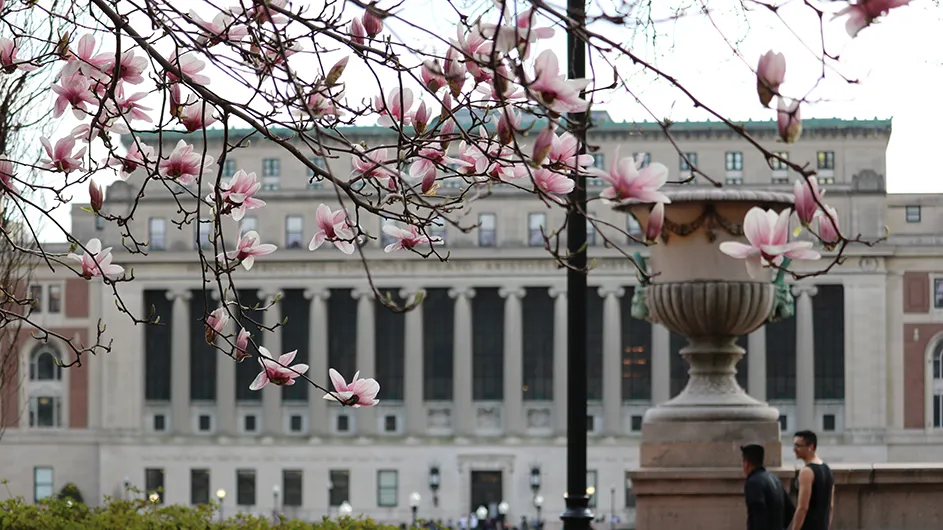
The Department of Energy mission aims to integrate artificial intelligence into transformative scientific discovery.
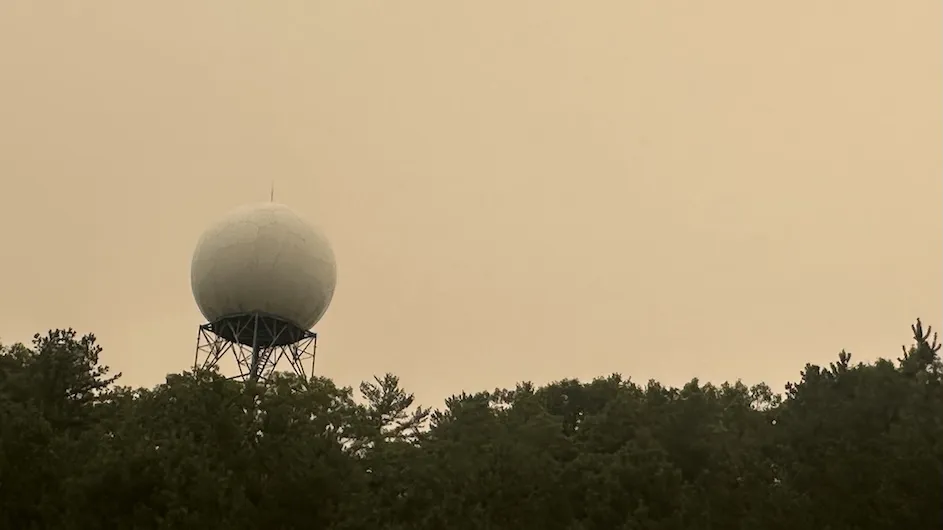
Smoke-filled skies and unhealthy air quality alerts have hit the Upper Midwest and the Northeast U.S. this week.
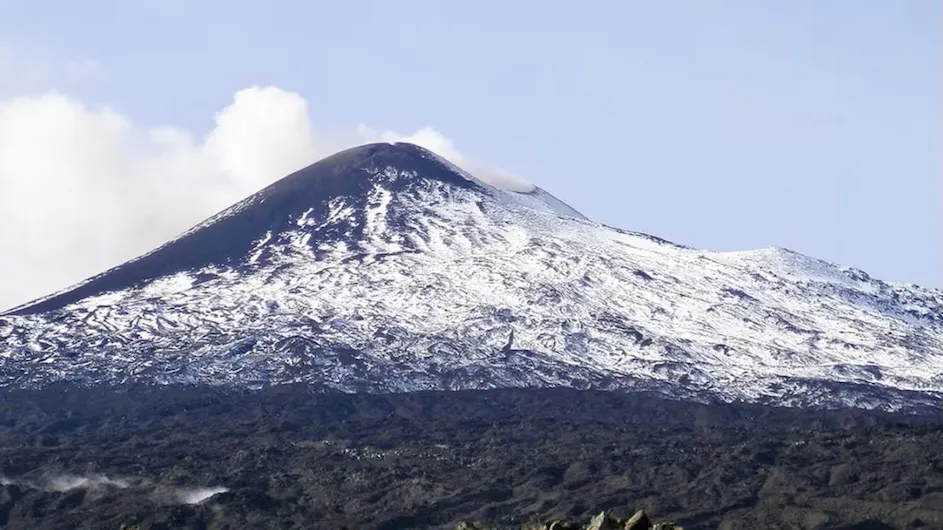
Understanding these dynamics can help geologists assess the risk of future eruptions.
The findings suggest climate models may overstate the long-term carbon sink provided by forests.
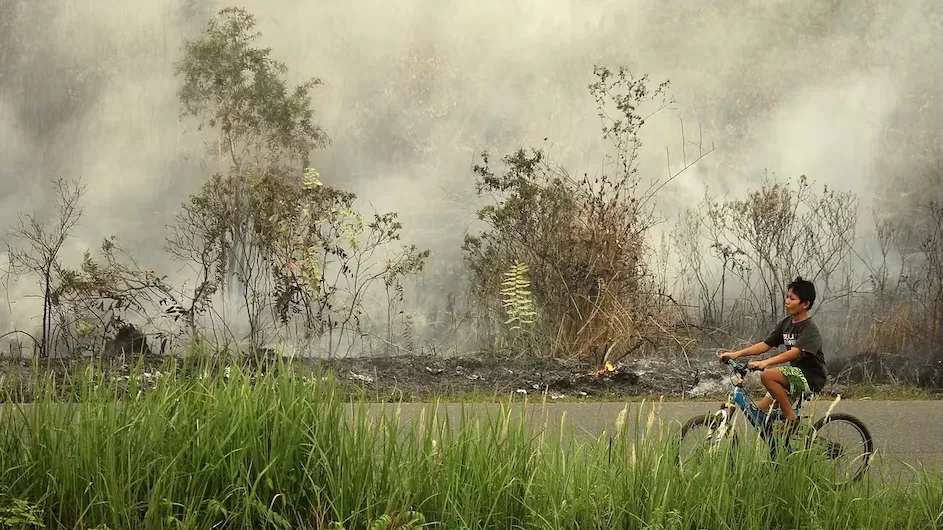
Columbia Climate School experts explain what El Niño is and what we can expect if a true “super” El Niño develops.
Climate Justice Now transcends traditional scholarly divides across the natural sciences, social sciences, and humanities.