The latest earth, climate, and environmental science news from across Columbia.
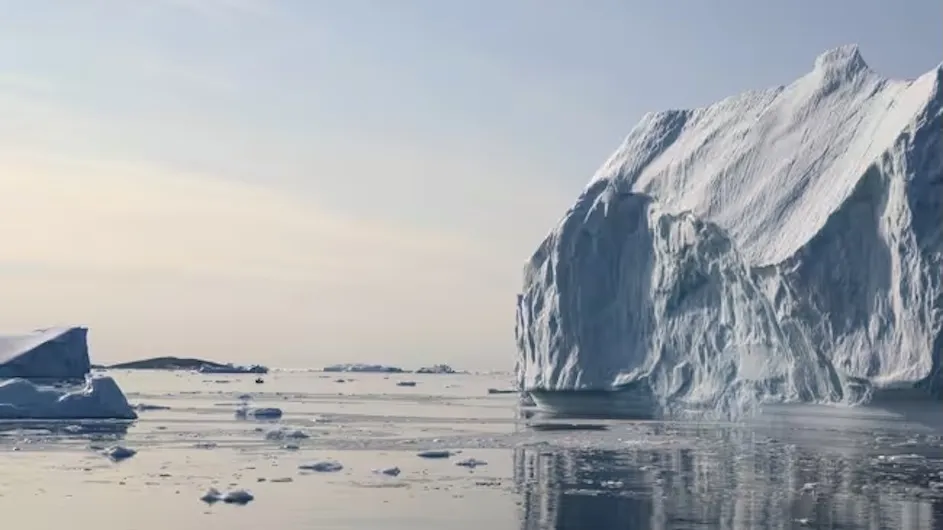
Several factors are causing this seemingly paradoxical dynamic.
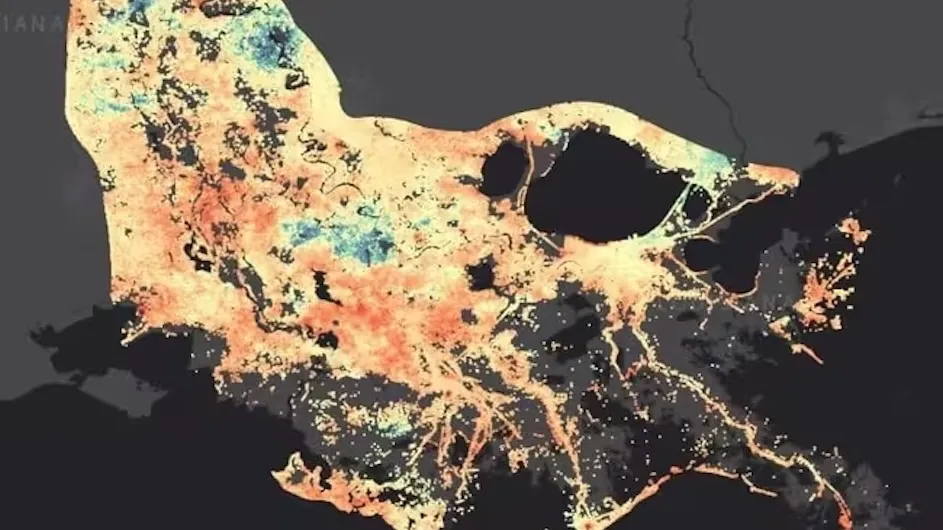
New research could help communities better prioritize immediate local interventions.
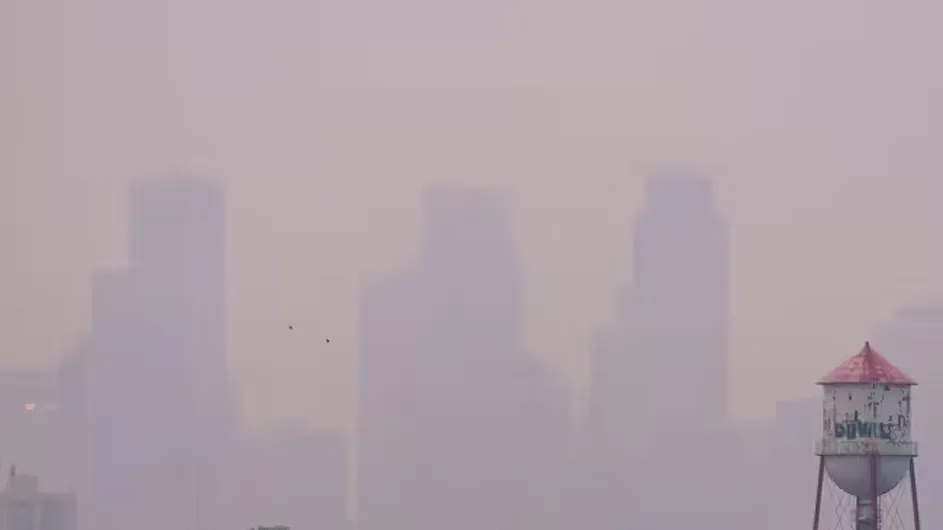
Canada’s record 2023 wildfire smoke is part of a broader, continent-wide trend, a new analysis shows.
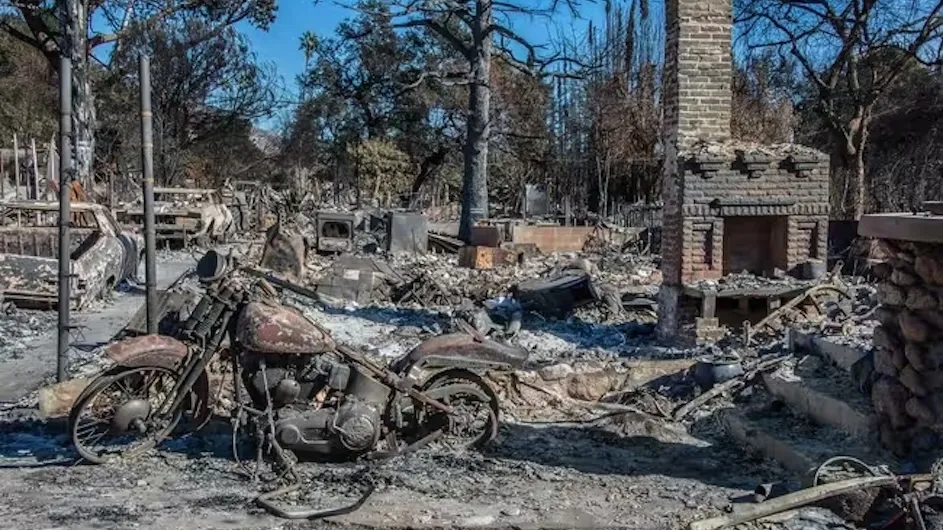
The wildfires that ravaged Los Angeles a year ago were among the worst in California’s history.
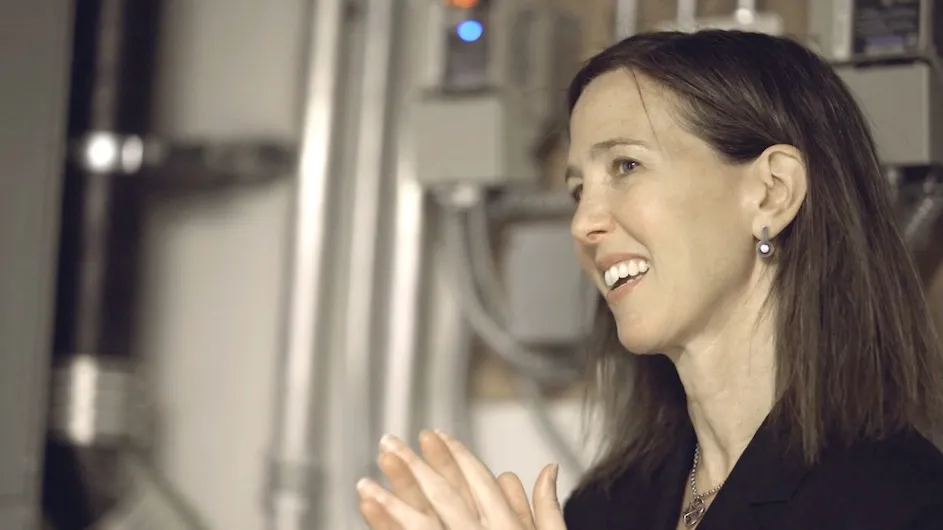
Climate School Dean Alexis Abramson focuses on making buildings more efficient through data, machine learning, and smart design.

Columbia Climate School researchers' new findings could help millions who lack access to potable water.

Columbia News spotlights 2025 Columbia University research breakthroughs you should know about.

Fiction, nonfiction, memoir, history, essays, language, art history, architecture, climate—we’ve got you covered with this diverse list of books.
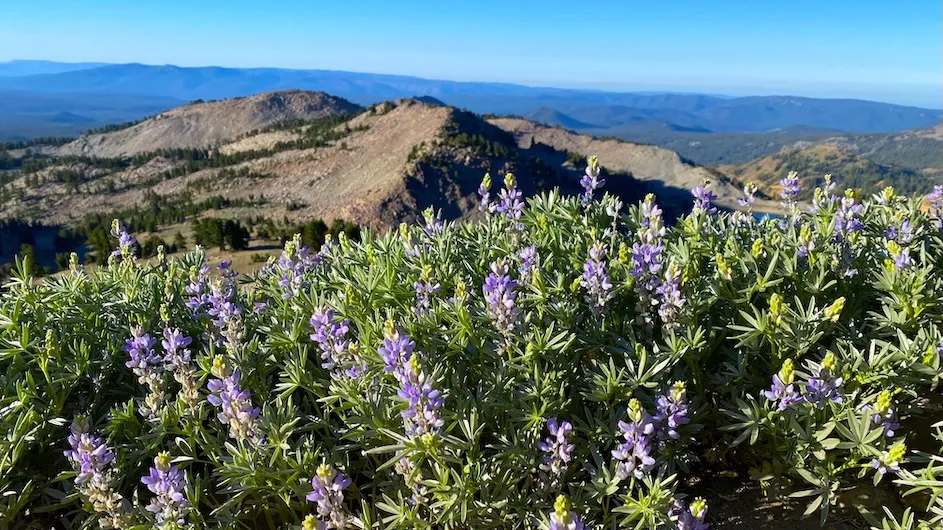
Current climate models overstate the rate of nitrogen fixation, a natural process that helps remove atmospheric carbon dioxide.

Columbia Public Health and Climate School researchers led a new study into the ongoing global health threat from arsenic.
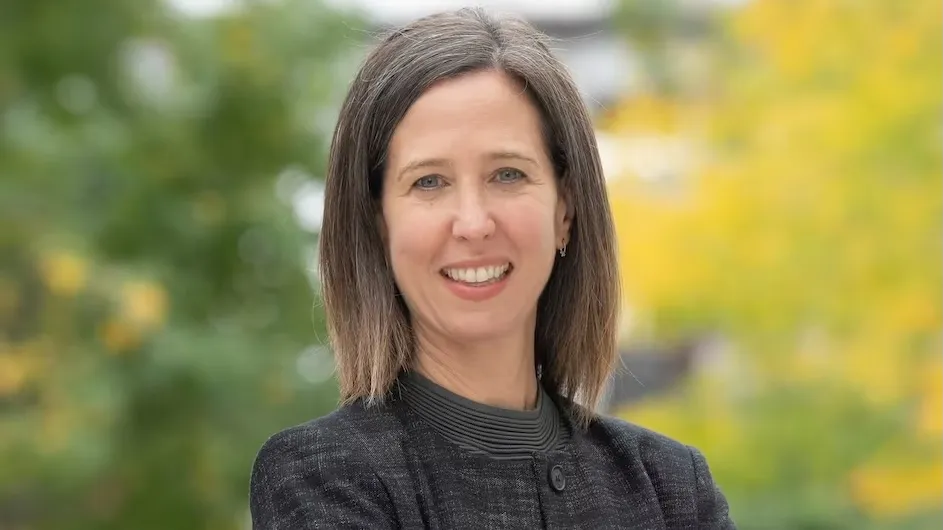
COP, the annual climate summit, brings diverse leaders together to discuss and implement solutions to climate change.

Ancient sediments are rewriting the long-held story that the island suffered from a societal collapse.