This page features news and research related to topics about politics at Columbia University.
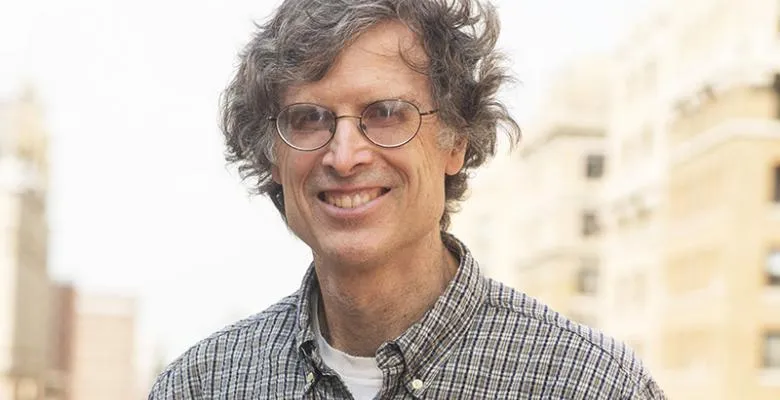
Brendan O’Flaherty was a teenager in Newark, N.J. in the 1960s, when the city was engulfed by racially charged political battles and violence. In 1967, racial tensions and allegations of police brutality sparked five days of riots that left 26 dead and hundreds injured, leaving the once-vibrant core of New Jersey’s largest city with enduring scars.
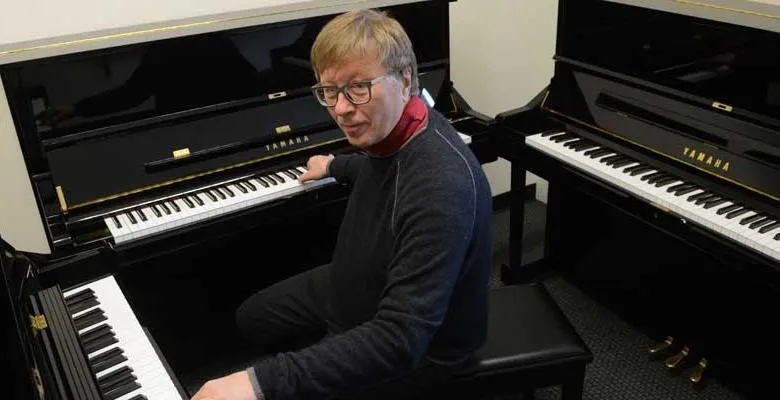
When the Berlin Philharmonic performed the Georg Friedrich Haas piece dark dreams at Carnegie Hall last October, critics were ecstatic and some audience members booed. Anthony Tommasini, reviewing the concert in The New York Times, noted that “new pieces are not often booed. I hope Mr. Haas feels that he was doing something right to arouse such a reaction.”
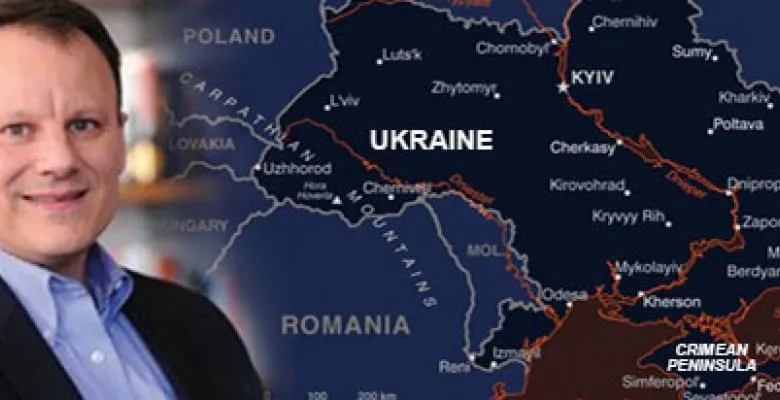
Robert Jervis, the Adlai E. Stevenson Professor of International Politics. “It’s the president who is seen as the main guardian of national security and foreign policy, the House and Senate are seen as one step removed."
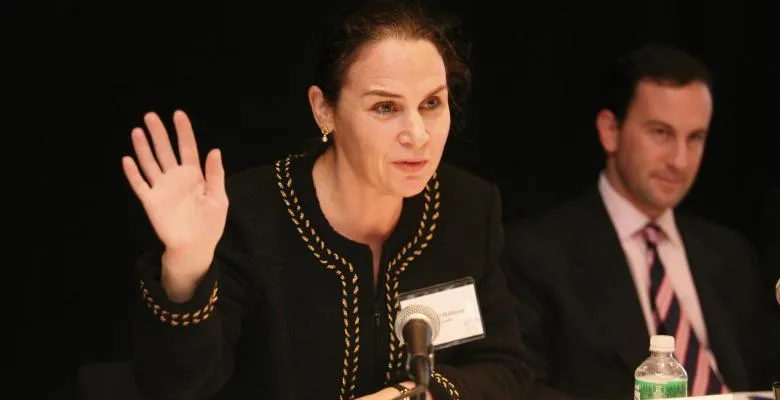
With much of the nation still recovering from the 2008 financial meltdown, the U.S. economy will be one of the top issues in the midterm elections, says Sharyn O'Halloran.

As a flood of cash from wealthy individuals finds its way into campaign coffers for this year’s elections, Law School Professor Richard Briffault is following the money.

Race remains a touchstone of American politics, never far from the electoral fray, says Fredrick Harris, professor of political science and director of Columbia’s Center on African-American Politics and Society.
No one expects Republicans to lose seats in the House, and most forecasts give Republicans the likely edge in taking control of the Senate, although it’s unclear by what margin.
Andrew Nathan, Class of 1919 Professor of Political Science, is an expert on Chinese politics and foreign policy, even though he hasn’t been to the country since 2001.
In his new book, "Maximalist: America in the World from Truman to Obama," Professor Stephen Sestanovich’s argues that since World War II, policy makers have repeatedly miscalculated, quarreled with allies and underestimated their foes.

Dipali Mukhopadhyay's new book focuses on two provincial governors, Atta Mohammad Noor and Gul Agha Sherzai, who, she writes, demonstrate that a strong warlord who faced local competition could make the transition from "strongman to strongman governor."

Russia experts at Columbia’s Harriman Institute for Russian, Eurasian and East European Studies have sponsored three panel discussions related to the Sochi Olympics, one on Russian politics and two concerning the anti-gay policies of the Putin administration. A fourth, on cybersecurity and the Olympics, is scheduled for Feb. 10.