This page features news and research related to topics about politics at Columbia University.
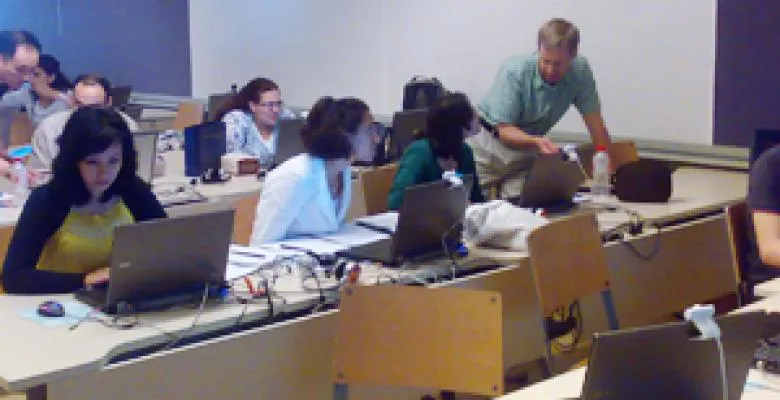
As the eyes of the world focused on Egypt’s transition to democracy, Columbia University political science faculty members conducted a quantitative research workshop for aspiring social scientists at The American University in Cairo just weeks before Egypt’s historic presidential elections.
Shelley Mayer has traded her Morningside Heights office for a seat in Albany.
In Travis Irvine’s application to Columbia’s Graduate School of Journalism, he wrote that he wanted his career to include travel, filmmaking, comedy, politics and, oh yes, journalism.
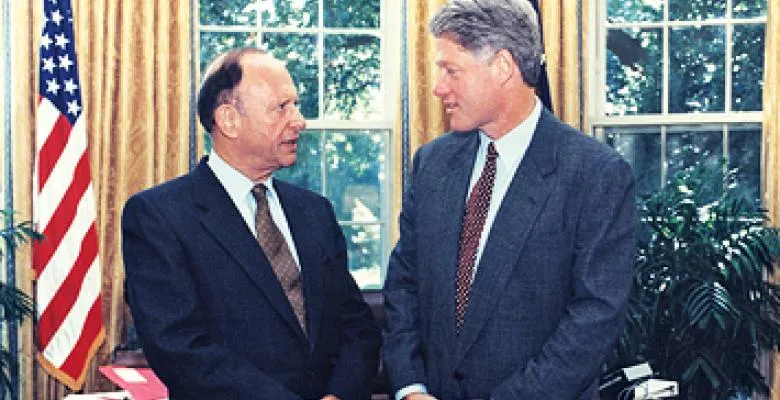
More Than 100 Former Students Will Return to Columbia for a Conference in Honor of Professor Richard Gardner as He Preprares to Retire After Six Decades
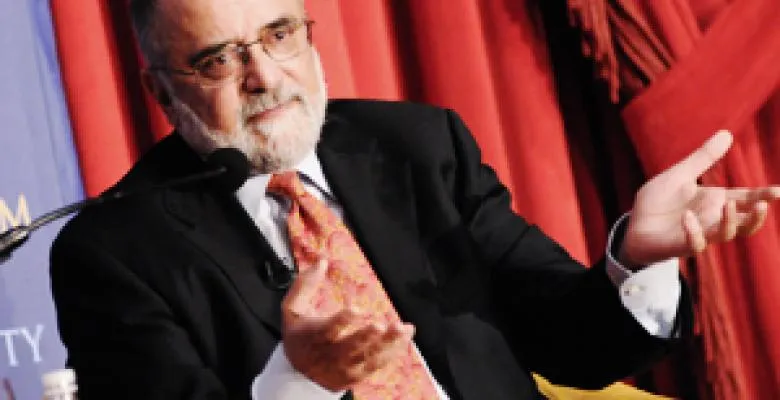
Pakistani journalist Ahmed Rashid spoke of the tenuous state of U.S. involvement in both nations at Columbia University’s World Leaders Forum on March 20.
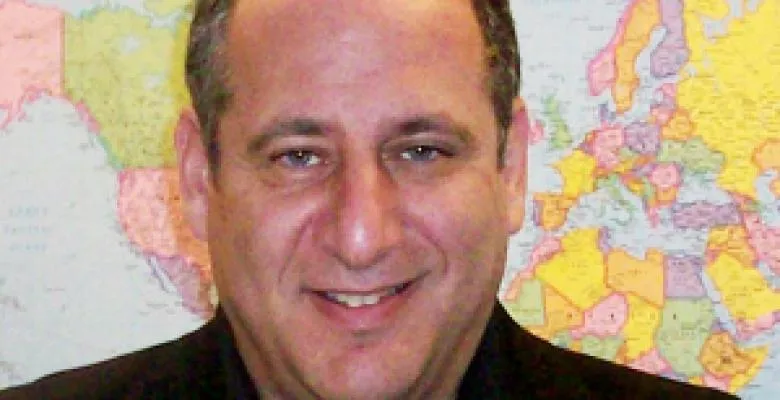
David L. Phillips believes violent conflict is not inevitable. As director of Columbia’s Program on Peace-building and Rights, Phillips’s office is on the Morningside campus, but his real work takes place in trouble spots across the globe.
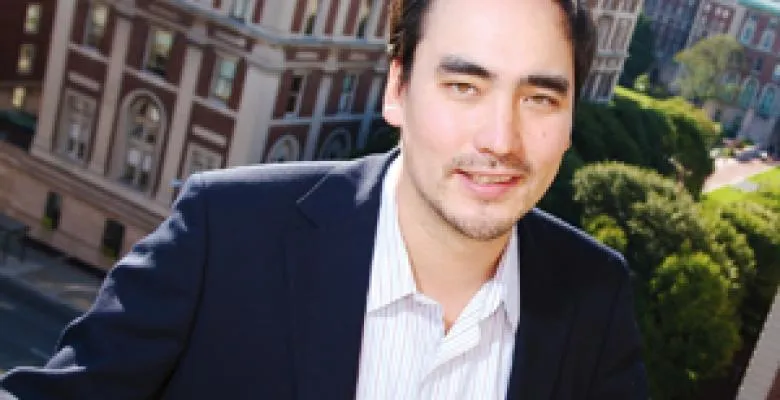
Known for his groundbreaking scholarship on information networks, Wu's focus at the FTC was on helping the government with emerging regulatory policy and cases involving the Internet and mobile markets.
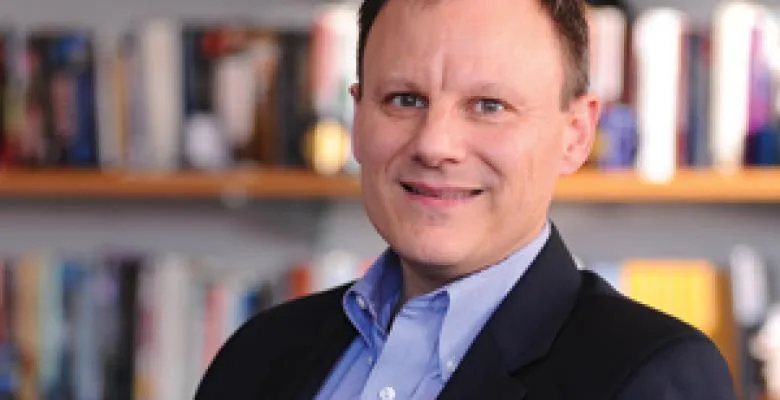
As the Marshall D. Shulman Professor of Post-Soviet Foreign Policy and director of Columbia’s Harriman Institute, the oldest academic institution devoted to the study of the former Soviet Union, Eastern Europe and the Balkans, Frye is once again riveted by the state of the Russian political scene.
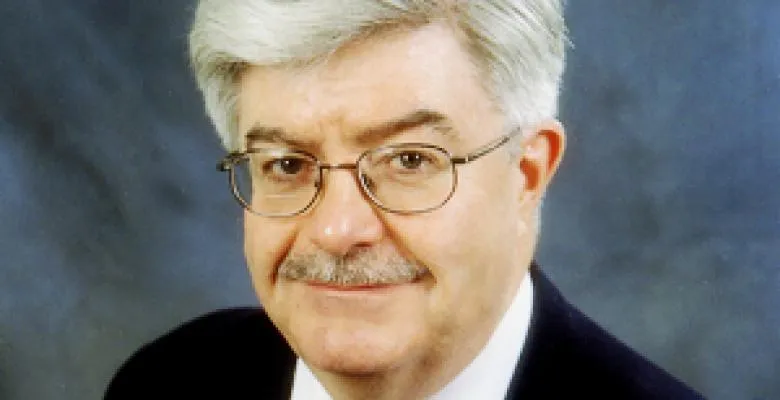
President Barack Obama’s new national defense strategy represents “a move in the right direction and a chance to do more of what we should have done after the Cold War and before the second war against Iraq,” according to Richard Betts, the Arnold A. Saltzman Professor of War and Peace Studies.
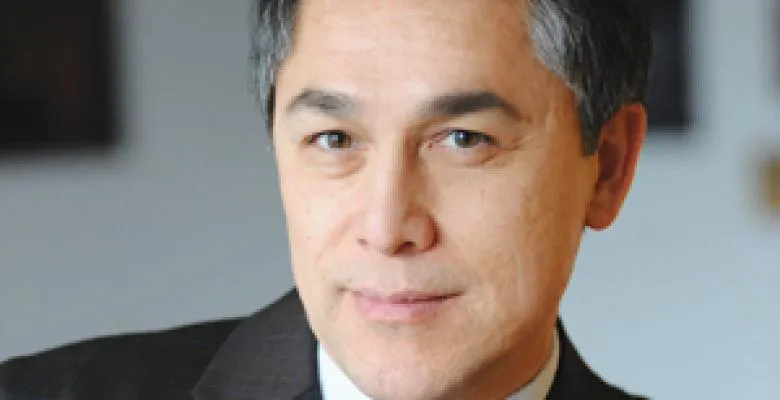
Fourteen years ago, North Korea’s calendar was changed so that time officially began in 1912—the birth year of Kim Il Sung, who ruled the communist nation from its founding in 1948.
Nathaniel Persily, Charles Keller Beekman Professor of Law and Professor of Political Science at Columbia Law School, has been named special master for redistricting by the Connecticut State Supreme Court.
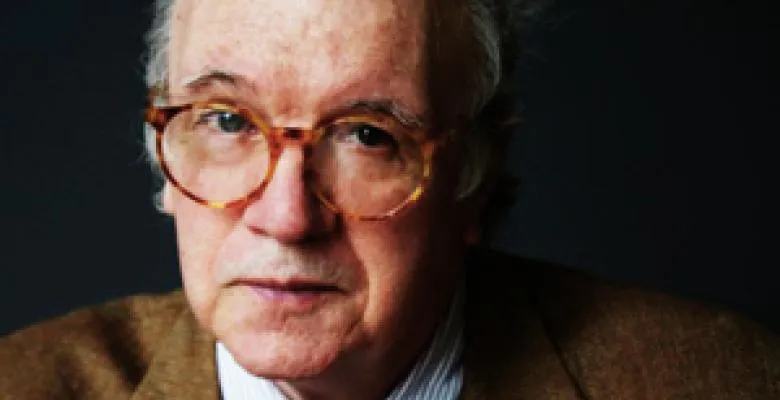
Tom Edsall has covered every presidential campaign since 1968. He has reported on politics from more than 30 states and written five books on the subject. He sees politics in virtually everything. “If I’m walking down Broadway and I see a school bus hit a police car, my first thought is, does this help the Democrats or the Republicans?” he said.