

COLUMBIA SCIENCE IN THE NEWS
The New York Times
September 6, 2026
Science
August 28, 2026
The New York Times
August 20, 2026
RECENT STORIES
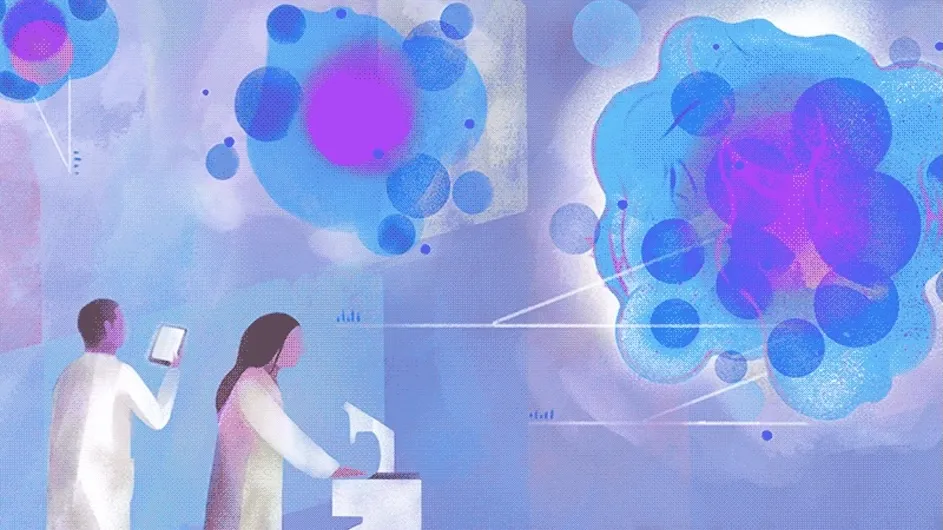
Ferroptosis, a process discovered by Columbia biologist Brent R. Stockwell, could help defeat some of the deadliest cancers.

Columbia Climate School researchers' new findings could help millions who lack access to potable water.
What is the nature of dark matter? A new experiment led by Columbia University physics professors aims to find out.
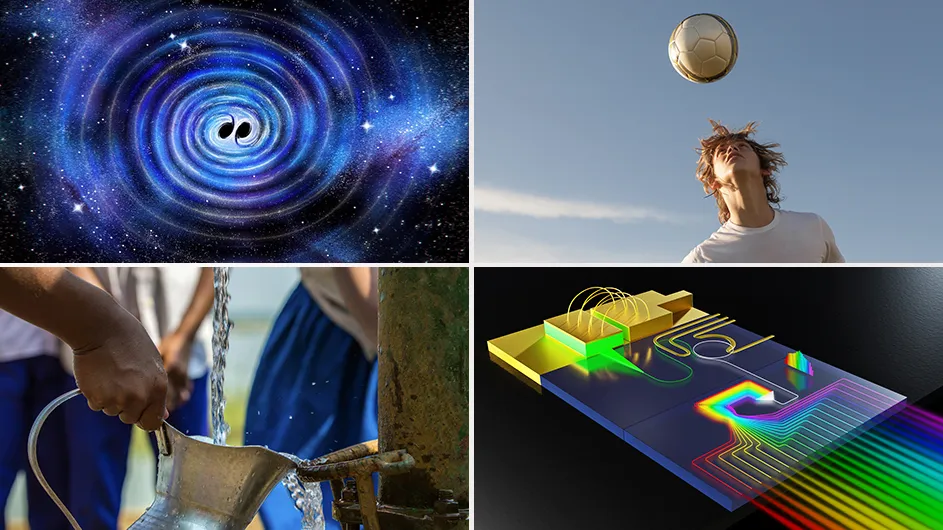
Columbia News spotlights 2025 Columbia University research breakthroughs you should know about.
Columbia Professor Brian Metzger helped other astronomers interpret their observations of the unexpected stellar event.
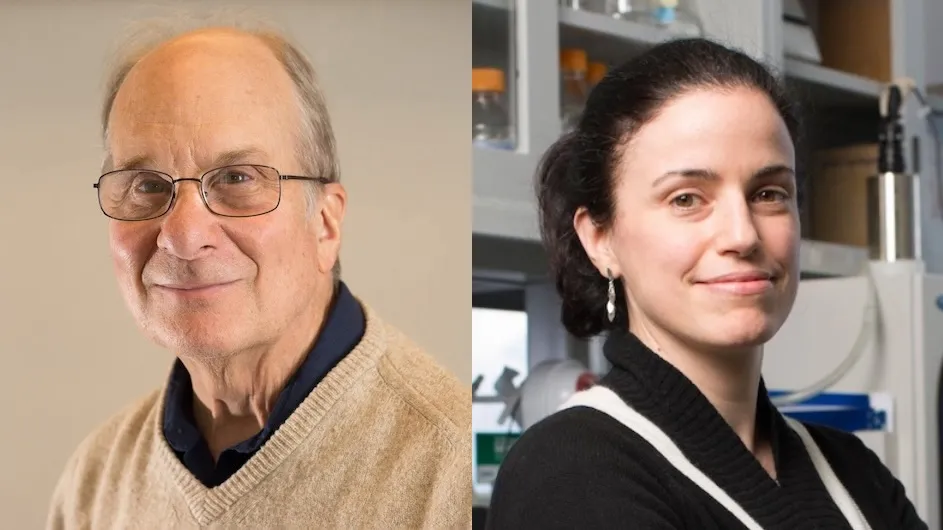
Fellowship is the highest professional distinction awarded solely to inventors.
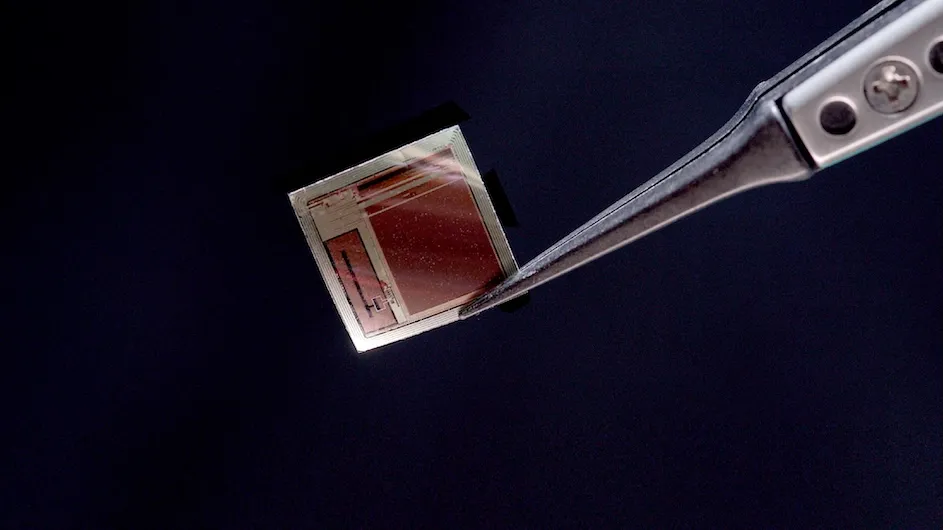
A new implant is orders of magnitude faster and smaller than today’s state-of-the-art brain-computer interfaces.
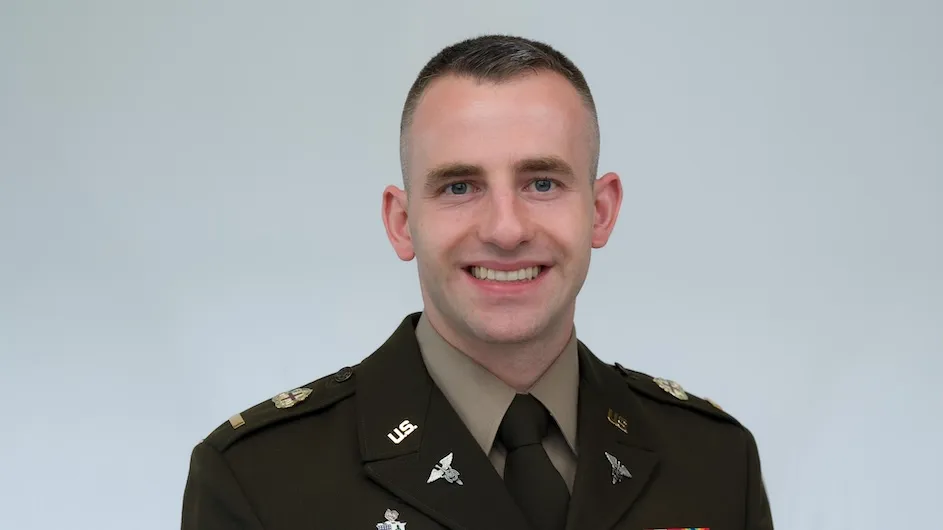
Ryan Leone hopes to use his medical degree, which he’ll earn next spring, to treat both service members and veterans.
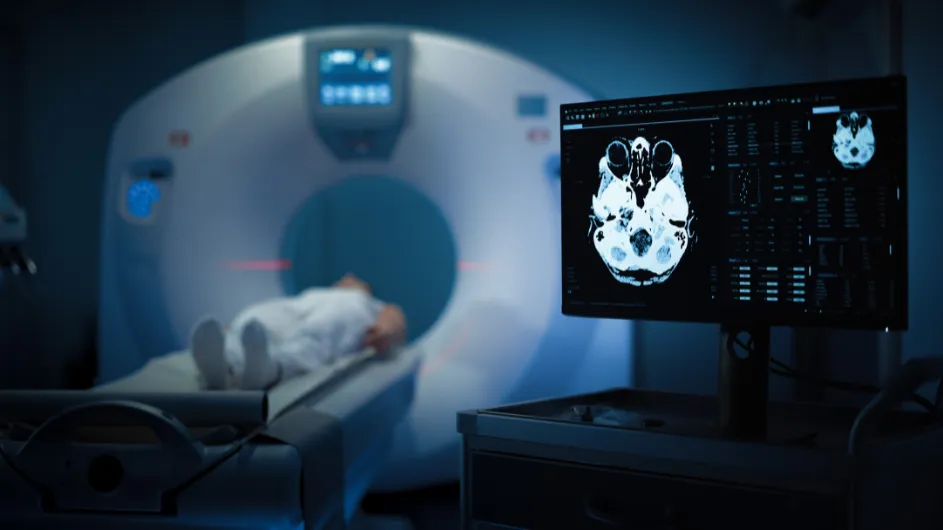
Columbia physicist Isidor Isaac Rabi discovered nuclear magnetic resonance in the 1930s. Today, it lets doctors look inside patients.
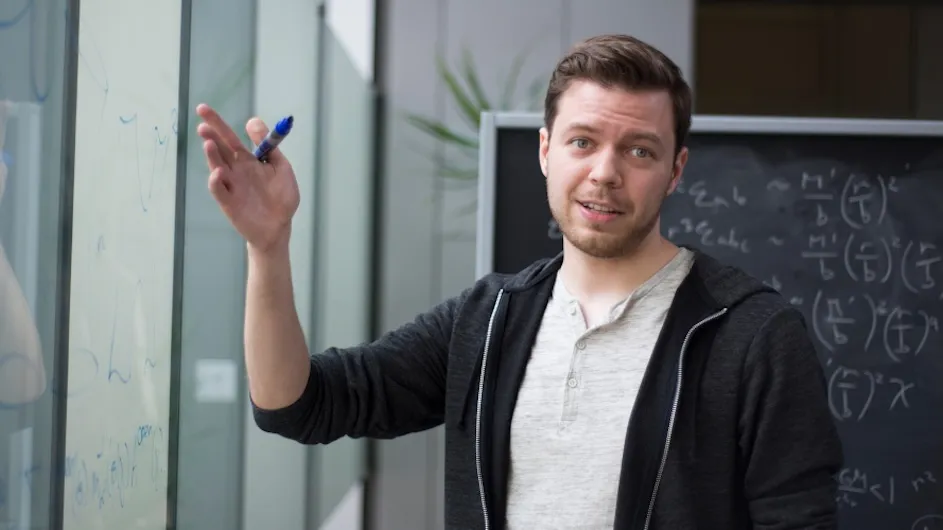
Sebastian Mizera just joined the physics department as an assistant professor, researching quantum field theory.
Columbia professors contributed to new research that seeks to understand an anomaly that has puzzled particle physics for decades.
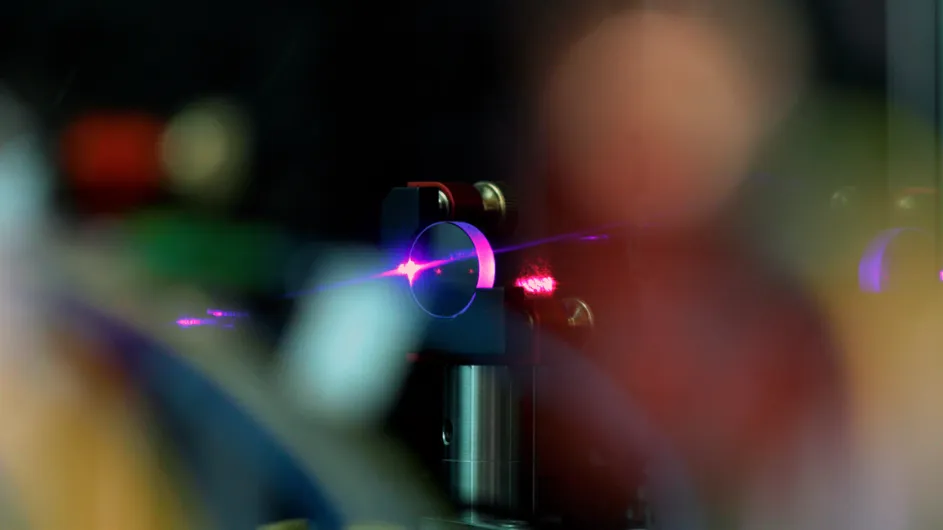
In 1951, Columbia’s Charles Townes came up with the idea for the device that led to the laser. It earned him a Nobel Prize.