


COLUMBIA SCIENCE IN THE NEWS
The New York Times
September 6, 2026
Science
August 28, 2026
The New York Times
August 20, 2026
RECENT STORIES

A study found that we have overestimated how much nitrogen enters natural ecosystems from the air. It has climate implications.
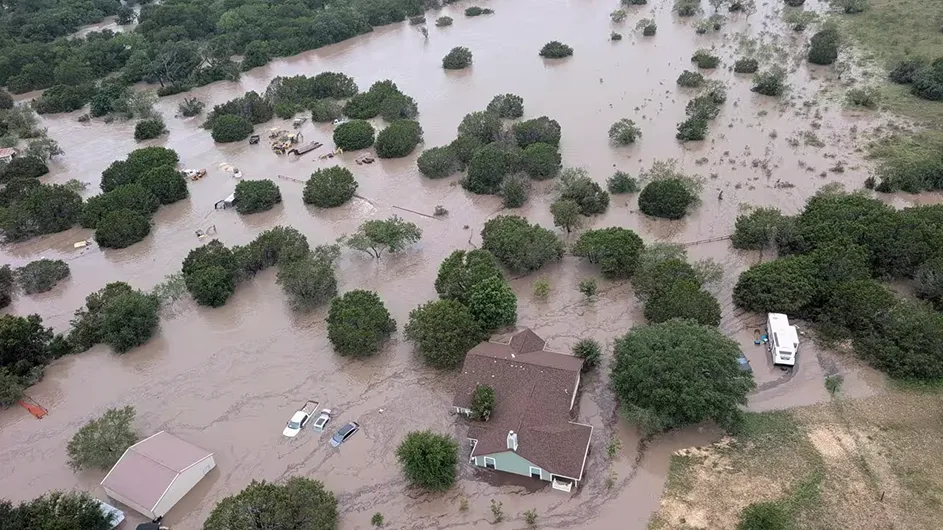
Andrew Kruczkiewicz, a meteorologist and senior staff researcher at the Columbia Climate School’s National Center for Disaster Preparedness, breaks it down.
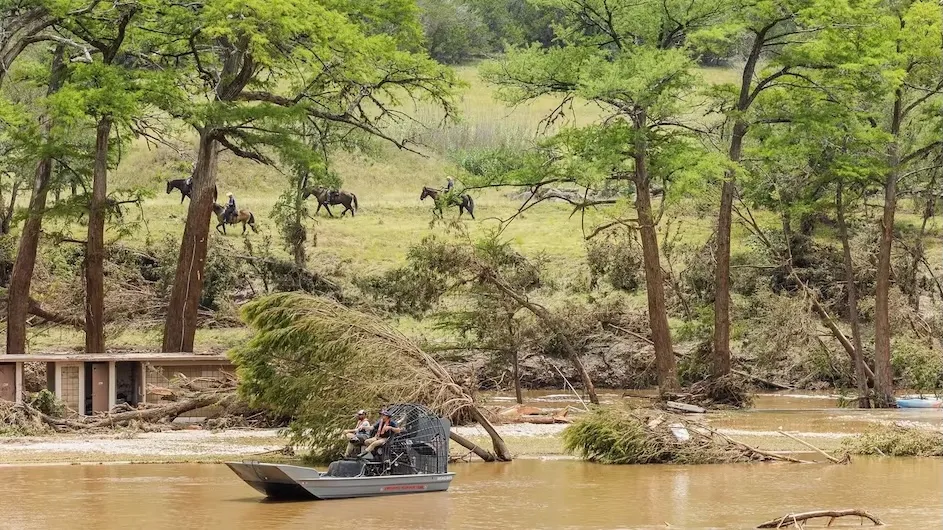
A new study could provide insight into natural hazards and help guide infrastructure and revitalization projects.

These funds will help our scientists and researchers mitigate the challenges posed by disruptions in federal funding.
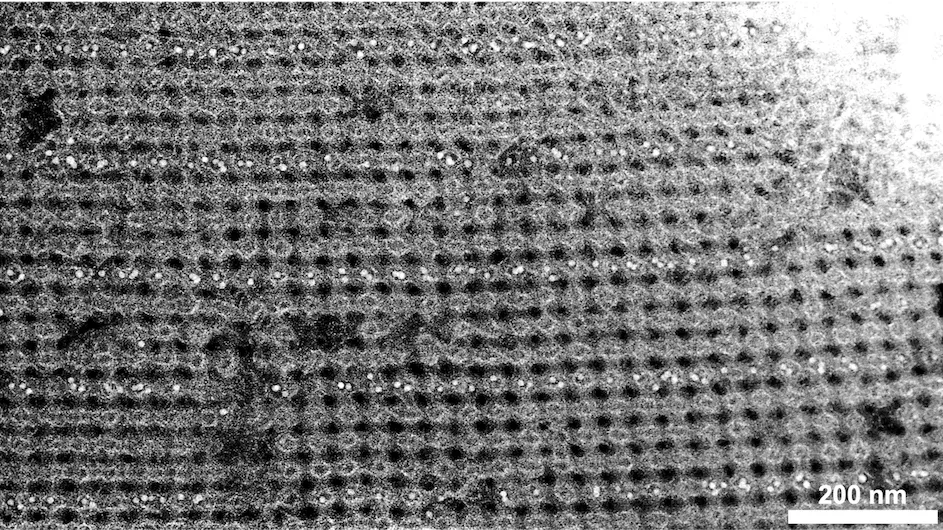
A new approach breaks down complicated designs into modular building blocks for easy assembly from the bottom up.
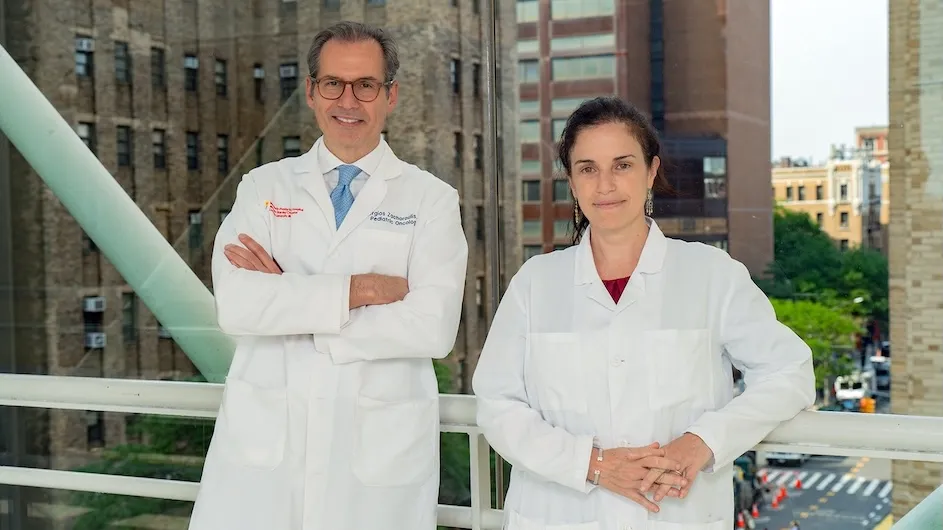
An engineer and a physician are working together on a new approach using focused ultrasound to treat dozens of brain diseases.
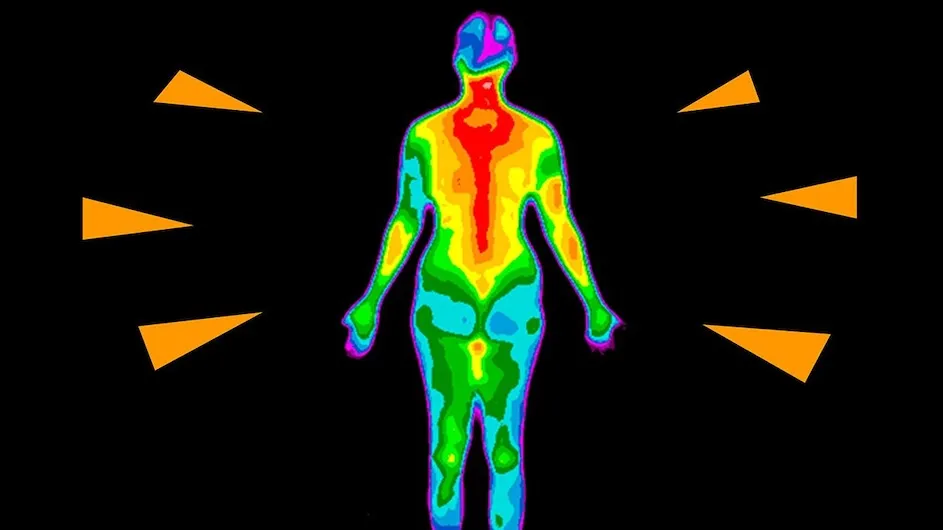
The environment plays a key role in health outcomes, particularly in industrialized societies.

New AI-based screening tools could help people who are falling through the cracks.
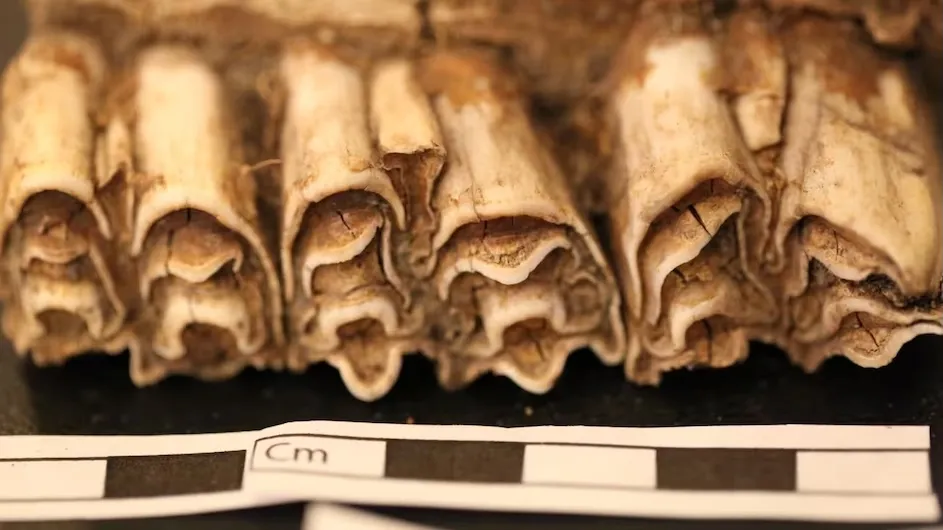
New research suggests that resilience to climate change is driven by ecological fit, flexibility, and local knowledge.
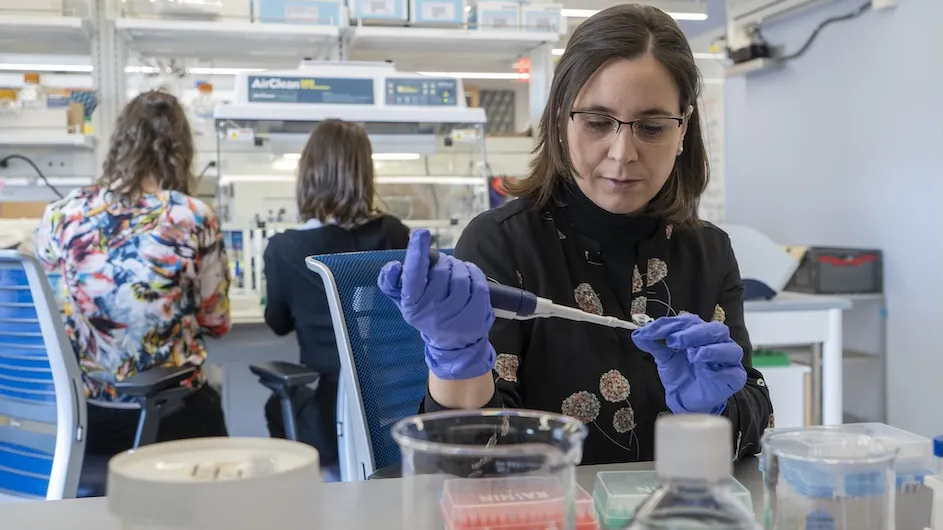
Maria Antonietta Tosches is investigating newts, whose adaptability can teach us about our own brains.

A new study indicates that interventions that focus on addictive screen use may hold promise as a prevention approach.

Until now, the role of metal exposure in heart failure risk has remained understudied.