


COLUMBIA SCIENCE IN THE NEWS
The New York Times
September 6, 2026
Science
August 28, 2026
The New York Times
August 20, 2026
RECENT STORIES
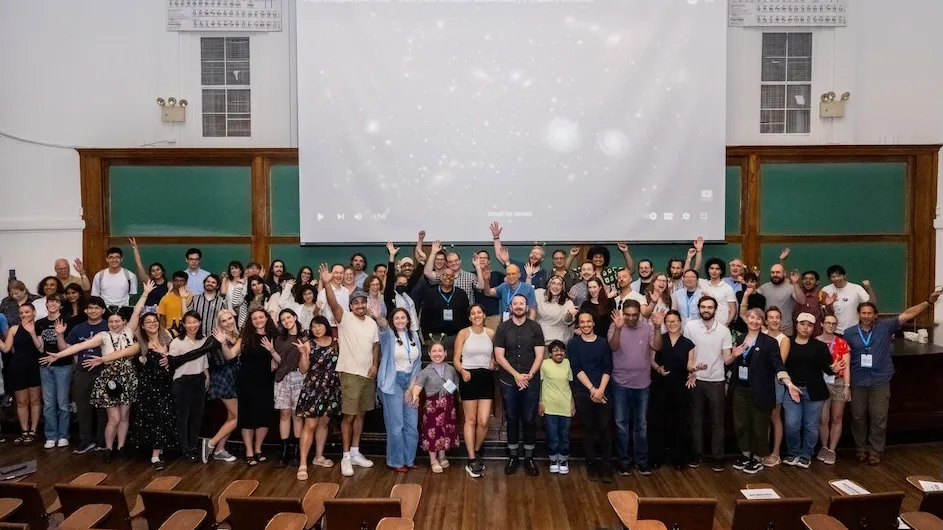
Columbia researchers, some sporting martian headbands, gathered to celebrate the launch of the new Vera Rubin Observatory.
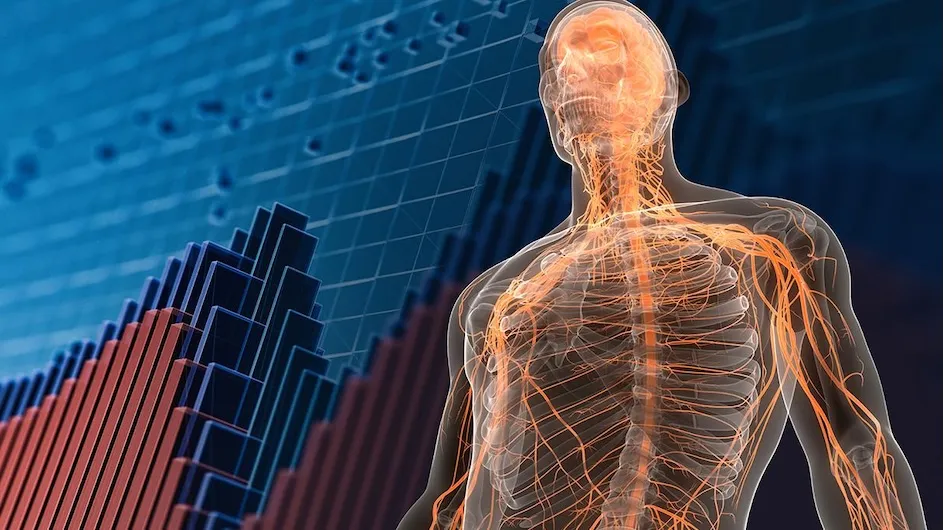
The authors of a new study aim to shift focus from late-stage disease treatment to health optimization.
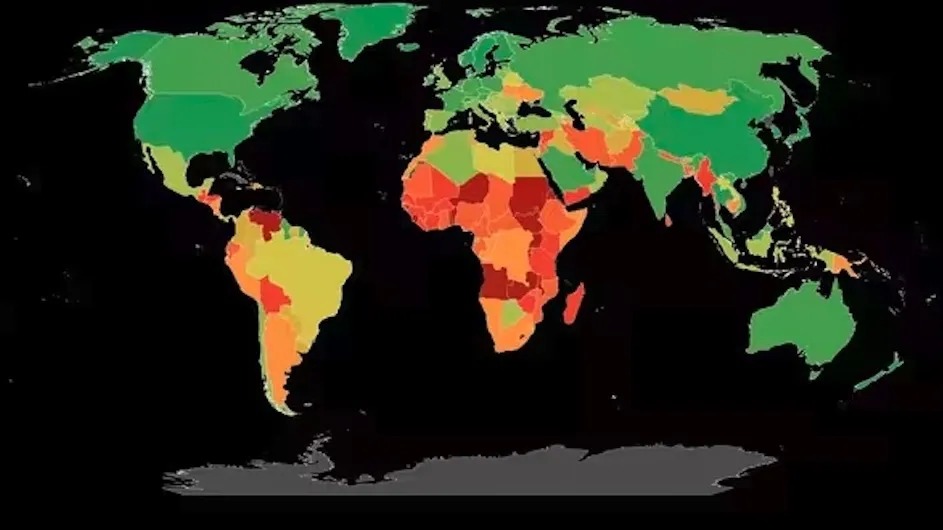
The index provides a novel and more realistic picture of risk, including access to financing to address climate vulnerabilities
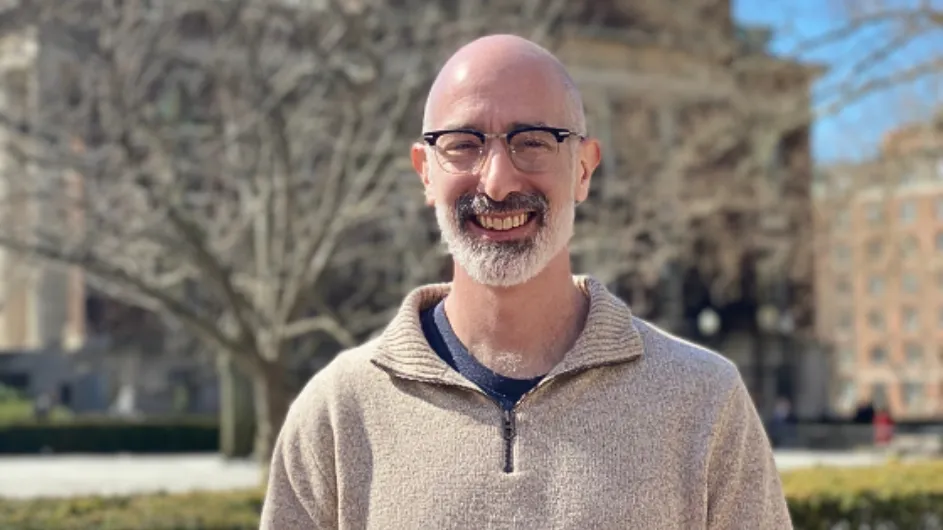
Theoretical chemist David Reichman, recently elected to the National Academy of Sciences, is making sense of experimental findings.
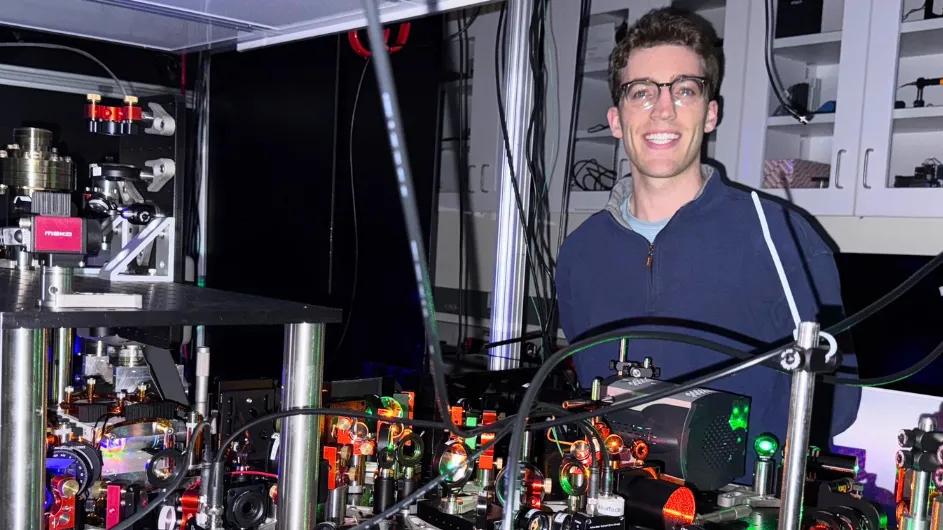
Graduate student Aaron Holman talks about trapping single atoms and putting them to work in emerging quantum technologies

The effectiveness of policies aimed at restricting youth social media use remains far from fully understood.
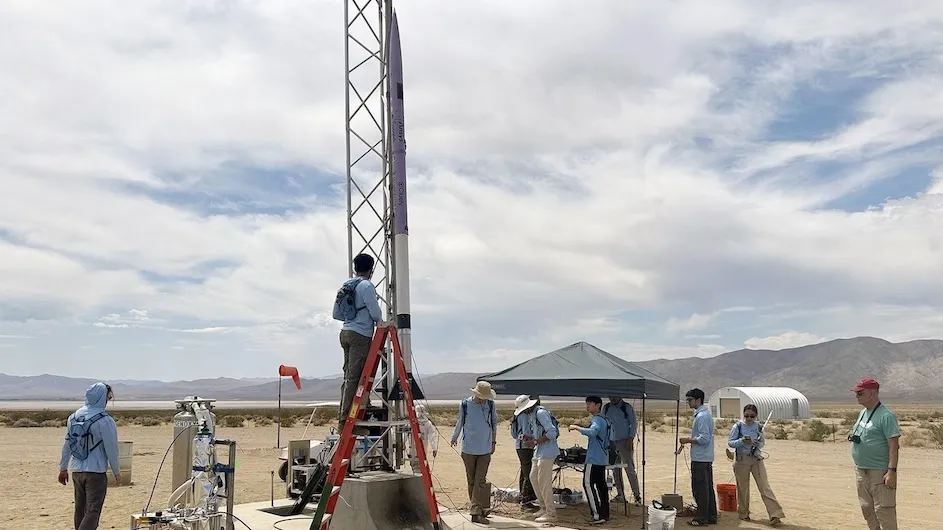
Columbia’s student rocketry team launched a hybrid rocket powered by liquid oxygen, a first for a student-led group.

A Climate School marine geophysicist shares her perspectives on marine research, and what brings her hope for the field.
Columbia researchers are using AI to spot early signs of schizophrenia in Medicaid data—pushing psychiatry toward faster, more accurate, and more equitable diagnosis.
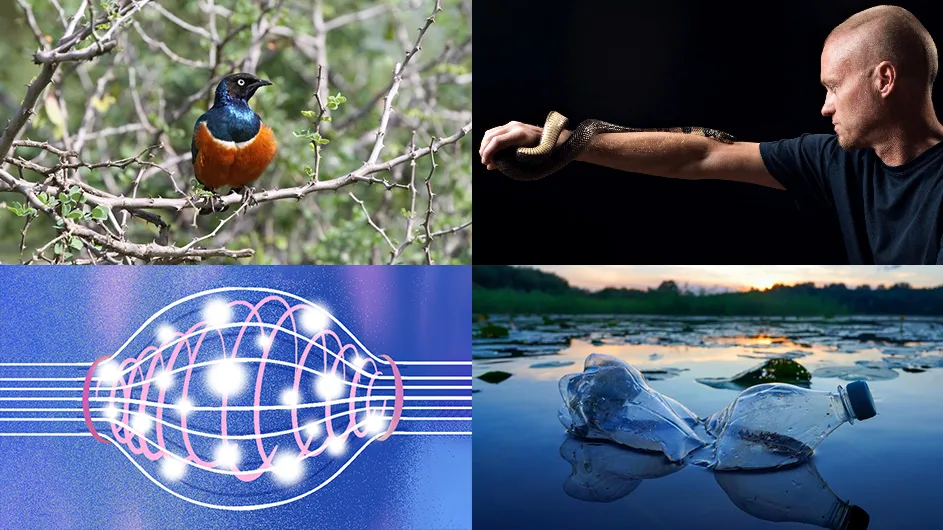
11 Columbia-led research breakthroughs you should know in 2025.

The method provides a powerful tool for predicting risks associated with aging, like chronic illness, disability, and mortality.
The system addresses a problem that has slowed the development of gene therapies.