


COLUMBIA SCIENCE IN THE NEWS
The New York Times
September 6, 2026
Science
August 28, 2026
The New York Times
August 20, 2026
RECENT STORIES

A new tool uses machine learning to analyze nursing data, allowing healthcare providers to deliver life-saving care faster.
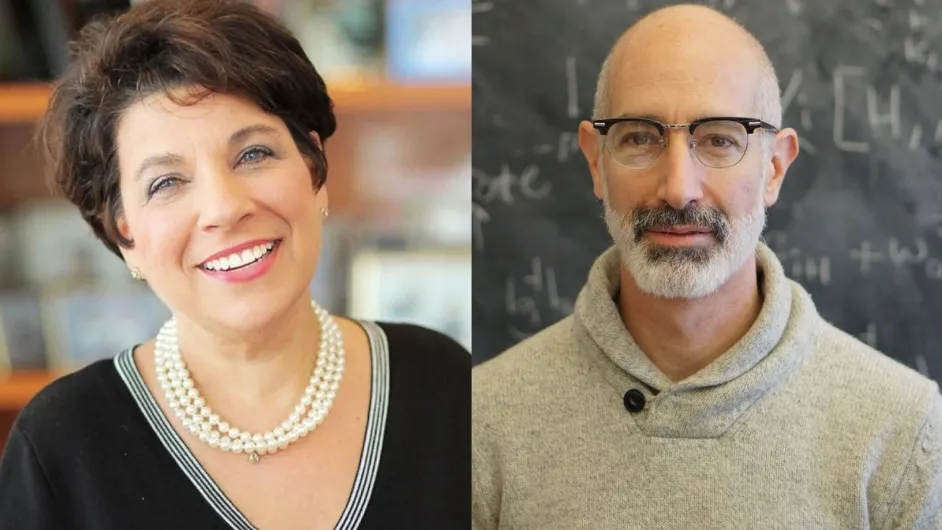
Membership in the academy is considered one of science's highest honors.
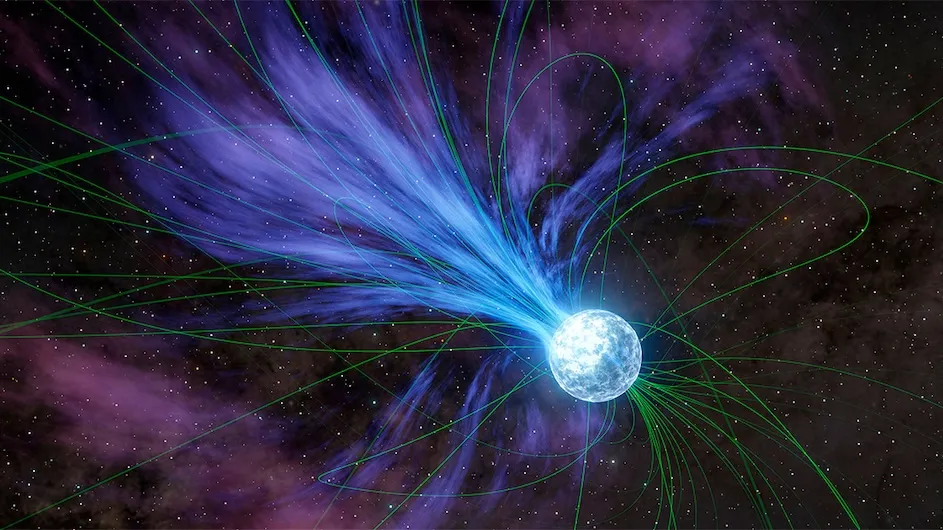
New research shows that a 2004 gamma-ray burst produced huge amounts of heavy elements, exceeding the mass of the planet Mars.
The study highlights risk factors in people as young as 24, underscoring the importance of early prevention.
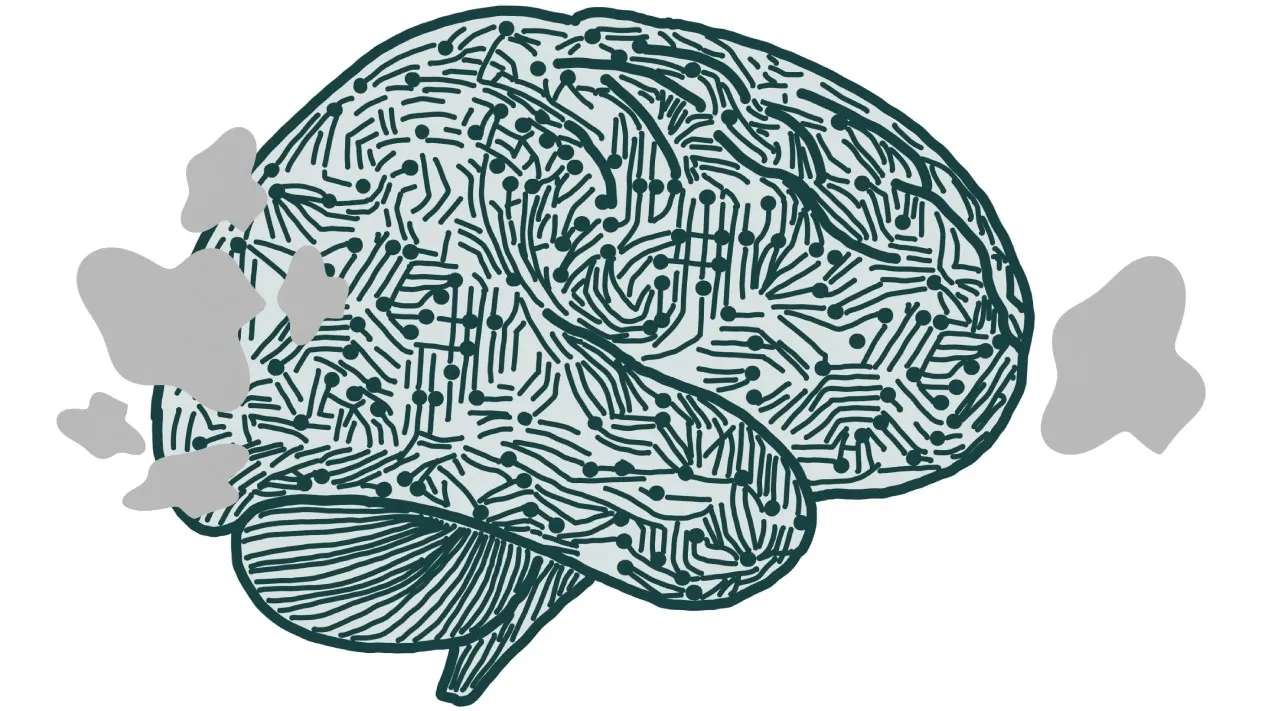
A new study shows that the brain’s visual regions play an active role in making sense of what we look at.

Columbia climate scientists led a project to provide officials, organizations, and families with tools to plan for the worst.

Mehtaab Sawhney, who joined Columbia last year, enjoys the thorny work of proving a seemingly straightforward statement of fact.
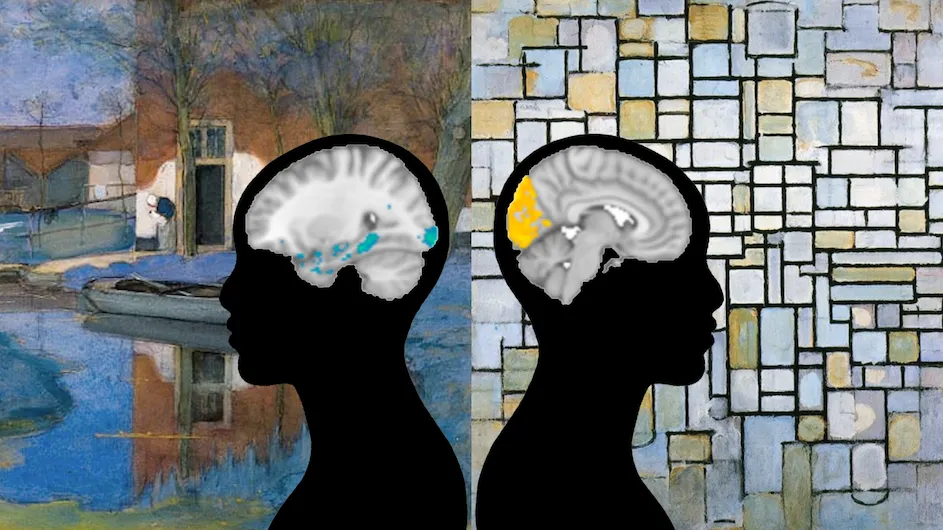
New Columbia research found that people’s brain activity varies more when viewing abstract art than representational art.
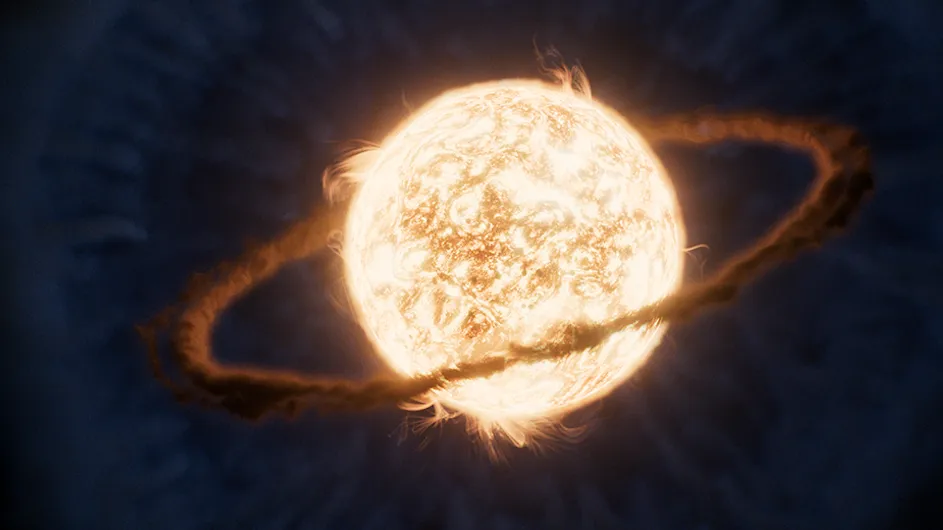
New observations upended scientists' standing hypothesis about how a star would engulf a planet, causing its demise.
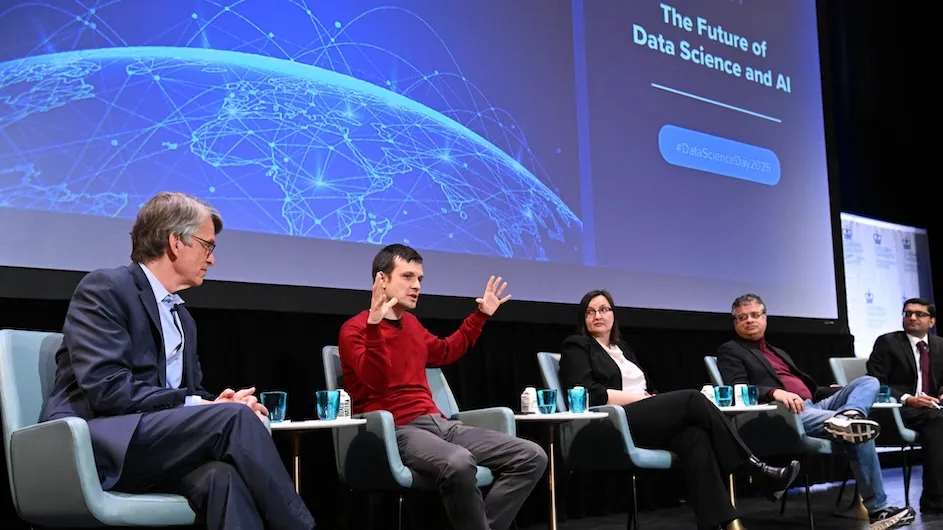
The event explored how data ascience is being used in health care, infrastructure, energy, media, and beyond.

The unique construction that makes plastic so useful also makes it prone to forming hazardous micro- and nanoscopic shards.

The center aims to accelerate the development of fusion energy technology to provide a sustainable, scalable new energy source.