


COLUMBIA SCIENCE IN THE NEWS
The New York Times
September 6, 2026
Science
August 28, 2026
The New York Times
August 20, 2026
RECENT STORIES
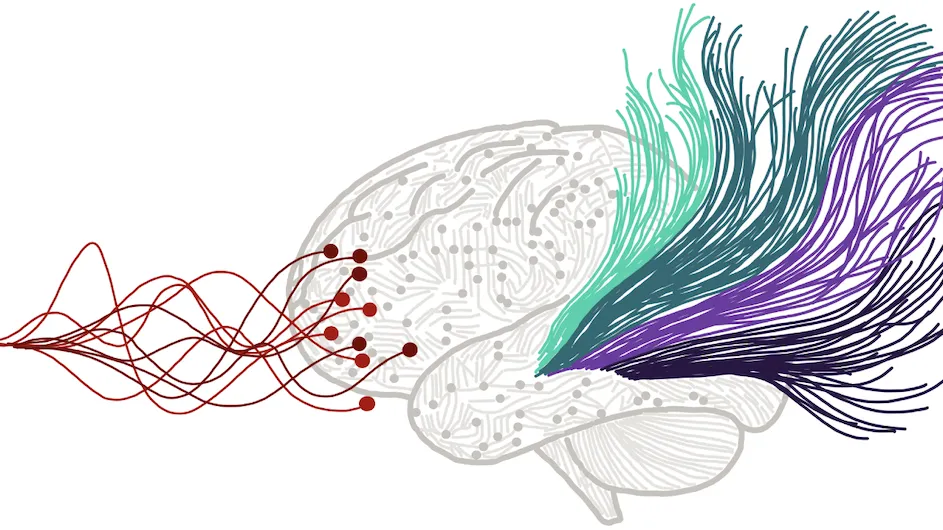
New findings deepen our understanding of the brain, and may provide a blueprint for building smarter, more resilient technology.
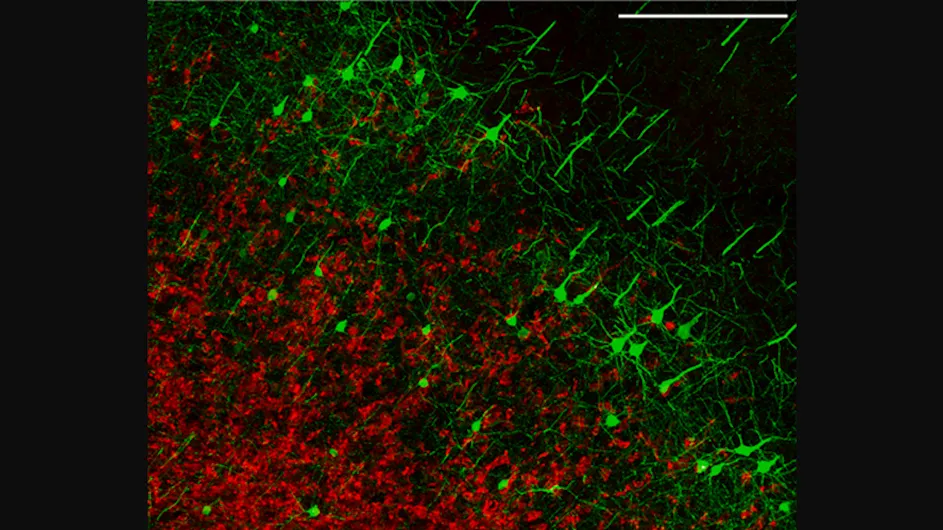
New research highlights how gliomas infiltrate the brain, and demonstrates a promising approach to reversing their effects.
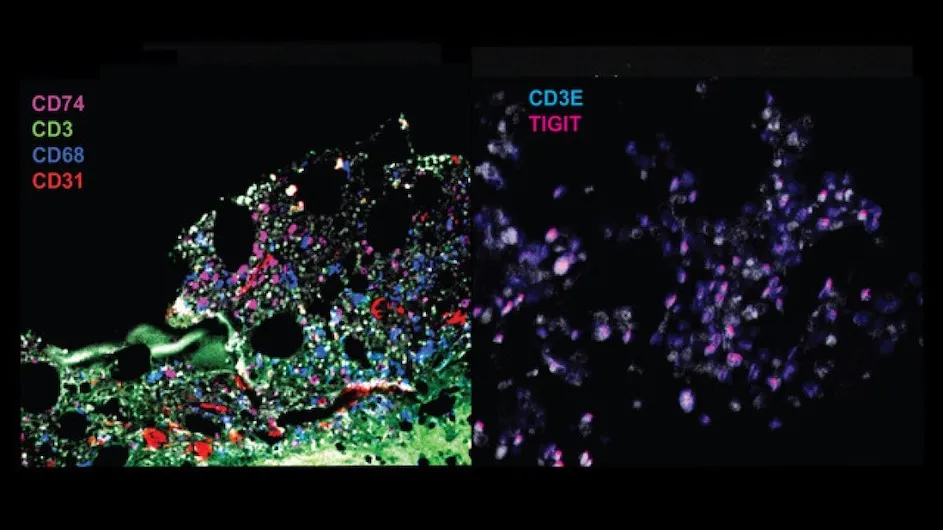
An interdisciplinary Columbia team made the discovery, a leap forward in the field of cancer immunotherapy.
From the operating room to the art studio, today’s advances come from engineers who cross disciplines and challenge conventions.
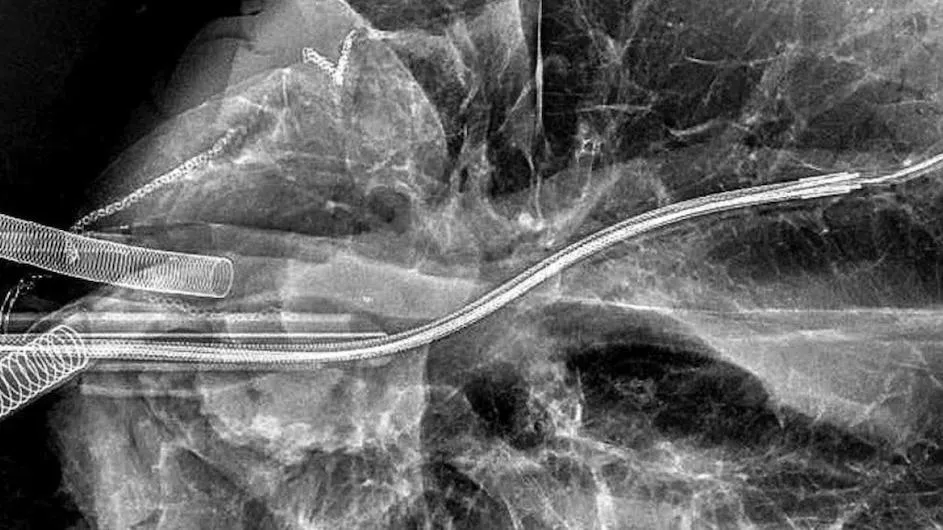
Columbia biomedical engineer Gordana Vunjak-Novakovic is bringing new treatments to patients with lung diseases.
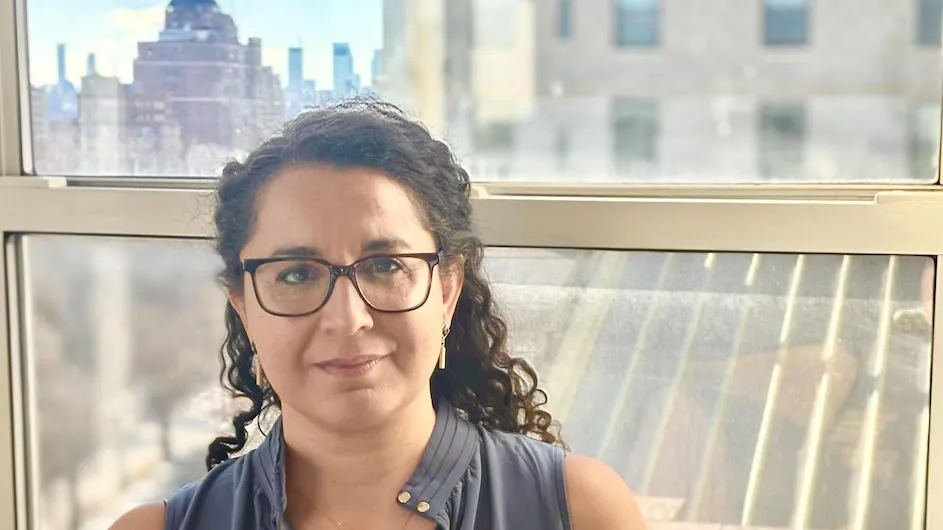
Psychology professor Dima Amso studies early childhood, and supports NGOs by girding them with state-of-the-art research.

The study has implications for understanding the effects of environmental contamination on populations over time.
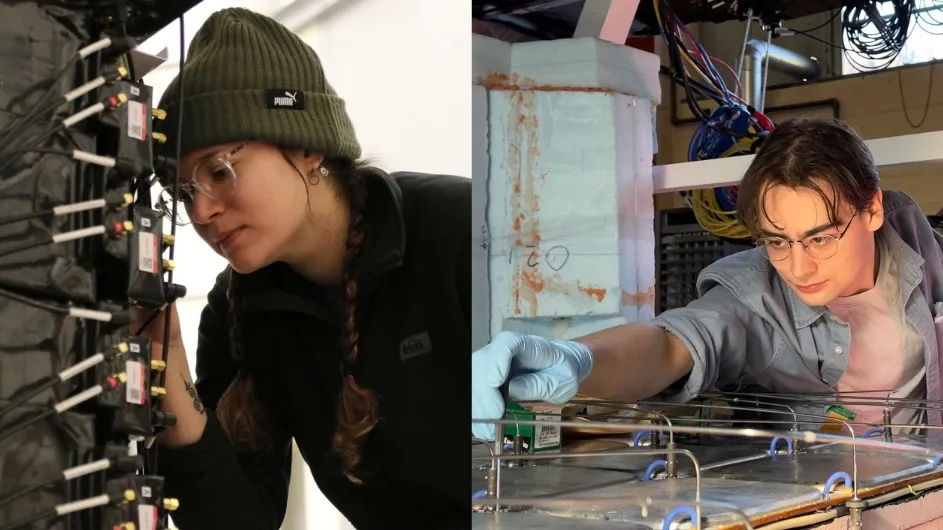
Doctoral candidate Gabriel Bridges and postdoc Kaliroë Pappas filled Columbia News in on their work hunting for dark matter.

Researchers have developed a more efficient method of creating photon pairs. It could transform computing and telecommunications.
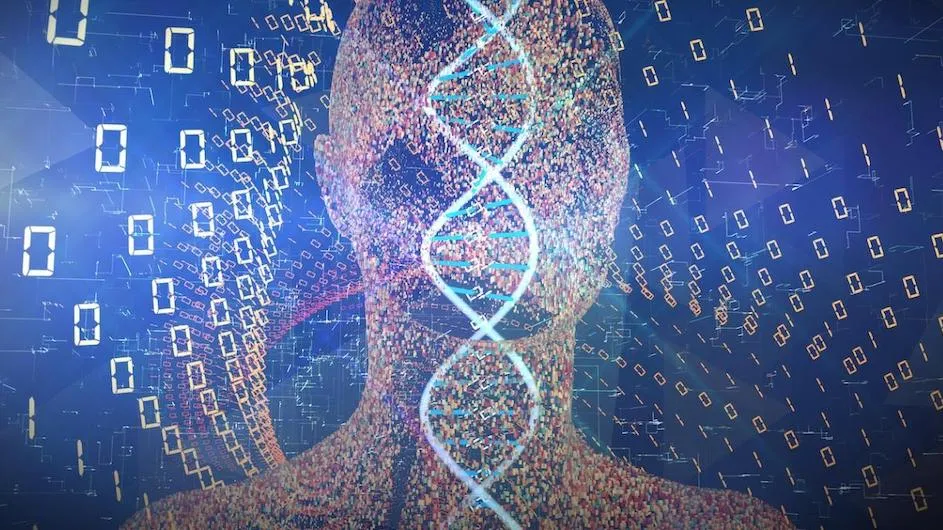
The method allows scientists to predict the activity of genes within cells, and could transform our understanding of disease.

Kevin Sakal Ith discusses what brought him to Columbia after years in the Bay Area and a stint in Azerbaijan.

Jeffrey Schlegelmilch, director of Columbia's National Center for Disaster Preparedness, discusses the path forward.