




COLUMBIA SCIENCE IN THE NEWS
The New York Times
September 6, 2026
Science
August 28, 2026
The New York Times
August 20, 2026
RECENT STORIES

Psychotherapy has risen among younger adults, women, college-educated individuals, and those with higher family incomes.

What stories grabbed the attention of our readers in 2024? The results may surprise you.
![This artist's illustration depicts a reconstruction of what the Firefly Sparkle galaxy looked like about 600 million years after the big bang if it wasn’t stretched and distorted by a natural effect known as gravitational lensing. This concept is based on images and data from NASA’s James Webb Space Telescope. (NASA, ESA, CSA, Ralf Crawford [STScI]).](/sites/news.columbia.edu/files/styles/cu_crop/public/content/firefly-sparkle.png.webp?itok=1m8z66F6 "This artist's illustration depicts a reconstruction of what the Firefly Sparkle galaxy looked like about 600 million years after the big bang if it wasn’t stretched and distorted by a natural effect known as gravitational lensing. This concept is based on images and data from NASA’s James Webb Space Telescope. (NASA, ESA, CSA, Ralf Crawford [STScI]).")
Iyer, a NASA Hubble fellow at Columbia, has also developed an AI-powered search tool for astronomers.

New research suggests that these ultra-high energy rays derive their energy from magnetic turbulence.
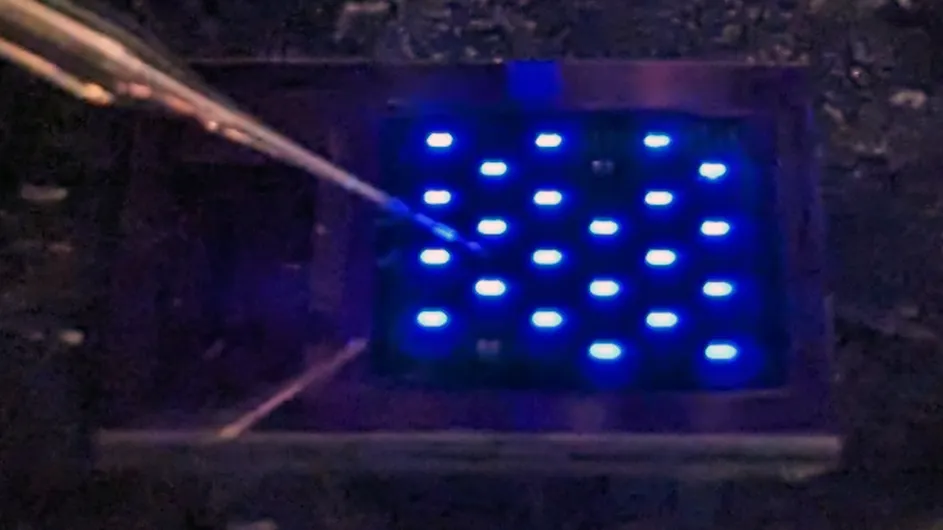
Engineering school and medical center researchers will build a wireless bioelectronic device to treat obesity and diabetes.
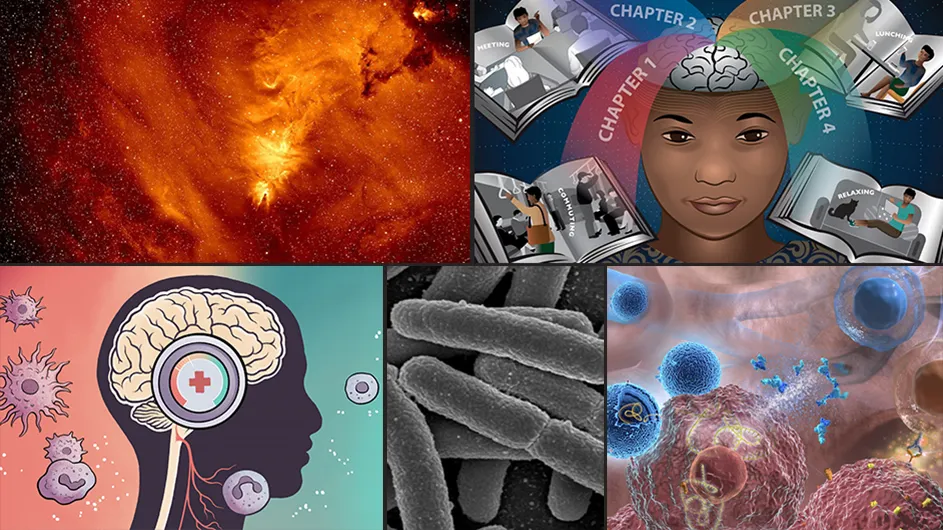
Columbia researchers made major breakthroughs in cancer research, neuroscience, earth science, and other fields this year.
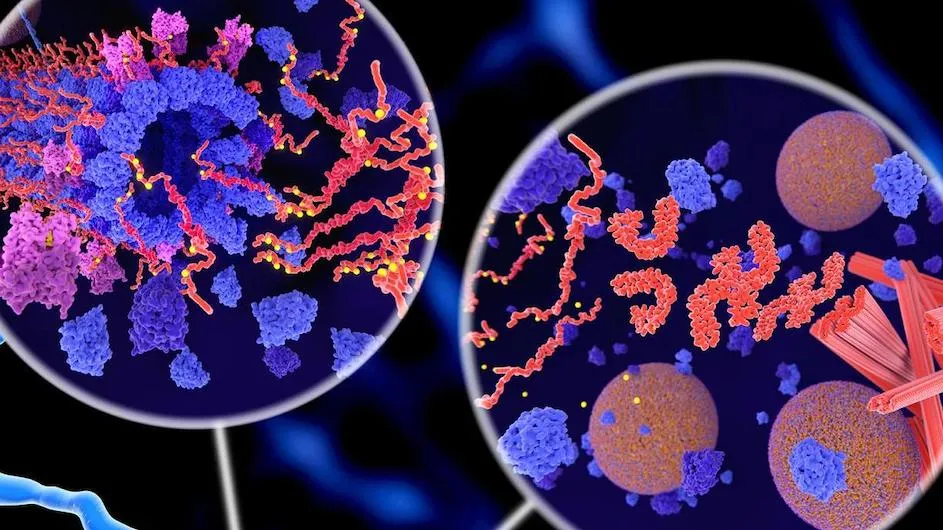
New findings from Columbia Public Health could lead to advancements in early Alzheimer's detection and treatment strategies.

In the not-so-distant future, many cities will be powered by AI that continuously analyzes data to improve urban living.

Astronomer Jane Huang is interested in the behavior of protoplanetary disks made of gas, dust, and ice.

Columbia computer scientists have developed a robot learning system that gives the machines a new level of dexterity.
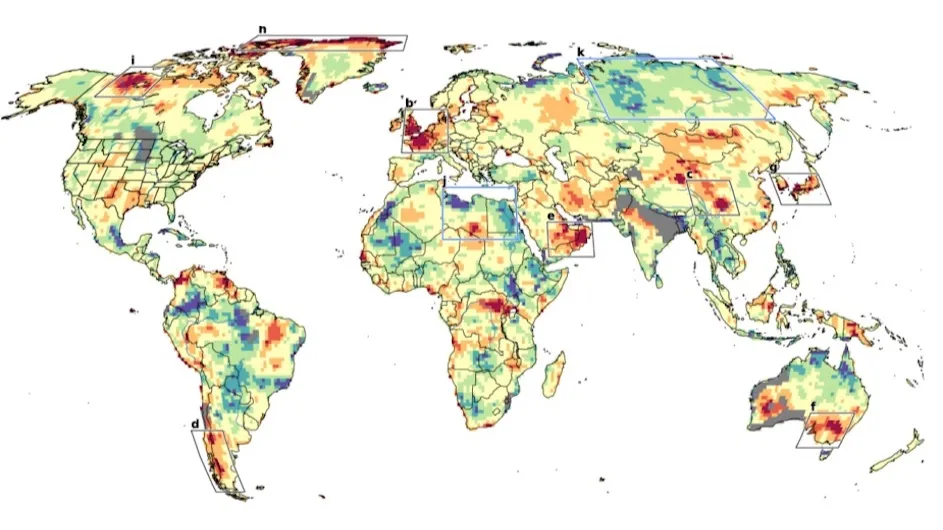
Certain regions are seeing repeated heat waves that fall far beyond what any model of global warming can predict or explain.

Columbia researchers are using traditional knitting techniques to fabricate flexible, lightweight, textile antennas.