


COLUMBIA SCIENCE IN THE NEWS
The New York Times
September 6, 2026
Science
August 28, 2026
The New York Times
August 20, 2026
RECENT STORIES
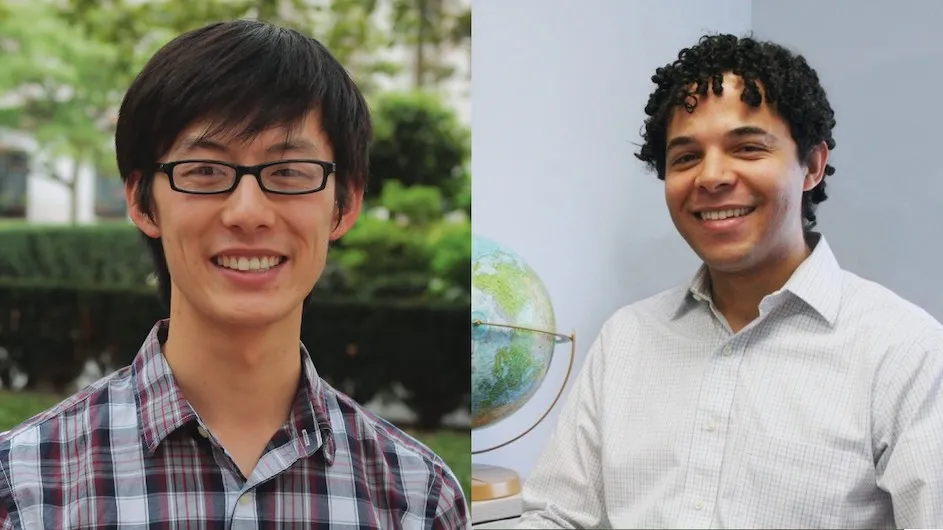
Two computer scientists at Columbia Engineering share their thoughts on how to ensure that emerging technologies benefit humanity.
Psychology Professor Kevin Ochsner’s work touches on hot-button issues like politics and the #MeToo movement.

A new study led by Columbia researchers is upending a long-held hypothesis about what ushered in the Jurassic period.
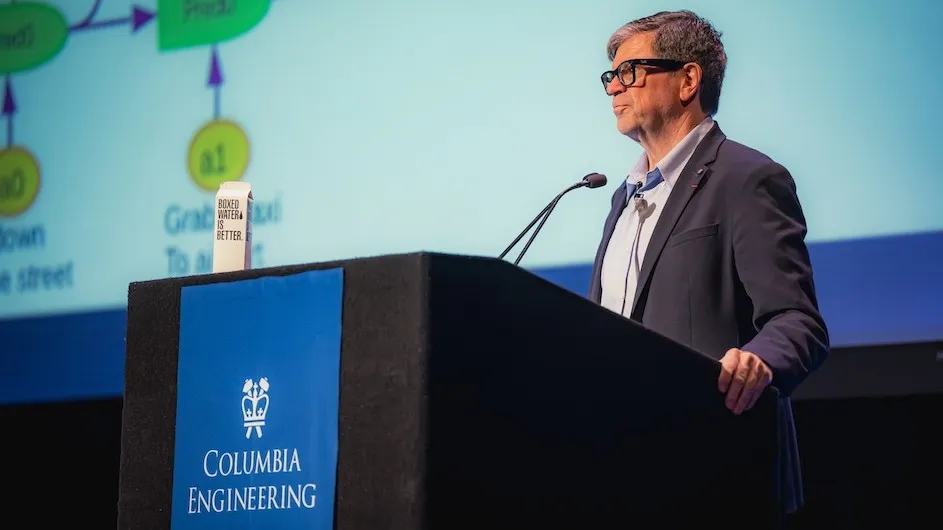
At an event attended by more than 1,000, LeCun explained his vision for the future of this revolutionary technology.
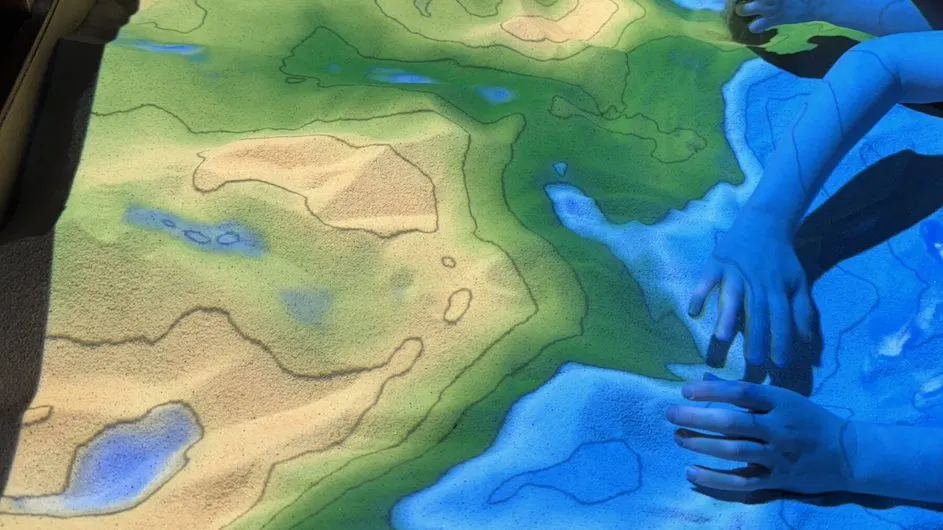
More than 2,000 visitors attended this year's installment of the annual earth science-focused event.

Braddock Linsley, a professor at the Climate School's Lamont-Doherty Earth Observatory, has been investigating coral for decades.
Katie Figueroa Beltran is researching marine life, and building her vinyl collection.
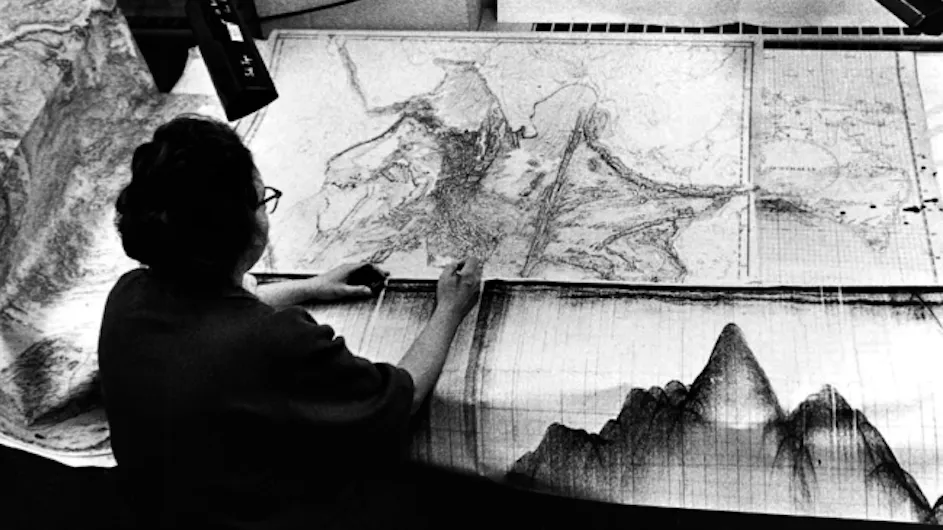
Founded in 1949, Lamont has consistently served as an international leader in scientific scholarship.

A new study suggests the need to re-evaluate how shaking from any future sizable quake may be distributed across the region.
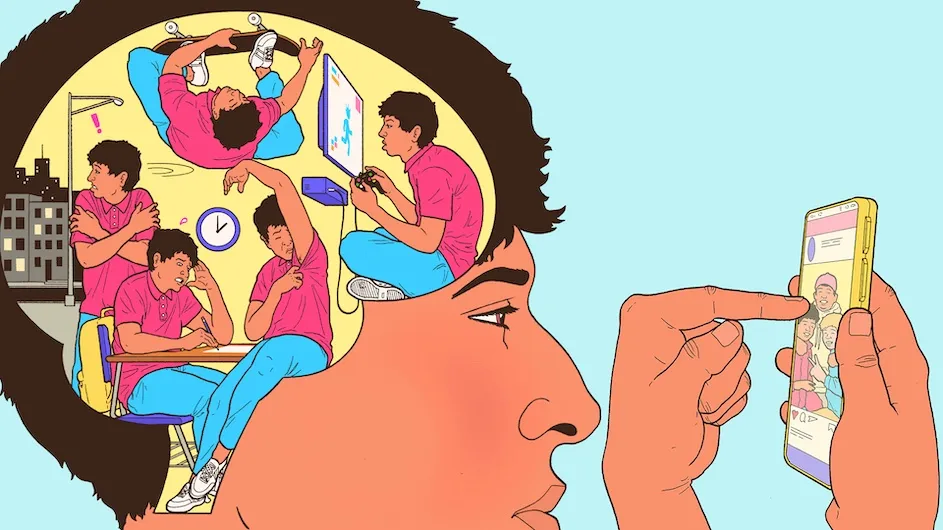
Scholars at Columbia peer into the plugged-in adolescent mind and assess the impacts of a digital upbringing.
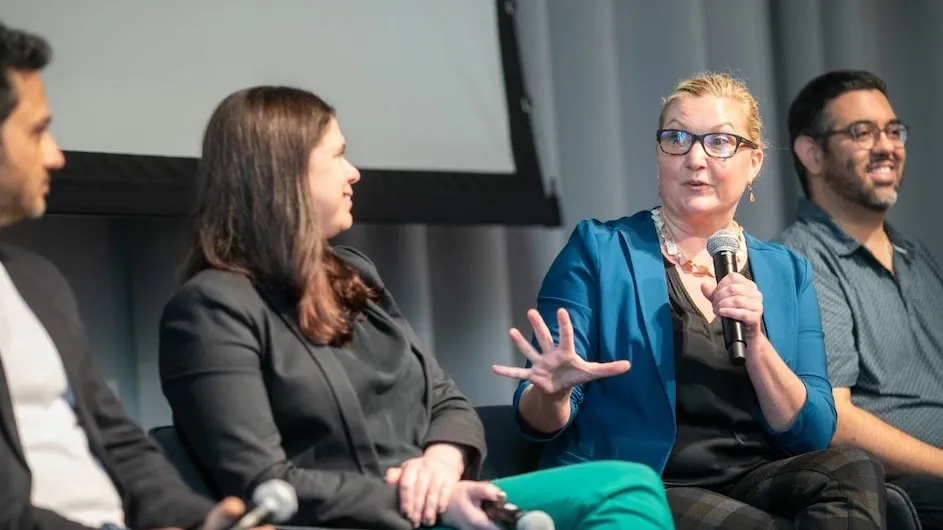
The Columbia-Dream Sports AI Innovation Center, which recent held its first symposium, is charting the future of AI and sports.
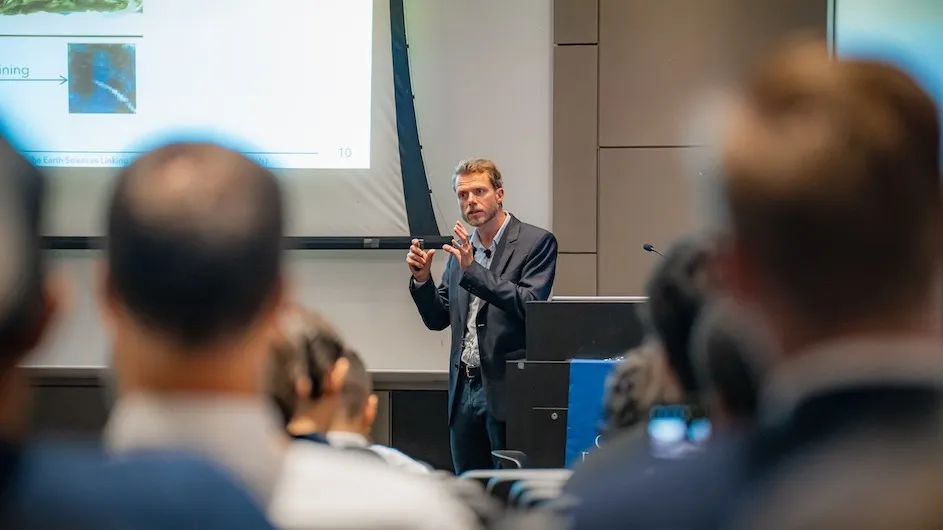
A talk by professor Pierre Gentine kicks off a new initiative from Columbia Engineering, the Lecture Series in AI.