


COLUMBIA SCIENCE IN THE NEWS
The New York Times
September 6, 2026
Science
August 28, 2026
The New York Times
August 20, 2026
RECENT STORIES
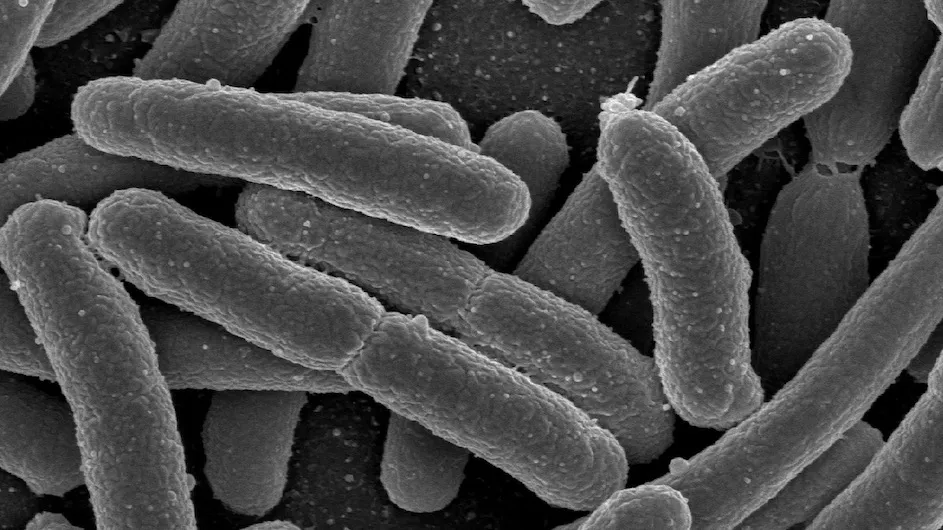
Columbia researchers have engineered bacteria to destroy cancer cells, opening the door for a new class of cancer vaccines.
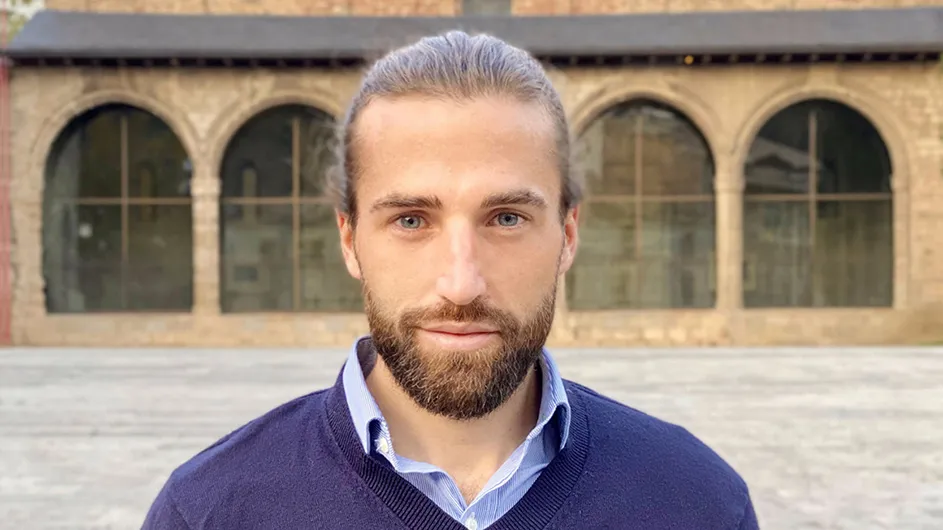
Gerard Torrats-Espinosa had an unlikely path to his current role researching crime and policing in U.S. cities.
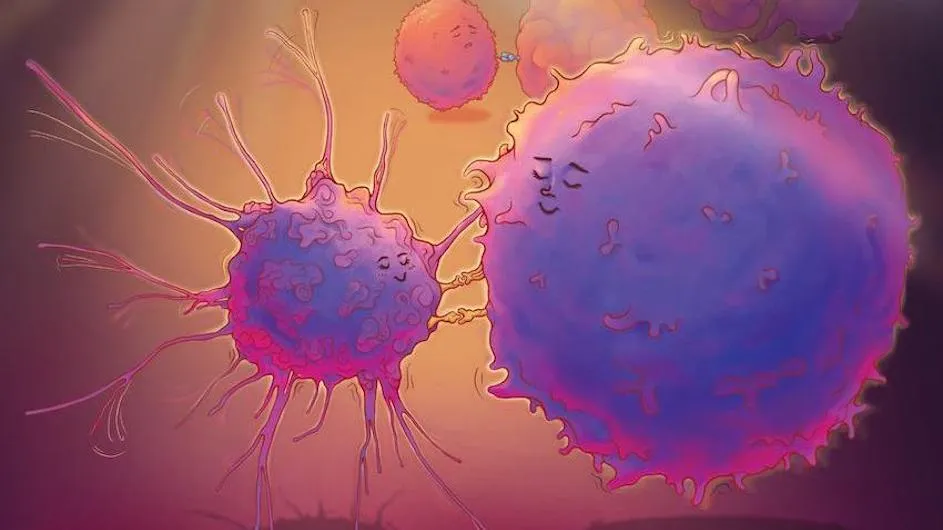
The interactions play a critical role in how our bodies respond to disease treatment.

A new study offers a comparatively affordable and accessible way of assessing dementia risk.
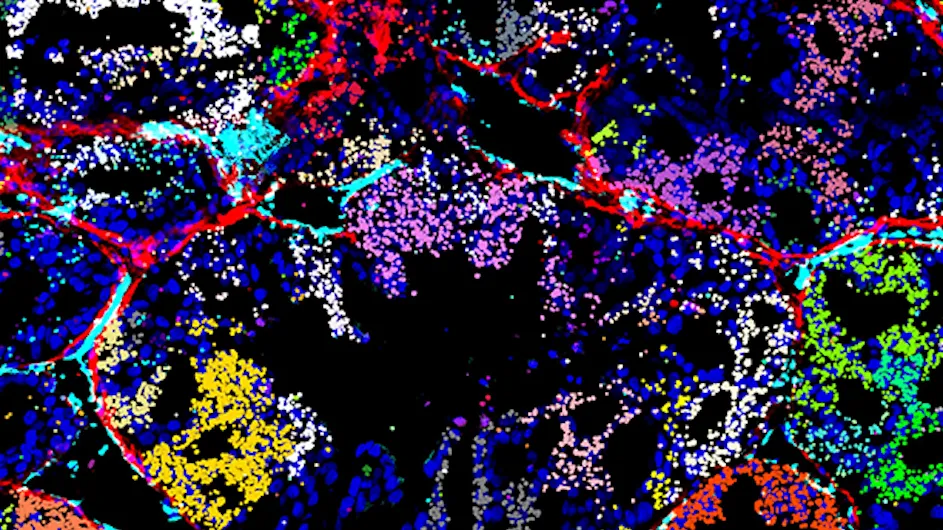
The approach empowered the Gaublomme lab to study the DNA damage response for hundreds of variants in breast cancer.
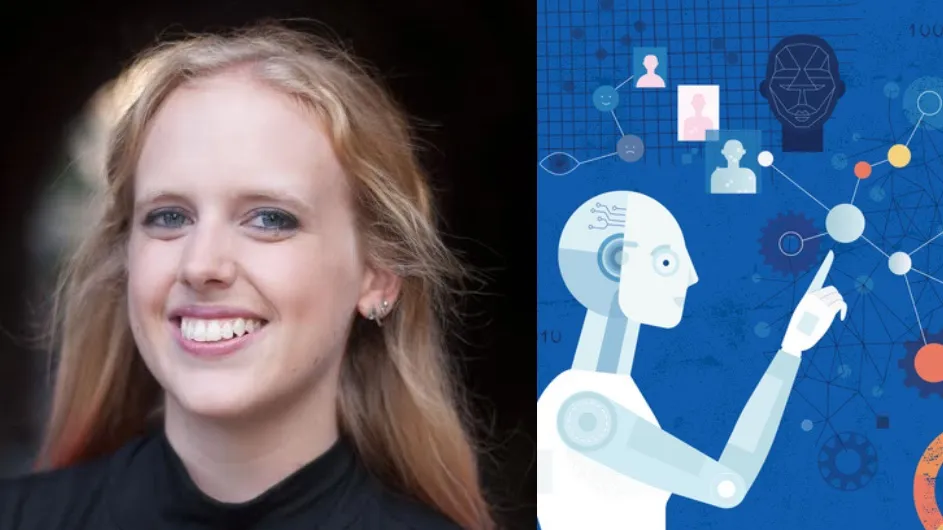
Savannah Thais has ideas for how to make AI systems more transparent and dependable.
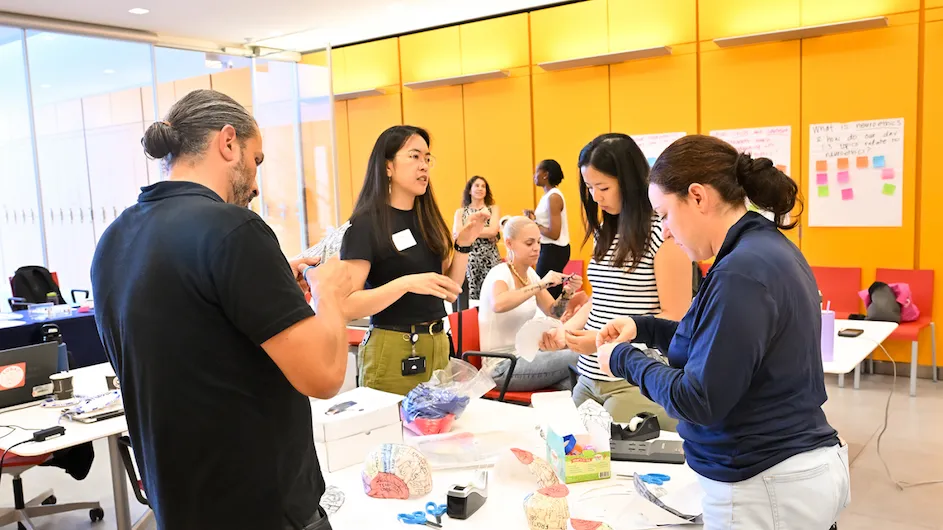
A Zuckerman Institute workshop aimed to equip middle school teachers with some of the tools of neuroscience.

A park restoration project led by Columbia faculty held a celebration to mark successes and demonstrate next steps.
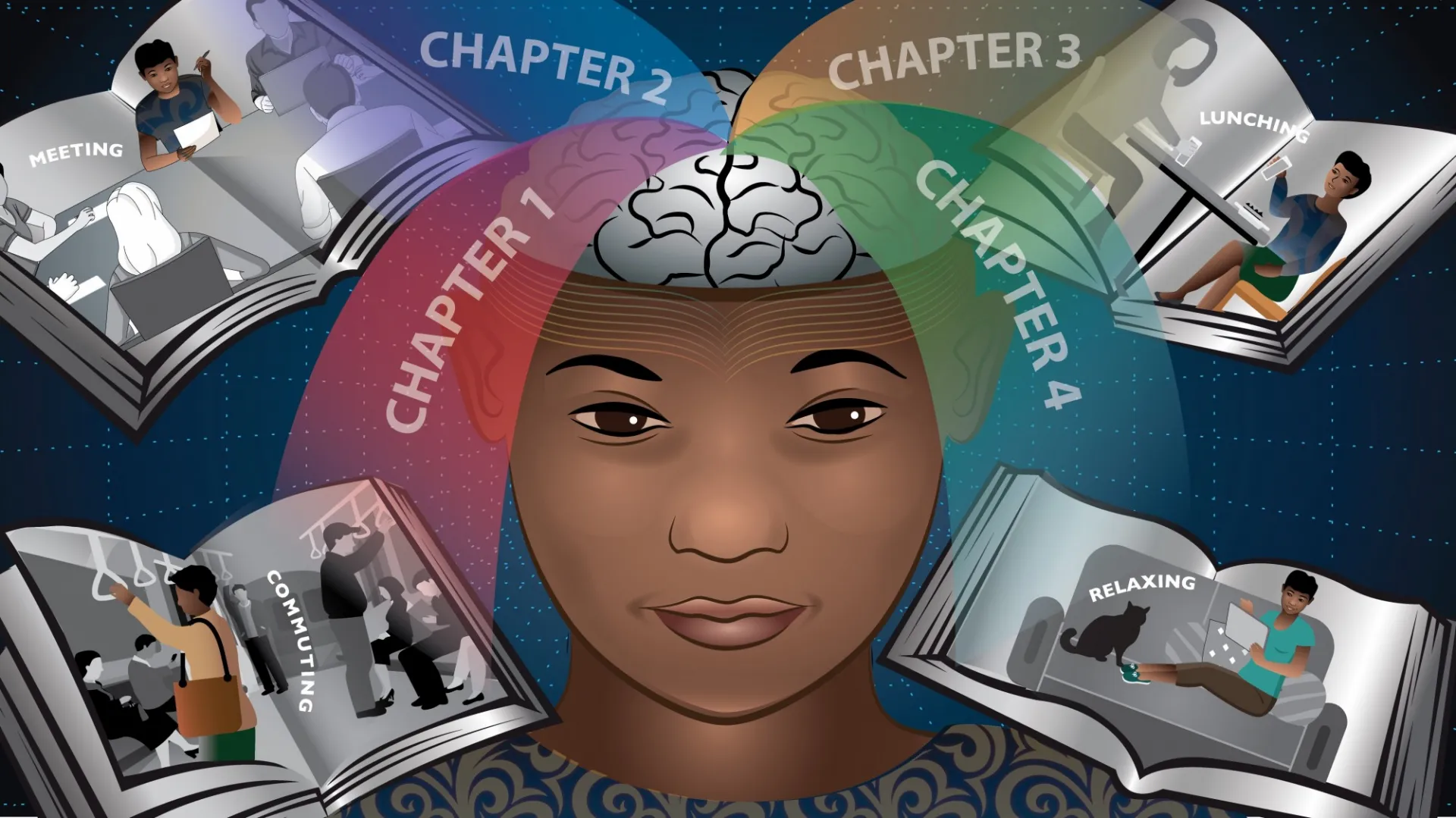
Mindset and expectations, not just the external environment, shape the “table of contents” into which our brains organize the day.
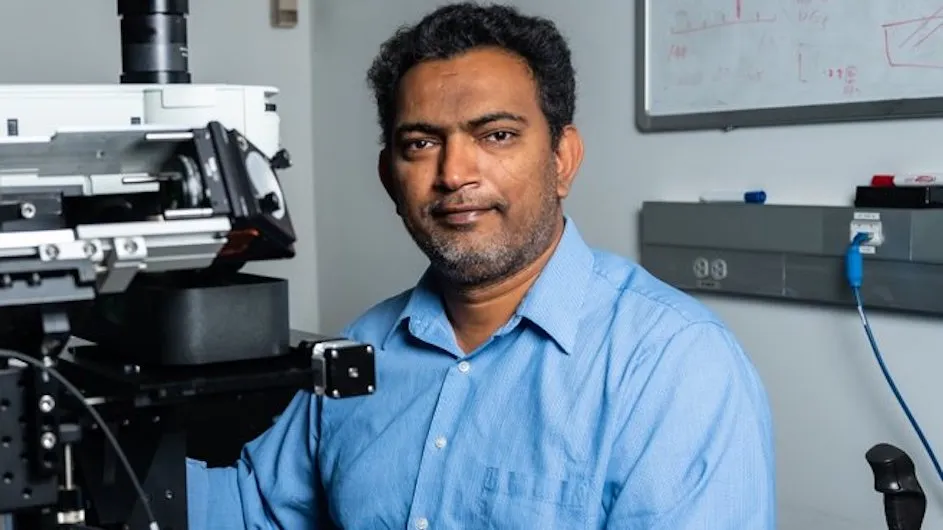
Raju Tomer’s lab explores the impact that neurological conditions and drugs like ketamine have on the brain.
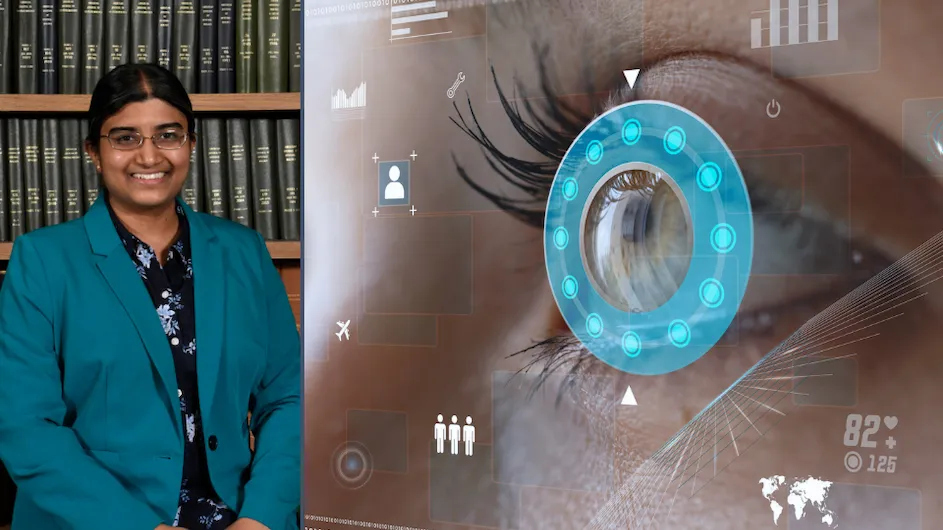
With seed funds from the Data Science Institute, Kaveri Thakoor is helping doctors and AI train each other.

This new University-wide initiative builds on Columbia's existing research into cell and gene therapies and aims to drive greater progress in fundamental and translational science.