

COLUMBIA SCIENCE IN THE NEWS
The New York Times
September 6, 2026
Science
August 28, 2026
The New York Times
August 20, 2026
RECENT STORIES

They have been chosen to deliver Institute of Mathematical Statistics Medallion Awards and Lectures.

Climate and Health: Action and Research for Transformational Change (CHART) is funded by the National Institutes of Health.
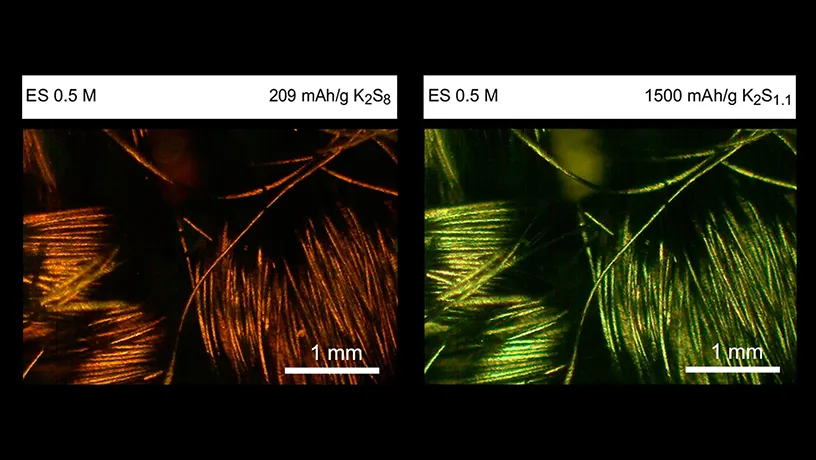
Columbia engineers have developed powerful new battery "fuel"—an electrolyte that lasts and is also cheap to produce.
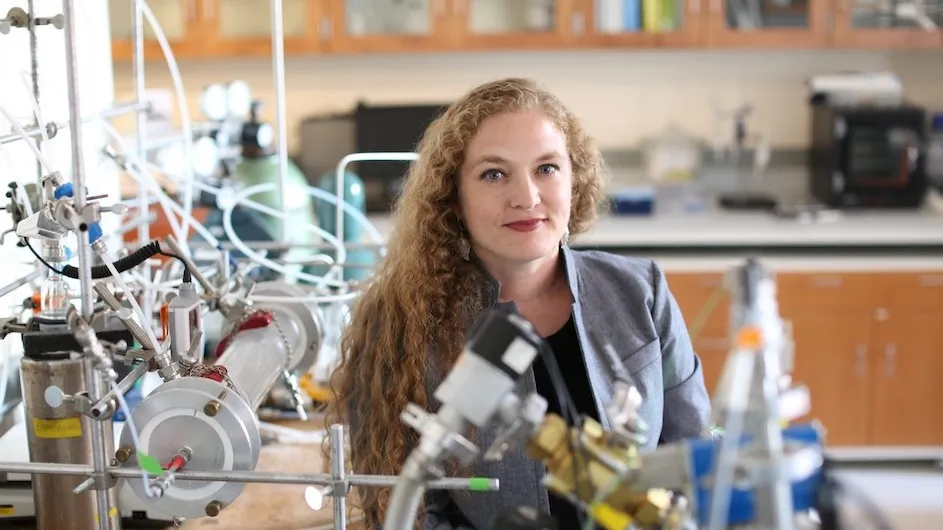
Atmospheric chemist V. Faye McNeill is pioneering change to address air quality in some of the world's fastest growing regions.
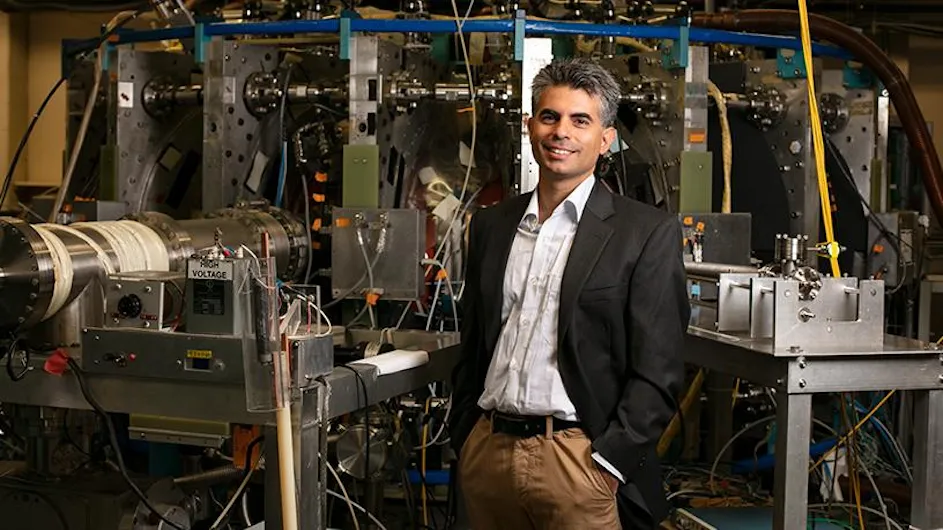
Collaborations between industry and academia can help accelerate research breakthroughs.

Gelman, a statistics and political science professor, has many irons in the fire, including The Economist's election tracker.
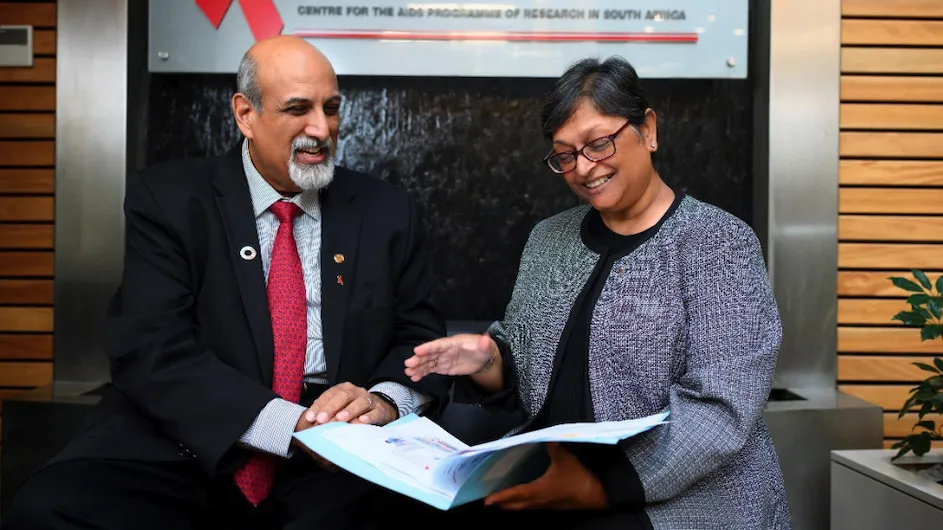
The award recognizes their global contributions to the fight against HIV/AIDS.

The two-year program will prepare young and mid-career professionals and future academics to be climate leaders.
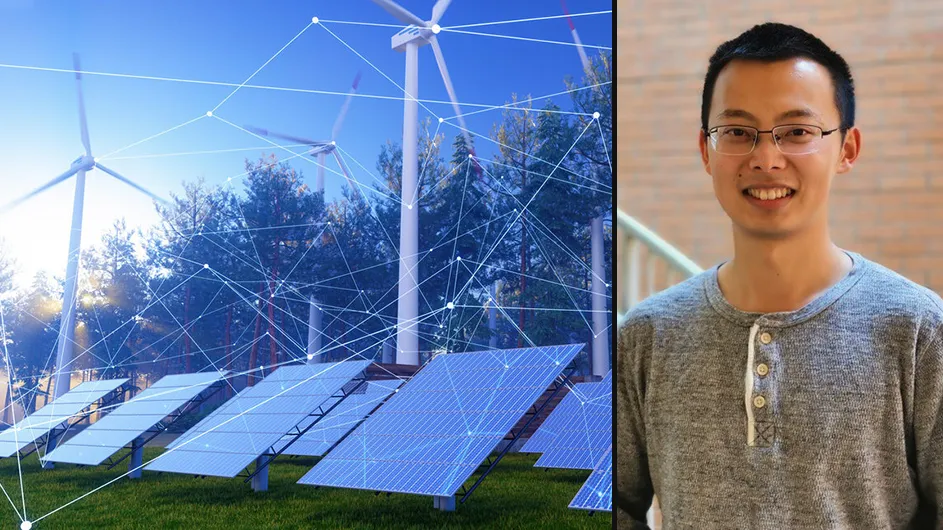
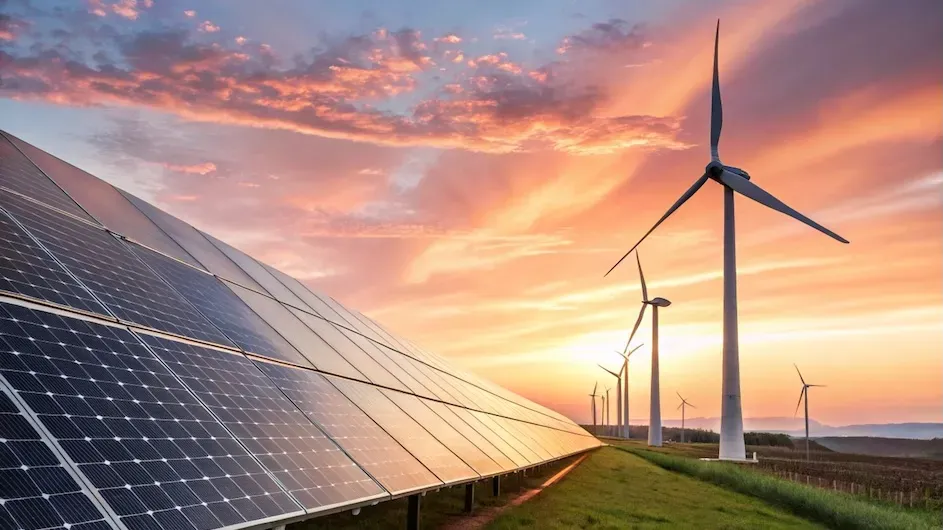
With seed funds from the Data Science Institute, professor Bolun Xu is driving the transition to renewable power.
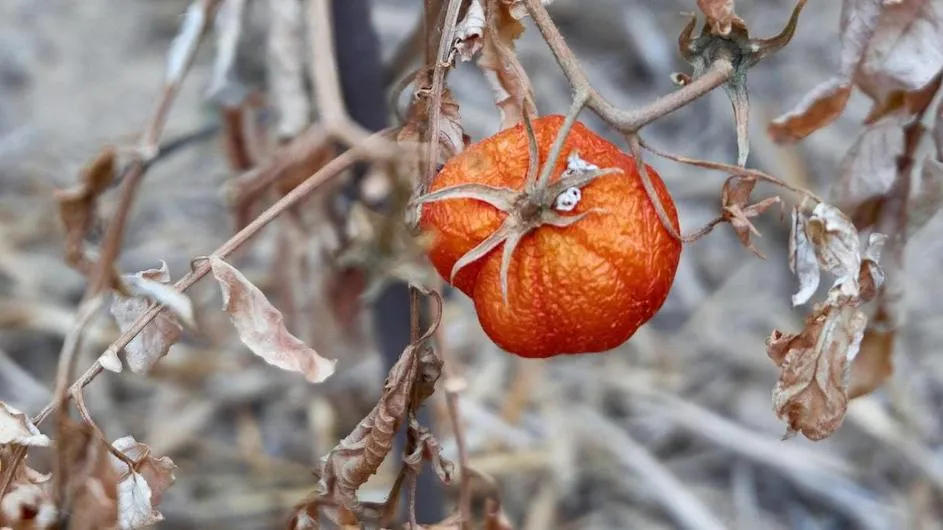
As climate change pressures global food supply, agriculture will adopt practices that may exacerbate its environmental impact.
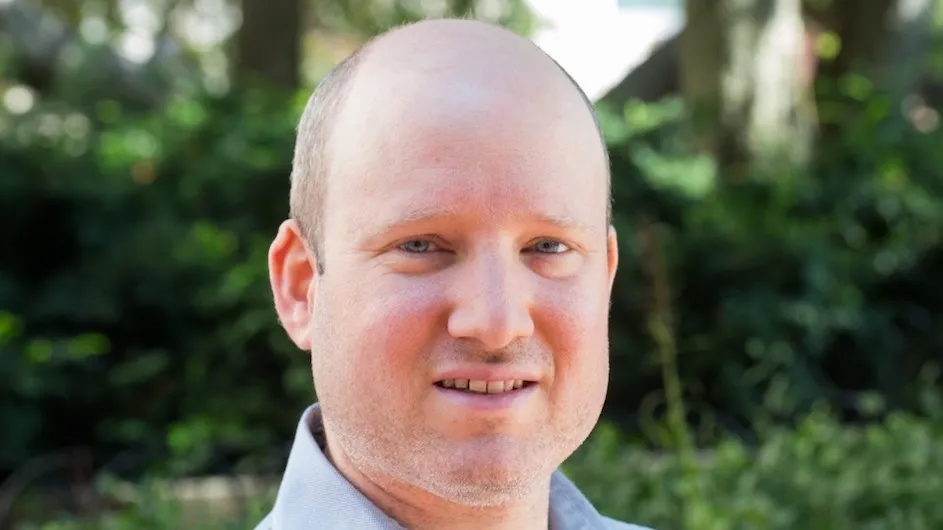
Professor Ivan Corwin was honored for work on diffusion. Chiara Trovatello and Arthur Neuberger were also recognized.
A major federal grant will support a new Columbia-led effort to assess drug efficacy and tailor optimal drug treatment.