


COLUMBIA SCIENCE IN THE NEWS
The New York Times
September 6, 2026
Science
August 28, 2026
The New York Times
August 20, 2026
RECENT STORIES
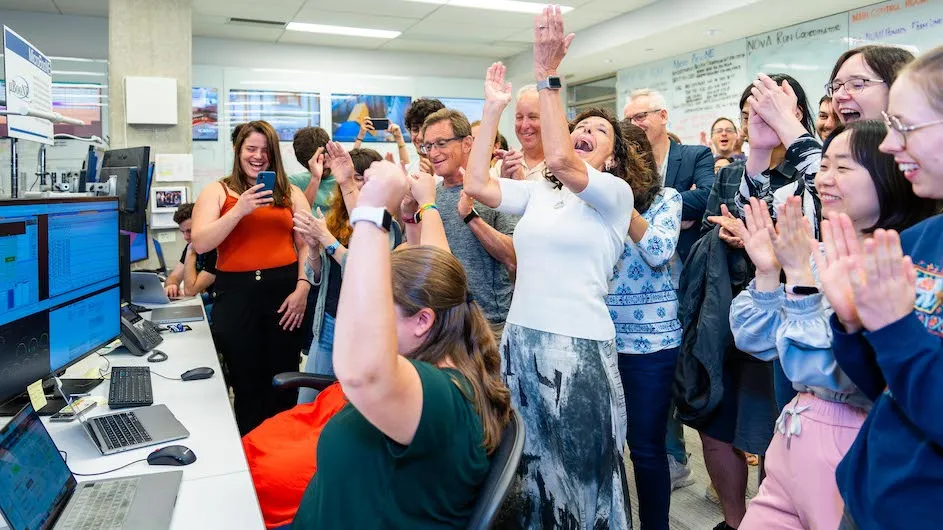
The data, which has taken years of preparation to collect, will be used to search for evidence of new physics.
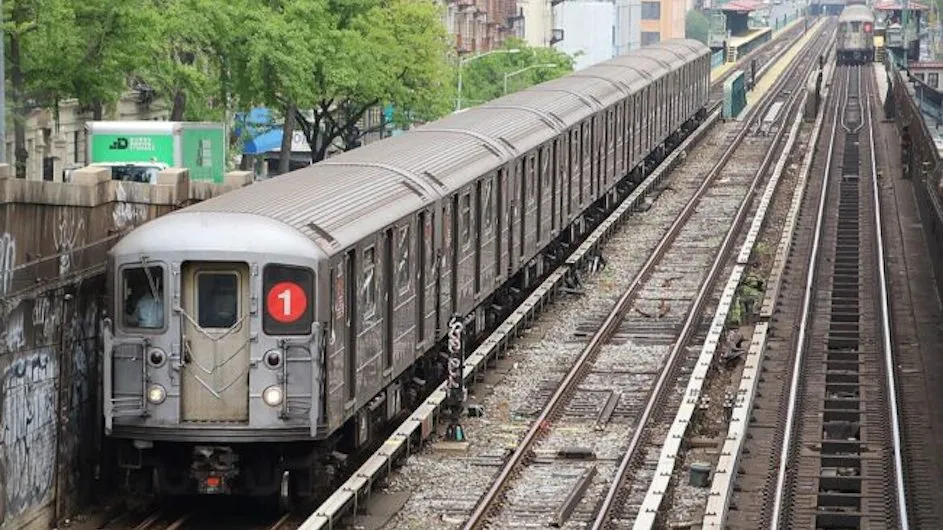
A Columbia Climate School researcher found that air in the subway is 10 times more polluted than air above ground.
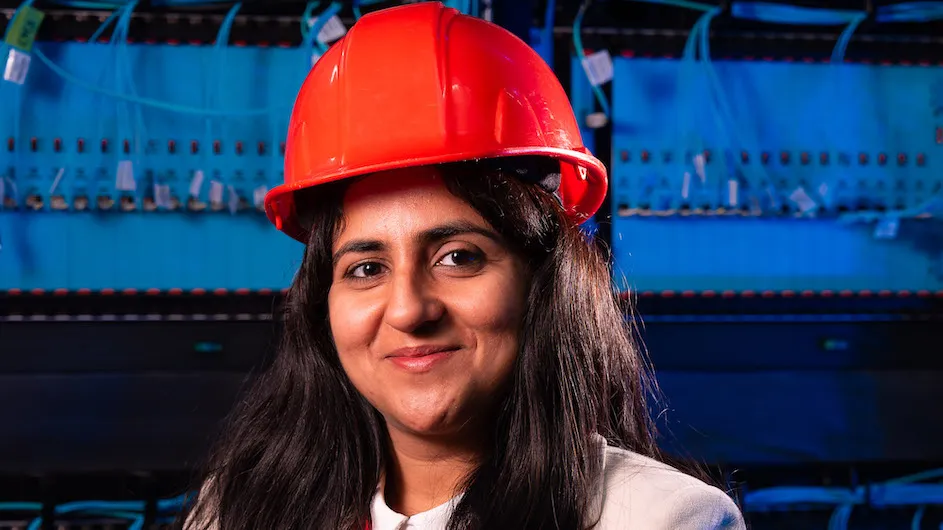
Daisy Kalra has spent her Columbia postdoc in Illinois, supporting the University and the Fermilab in the search for new neutrinos.

A new study finds that communicating the scientific consensus about climate change can clear up misperceptions.
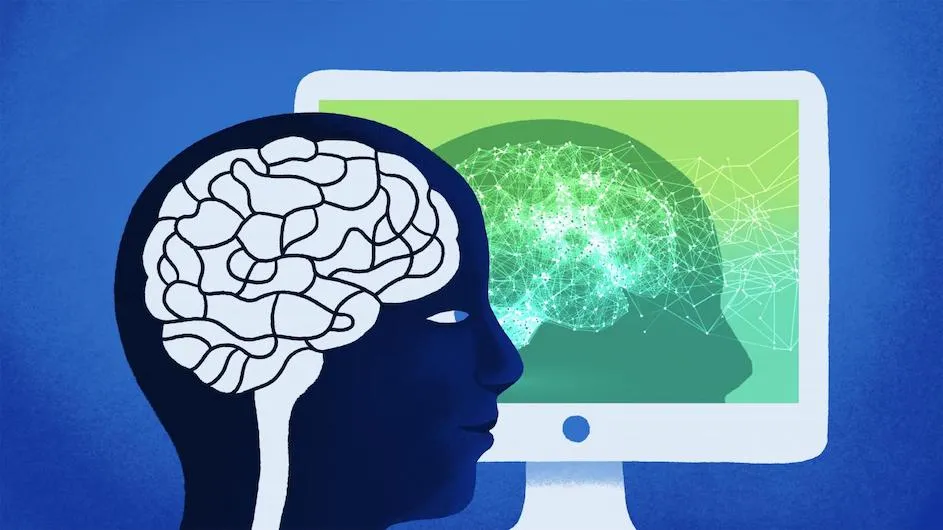
The new field of NeuroAI is building momentum at Columbia.

As trials show that psilocybin and LSD may help treat depression and anxiety, mental-health providers ready for a revolution.

A study found that ChatGPT can help prioritize critical aspects of care while explaining its interventions.
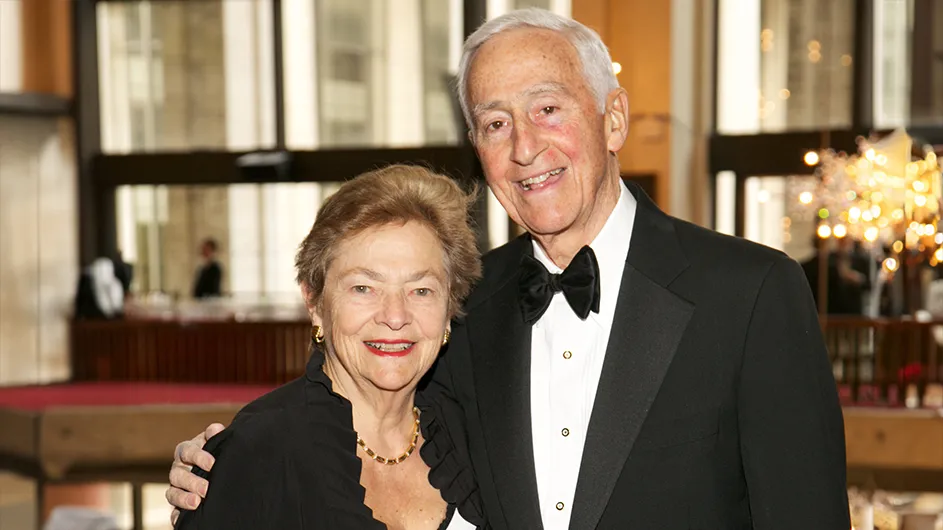
A new $400 million gift from Roy and Diana Vagelos will secure Columbia’s leadership in biomedical science research and education.
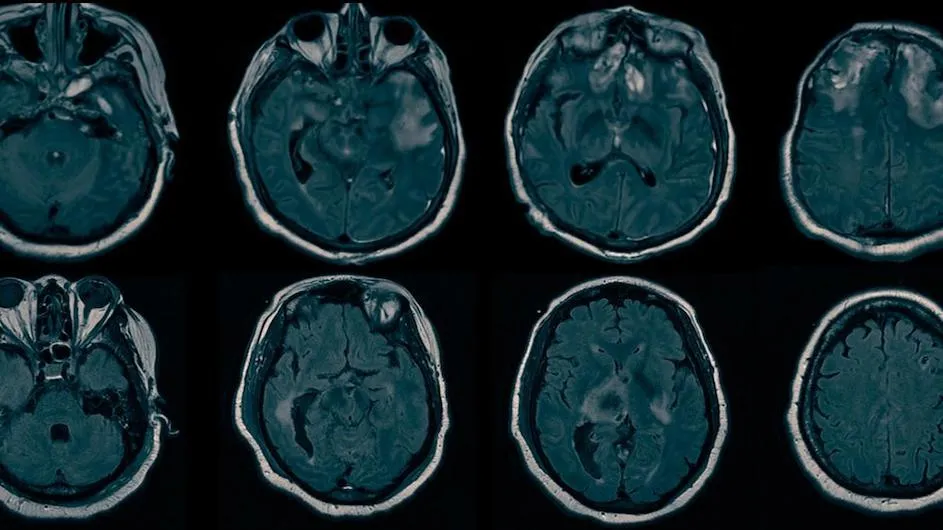
A study found that, with surprising frequency, unresponsive patients with brain injuries show clear signs of cognitive function.
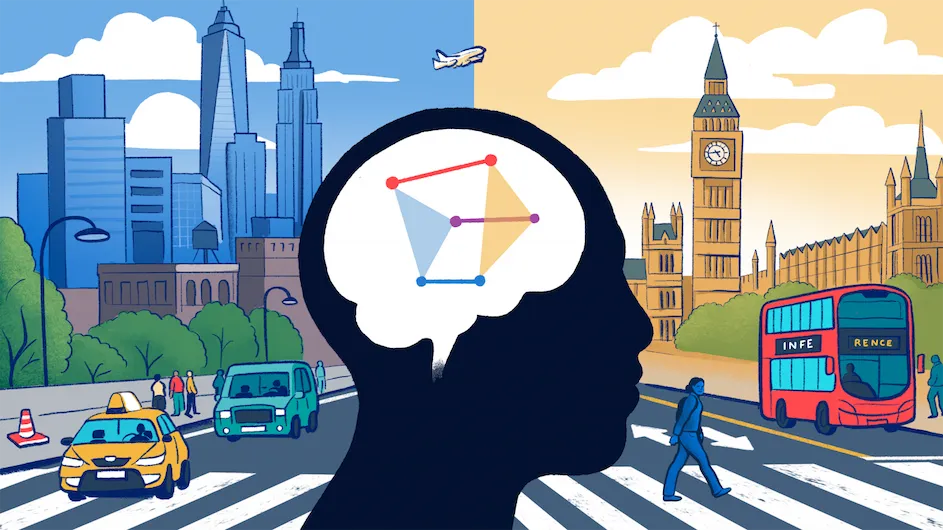
A new study has yielded a pathbreaking trove of data on how a person’s brain abstractly represents acts of reasoning.
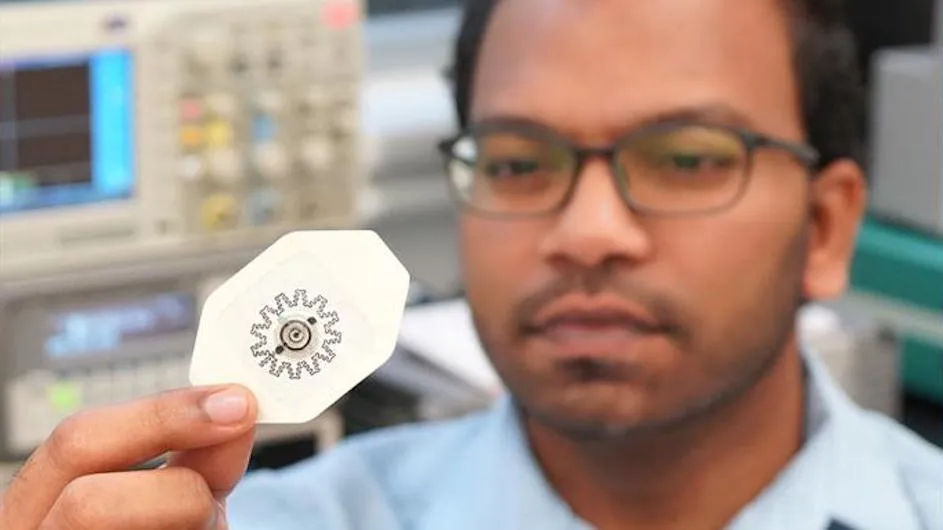
Columbia researchers have developed an inexpensive bandage that uses an electric field to promote healing.
Bacteria can create free-floating and ephemeral genes, raising the possibility that similar genes exist in us.