



COLUMBIA SCIENCE IN THE NEWS
The New York Times
September 6, 2026
Science
August 28, 2026
The New York Times
August 20, 2026
RECENT STORIES
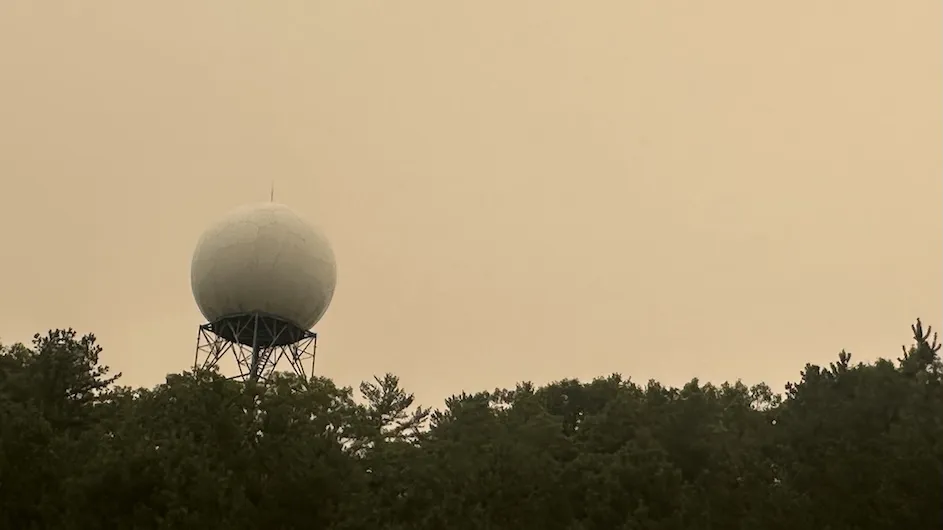
Smoke-filled skies and unhealthy air quality alerts have hit the Upper Midwest and the Northeast U.S. this week.

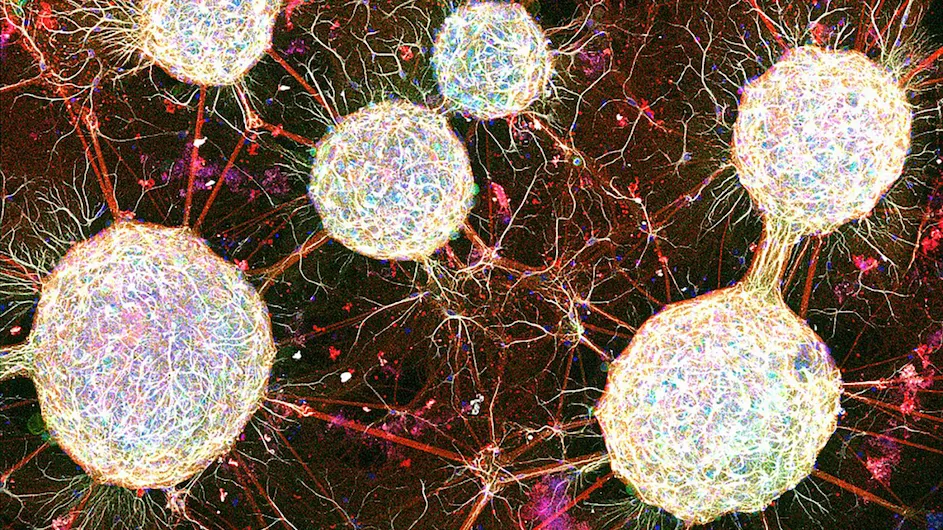
A new study of mouse neurons has the scientific community abuzz.

A Columbia Engineering professor explains the concept of dynamic pricing and whether there is room to make it fair.
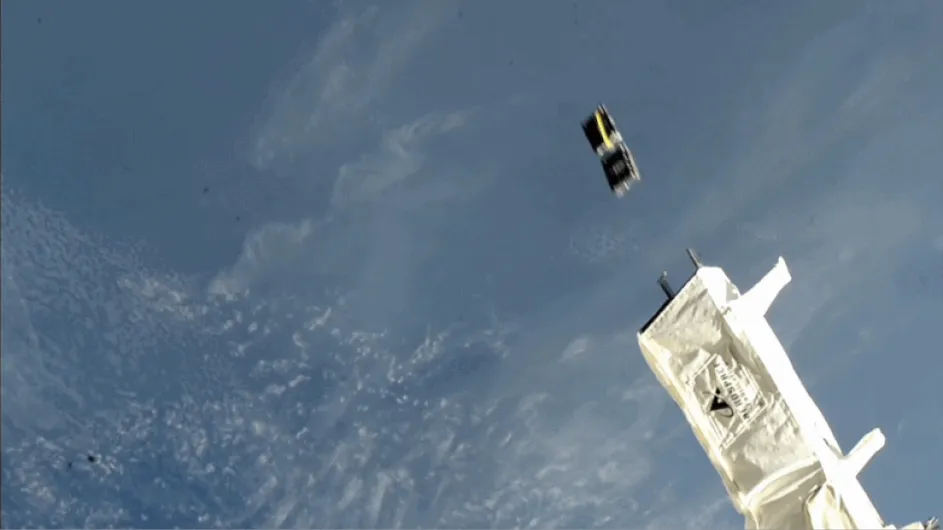
Columbia Space Initiative successfully launched a nanosatellite—and the University lion mascot, Roaree—into Low-earth orbit.

The director of the Columbia Nano Initiative’s Shared Labs discusses growing nanoscience at the University—and beyond.
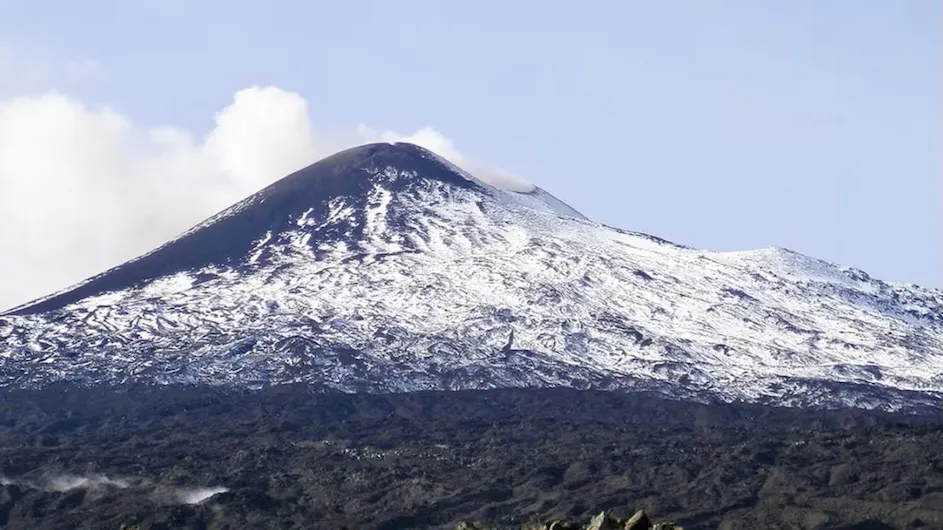
Understanding these dynamics can help geologists assess the risk of future eruptions.
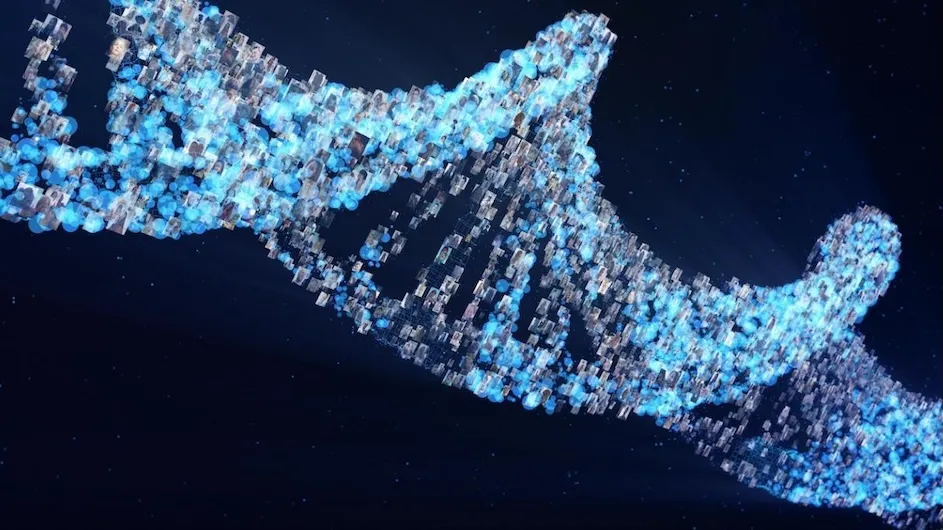
A comprehensive new analysis of 173,303 genomes is upending how scientists understand human genetics and drug development.
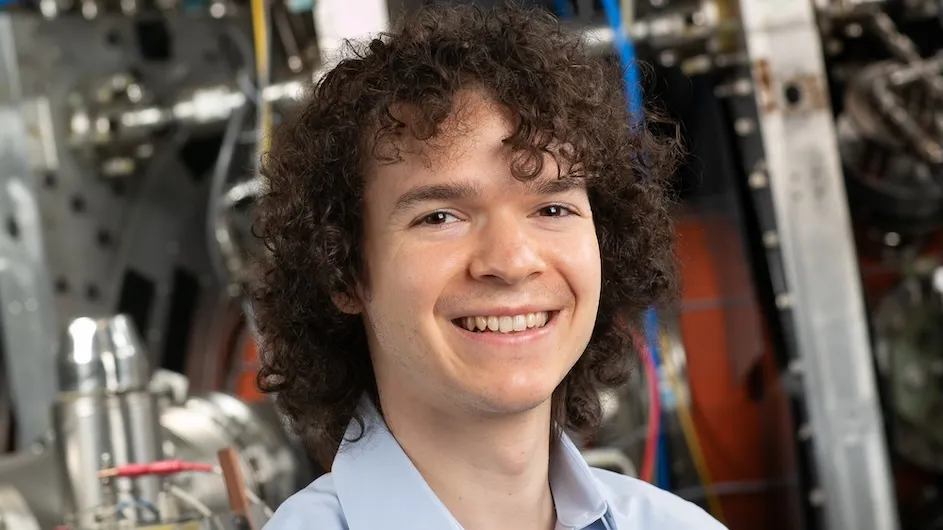
John Labbate is part of Columbia Engineering’s Fusion Research Center, which is focused on clean energy’s next frontier.
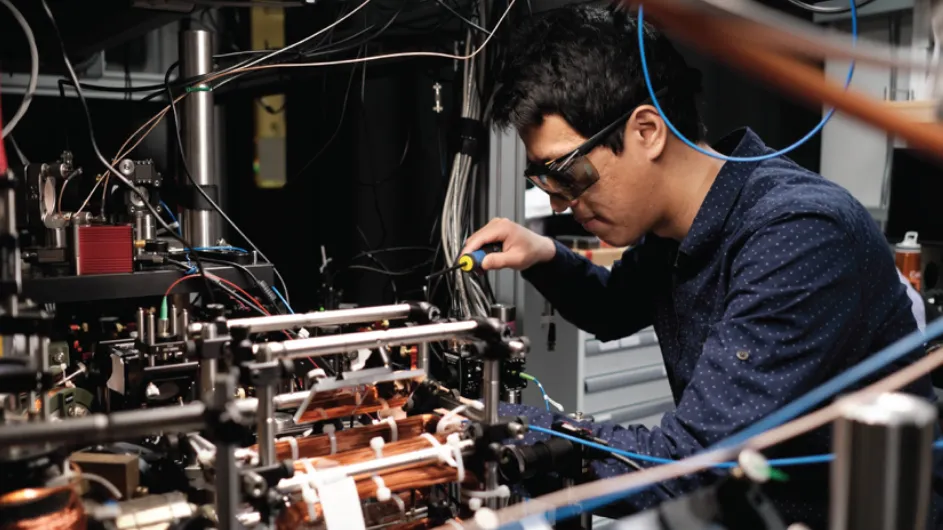
To improve quantum computers, Zhenjie Yan wants to understand how to efficiently shuttle quantum information.
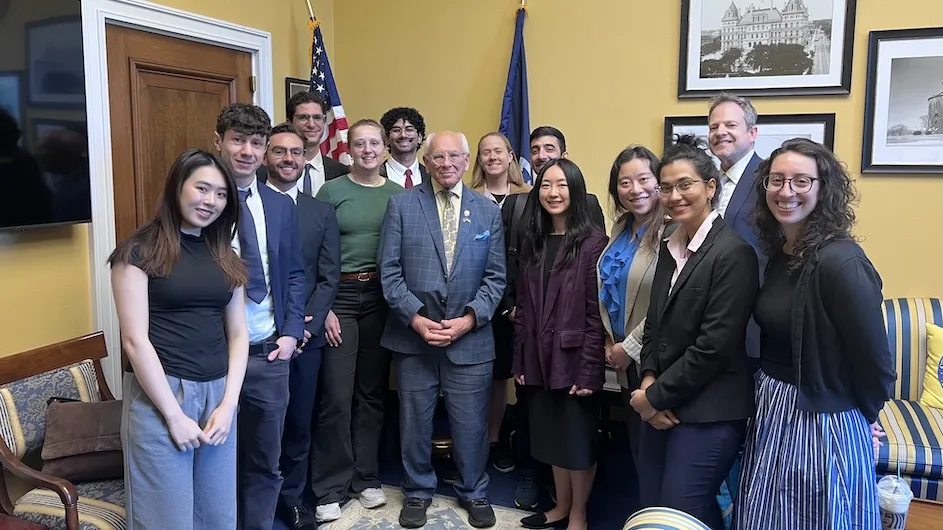
A delegation of researchers traveled to Washington, D.C., as Congress considers its 2027 budget.

The findings suggest climate models may overstate the long-term carbon sink provided by forests.
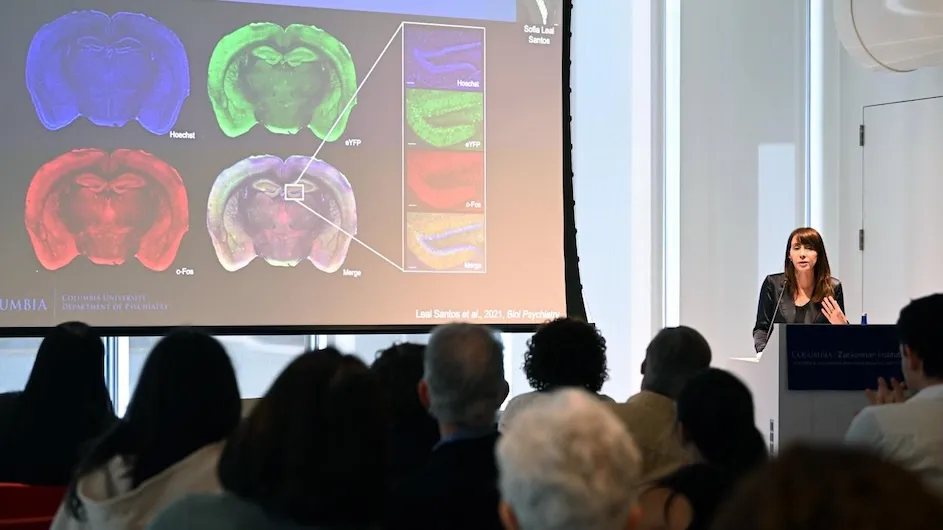
Researchers took sides in a Zuckerman Institute debate that marked the launch of a new center for cognition and reasoning.