


COLUMBIA SCIENCE IN THE NEWS
The New York Times
September 6, 2026
Science
August 28, 2026
The New York Times
August 20, 2026
RECENT STORIES

When he isn’t teaching algebra at Columbia or abroad, Amadou Bah likes to soak up the cultural offerings on campus.
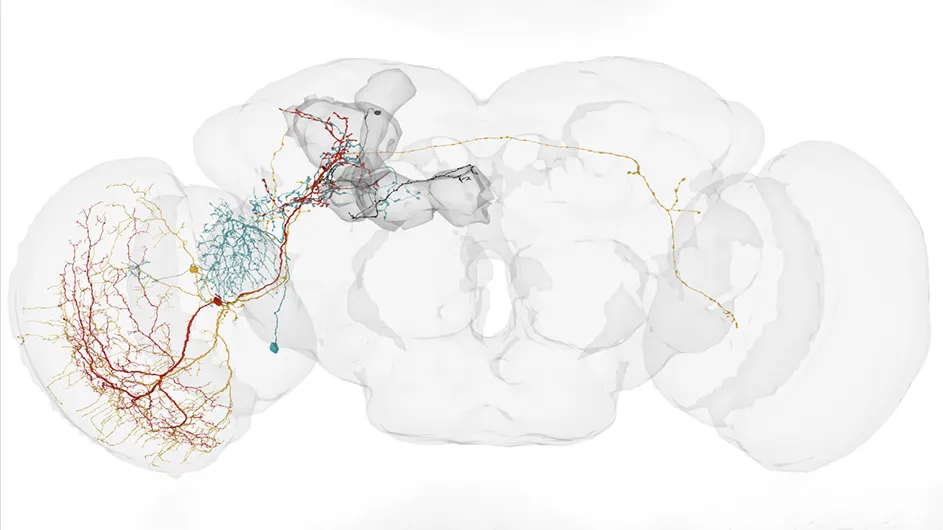
Columbia Zuckerman Institute researchers aim to learn more about multisensory learning by tracing connections in fruit fly brains.

A final report and suggestions will include input from students, faculty, researchers, and other constituents across the University.
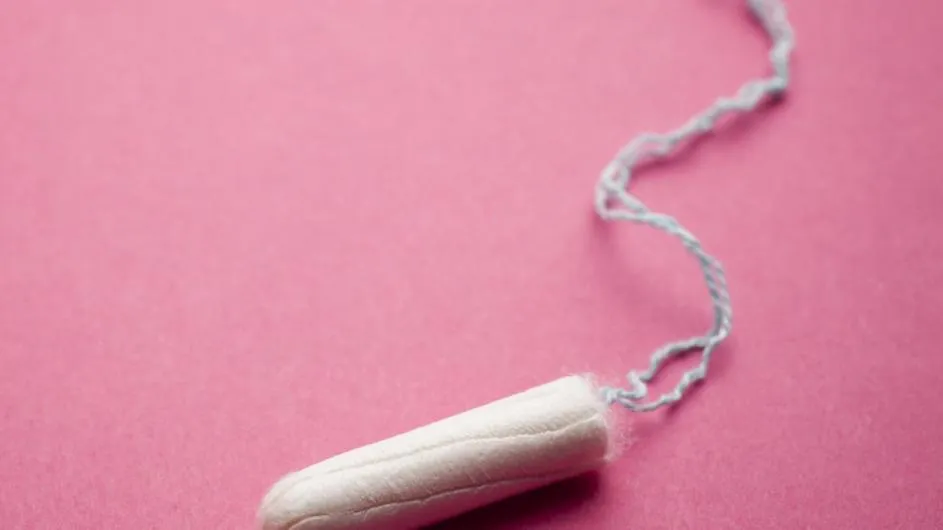
The products are used by a large percentage of the population on a monthly basis.
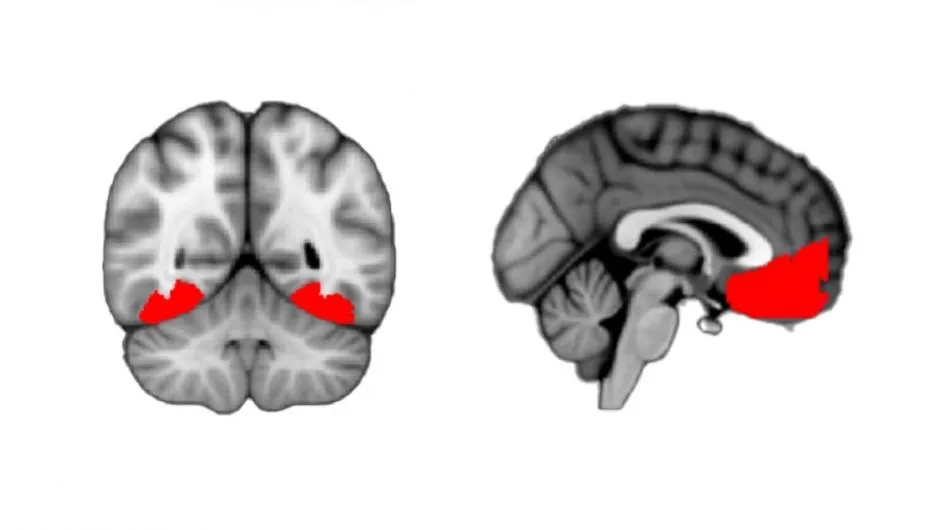
A Columbia Zuckerman Institute research team has for the first time observed what is happening in the brain when curiosity arises.

A team led by Columbia researchers is developing a new vaccine that could be used by people who are immunocompromised.
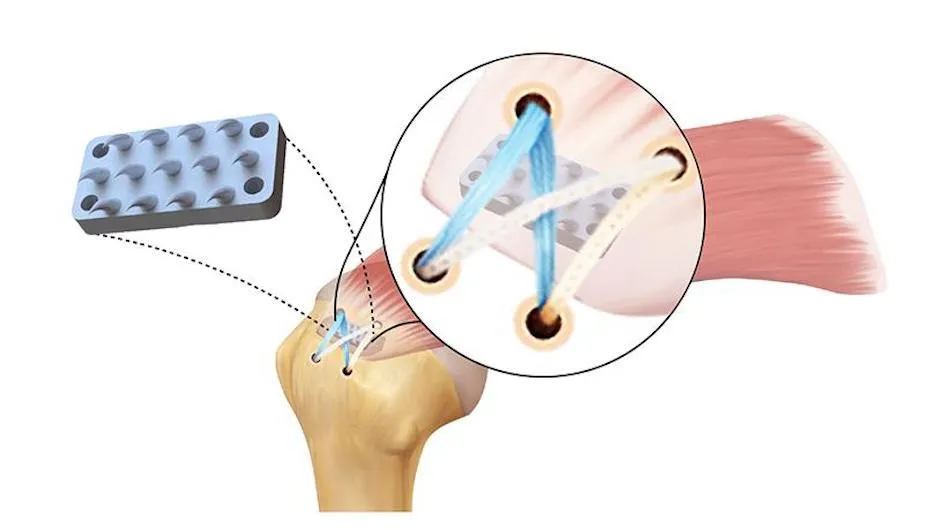
A Columbia research team used biomimicry to create a device that may reduce the risk of rotator cuff re-tearing in patients.

The Langseth is currently docked at Brooklyn Navy Yard after mapping more than 150,000 square kilometers of ocean floor.
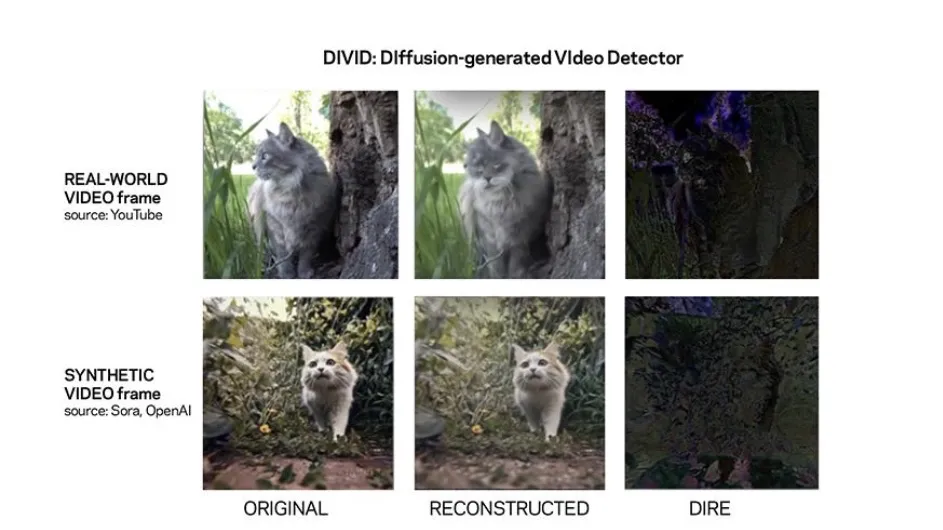
Columbia Engineering researchers expand their work from detecting AI-generated text to discovering deepfake videos.
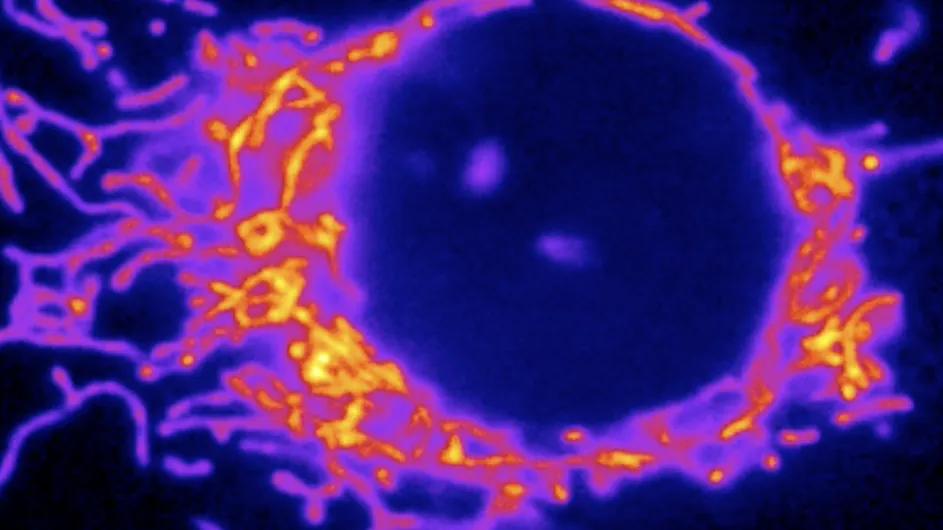
A study from Columbia researchers demonstrates that the brain's mitochondria play a vital role in a person's late-in-life health.
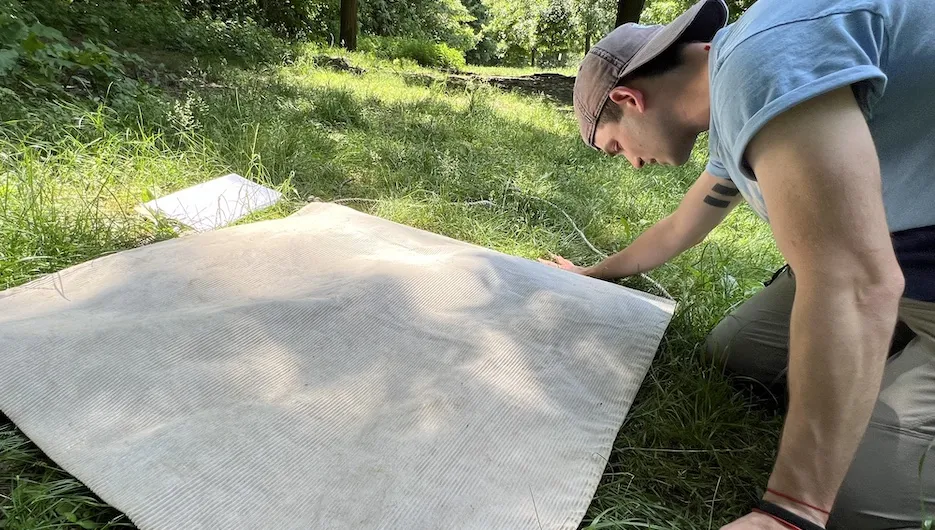
Columbia researchers are conducting a major survey to measure urban tick presence and how humans respond to them.

Columbia engineers designed Joey, a lightweight fabric device that helps caregivers monitor their skin contact with newborns.